Impakter
  • Environment
    • Biodiversity
    • Climate Change
    • Circular Economy
    • Energy
  • FINANCE
    • ESG News
    • Sustainable Finance
    • Business
  • TECH
    • Start-up
    • AI & Machine Learning
    • Green Tech
  • Industry News
    • Entertainment
    • Food and Agriculture
    • Health
    • Politics & Foreign Affairs
    • Philanthropy
    • Science
    • Sport
  • Editorial Series
    • SDGs Series
    • Shape Your Future
    • Sustainable Cities
      • Copenhagen
      • San Francisco
      • Seattle
      • Sydney
  • About us
    • Our Story
    • Team
    • Partners
    • Write for Impakter
    • Contact Us
    • Privacy Policy
No Result
View All Result
  • Environment
    • Biodiversity
    • Climate Change
    • Circular Economy
    • Energy
  • FINANCE
    • ESG News
    • Sustainable Finance
    • Business
  • TECH
    • Start-up
    • AI & Machine Learning
    • Green Tech
  • Industry News
    • Entertainment
    • Food and Agriculture
    • Health
    • Politics & Foreign Affairs
    • Philanthropy
    • Science
    • Sport
  • Editorial Series
    • SDGs Series
    • Shape Your Future
    • Sustainable Cities
      • Copenhagen
      • San Francisco
      • Seattle
      • Sydney
  • About us
    • Our Story
    • Team
    • Partners
    • Write for Impakter
    • Contact Us
    • Privacy Policy
No Result
View All Result
Impakter
No Result
View All Result
climate change and food

COP30: Climate Extremes Are Already Impacting Food Yields Today

Interview with Kaveh Zahedi, FAO’s Director for Climate Change, Biodiversity and Environment

byThe Food and Agriculture Organization of the United Nations (FAO)
November 7, 2025
in Biodiversity, Climate Change, Environment, Food and Agriculture

The 30th United Nations Climate Change Conference (COP30), taking place in Belém, Brazil, brings together world leaders, scientists, non-governmental organizations, and civil society to define urgent actions against climate change.

Through its participation, the Food and Agriculture Organization of the United Nations (FAO) is working with countries and partners to place agriculture and food security at the centre of negotiations, including discussions on the Global Goal on Adaptation, loss and damage, nationally determined contributions (NDCs) and National Adaptation Plans (NAPs), climate finance, technology and just transition.

Ahead of the international gathering, Kaveh Zahedi, Director of the FAO Office of Climate Change, Biodiversity and Environment (OCB), outlined some of the most important messages the Organization will be carrying to COP30 and beyond.

How will climate extremes affect the ability of farmers, fishers and pastoralists to produce food?

It’s not a distant threat — it’s happening now. Climate extremes are already disrupting food and agriculture. Yields are dropping, and unpredictable weather makes harvesting increasingly difficult. We’re also seeing a surge in pests and diseases. Across the board, climate change is reshaping agriculture and food systems.

It’s no coincidence that global hunger remains alarmingly high — still around 700 million people. Part of that is because of the climate crisis. If we fail to act, the outlook is stark: in some regions, rain-fed agriculture could become impossible; in others, land will no longer be suitable for food production. Already, one-third of global agricultural land is degraded. Imagine that growing further. These trends put immense pressure on communities and food systems worldwide.

What are FAO’s top priorities for COP30?

Our core message is simple: Sustainable and resilient agrifood systems are central to climate action and key to ensuring food security and nutrition for the 1.2 billion people whose livelihoods depend on them. Without transforming agriculture and food systems, achieving the Paris Agreement is nearly impossible. That’s why FAO is committed to supporting countries in negotiations, helping the COP Presidency with the Action Agenda related to agrifood systems, and amplifying the voices of farmers, rural communities, smallholders and Indigenous Peoples – often those on the front lines of climate events.

FAO’s top priorities for COP30 and beyond are: 1) Placing agrifood systems in the outcomes and decisions of the COP; 2) Turning ambition into action by integrating agrifood systems solutions into national climate plans and making them a reality; 3) Redirecting more climate finance toward agrifood systems solutions and scaling them up to maximize impact. Currently, only about 4% of climate-related development finance reaches sectors responsible for food production, crop production, livestock, fisheries, and forestry – this must change.

Related Articles

Here is a list of articles selected by our Editorial Board that have gained significant interest from the public:

  • How Does Climate Change Affect Agriculture?
  • Water Could Limit Our Ability to Feed the World. These 9 Graphics Explain Why
  • Climate Change Is Driving Up Food Prices

What specific commitments or outcomes does FAO expect from the conference?

COP30 is a pivotal moment to reaffirm that agriculture and food systems are the strongest line of defense against the climate crisis and must be central to discussions on adaptation and mitigation, resilience, loss and damage, and climate finance. It’s also an opportunity to elevate the role of forests – promoting integrated fire management, safeguarding ecosystems, and ensuring countries have the resources to manage and maintain forests sustainably.

COP30 will bring together around 3,000 Indigenous Peoples, highlighting their role in climate negotiations. How does FAO envision integrating traditional knowledge into its strategies for food security and zero hunger?

You cannot address agriculture or forests without engaging Indigenous Peoples. Their traditional knowledge is invaluable for building resilience and safeguarding our future in the face of climate uncertainty.

In the host country of COP30, for instance, farmers are bringing back cabruca, a traditional system where cocoa trees grow beneath a canopy of native species. As the initiative with cocoa farmers in Brazil’s Bahia region show, supporting those who work the land is the surest way to secure the planet’s future.

COP30 must be the moment when agrifood systems move from the margins to the center of climate action.

** **

This article was originally published by the Food and Agriculture Organization of the United Nations (FAO) and is republished here as part of our editorial collaboration with the FAO. 


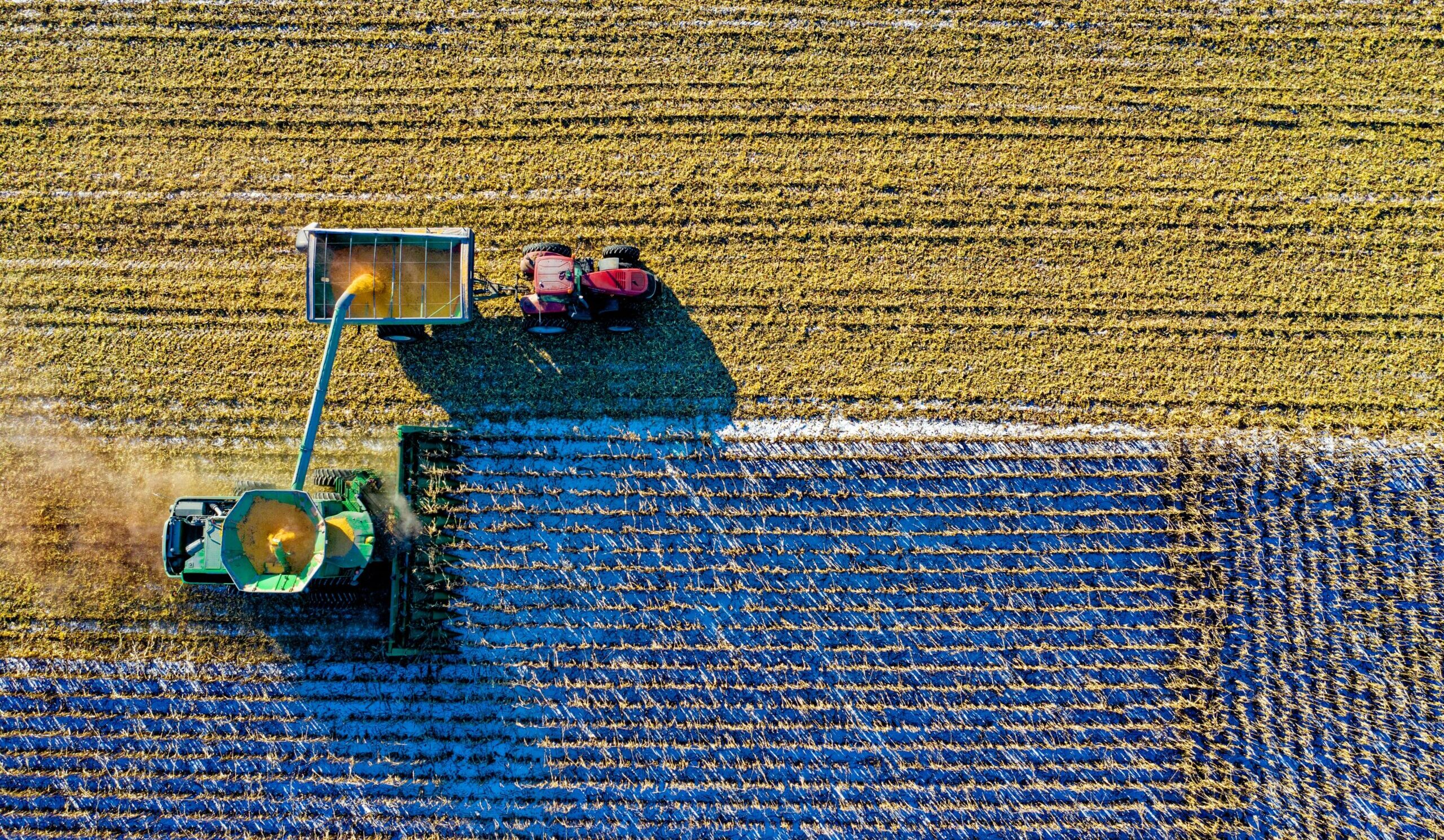
Editor’s Note: The opinions expressed here by the authors are their own, not those of Impakter.com — Cover Photo Credit: Tom Fisk.

Tags: (NAPsAgricultureagrifood systemsbiodiversityClimate Changecop30EnvironmentFAOFarmingFisheriesFood and Agriculture Organization of the United NationsFood Secutiryfood systemsGlobal Goal on AdaptationLoss and damageNational Adaptation PlansNationally Determined ContributionsNDCsParis AgreementUnited Nations Climate Change Conference
Previous Post

Tourism at a Crossroads: Europe’s Path to Sustainability and Resilience

Next Post

Rubio Raises €80 Million for Climate and Social Impact Fund

Related Posts

fossil fuel transition
Business

What Existing Moratoria, Bans, and Restrictions Reveal About Transitioning Away From Fossil Fuels

April 21, 2026
How Wildfires Are Affecting Household Bills in California
Climate Change

How Wildfires Are Affecting Household Bills in California

April 21, 2026
Nuclear warning signs in Pripyat, Ukraine
Environment

40 Years After Chernobyl’s Nuclear Disaster, Greenpeace Warns of Potential Collapse

April 17, 2026
Next Post
Frankfurt Bull And Bear

Rubio Raises €80 Million for Climate and Social Impact Fund

Related News

ESG news regarding flight costs increasing as oil disruption drives up jet fuel prices, outdated train booking system in Europe making rail travel harder, Germany pledging €700 million to Brazil for climate and sustainable mobility projects, and renewables meeting global electricity demand growth in 2025 as solar surges and fossil fuels stall.

Flight Costs Increase as Iran War Disrupts Global Oil Supplies

April 21, 2026
fossil fuel transition

What Existing Moratoria, Bans, and Restrictions Reveal About Transitioning Away From Fossil Fuels

April 21, 2026

Impakter informs you through the ESG news site and empowers your business CSRD compliance and ESG compliance with its Klimado SaaS ESG assessment tool marketplace that can be found on: www.klimado.com

Registered Office Address

Klimado GmbH
Niddastrasse 63,

60329, Frankfurt am Main, Germany


IMPAKTER is a Klimado GmbH website

Impakter is a publication that is identified by the following International Standard Serial Number (ISSN) is the following 2515-9569 (Printed) and 2515-9577 (online – Website).


Office Hours - Monday to Friday

9.30am - 5.00pm CEST


Email

stories [at] impakter.com

By Audience

  • TECH
    • Start-up
    • AI & MACHINE LEARNING
    • Green Tech
  • ENVIRONMENT
    • Biodiversity
    • Energy
    • Circular Economy
    • Climate Change
  • INDUSTRY NEWS
    • Entertainment
    • Food and Agriculture
    • Health
    • Politics & Foreign Affairs
    • Philanthropy
    • Science
    • Sport
    • Editorial Series

ESG/Finance Daily

  • ESG News
  • Sustainable Finance
  • Business

About Us

  • Team
  • Partners
  • Write for Impakter
  • Contact Us
  • Privacy Policy

© 2026 IMPAKTER. All rights reserved.

No Result
View All Result
  • Environment
    • Biodiversity
    • Climate Change
    • Circular Economy
    • Energy
  • FINANCE
    • ESG News
    • Sustainable Finance
    • Business
  • TECH
    • Start-up
    • AI & Machine Learning
    • Green Tech
  • Industry News
    • Entertainment
    • Food and Agriculture
    • Health
    • Politics & Foreign Affairs
    • Philanthropy
    • Science
    • Sport
  • Editorial Series
    • SDGs Series
    • Shape Your Future
    • Sustainable Cities
      • Copenhagen
      • San Francisco
      • Seattle
      • Sydney
  • About us
    • Our Story
    • Team
    • Partners
    • Write for Impakter
    • Contact Us
    • Privacy Policy

© 2026 IMPAKTER. All rights reserved.