Today’s ESG Updates
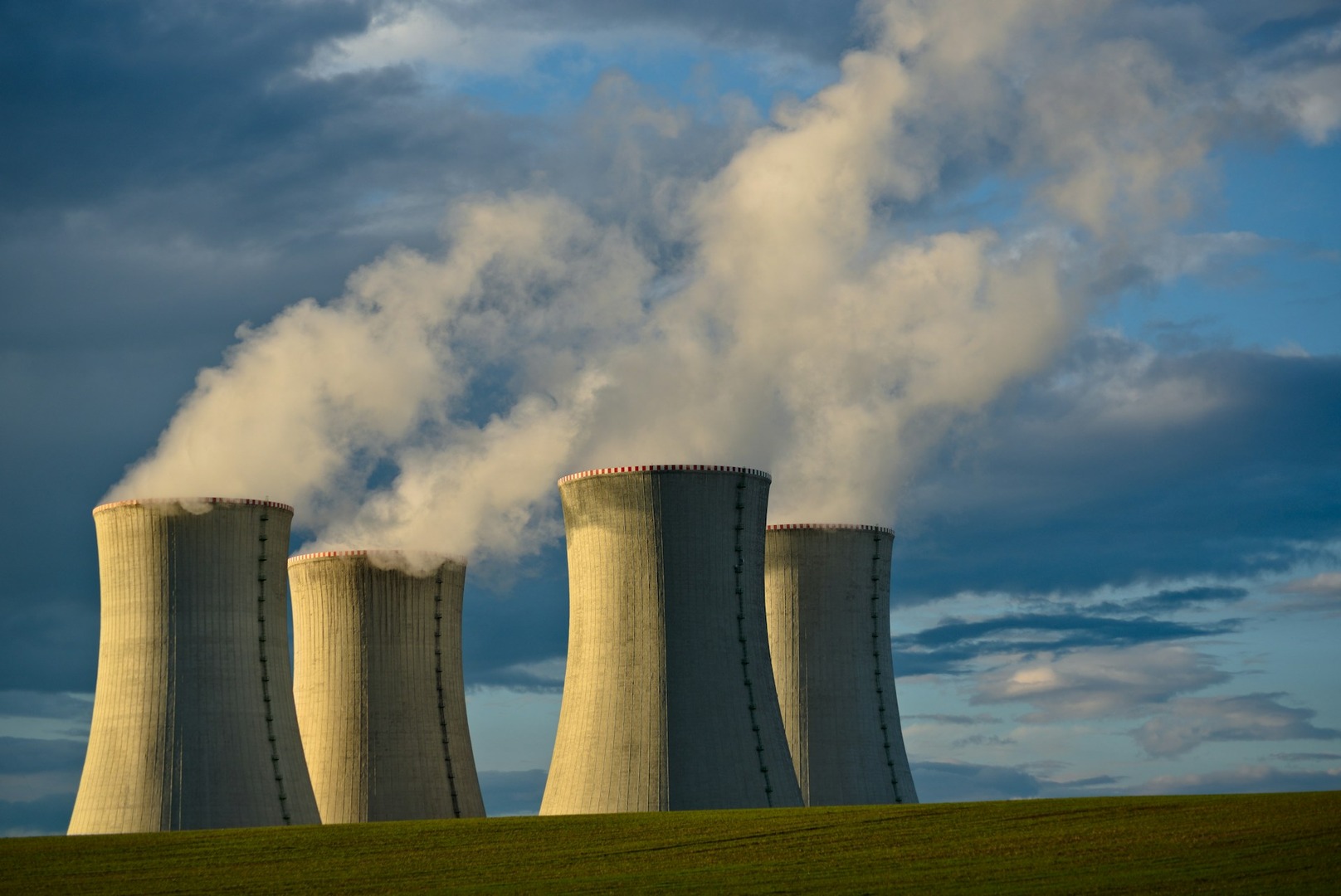
- India Plans Nuclear Expansion Reforms: The government is preparing to reduce exclusion zones around nuclear reactors to free up land for future projects and attract greater private investment into the sector.
- EU Proposes More Free Carbon Permits: European industries could receive additional free CO2 allowances under reforms aimed at easing compliance costs and improving economic competitiveness.
- Europe Increases EV Sector Investment: Nearly 200 billion euros have been committed towards electric vehicle manufacturing, battery production and charging infrastructure across Europe.
- Renewable-Plus-Storage Projects Set to Surge: Europe’s renewable energy sector is expected to rapidly expand battery-backed wind and solar projects as developers respond to growing grid and pricing pressures.
India plans smaller nuclear exclusion zones to support expansion
India plans to cut the size of exclusion zones around nuclear reactors as part of wider efforts to expand the country’s nuclear power sector and attract private investment. Officials have reportedly agreed in principle to the changes, which would reduce the land required for both large-scale and smaller reactor projects.
The proposal comes as the government works towards a major increase in nuclear capacity by 2047 as part of its wider clean energy strategy. However, critics have already raised concerns about radiation risks, public safety, and the possible weakening of existing safeguards as private investment in the sector grows.
***
Further reading: Exclusive: India to shrink zones around nuclear reactors to free up land, sources say
Klimado – Navigating climate complexity just got easier. Klimado offers a user-friendly platform for tracking local and global environmental shifts, making it an essential tool for climate-aware individuals and organizations.
EU plans additional free CO2 permits for industry
The European Commission has proposed increasing the number of free carbon permits allocated to industries under the EU’s emissions trading system, a move expected to reduce compliance costs for companies over the coming years. The proposal comes amid growing pressure from member states and heavy industries, concerned about Europe’s declining economic competitiveness and the financial burden of decarbonization policies.
Under the revised plan, industries will continue receiving free allocations covering much of their emissions, while the EU also plans to introduce additional support linked to indirect emissions costs. The measures form part of a broader review of the EU carbon market as policymakers seek to balance climate targets with industrial and economic concerns.
***
Further reading: EU proposes to give industries more free CO2 permits
Related Articles
Here is a list of articles selected by our Editorial Board that have gained significant interest from the public:
Europe expands investment in electric vehicle sector
Almost 200 billion euros have been committed by countries across the European Economic Area and Switzerland to support the growth of the electric vehicle sector, according to new data released by research group New Automotive. A significant share of the investment has been directed towards battery production and supply chains as Europe attempts to reduce dependence on Chinese manufacturing and strengthen regional energy security.
Funding has also been allocated to EV manufacturing facilities and charging infrastructure across the continent. The investments are expected to support large-scale job creation and accelerate Europe’s transition away from combustion-engine vehicles, despite ongoing political disagreements within the European Union over the future of green transport policies.
***
Further reading: Europe invested 200 billion euros so far to boost EV sector, New Automotive data shows

Europe’s renewable storage projects set for major growth
Europe’s renewable energy sector is expected to see significant growth in projects combining wind and solar generation with battery storage systems, according to a new report by Aurora Energy Research. Developers are expected to increase Europe’s co-located renewable and battery capacity by more than 450% by 2030 as they seek to improve profitability and manage fluctuations in electricity supply and pricing.
Developers across Europe are increasingly pairing renewable energy projects with battery storage systems. These systems allow developers to store excess electricity during periods of oversupply and feed it back into the grid when energy prices rise again. Germany emerged as the most attractive market for future investment, while countries such as Spain, Hungary, and France are gaining attention as regulatory reforms and demand for greater grid flexibility continue to grow.
***
Further reading: European renewable projects with batteries set to grow more than 450% by 2030
Editor’s Note: The opinions expressed here by the authors are their own, not those of impakter.com — In the Cover Photo: A nuclear power plant. Cover Photo Credit: Lukáš Lehotský.