Coral reefs teeming with colorful tropical fish. Playful monkeys swinging between rainforest trees. These are the scenes some might picture upon hearing the word ecosystem. Yet a commonly overlooked ecosystem, soil, is full of life and vital to Earth’s biodiversity.
The ground beneath our feet is one of our most important ecosystems. Fifty-nine percent of Earth’s species live in the soil, and ninety-five percent of the global food supply is dependent on soil. Healthy soil can hold 27% of the world’s carbon emissions, equivalent to what’s needed to keep global temperatures below the 2 degrees Celsius threshold.
This widespread ecosystem is largely ignored, threatening thousands of organisms that depend on it.
Soil-Dependent Species Study
From fungi to invertebrates, soil is home to many important organisms. A report from the International Union for Conservation of Nature (IUCN) and Conservation International warns that one in five soil-dependent species is in danger of extinction.
Published by Cambridge University Press in April, the study combines research from 44 scientists. Of the 8,653 species studied, 1,758 species (around 20%) are at risk of extinction. An additional 20%, approximately 1,722 soil-dependent species, lack sufficient data. Without substantial information, it’s difficult to know if the Data Deficient species are at risk as well. While 5,138 species are not at risk, at least 35 are believed to be already extinct.
Loss of these species could have a significant impact on agriculture, as they contribute to many various ecosystem functions, such as soil decomposition and formation.
Neil Cox, Manager of the Biodiversity Assessment Unit and lead author of the study, told Earth.Org:
“When both plant and animal matter are decomposed, it’s the soil fauna and fungi that are undertaking those processes. Often, they have a mutual link with plants. If that process is not going on, there’s no return of nutrients to the soil. It’s critical that we have those soil-dependent species in healthy condition.”
Soil nutrients and fertility are highly reliant on biodiversity, meaning that a loss of species could lead to reduced agricultural yield.
What Can Be Done
The goal of the study was to increase awareness of soil degradation and the species that depend on this life-giving dirt. The report highlighted the glaring knowledge gap concerning soil ecosystems and soil-dependent species.
Cox stated, “Soil sustains many of the most essential parts of human life, yet we still have not sufficiently studied the thousands of species within it. This study draws attention to the dire state of many soil‑dependent species, and we hope its publication spurs the increased focus and funding needed to understand how to conserve these species.”
The study’s authors proposed creating a conservation task force, the IUCN SSC Soil Biota Working Group. They also called on global organizations and local governments to increase public knowledge and advocate for conservation efforts.
One of the scientists who worked on the report, Dr. Gregory Muller, said:
“Soil species shape so many parts of life on this planet – for example, fungi enable plants to take in nutrients and make decomposition possible, underpinning ecosystems. It is crucial that we give all soil species the attention they deserve and work to better understand and protect them.”
Muller pointed to the IUCN’s Red List of Threatened Species as a tool for maintaining awareness of vulnerable species.
Conservation International is making a continued effort to study soil ecosystems, increase conservation efforts, and raise public knowledge. The organization is working with farmers to improve soil health through practicing agroforestry and growing crops that reduce erosion and boost soil activity.
The bottom line: understanding the tiny world beneath us and the species that make life possible is vital for the health of our planet. It is our job to bridge the knowledge gap and improve conservation efforts for these neglected organisms.
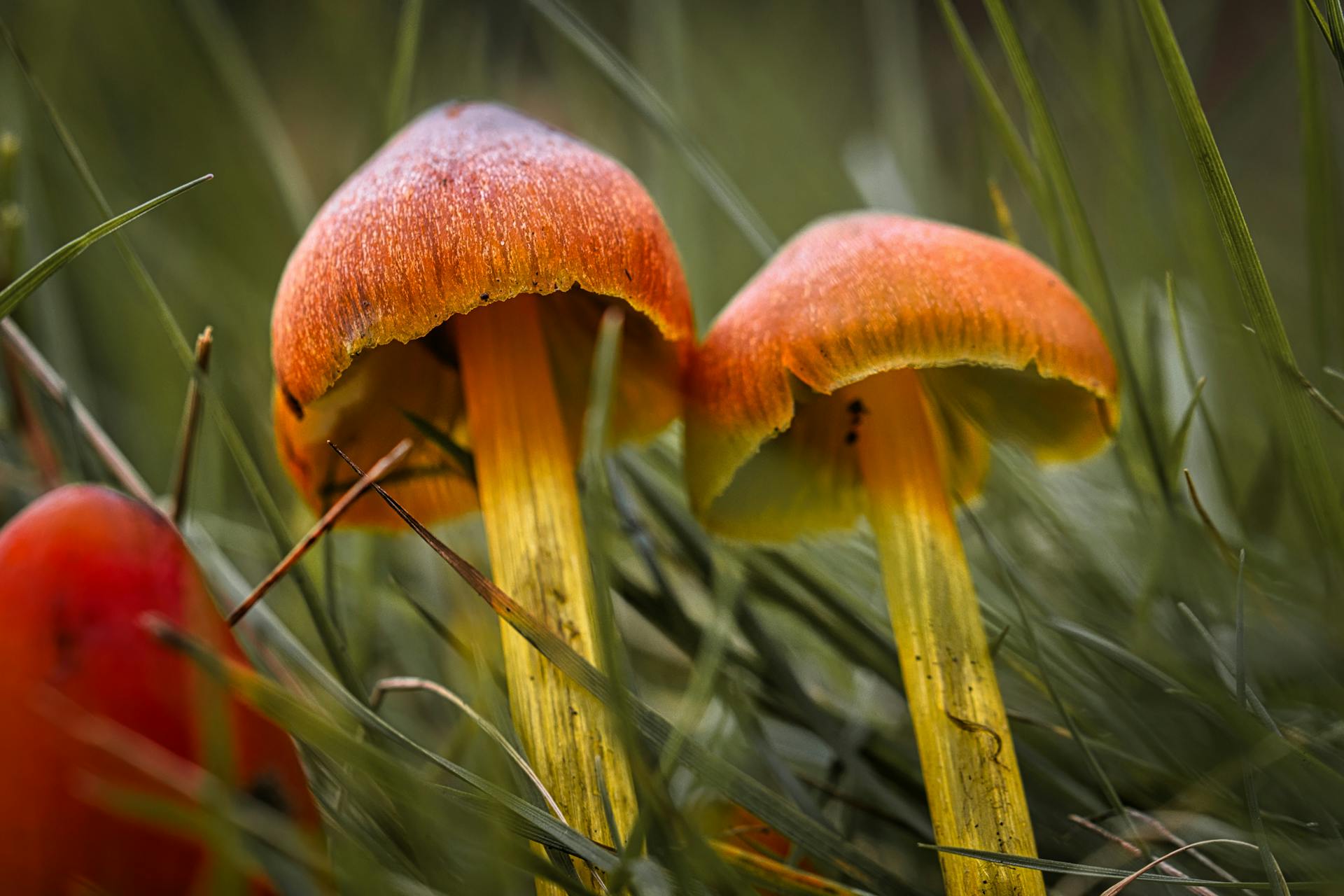
Editor’s Note: The opinions expressed here by the authors are their own, not those of impakter.com — In the Cover Photo: Two vulnerable orange mushrooms. Cover Photo Credit: Wolfgang Vrede.