Impakter
  • Environment
    • Biodiversity
    • Climate Change
    • Circular Economy
    • Energy
  • FINANCE
    • ESG News
    • Sustainable Finance
    • Business
  • TECH
    • Start-up
    • AI & Machine Learning
    • Green Tech
  • Industry News
    • Entertainment
    • Food and Agriculture
    • Health
    • Politics & Foreign Affairs
    • Philanthropy
    • Science
    • Sport
  • Editorial Series
    • SDGs Series
    • Shape Your Future
    • Sustainable Cities
      • Copenhagen
      • San Francisco
      • Seattle
      • Sydney
  • About us
    • Company
    • Team
    • Global Leaders
    • Partners
    • Write for Impakter
    • Contact Us
    • Privacy Policy
No Result
View All Result
Impakter logo
No Result
View All Result
climate change and food

COP30: Climate Extremes Are Already Impacting Food Yields Today

Interview with Kaveh Zahedi, FAO’s Director for Climate Change, Biodiversity and Environment

The Food and Agriculture Organization of the United Nations (FAO)byThe Food and Agriculture Organization of the United Nations (FAO)
November 7, 2025
in Biodiversity, Climate Change, Environment, Food and Agriculture
0

The 30th United Nations Climate Change Conference (COP30), taking place in Belém, Brazil, brings together world leaders, scientists, non-governmental organizations, and civil society to define urgent actions against climate change.

Through its participation, the Food and Agriculture Organization of the United Nations (FAO) is working with countries and partners to place agriculture and food security at the centre of negotiations, including discussions on the Global Goal on Adaptation, loss and damage, nationally determined contributions (NDCs) and National Adaptation Plans (NAPs), climate finance, technology and just transition.

Ahead of the international gathering, Kaveh Zahedi, Director of the FAO Office of Climate Change, Biodiversity and Environment (OCB), outlined some of the most important messages the Organization will be carrying to COP30 and beyond.

How will climate extremes affect the ability of farmers, fishers and pastoralists to produce food?

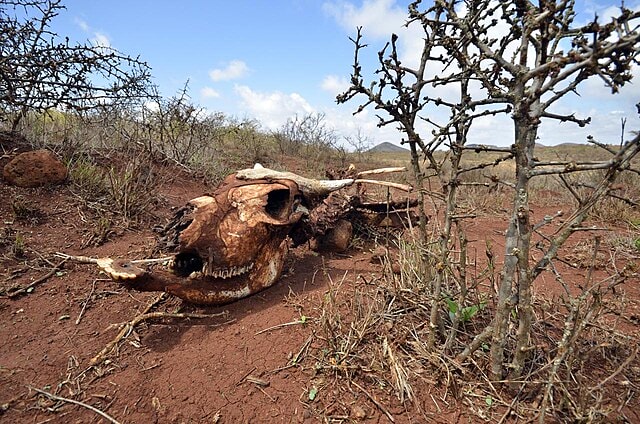
It’s not a distant threat — it’s happening now. Climate extremes are already disrupting food and agriculture. Yields are dropping, and unpredictable weather makes harvesting increasingly difficult. We’re also seeing a surge in pests and diseases. Across the board, climate change is reshaping agriculture and food systems.

It’s no coincidence that global hunger remains alarmingly high — still around 700 million people. Part of that is because of the climate crisis. If we fail to act, the outlook is stark: in some regions, rain-fed agriculture could become impossible; in others, land will no longer be suitable for food production. Already, one-third of global agricultural land is degraded. Imagine that growing further. These trends put immense pressure on communities and food systems worldwide.

What are FAO’s top priorities for COP30?

Our core message is simple: Sustainable and resilient agrifood systems are central to climate action and key to ensuring food security and nutrition for the 1.2 billion people whose livelihoods depend on them. Without transforming agriculture and food systems, achieving the Paris Agreement is nearly impossible. That’s why FAO is committed to supporting countries in negotiations, helping the COP Presidency with the Action Agenda related to agrifood systems, and amplifying the voices of farmers, rural communities, smallholders and Indigenous Peoples – often those on the front lines of climate events.

FAO’s top priorities for COP30 and beyond are: 1) Placing agrifood systems in the outcomes and decisions of the COP; 2) Turning ambition into action by integrating agrifood systems solutions into national climate plans and making them a reality; 3) Redirecting more climate finance toward agrifood systems solutions and scaling them up to maximize impact. Currently, only about 4% of climate-related development finance reaches sectors responsible for food production, crop production, livestock, fisheries, and forestry – this must change.

Related Articles

Here is a list of articles selected by our Editorial Board that have gained significant interest from the public:

  • How Does Climate Change Affect Agriculture?
  • Water Could Limit Our Ability to Feed the World. These 9 Graphics Explain Why
  • Climate Change Is Driving Up Food Prices

What specific commitments or outcomes does FAO expect from the conference?

COP30 is a pivotal moment to reaffirm that agriculture and food systems are the strongest line of defense against the climate crisis and must be central to discussions on adaptation and mitigation, resilience, loss and damage, and climate finance. It’s also an opportunity to elevate the role of forests – promoting integrated fire management, safeguarding ecosystems, and ensuring countries have the resources to manage and maintain forests sustainably.

COP30 will bring together around 3,000 Indigenous Peoples, highlighting their role in climate negotiations. How does FAO envision integrating traditional knowledge into its strategies for food security and zero hunger?

You cannot address agriculture or forests without engaging Indigenous Peoples. Their traditional knowledge is invaluable for building resilience and safeguarding our future in the face of climate uncertainty.

In the host country of COP30, for instance, farmers are bringing back cabruca, a traditional system where cocoa trees grow beneath a canopy of native species. As the initiative with cocoa farmers in Brazil’s Bahia region show, supporting those who work the land is the surest way to secure the planet’s future.

COP30 must be the moment when agrifood systems move from the margins to the center of climate action.

** **

This article was originally published by the Food and Agriculture Organization of the United Nations (FAO) and is republished here as part of our editorial collaboration with the FAO. 


Editor’s Note: The opinions expressed here by the authors are their own, not those of Impakter.com — Cover Photo Credit: Tom Fisk.

Tags: (NAPsAgricultureagrifood systemsbiodiversityClimate Changecop30EnvironmentFAOFarmingFisheriesFood and Agriculture Organization of the United NationsFood Secutiryfood systemsGlobal Goal on AdaptationLoss and damageNational Adaptation PlansNationally Determined ContributionsNDCsParis AgreementUnited Nations Climate Change Conference
Previous Post

Tourism at a Crossroads: Europe’s Path to Sustainability and Resilience

Next Post

Rubio Raises €80 Million for Climate and Social Impact Fund

Related Posts

Impakter’s Most-Read Stories of 2025
Society

Impakter’s Most-Read Stories of 2025

In 2025, as in previous years, Impakter readers turned in large numbers to stories examining climate change and pollution, environmental...

byImpakter Editorial Board
December 31, 2025
Year in Review: Trump 2.0 and the Environment
Environment

Year in Review: Trump 2.0 and the Environment

So much has happened this year. It seems that every day there is a new headline that is just as...

bySarah Perras
December 30, 2025
Is It Time to Recognize Climate Refugees?
Climate Change

Is It Time to Recognize Climate Refugees?

Climate displacement has become a defining feature of our present. Climate shocks now shape human (im)mobility, humanitarian crises, and political...

byDr. Shepherd Mutsvara - Research Fellow at the University of Münster, Germany
December 30, 2025
soil
Biodiversity

To Prevent Ecological Collapse, We Must Start With the Soil

Soil is the single most biodiverse habitat on Earth, home to at least 59% of all species, including over 80%...

byMarcela Quintero - Associate Director General of Research Strategy and Innovation at the Alliance of Bioversity International and CIATand1 others
December 29, 2025
coal mine
Business

Can the War on Coal Still Be Won?

Ten years ago, I embedded in the war on coal. I spent a month inside the Sierra Club’s Beyond Coal campaign, watching an organization...

byCanary Media
December 25, 2025
Freshwater
Environment

Renewable Water Availability per Person Plunges 7% in a Decade as Global Scarcity Deepens

Renewable water availability per person has continued to decline by a further 7% over the past decade, while pressure on...

byThe Food and Agriculture Organization of the United Nations (FAO)
December 23, 2025
What’s Next for Sustainable Development in 2026
Climate Change

What’s Next for Sustainable Development in 2026

As governments confront rising misinformation, constrained budgets, and intensifying climate risks, the need for evidence-based policy has never been greater....

byInternational Institute for Sustainable Development (IISD)
December 23, 2025
women and extreme heat
Climate Change

Women and Extreme Heat: Simple Adaptations Make a Big Difference

One of the more damaging impacts of climate change is extreme heat. From Spain to Bolivia to Burkina Faso, unusual...

byKate Schecter - CEO of World Neighbors
December 23, 2025
Next Post
Frankfurt Bull And Bear

Rubio Raises €80 Million for Climate and Social Impact Fund

Recent News

ESG News regarding China restricting industrial renewable exports, UN warning that US climate treaty exit harms economy, UK firms lowering wage forecasts despite inflation, Meta partnering with TerraPower for new nuclear reactors.

To Save the Grid, China Forces Industries to Go Off-Network

January 9, 2026
Cleaner Air in Hospitals

How Cleaner Air in Hospitals Can Cut Infections and Climate Impact at the Same Time

January 9, 2026
Search cleanup, key activity to protect your data and tech devices.

A Simple “Search Cleanup” Plan for Busy People

January 9, 2026
  • ESG News
  • Sustainable Finance
  • Business

© 2025 Impakter.com owned by Klimado GmbH

No Result
View All Result
  • Environment
    • Biodiversity
    • Climate Change
    • Circular Economy
    • Energy
  • FINANCE
    • ESG News
    • Sustainable Finance
    • Business
  • TECH
    • Start-up
    • AI & Machine Learning
    • Green Tech
  • Industry News
    • Entertainment
    • Food and Agriculture
    • Health
    • Politics & Foreign Affairs
    • Philanthropy
    • Science
    • Sport
  • Editorial Series
    • SDGs Series
    • Shape Your Future
    • Sustainable Cities
      • Copenhagen
      • San Francisco
      • Seattle
      • Sydney
  • About us
    • Company
    • Team
    • Global Leaders
    • Partners
    • Write for Impakter
    • Contact Us
    • Privacy Policy

© 2025 Impakter.com owned by Klimado GmbH