Impakter
  • Environment
    • Biodiversity
    • Climate Change
    • Circular Economy
    • Energy
  • FINANCE
    • ESG News
    • Sustainable Finance
    • Business
  • TECH
    • Start-up
    • AI & Machine Learning
    • Green Tech
  • Industry News
    • Entertainment
    • Food and Agriculture
    • Health
    • Politics & Foreign Affairs
    • Philanthropy
    • Science
    • Sport
  • Editorial Series
    • SDGs Series
    • Shape Your Future
    • Sustainable Cities
      • Copenhagen
      • San Francisco
      • Seattle
      • Sydney
  • About us
    • Company
    • Team
    • Global Leaders
    • Partners
    • Write for Impakter
    • Contact Us
    • Privacy Policy
No Result
View All Result
Impakter logo
No Result
View All Result
Animal Health

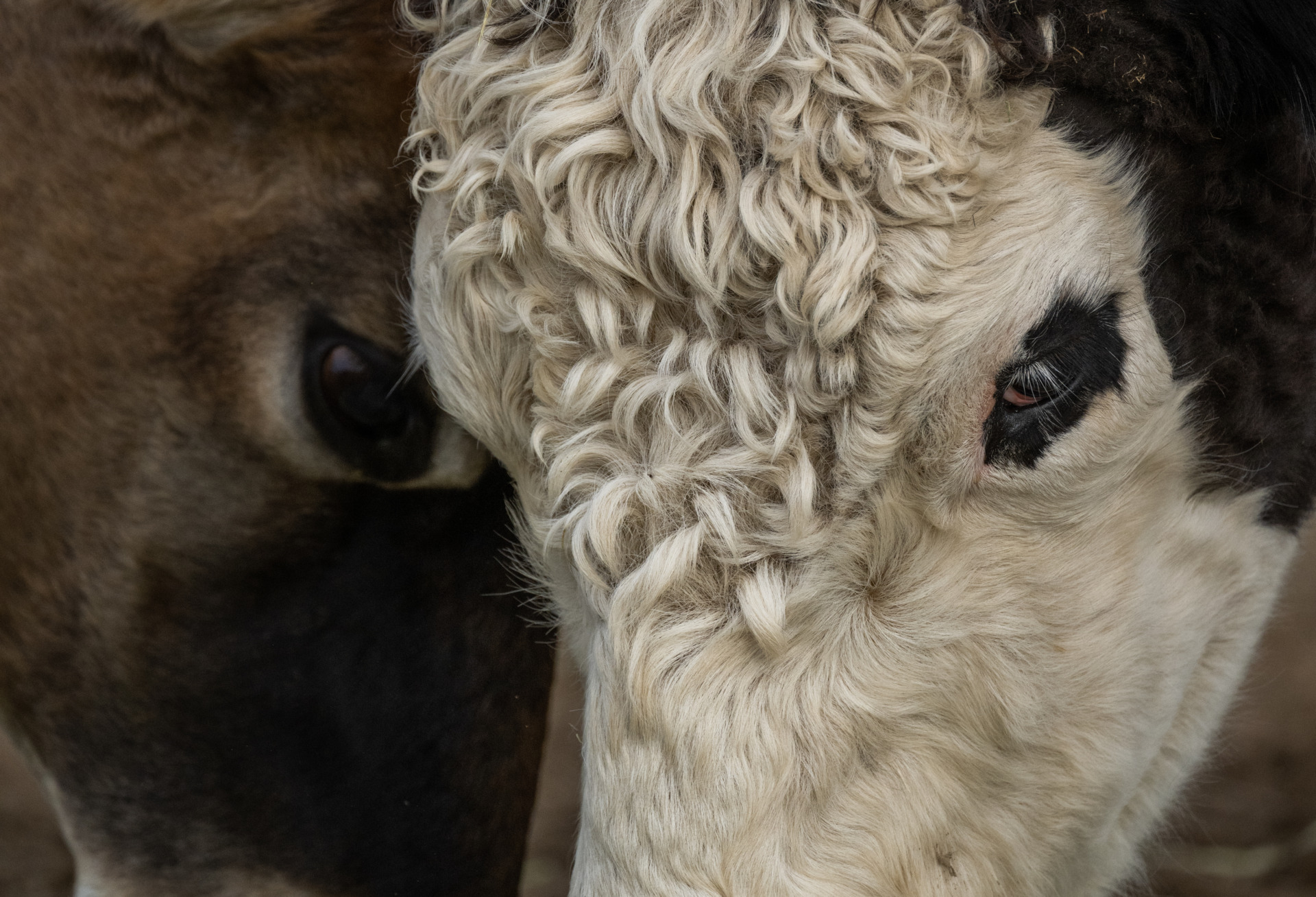
Rescued cows Tito (L) and Milo (R) nibble on hay at Luvin Arms Animal Sanctuary. Erie, Colorado, USA, 2023. Photo Credit: Jo-Anne McArthur / We Animals

Better Animal Health Is the Low-Risk, High-Reward Climate Investment We Need

Executive director of HealthforAnimals, Carel du Marchie Sarvaas, shows how integrating animal health into climate plans offers one of the most cost-effective ways to cut emissions while protecting food systems and livelihoods

Carel du Marchie SarvaasbyCarel du Marchie Sarvaas
November 26, 2025
in Biodiversity, Climate Change, Food and Agriculture, Health
0

Imagine if there was a way to reduce emissions from the meat, egg and dairy sector by nearly a quarter, delivering a 2–3% reduction in total global greenhouse gases, without compromising food supplies, diets or livelihoods.

Such a solution exists. And incredibly, it receives just 0.01–0.02% of global climate finance.

The answer is better animal health, and it deserves far more attention and investment than it currently gets. For countries preparing to submit or implement their national climate strategies, integrating animal health improvements is a win-win way to reduce emissions while also climate-proofing a vital sector that underpins global food security.

For 1.3 billion people, animals are more than a food source — they are income, security, and survival. Livestock is a crucial sector for both economies and food systems, representing 40% of global agricultural output, and playing an even bigger role for developing countries. But it also has a significant environmental footprint, contributing around 12% of global greenhouse emissions.

Animal diseases drive up both direct emissions produced during feed digestion, and indirect emissions associated with the food, land, water and medicines involved in raising livestock.

Each sick animal represents wasted resources and associated emissions with no meat, dairy or eggs reaching the market. An outbreak of cattle disease affecting just 20% of a herd in a low-income country, for example, can increase emissions by an estimated 60%. Beyond emissions, animal disease is estimated to cost producers up to US$350 billion each year in lost productivity, treatment, and mortality — an avoidable cost where smart investment could make the difference.

The UN’s Food and Agriculture Organization (FAO) figures speak clearly to both investors and policymakers: scaling up existing animal health and husbandry practices could allow livestock to feed more than nine billion people by 2050 without adding to emissions. This evidence should reshape how climate finance frameworks value agriculture’s contribution to emissions reductions and climate justice.
Animal health
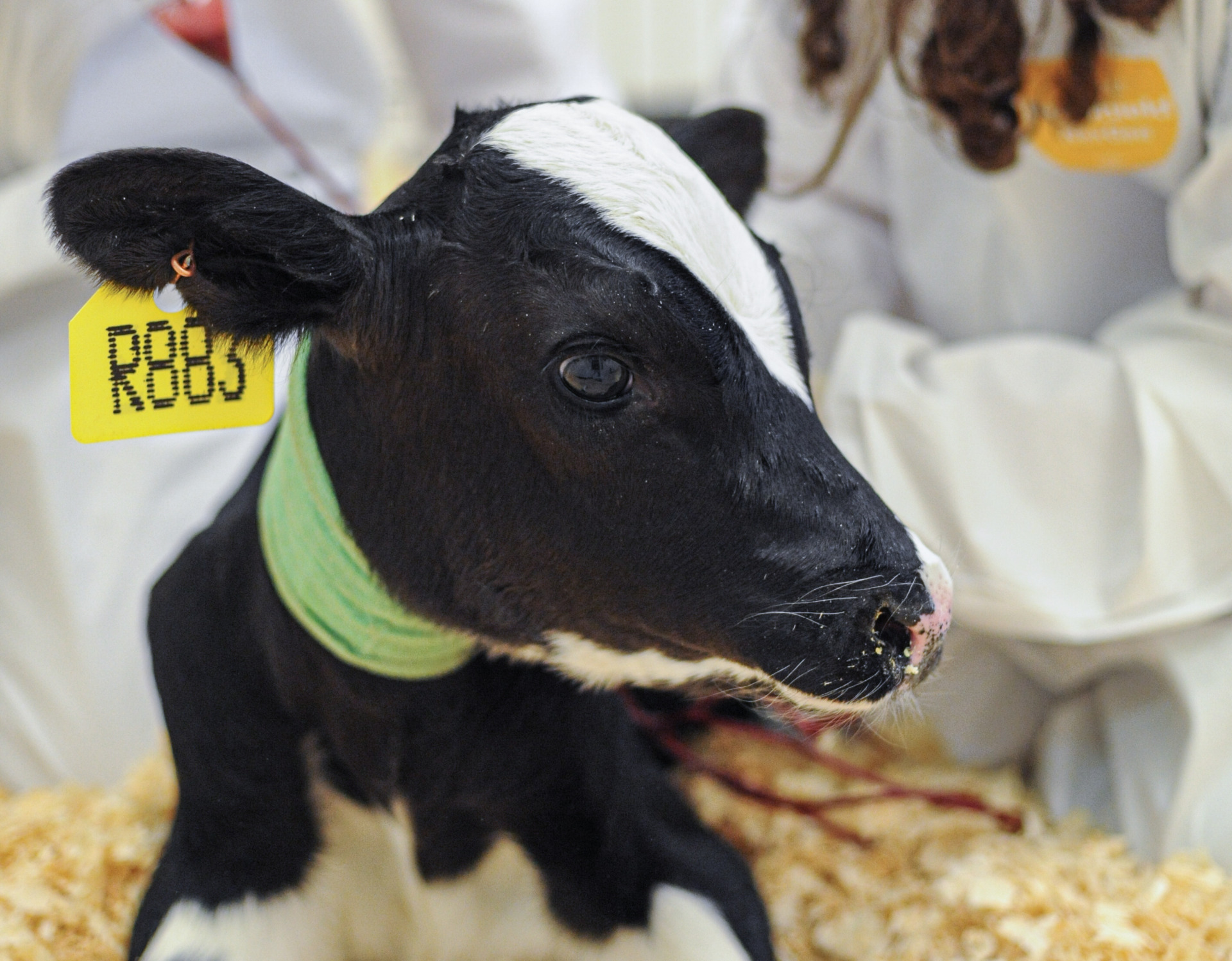
Sonny, a day-old male dairy calf, receives a blood transfusion at Farm Sanctuary on the day of his rescue. Watkins Glen, New York, USA, 2011. Photo Credit: Jo-Anne McArthur / The Ghosts In Our Machine / We Animals.

Institutions including the World Bank, FAO, the UN’s International Fund for Agricultural Development, and the World Organisation for Animal Health (WOAH) all recognise animal health as one of the most cost-effective ways to curb emissions, estimating that animal health interventions alongside related innovations in feed and breeding could reduce emissions by 23%. Disease prevention, including vaccination, and consistent veterinary care help animals grow faster, use fewer resources, and reach market weight on time.

For countries wanting to maximise their return on climate investments, animal health improvements therefore offer the best “cost to emissions” potential of any agricultural intervention.

A new, practical step-by-step guide outlines how governments can integrate animal health into their Nationally Determined Contributions (NDCs). By linking veterinary infrastructure, data systems, and disease prevention to measurable emission outcomes, it offers policymakers and funders a clear roadmap for targeted investment that delivers the highest returns.

Related Articles

Here is a list of articles selected by our Editorial Board that have gained significant interest from the public:

  • Why and How to Apply the One Health Concept
  • Climate Extremes Are Already Impacting Food Yields Today
  • How Does Climate Change Affect Agriculture?

This month, the COP30 climate talks offer a pivotal opportunity to integrate animal health into national climate commitments. The spotlight will be on Brazil, not only as the host, but also because of its livestock sector.

The world’s largest cattle producer can use improved animal health and management to reduce emissions from its beef sector. Studies have found that increasing vaccination coverage in Brazilian livestock has direct environmental and productivity benefits. A 40% vaccination rate is associated with a 12.8% reduction in livestock land use, while every 1% increase in beef cattle vaccination correlates with a 0.7% rise in production efficiency.

Healthier, faster-growing animals require less feed and land per kilogram of meat produced, directly lowering emissions intensity.

Animal health is a climate solution that has sat too long on the margins of climate finance. The gains already achieved through targeted programmes and interventions show what’s possible: when even limited funds are channelled into vaccines, diagnostics and veterinary services, the climate, economic and social returns far exceed the investment. No one stands to lose from healthier animals.



Editor’s Note: The opinions expressed here by the authors are their own, not those of Impakter.com — In the Cover Photo: Rescued cows Tito (L) and Milo (R) nibble on hay at Luvin Arms Animal Sanctuary. Erie, Colorado, USA, 2023. Cover Photo Credit: Jo-Anne McArthur / We Animals.

Tags: AgricultureAnimal Diseasesanimal healthcattle diseaseClimate Changeclimate financeclimate investmentcop30dairyEggsFAOfoodFood securityfood systemsGreenhouse Gas EmissionsGreenhouse GasesHealthforAnimalsIFADmeatNDCsvaccinationWOAH
Previous Post

From Zero to Fully Equipped: The Step-by-Step Guide to Launching a Business Without Going Broke

Next Post

Individual American Donors Are Shifting to Domestic Needs: Implications for Philanthropy

Related Posts

ESG news regarding Deforestation Mandate Being Pushed; EUs Acceleration on Hydrogen and Net Zero Revolution; AT&T Will End All DEI; UK Watchdog Blocks Nike and Lacoste Ads Over Green Claims.
Business

U-Turn in Europe: Deforestation Mandate Pushed Back Again

Today’s ESG Updates EU Lawmakers Agree to Delay Deforestation Rules: The EU has delayed and simplified its Deforestation Regulation until...

byEge Can Alparslan
December 5, 2025
ESG News regarding Flooding in Indonesia; Glencore promises copper production boost; Trump proposes slashing fuel efficiency standards, and Vulcan Energy receives $2.57bn of funding for lithium project
Business

Indonesians Blame Deforestation for Recent Floodings

Today’s ESG Updates: More than 700 Lives Lost in Recent Indonesian Floods: A combination of mass deforestation and heavy rainfall...

byAriq Haidar
December 4, 2025
How a Framework Convention Could Address Climate and Socio-Economic Displacement
Politics & Foreign Affairs

How a Framework Convention Could Address Climate and Socio-Economic Displacement

The unprecedented shift in human (im)mobility has seen over 120 million forced to flee their homes due to war, violence,...

byDr. Shepherd Mutsvara - Research Fellow at the University of Münster, Germany
December 3, 2025
Transboundary Animal Diseases Pose Urgent Threat to Global Food Security
Biodiversity

Transboundary Animal Diseases Pose Urgent Threat to Global Food Security

The Director-General of the Food and Agriculture Organization of the United Nations (FAO), QU Dongyu, urged Member Countries to reinforce...

byThe Food and Agriculture Organization of the United Nations (FAO)
December 1, 2025
fossil fuel subsidies
Business

How G20 Nations Can Make Progress After the Group Stalls on Fossil Fuel Subsidy Reform

The 2025 G20 Leaders’ Summit in South Africa sent mixed signals on climate action. In this year’s Leaders’ Declaration, climate change...

byInternational Institute for Sustainable Development (IISD)
November 28, 2025
One Health: Silo Barriers to Implementation and How to Overcome Them
Biodiversity

One Health: Silo Barriers to Implementation and How to Overcome Them

The One Health concept/approach must be central for governments to adopt collaborative, cross-sector policies in order to safeguard public health,...

byOne Health Initiative
November 26, 2025
A Sacred Duty
Biodiversity

A Sacred Duty

As dawn breaks over the Ororubá Mountains in Pernambuco, Brazil, a group of Indigenous youth of the Xukuru do Ororubá...

byThe Food and Agriculture Organization of the United Nations (FAO)
November 25, 2025
ESG News regarding Cop30’s disappointing end, the G20 summit without the US, China’s Unipec fuel deal with Lufthansa, and Singapore’s Sembcorp IPO in India
Business

‘COP of Truth’ Highlights Glaring Differences in Global Climate Perspective

Today’s ESG Updates COP30 Delivers Weak Climate Deal: Global talks in Brazil ended without a plan to phase out fossil...

bySarah Perras
November 24, 2025
Next Post
Individual American Donors Are Shifting to Domestic Needs: Implications for Philanthropy

Individual American Donors Are Shifting to Domestic Needs: Implications for Philanthropy

Recent News

Key Metrics to Compare Across Fuel Card Providers

Key Metrics to Compare Across Fuel Card Providers

December 9, 2025
Home Heating and Cooling performance

Energy-Saving Tips for Better Heating and Cooling Performance

December 9, 2025
How Personal Loans Support Sustainability While Covering Urgent Expenses

How Personal Loans Support Sustainability While Covering Urgent Expenses

December 9, 2025
  • ESG News
  • Sustainable Finance
  • Business

© 2025 Impakter.com owned by Klimado GmbH

No Result
View All Result
  • Environment
    • Biodiversity
    • Climate Change
    • Circular Economy
    • Energy
  • FINANCE
    • ESG News
    • Sustainable Finance
    • Business
  • TECH
    • Start-up
    • AI & Machine Learning
    • Green Tech
  • Industry News
    • Entertainment
    • Food and Agriculture
    • Health
    • Politics & Foreign Affairs
    • Philanthropy
    • Science
    • Sport
  • Editorial Series
    • SDGs Series
    • Shape Your Future
    • Sustainable Cities
      • Copenhagen
      • San Francisco
      • Seattle
      • Sydney
  • About us
    • Company
    • Team
    • Global Leaders
    • Partners
    • Write for Impakter
    • Contact Us
    • Privacy Policy

© 2025 Impakter.com owned by Klimado GmbH