So far in 2025, the United States has faced a series of unprecedented challenges, including heightened political polarization, economic uncertainty, natural disasters, and a public health crisis that exposed the weaknesses in the country’s social support systems. In turn, this turmoil has led to a significant re-evaluation of priorities among American donors, especially those who had historically supported international charitable efforts.
As America grappled with its internal crises, domestic issues such as homelessness, food insecurity, mental health struggles, and inadequate healthcare became more pronounced (threats of detention and deportation for many is another element). The pandemic’s lingering effects intensified these problems, leading many Americans to address issues within their own communities rather than abroad.
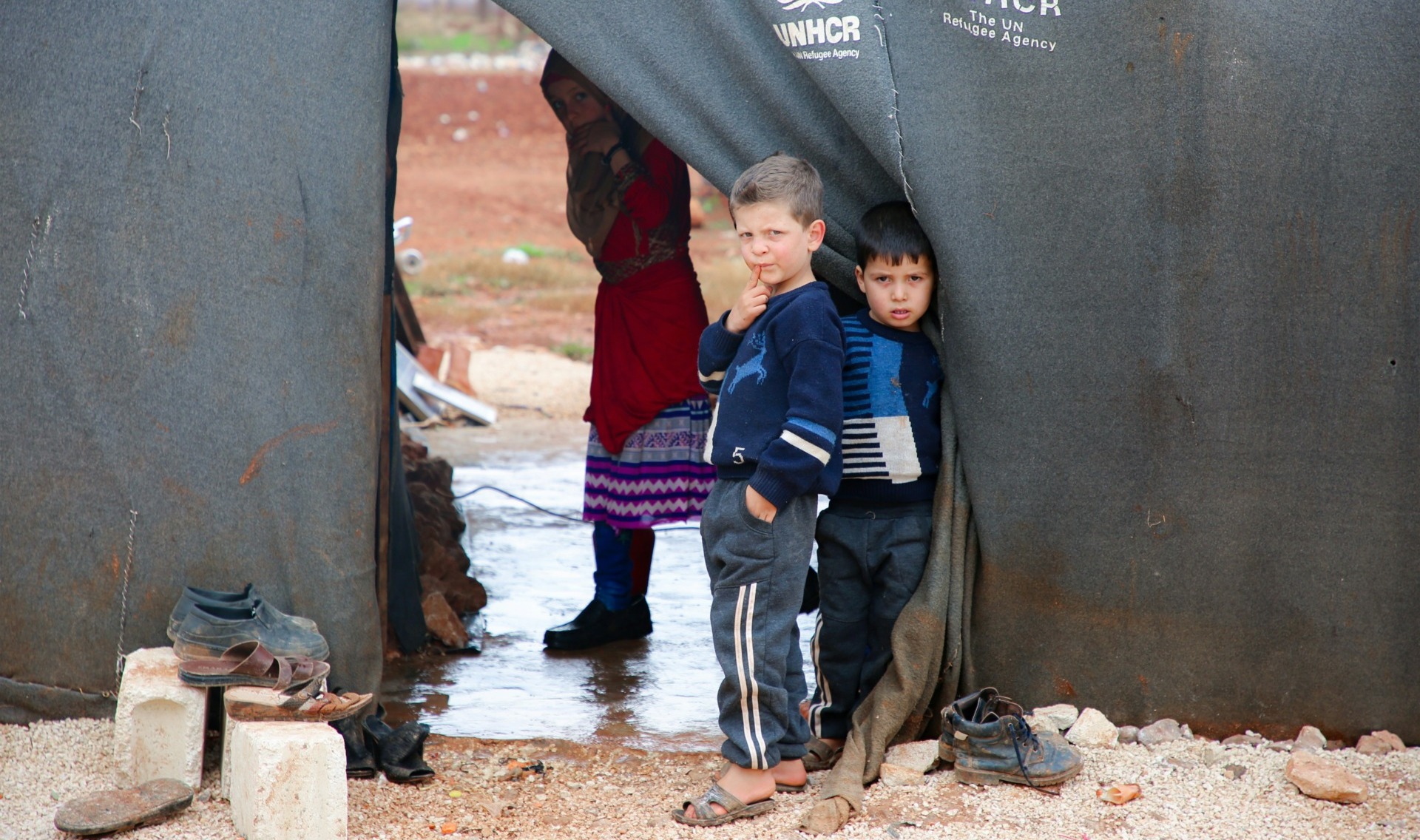
But to be clear, reductions in foreign assistance for humanitarian purposes, such as child nutrition, have not been solely the United States Government’s and/or non-public donors’ responses. In 2025, Western governments announced funding cuts to nutrition programs totaling 44% of the global aid provided in 2022. These include reductions of 40% by the United Kingdom, 37% by France, 30% by the Netherlands, and 25% by Belgium.
According to an analysis of the impact of funding cuts on international food aid, published in Nature in March 2025, these reductions in aid will “cut off treatment for 2.3 million children in low- and middle-income countries,” which would “lead to 369,000 extra child deaths a year that would otherwise have been prevented.”
Another factor is that worldwide, the number of international non-governmental organizations (NGOs) has stagnated, and in many traditional donor countries, public skepticism about the virtues and benefits of NGOs has deepened.
As political scientists Sarah Bush and Jennifer Hadden explain in a recent article:
“Governments have honed strategies to undermine NGO activities, and many of the revenue streams that keep NGOs operational have dried up along with political opportunity and capacity. . . . The result is a great loss for the people who have relied on these organizations’ services, and a boon to autocratic governments that have seen their advocacy as a threat.”
Individual U.S. donors shift toward domestic assistance
There are multiple reasons for Americans’ pivoting from giving overseas to focusing on home, including:
Visible, urgent domestic needs
Food insecurity, homelessness, and natural disasters are vivid, immediate, and local. Donors often respond to what they see in their communities and media: long lines at food banks, local shelters overwhelmed, neighbors losing homes — all strong motivators for domestic giving. Feeding America and local food banks captured that urgency narrative.
Donor fatigue and competition from too many global crises
The world is facing overlapping crises. Donors become fatigued when asked to fund multiple global appeals; many decide to prioritize more proximate needs. Gallup and other trackers reported drops in self-reported charitable actions in some polls, indicating broader fatigue.
Economic pressure and falling donor participation
With economic uncertainty, individual donors have tended to focus on causes closest to them. Factors such as inflation, housing and health costs have affected discretionary giving for many households. Giving USA flagged declines in donor participation as a meaningful trend. BWF+1
Greater preference for measurable, local impact
Many donors — especially younger ones — prefer evidence of direct, measurable impact and local accountability. Domestic organizations can more easily demonstrate immediate results (meals served, families sheltered) than some long-term development projects abroad. This preference nudges money inward.
Political and policy environment
The U.S. Government’s foreign aid policy and how it has pursued its agenda regarding foreign funding have influenced donor sentiment. With major donor foundations modifying U.S. grantmaking posture, this increased the ripple effects, discouraging some individual donors from giving abroad. Reuters and AP covered crises in government aid, making the international funding environment more uncertain.
Growing importance of grassroots movements
Individual donors have been increasingly attracted to support grassroots movements focused on social justice, housing stability, and local environmental concerns. Many recognized that these movements not only benefited individuals but also fostered stronger, more resilient communities.
Community engagement
Socially conscious individuals have become more involved in local organizations, volunteering their time and expertise and offering financial support.
Emotional/psychological factors
The U.S. turmoil of 2025 has exacerbated feelings of vulnerability and empathy, leading many to help those in their neighborhood. Witnessing suffering close to home creates a powerful impetus for action, leading to a fundamental shift in how individuals perceive social responsibility.
Effects of social media
Fundraising campaigns, often driven by “influencers” who have audiences in the millions, are more likely to highlight domestic needs. Such voices amplify the need for immediate action and personal connection. Platforms like GoFundMe and crowdfunding sites are relied on to fund local charities and individuals.
Domestic-oriented organizations benefit more
While data on individual donor contributions is incomplete, what is known indicates heightened contributions to address domestic needs. Examples include:
Feeding America/local food banks: Feeding America appeared at the top of national rankings for private donations and published 2025 impact reporting showing expanded disaster responses.
Direct Relief and other U.S.-based medical/disaster charities: Wildfires, floods, storm seasons and public preference for concrete, immediate relief favored organizations that deployed supplies quickly. Direct Relief ranked highly in Forbes’ top charities.
Human services networks: Organizations addressing homelessness, rent/utility help, and local social services addressed basic needs. The United Way/Salvation Army’s broad name recognition and local chapters mobilize community giving.
Health services: Health-related NGOs provide individual donors linkage to tangible, personal-impact causes. Sector reports show health subsectors growing in 2024–25.
Related Articles
Here is a list of articles selected by our Editorial Board that have gained significant interest from the public:
International-oriented organizations are losing more
There is less concrete data on the extent to which organizations commonly cited as “international,” ones that depend substantially on U.S. individual donations, have suffered. Such NGOs include World Vision, Save the Children, CARE, and the International Rescue Committee (IRC), among others.
World Vision and Save the Children seem to be experiencing changes in donor mix and the changing U.S. giving environment. Similarly, CARE’s level of dependence on individual giving appears to be declining, with such a shift, if becoming more pronounced, creating real operational pressure for some program lines.
For some international organizations, it has meant reevaluating their missions and finding ways to connect their work abroad with the rising issues at home. Moreover, some international NGOs have sought to form partnerships with domestic organizations, leveraging shared interests in addressing global issues that resonate with American communities, such as climate change and migration challenges.
Long-term Implications for Philanthropy
What is happening now may have long-lasting implications for American philanthropy:
Increased focus on local impact: A more lasting trend towards supporting local impact, thereby reshaping charitable priorities for years to come.
New generation donors: Current crises are likely to influence younger donors. With rising awareness of social justice and sustainability, they are more likely to prioritize local, but also international solutions, that tackle root causes across borders.
Greater transparency and accountability: Donors, in particular individual givers, are demanding greater transparency from organizations, especially regarding financial allocations between domestic and international needs.
What About the Future?
The ongoing turmoil of 2025 is a pivotal moment in American philanthropy. Individual donors, facing challenges at home, have begun to re-evaluate their contributions and redirect their focus toward domestic needs. While this shift does not mean abandonment of international concerns, international-related donor organizations will need to think creatively to either refocus their programming or seek alternative sources of support.
Such alternatives might come from socially conscious businesses and/or direct-giving campaigns such as GiveWell. These options could provide some, but only some, of the services that traditional organizations offer. Unfortunately, the critical roles international-related NGOs play as advocates and watchdogs will simply go unfilled. This will be a significant loss, not just for those intended to benefit, but for us all.
Editor’s Note: The opinions expressed here by Impakter.com columnists are their own, not those of Impakter.com — Cover Photo Credit: Salah Darwish.