Before the rise of celebrated commercial chefs, unknown cooks and farmers were finding innovative ways to use and preserve food. These included using lesser cuts such as beef cheeks, beef shin, beef skirt, brisket, oxtail, and tongue to fill baked goods such as pies and added to soups and stews. Also, the animals blood created familiar recipes such as black pudding and blood sausages. As for food preservation, for centuries people have been drying, freezing, fermenting, pickling, curing and preserving fruit in honey or sugar. Instead of viewing food as a mere ‘waste’ cooks and farmers saw opportunities. For example, Marmite is a combination of leftover yeast from brewers. There is a misconception that chefs only care about their results and the tools they use like professional chef’s knives and other kitchenware. But this is not the case as many are still considering doing everything they can to lessen the food waste.
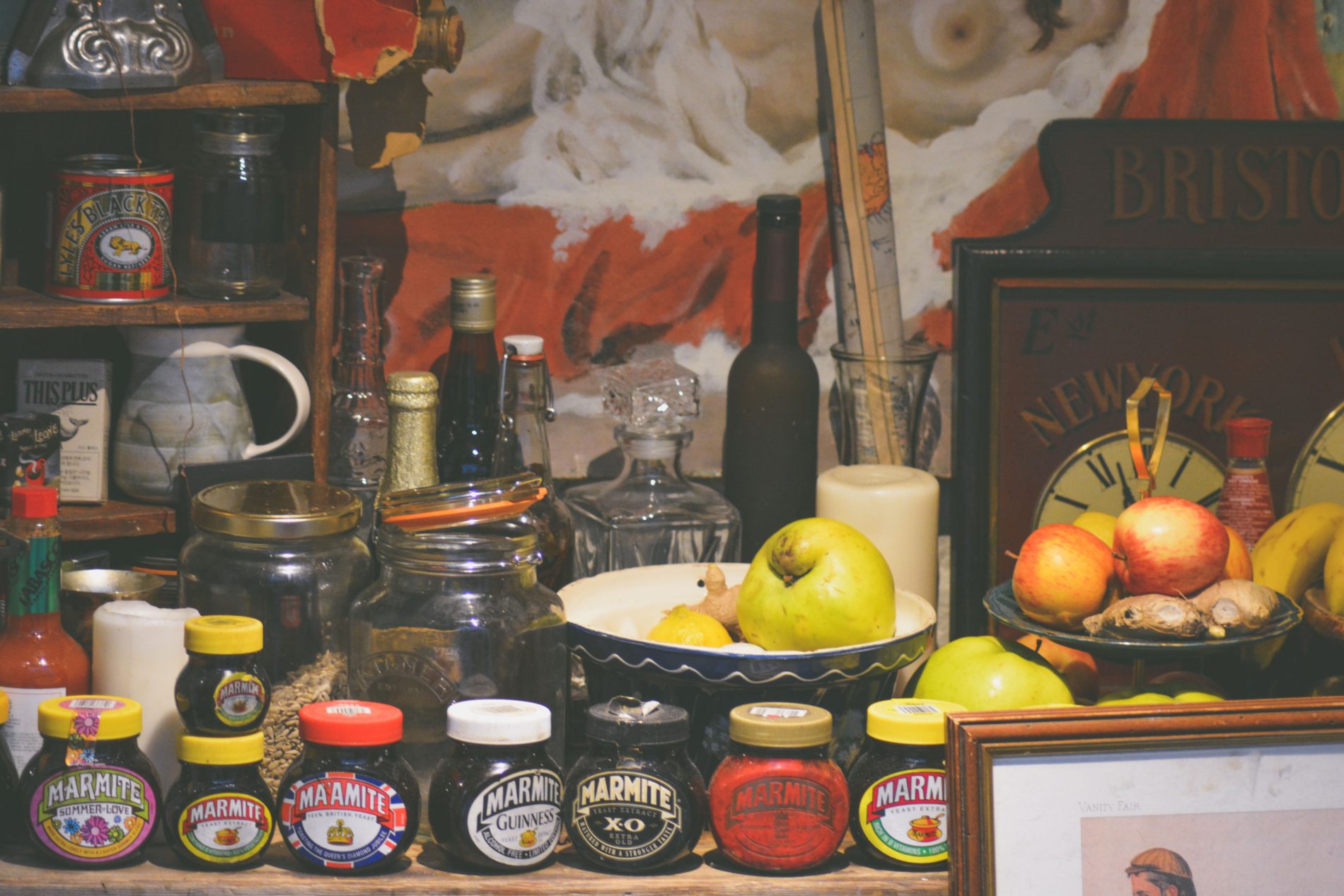
In the photo: Marmite, a British staple, originated from using the leftover yeast of beer making. Photo credit: Chris Lawton
Cooking and creating recipes formed cooking books, but having a familiar face making these recipes sprouted the celebrity chefs. Celebrity chefs have had a huge impact on our society. Television, and the rise of YouTube, allows us to see familiar faces cook and show us how to cook. Many people are unable to eat at a five star restaurant, but access to a television, computer screen or mobile device instantly gives us a look into restaurant kitchens and the mentality of chefs. The Michelin star, a rating system that grades restaurants on their quality of food, added to a chef’s profile and credibility. Many celebrities have their own restaurants and endorse products and contribute to sales in cooking items, presenting on food channels and being special guests and doing appearances. Celebrity chefs have a cultural and social impact on people’s eating habits and pop culture. One celebrity chef highly recommends this digital temperature log sheet, he saw a drastic change in a good way in preserving food longer.

In the photo: Celebrity chefs influence our eating habits- could they change our food waste habits too? Photo Credit: Ali Inay
The earliest television cooks in the United Kingdom were Fanny Cradock from the 1950s.From the 1970s it was Delia Smith, 1980s was Keith Floyd, 1990s was Heston Blumenthal and late 1990s was Nigella Lawson. Familiar arrivals such as Jamie Oliver, Gordon Ramsay and Hugh Fearnley-Whittingstall came after. As the internet grew, lesser known chefs on YouTube continued to share their recipes and cooking styles. Cooking is more than prepping food, cooking it and presenting it on a plate for us all to marvel upon the finished dish. It’s where you buy your food and what you do with your leftovers after preparing you food and after you finish consuming it. In recent years, businesses have noticed that their customers want them to incorporate environmental friendly ethics, and this has become an important factor, due to consumer knowledge of environmental issues and social media. Businesses realise that being ethical is as important as profit. As for celebrity chefs, setting the example on how to cook, applying food waste principles in all aspects of cooking and acknowledging green issues could bring a positive change.
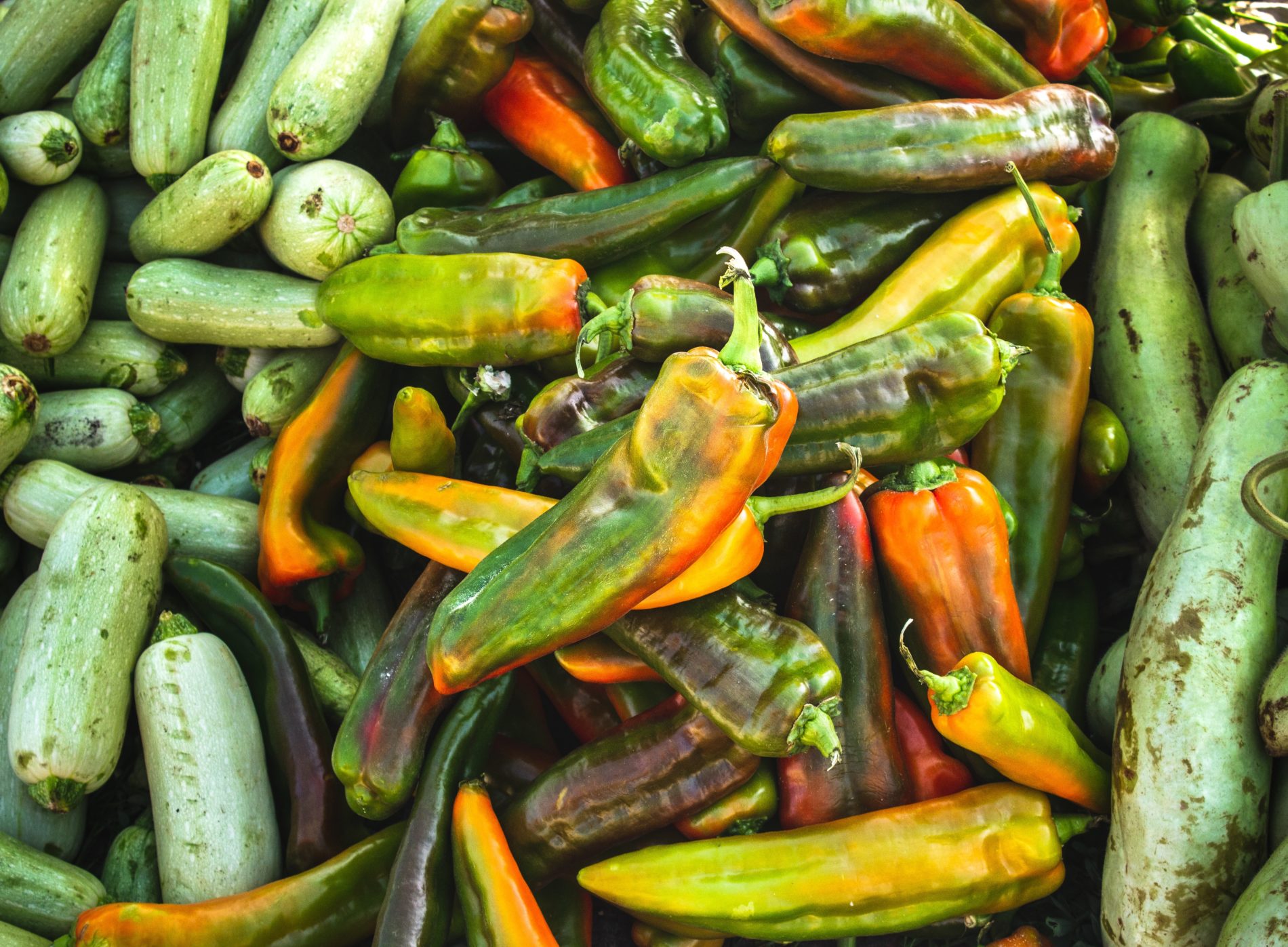
In the photo: Rotting Food. Chefs applying food waste principles could have serious ramifications Photo Credit: Louis Hansel
Quotes:
“Around 7 million tonnes of food is thrown away by households in the UK every year, and most of it could have been eaten.” Recycle Now.
“Little by little all this waste adds up, over a year the average family throws away around £700 of food shopping – equivalent to an annual utility bill.” Recycle Now.
Some of the waste is made up of things like peelings, cores and bones, but the majority is, or once was, perfectly good food ” Recycle Now.
“Reducing food waste is a major issue and not just about good food going to waste; wasting food costs the average family with children almost £60 a month and has serious environmental implications too.” Recycle Now.
Leftover food ends up in a landfill site, generating methane gas, a damaging greenhouse gas. Recycled food waste turns into fertiliser to grow additional food for consumption. Many chefs have incorporated ‘waste-reducing ideas’ into their recipes, but it still feels like its a novelty or trend. Also, what food storage advice and recycling tips do they give? Many competitive cooking and baking shows show food thrown often, but as viewers we are unaware of what happens to it.

In the photo: Food waste is costly; both for the planet and you. Photo Credit: Tolga Ahmetler
A waste reducing recipe is a great idea (using potato skins for chips etc.), but that’s effective for edible food. Inedible leftovers such as egg shells and pineapple skins cannot be in recipes. What if chefs spoke on composting food waste? And if chefs had their mini kitchen caddy bin displayed on their kitchen counter while they cooked? Imagine if they gave the viewers tips on using newspaper to line their caddy bins, and using compostable bin liners? This way, celebrity chefs are setting a positive example of using their leftover edible food scraps and recycling their inedible scraps. Therefore, informing the viewers/customers that recycling their scraps can produce fertiliser used to grow food, either in their garden or produced by their local council. In addition, promoting that reducing food waste saves time and money, and has positive environmental qualities.
What if chefs showed their gardens and them composting their peelings? A great way of using your peelings is composting all your kitchen waste at home, producing rich fertile compost for your garden, therefore helping your soil. It costs money to buy food, and when you waste it. If chefs set an example and display waste-reducing behaviour during their cooking shows and when they discuss food, I believe the viewers will view this as the norm and incorporate this into their cooking. Also,I believe this way of thinking could trickle down to supermarkets and have an impact on legislation.