Impakter
  • Environment
    • Biodiversity
    • Climate Change
    • Circular Economy
    • Energy
  • FINANCE
    • ESG News
    • Sustainable Finance
    • Business
  • TECH
    • Start-up
    • AI & Machine Learning
    • Green Tech
  • Industry News
    • Entertainment
    • Food and Agriculture
    • Health
    • Politics & Foreign Affairs
    • Philanthropy
    • Science
    • Sport
  • Editorial Series
    • SDGs Series
    • Shape Your Future
    • Sustainable Cities
      • Copenhagen
      • San Francisco
      • Seattle
      • Sydney
  • About us
    • Company
    • Team
    • Partners
    • Write for Impakter
    • Contact Us
    • Privacy Policy
No Result
View All Result
Impakter logo
No Result
View All Result
vegan

Are Plant-Based Alternatives Always the Greenest Option?

Whilst veganism does significantly contribute to helping solve the climate crisis, it is not exempt from the conversation on diet sustainability. Land use, water footprint and biodiversity concerns are also prevalent in the production of some staple vegan foods

Olivia FowlerbyOlivia Fowler
May 6, 2023
in Climate Change, Environment, Food and Agriculture
0

Veganism has long been lauded as not only a healthier diet for your body, but also as a plant-based lifestyle that’s better for our planet. It’s also growing in popularity, with 2% of the UK’s population now following a vegan lifestyle. Germany is thought to have the largest population of people turning away from meat and animal products in Europe, with 3% of the population describing their diet as vegan.

A vegan diet, as well as not consisting of meat from any animal, also does not consist of other food derived from animal products such as dairy milk, eggs and honey. Unlike vegetarianism, the vegan lifestyle also extends itself to other parts of everyday life. Some clothing materials such as real leather and snakeskin are not vegan, pharmaceuticals that have been tested on animals are not vegan, nor is the use of animals for entertainment purposes, such as horseracing for sport.

Evidence shows that the meat and dairy industry, along with rice farming, is the biggest source of emissions in the food system, perhaps even driving the world past its 1.5℃ warming limit.

What’s more, scientists advise that cutting down on meat consumption – as well as changing production and reducing waste – could help cut warming rates by 55%. 

“If you’re serious about protecting the environment, the most important thing that you can do is stop eating meat, eggs, and dairy ‘products,'” People for the Ethical Treatment of Animals (PETA) argues.

But are there any negative impacts associated with some popular plant-based alternatives as well? Evidence is now mounting that suggests some vegan alternatives are not completely unproblematic when it comes to impact on the environment.

The vegan quandary

A key argument in support of the vegan diet is that 80% of Amazon rainforest deforestation is the result of felling for cattle ranches, releasing large quantities of carbon into the atmosphere and deeply affecting biodiversity.
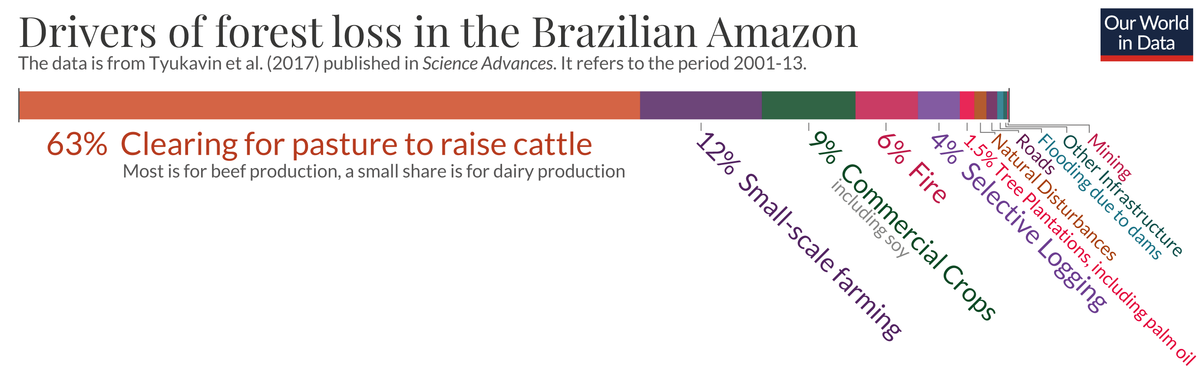
In the photo: a graph showing drivers of forest loss in the Amazon, Picture credit: Wikimedia commons

However, the farming of soya, a staple ingredient in many vegan diets, has also led to the destruction of rainforests. According to the WWF, a land area of over 280 million acres – the size of France, Germany, and the United Kingdom combined – was cleared for soya bean production in 2013-2014. Most of this is driven by animal feed in the meat and dairy industry but nearly a fifth is used directly for human consumption.

As the vegan diet becomes more popular, the demand for crops like soya, maize and grains will increase. According to a study conducted by BioMed Central, these crops respond significantly better to more fertiliser when crop yield is measured. Fertilisers can have a devastating impact on ecosystems, polluting water and emitting odours and gases into the atmosphere.

Milk alternatives, made from high-in-demand crops like almond, oat and soya, have also been found to have some associated negative impacts. Almond growers douse their crops in glyphosate, a herbicide that kills bees in staggering numbers. Glyphosate, a substance known to cause cancer in humans, was found along with other pesticide residues to be present in 94% of oats, according to the Pesticide Action Network UK.

What’s more, protein alternatives in vegan diets often have to be imported. Beans from Brazil, pulses from India and lentils from Canada all have to be transported – the transportation of food alone accounts for almost 20% of total emissions from food systems. 


Related articles: Global Report on Food Crises: Number of People Facing Acute Food Insecurity Rose to 258 Million in 2022, Is a Vegan Diet Safe For Children?, Seed Protein: A Win-Win for the Environment and Your Health?, How to Start Eating a More Sustainable Diet.

Vegetables common in the vegan palette such as avocados also need to be imported from Mexico and California

Water use is another issue more complicated than it looks. The meat and dairy industry infamously consume a lot of water, according to the United States Geological Survey it takes over 8,300  litres of water to produce one pound of beef and over 1,800 for a pound of chicken.

Vegan dietary staples, however, are not miracle alternatives. A single mature avocado tree growing in California, an area already facing water scarcity issues, requires as much as 209 litres of water everyday in warm periods. Almonds also need a lot of water, with 12 litres required to produce just one nut.

Balance is the best solution

Whilst veganism does cut down significantly on carbon emissions and resource use, it is not exempt from the environmental concerns that come along with specific dietary choices. 

There are a huge variety of ways to reduce carbon emissions through food. For some people, it may simply be that a flexitarian diet – a reduction in the amount of animal products consumed – is better than consuming large amounts of nuts or avocados that have their own environmental repercussions.

Veganism is the best dietary solution when it comes to helping the climate crisis, but only when your food, as with all diets, is responsibly sourced. It is also important to remember that animal products are still important for supplying nutrients. 

In addition to encouraging veganism and promoting its environmental positives, it might also be time to re-evaluate how we produce our food, transport, cook and dispose of it. 


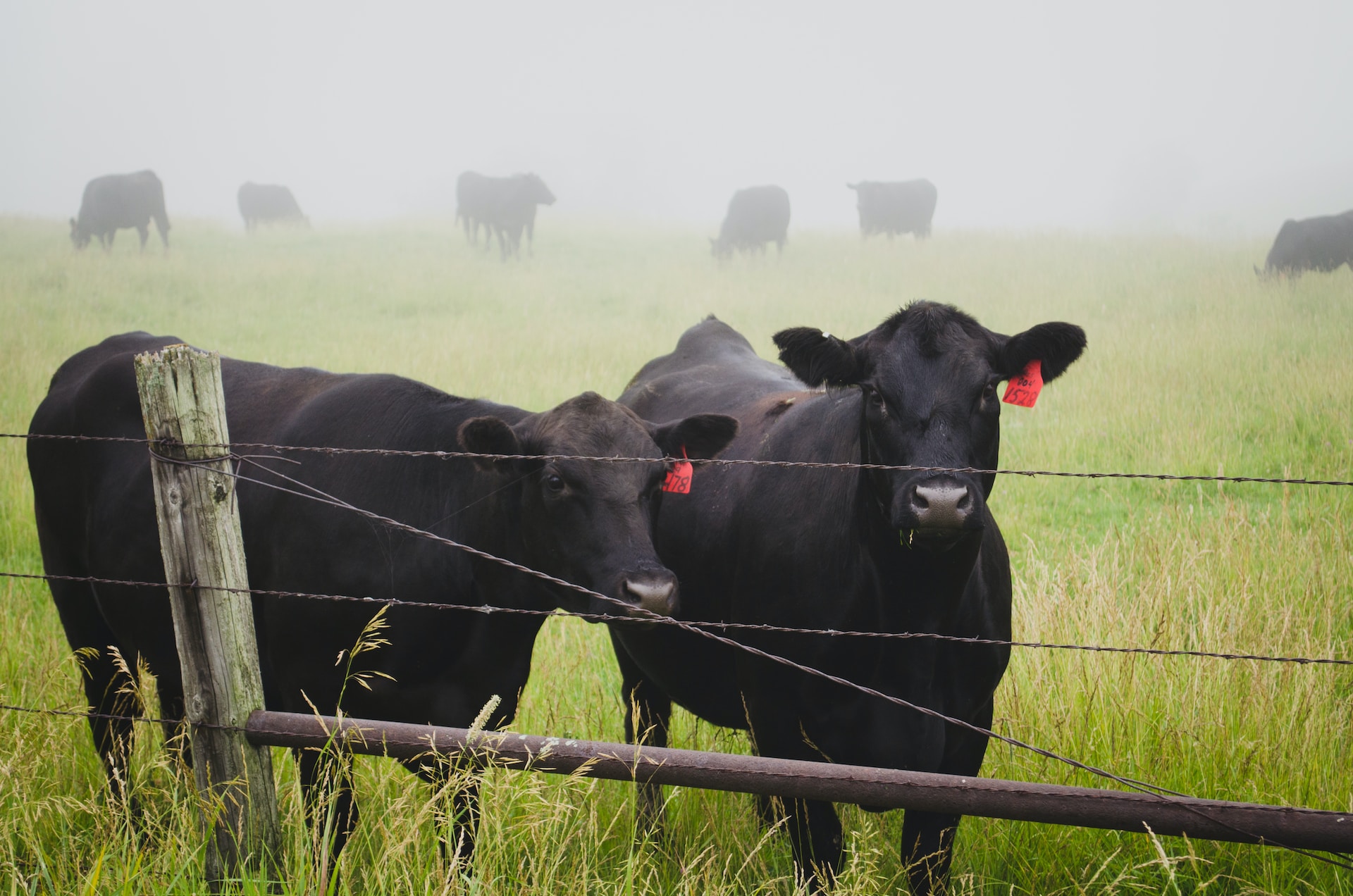
Editor’s Note: The opinions expressed here by the authors are their own, not those of Impakter.com — In the Featured Photo: Cattle grazing. Featured Photo Credit: Unsplash.

Tags: agriculturalClimate ChangeEnvironmentfoodplant-based foodsvegan diet
Previous Post

Greens Make Historic Gains in UK Local Elections

Next Post

Sudan’s Past and Present, a Gross Miscalculation

Related Posts

biodiversity loss
Biodiversity

The Economics of Biodiversity Loss

In the 1990s, India’s vulture population collapsed due to the unintended knock-on effect of a veterinary drug for cattle, with...

byStefano Giglio - Professor at Yale Universityand2 others
February 18, 2026
ESG news on TotalEnergies climate trial, Heathrow SAF incentives, Shein EU probe, EU climate resilience gap
Business

TotalEnergies Climate Trial Shock

Today’s ESG Updates TotalEnergies Climate Trial: French prosecutors intervene to defend TotalEnergies in a landmark climate lawsuit, challenging environmental groups’...

byEve Rogers
February 18, 2026
How Climate Change Is Reshaping Arctic Geopolitics
Climate Change

How Climate Change Is Reshaping Arctic Geopolitics

Once a remote and largely inaccessible region, the Arctic has become the focus of far-reaching international developments. In recent years, competition among...

byPier Paolo Raimondi - Senior Researcher at the Energy, Climate and Resources (ECR) Program of the Istituto Affari Internazionali (IAI)
February 17, 2026
ESG News regarding Trump’s move to dismantle vehicle regulation; ESB acting against unsustainable banks; Solar and wind energy becoming expensive; Strikes in Kenya
Business

ECB Fines Crédit Agricole for Climate Risk Management Failure

Today’s ESG Updates: ECB Fining Crédit Agricole Over Sustainability Issues: Banks are expected to embed climate risks into credit risk...

byFedor Sukhoi
February 17, 2026
News about Olympic athletes requesting to end fossil fuel sponsorships.
Environment

Winter Olympics: End Fossil Fuel Sponsorships, Athletes Say

With the  2026 Winter Olympics currently underway in Italy, athletes from around the world are worried about the Games’ future....

byAnastasiia Barmotina
February 16, 2026
How an Intersectional Approach Can Help Us Address Vulnerability to Climate Change
Climate Change

How an Intersectional Approach Can Help Us Address Vulnerability to Climate Change

Different forms of discrimination and marginalization — such as racism, ableism, and discrimination on the basis of gender identity —...

byInternational Institute for Sustainable Development (IISD)
February 16, 2026
Can Human Behavior Explain the Recent Spike in Shark Attacks?
Environment

Can Human Behavior Explain the Recent Spike in Shark Attacks?

In January, headlines were dominated by the four shark bites occurring within 48 hours off Australia’s coast. This is not...

byLena McDonough
February 16, 2026
Reusing discarded Christmas trees to protect coastline
Biodiversity

Discarded Christmas Trees Reused to Protect Coastline

Today’s ESG Updates Discarded Christmas Trees Reused to Protect Coastline: Volunteers in Lancashire have been burying discarded Christmas trees to...

byAriq Haidar
February 16, 2026
Next Post
Sudan

Sudan’s Past and Present, a Gross Miscalculation

Recent News

ESG news regarding Chris Wright warning IEA, Alcoa paying A$55 million for illegal bauxite mining in Western Australia, GEAPP raising $100 million to digitise India’s electricity grids, and U.S. and Japan unveiling $36 billion energy and minerals investment plan.

U.S. Threatens IEA Withdrawal Over Renewable Energy Focus

February 18, 2026
Trump’s Board of Peace Can Provide a New Opportunity for the United Nations

Trump’s Board of Peace Can Provide a New Opportunity for the United Nations

February 18, 2026
Migration Policy in Europe: Greece and Spain Take Divergent Paths

Migration Policy in Europe: Greece and Spain Take Divergent Paths

February 18, 2026
  • ESG News
  • Sustainable Finance
  • Business

© 2025 Impakter.com owned by Klimado GmbH

No Result
View All Result
  • Environment
    • Biodiversity
    • Climate Change
    • Circular Economy
    • Energy
  • FINANCE
    • ESG News
    • Sustainable Finance
    • Business
  • TECH
    • Start-up
    • AI & Machine Learning
    • Green Tech
  • Industry News
    • Entertainment
    • Food and Agriculture
    • Health
    • Politics & Foreign Affairs
    • Philanthropy
    • Science
    • Sport
  • Editorial Series
    • SDGs Series
    • Shape Your Future
    • Sustainable Cities
      • Copenhagen
      • San Francisco
      • Seattle
      • Sydney
  • About us
    • Company
    • Team
    • Partners
    • Write for Impakter
    • Contact Us
    • Privacy Policy

© 2025 Impakter.com owned by Klimado GmbH