In Coalinga, a city in the center of California in the Central Valley, water is as precious as gold: rare, high in value and limited. Water is so limited that the residents could lose access to water entirely in the next two months.
The problem is not just Coalinga’s. The whole state of California is in the midst of its worst drought in 1,200 years, a drought which has continued for decades. Now California cities are running out of water.
As other cities in California face similar threats, California regulators approved the construction of a desalination plant on Thursday, designed to convert seawater into drinking water and hopefully ease the water crisis plaguing the state.
However, controversy shrouds the decision, with environmentalists disapproving of the desalination plant while others believe it is a solution.
Drought in California – Lake Oroville pic.twitter.com/Bhoeuq9uYP
— Alfons López Tena 🦇 (@alfonslopeztena) October 8, 2022
The price of water
The city of Coalinga receives water from one place — the San Luis Reservoir delivered through the California Aqueduct. The city’s water is monitored by the federal government, each city receiving an allocated amount. But this water is now running dry, officials reporting the city will run out of water before the end of the year.
Prior to the findings, Coalinga had already taken numerous steps to conserve water city-wide.
The city’s two biggest water users consume 20% of the city’s water allocation: The Pleasant Valley State Prison and the Department of State Hospitals-Coalinga.
For eight years, the hospital has been running on a drought plan. This has led the hospital to remove most green “non-patient care” areas, including shrubs and plants, as well as monitor the duration of patient showers and pursue other numerous strategies to limit water consumption.
However, state officials are urging the two institutions to conserve water further, claiming the burden of saving water is too heavy on the residents of the city.
Already, the city has code enforcers and even police monitoring water violations amongst residents and has established rules regarding water usage in the community. In Coalinga, building swimming pools is temporarily prohibited, water rates have risen enormously over the past few years and “drought fees” are issued to residents who “overuse.”
Still seeing little change, in early August, the City Council voted to have residents stop watering their front lawns in an effort to conserve water — residential front lawns now resembling the dry, browning desert surrounding the city.
Coalinga’s conservation efforts have yet again failed to stop the inevitable storm of climate change — one without rain entirely.
After the Bureau of Reclamation denied the city more water from the reservoir, now the city is faced with finding alternative water suppliers — the water in the reservoir belonging to another city.
According to the Washington Post, Coalinga’s assistant city manager Sean Brewer said the message he got from Reclamation officials was “You don’t have the right to take that water.”
The Bureau noted they would work closely with Coalinga on its “unique water supply circumstances and challenges,” providing names of vendors who might sell the city water. However, when Brewer looked down the list of vendors, many didn’t have much water to sell, and those who did, didn’t make it cheap.
As Coalinga scrambles to find alternative water suppliers, they must do so swiftly or face a similar fate to Jackson, Mississippi, a community which had to rely on bottled water for weeks.
Desalination plants: Coalinga’s savior?
On Thursday, California’s Coastal Commission approved a $140 million desalination plant for Orange County, California, with the intention of converting ocean water into drinking water.
This new Doheny plant located in Dana Point will ensure the South Coast Water District’s own water supply — no longer needing to rely on water pumped hundreds of miles away by means of the State Water Project of Colorado River.
The plant is expected to provide 5 million gallons of drinking water per day to a small water utility in Orange County, which will provide the South Coast Water District drinking water for roughly 40,000 people.
Although the plant still requires other state permits, the approval from the Coastal Commission is a big win for the plant, which could be up and running by 2027.
How Coalinga and other cities like it will survive until then is not a given.
How does desalination work and why are environmentalists concerned?
Desalination is the process of removing salt out of saltwater to make it drinkable and usable on land. In order to desalinate, there are two ways to do this: (1) boil the water and then catch the steam to leave the salt behind and (2) blast the saltwater through filters that catch the salt. The filtration method is the most common method used nowadays.
Desalination plants are certainly a beneficial technology amid the water crisis as they can provide an abundant amount of water to communities around California and will overtime be more efficient and less costly.
However, environmentalists have expressed concerns over the desalination process.
The new site, which is set to encompass 25 miles down the coast of Doheny State Beach, is being built where a previous desalination plant, Poseidon Water, was proposed and later rejected because of environmental concerns.
According to Coastal Communities assessment, the Poseidon plant would have sucked in millions of water from the ocean floor, in turn killing sea life.
Alongside harming sea life, cleaning up the water takes a massive amount of energy — which if not powered by renewables is counterintuitive to solving a water crisis caused by the effects of climate change.
Environmentalists also say over the next 50 years, the ocean will not be able to sustain the damage caused by the plant.
Unlike the Poseidon plant, the Doheny plant has already taken steps to ensure a safer extraction of ocean water. The plant will use a subsurface intake, creating only a small current less harmful to wildlife as well as utilize several slant walls to collect water from beneath the seafloor.
The brine (or salts), which result from the desalination process, will also be combined with discharge from the South Orange County Wastewater Authority’s wastewater treatment plant. The thought behind the collaboration is to use one pump instead of two in an effort to “minimize” the effects of harmful substances being pumped into the ocean. However, reliance on a single pumping system could also increase the threat of pollution if the pump were to break down and leak numerous pollutants.
Although protests were less present when contesting the Doheny plant, the Sierra Club did express their concerns at Thursday’s meeting over the impact on marine life and the amount of energy it will take to pump water through the plant’s reverse osmosis process.
As of now, nothing has been yet announced in regards to what type of fuel will be used, whether it is going to be clean and sustainable or rely on a greenhouse gas, ultimately adding to the pollution.
For now, it appears the latest desalination plant will be a guinea pig for California, experimenting the technology — with the impacts on marine life, the ocean and the atmosphere all remaining to be seen.
However, if the desalination plant does prove to be effective, this technology could be utilized in saving cities like Coalinga and, once replicated wherever needed, could hopefully end a world-wide water crisis that has really just begun.
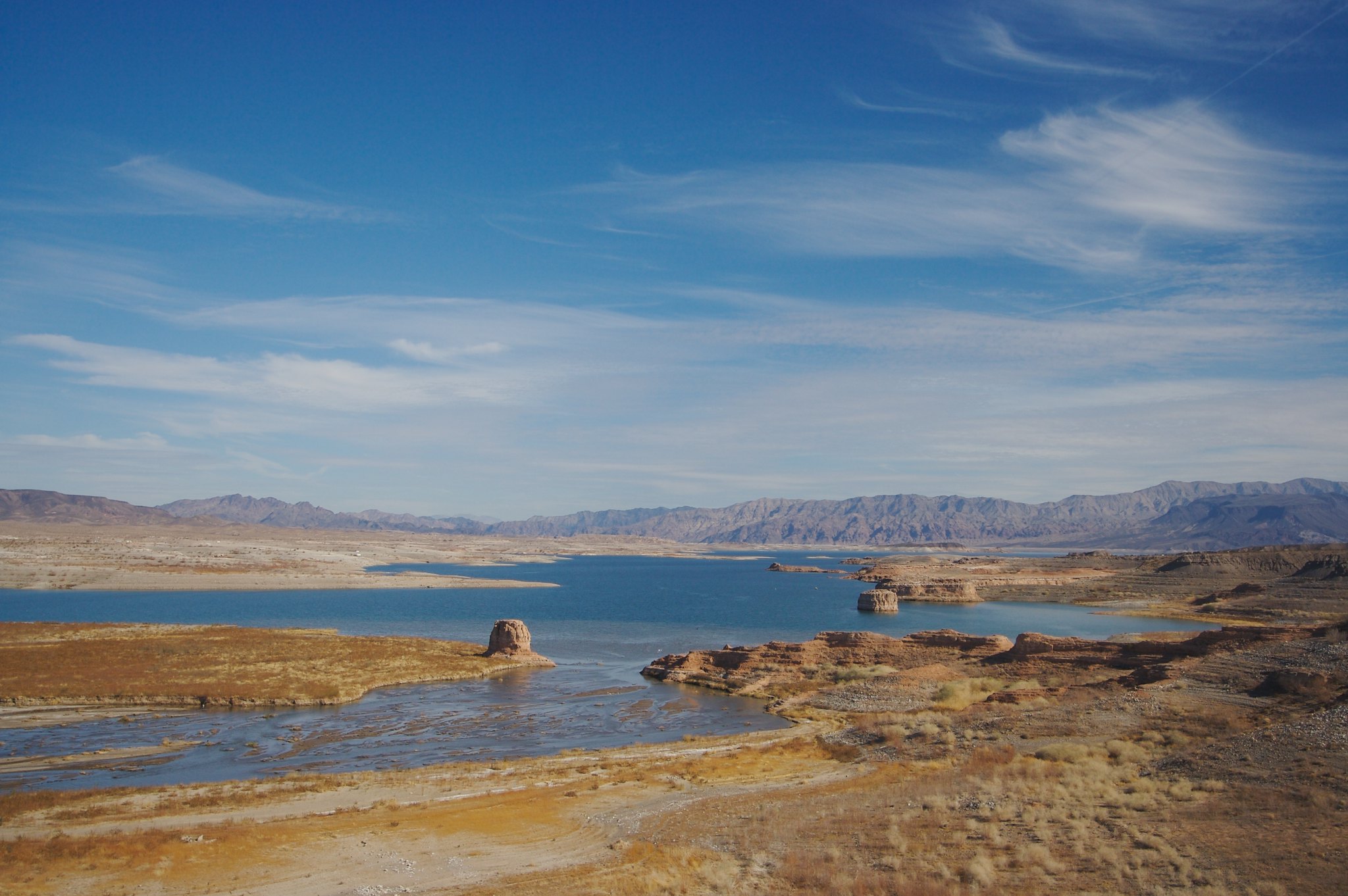
Editor’s Note: The opinions expressed here by the authors are their own, not those of Impakter.com — In the Featured Photo: Lake Mead, located in the Colorado River and the source of drinking water for 20 million people, drying up on Janurary 18, 2007. Source: William Klos, Flickr.