Meat, eggs and milk offer crucial sources of much-needed nutrients which cannot easily be obtained from plant-based foods, a new report issued today by the Food and Agriculture Organization of the United Nations (FAO) says.
This is particularly vital during key life stages such as pregnancy and lactation, childhood, adolescence and older age, says the study, entitled “Contribution of terrestrial animal source food to healthy diets for improved nutrition and health outcomes.”
It’s the most comprehensive analysis yet of the benefits and risks of consuming animal source foods and is based on data and evidence from more than 500 scientific papers and some 250 policy documents.
Meat, eggs and milk provide a range of important macro-nutrients such as protein, fats and carbohydrates and micro-nutrients that are difficult to obtain from plant-based foods in the required quality and quantity, the report says. High-quality protein, a number of essential fatty acids, iron, calcium, zinc, selenium, Vitamin B12, choline and bioactive compounds like carnitine, creatine, taurine are provided by foods from terrestrial animals and have important health and developmental functions.
Iron and vitamin A are among the most common micronutrient deficiencies around the world, particularly in children and pregnant women. Globally, more than 1 in 2 preschool-aged children (372 million) and 1.2 billion women of child-bearing age suffer from the lack of at least one of three micronutrients: iron, vitamin A or zinc. Three quarters of these children live in South and East Asia, the Pacific and sub-Saharan Africa.
Not surprisingly, according to the report, consumption of food from terrestrial animals (including milk, eggs, meat) varies widely around the world. A person in the Democratic Republic of the Congo consumes on average only 160 grams of milk a year, while someone in Montenegro consumes 338 kilograms. Looking at eggs, a person in South Sudan consumes 2 grams on average a year compared to an average 25kg for a person in Hong Kong. The average person in Burundi consumes just 3 kilograms of meat a year, compared to 136 kilograms for someone living in Hong Kong.
Role in achieving the SDGs
If consumed as part of an appropriate diet, animal source foods can help with meeting the nutrition targets endorsed by the World Health Assembly and Sustainable Development Goals (SDGs) related to reducing stunting, wasting among children under five years of age, low birthweight, anemia in women of reproductive age, and obesity and non-communicable diseases (NCDs) in adults.
Related Articles: Almost Half the World’s Population Lives in Households Linked to Agrifood Systems | UN Report Warns of Accelerating Food Insecurity in the Arab Region Due to Global Crises
But at the same time, the livestock sector “must contribute to addressing a range of challenges,” write FAO Deputy Director-General Maria Helena Semedo and Chief Economist Máximo Torero Cullen in a foreword to the report.
“These include issues related to the environment (e.g., deforestation, land-use changes, greenhouse-gas emissions, unsustainable water and land use, pollution, food–feed competition), herd management (e.g., low productivity, overgrazing, poor animal welfare), animal health related issues (e.g., diseases, antimicrobial resistance), human-livestock related issues (e.g., zoonotic and food-borne diseases) and social issues (e.g., equity).”
Risks
As to evidence of risks from consuming animal source food, the report says that consumption of even low levels of processed red meat can increase the risk of mortality and chronic disease outcomes, including cardiovascular diseases and colorectal cancer. However, consuming unprocessed red meat in moderate amounts (ranging from 9 to 71 grams per day) may have minimal risk but is considered safe with regards to chronic disease outcomes.
Meanwhile the evidence of any links between milk, eggs and poultry consumption in healthy adults and diseases such as coronary heart disease, strokes and hypertension is inconclusive (for milk) or non-significant (for eggs and poultry).
The recent First Session of FAO’s Committee on Agriculture Sub-Committee on Livestock encouraged governments to update national dietary guidelines to consider where appropriate how meat, eggs and milk can contribute to specific nutrient requirements during the life course of humans.
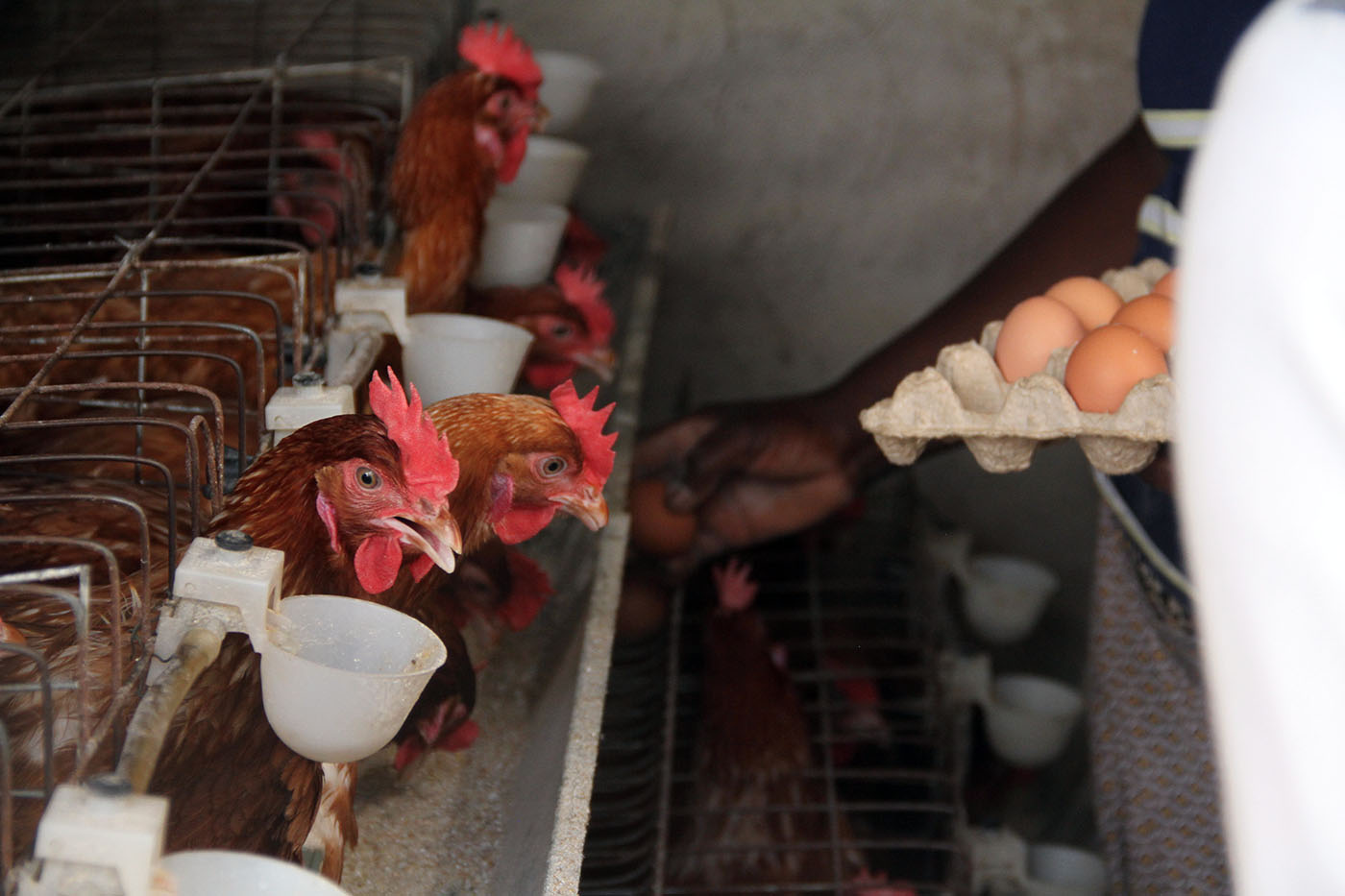
Editor’s Note: The opinions expressed here by the authors are their own, not those of Impakter.com — In the Featured Photo: Mrs Otilia Ndumo of Sifelani village in Hurungwe collects eggs from her chicken run. Through a voucher scheme organized by FAO in collaboration with various implementing partners, women farmers in Zimbabwe have been benefiting from better access to agricultural inputs, training and extension support. The women have used the vouchers to purchase the inputs they need, while receiving training on good agricultural practices and marketing. As a result, their livelihoods have been enhanced thanks to improved household food production, nutrition and income. Featured Photo Credit: © FAO/BELIEVE NYAKUDJARA.