It’s easy to feel powerless when it comes to protecting our environment, and that your personal efforts to live eco-consciously are swallowed up by the activities of fossil fuel giants pumping the atmosphere with greenhouse gases.
These companies, however, are appearing in court more and more often to be tried for their practices, and 2023 is set to see the peak in the use of fossil fuels in the electricity sector. With this in mind, it’s important to remember that our own choices might have greater significance in terms of emissions in the future as well.
According to Eurostat, a statistics website for the European Union, households were responsible for 24% of emissions from the economic sector in the first quarter of 2022. Our daily habits – from what we eat to how we travel – could all be more environmentally friendly.
In an effort to see how willing different people are to make different changes to their daily routines, I wrote a seven-question survey and shared it online for people of all ages and nationalities to complete. A total of 125 people responded, here are some of the results.
Would you be willing to stop travelling by plane?
A Boeing 737-400, typically the model used for short-haul, international flights, produces 115g of CO2 per passenger per kilometre on a single flight – amounting to around 90 kg per person per hour.
According to a report published by the Institute of Physics, the aviation industry is only responsible for 2.4% of global annual CO2 emissions but has contributed around 4% to human-induced global warming to date. This might not seem like much, but if the aviation industry was a country, it would be the sixth biggest producer of greenhouse gases, after China, the USA, India, Russia and Japan.
Less than a quarter of respondents to my survey said they would be willing to completely stop travelling by plane. Instead, 36% said they would be willing to pay the fee to offset their carbon emissions.
Carbon offsets are voluntary extra costs that you can choose to pay when you buy your plane tickets. Of course, it doesn’t actually prevent the emission of greenhouse gases, but the money does go towards reducing emissions somewhere else.
Some criticisms of it include the lack of transparency from airlines about where the money goes. Moral issues are also a big debate, if you’re paying to pollute, are you less likely to make any actual changes?
One respondent wrote, “I believe it is the more frequent flyers that should be paying for carbon offset rather than the holiday-goer who may only be on an aeroplane once or twice a year.”
The majority of people, 41.6%, said they would not be willing to quit air travel at all.
Would you be willing to stop using single-use plastics?
The threat posed to the climate by single-use plastic was clear across the board in the replies to my survey, with 38.4% saying that they already try to not use single-use plastics. Even more people, 59.2%, answered that they were definitely willing to cut out single-use plastics where it was possible for them to do so.
Single-use plastics often break down into microplastics which pollute our oceans and waterways, harm our wildlife, and have even been found in human bodily fluids like blood and breastmilk.
One respondent explained that they use a company called TerraCycle, which takes the approach that almost everything is recyclable. They research the materials that waste is made from to see if it can be made into something new and also complete reviews of waste regulations. They have established hundreds of drop-off points for waste all over the UK and try to avoid any waste going to an incinerator.
There’s more plastic on our beaches than meets the eye!
In the past 10 years, we've made more plastic than the last century. We must end our addiction to single-use plastic.
📸: useless plastic #plasticpollution #pollution #earthmonth pic.twitter.com/UrrOVKm6ZI
— Enviro. Media Assoc. (@green4EMA) April 28, 2023
Would you be willing to heat your home less often?
The ongoing economic crisis across Europe is likely the reason that the majority, 66.4%, of people answered that they already try to heat their homes less often – only 7.2% told me that they would not be willing to turn down the heat.
When you turn the heating on in your home – unless you get your energy from clean sources like personal solar panels – the energy used comes directly from burning fossil fuels like oil, coal and natural gas. When burnt, these fuels release carbon dioxide and other greenhouse gases, and heating with wood fires is not much better for the environment either, as they release organic vapours and other gases as well as carbon monoxide.
Would you be willing to eat seasonally and locally produced fruit and vegetables?
Food accounts for 10-30% of a household’s total carbon emissions. The transportation of food around the planet accounts for nearly 20% of all food-systems emissions, producing an all-time total of three gigatonnes of CO2 equivalent. Eliminating the transport of food for a year could eliminate the greenhouse gas equivalent of driving 1000 miles.
CO2 equivalent is the term used to compare emissions of various greenhouse gases based on their global warming potential. It converts the amount of other greenhouse gases to the amount of carbon dioxide with the same global warming potential.
A way of tackling these emissions levels would be to buy and eat food grown locally to you and eat within season – a change that 65.6% of people were prepared to make.
In the UK, nationwide changes are already in place such as the Red Tractor Scheme which ensures produce comes from quality British farms, and some supermarkets only stock meat raised in Britain.
There are also more personal choices to consider, like buying from farmer’s markets or farm shops or even growing on your own allotment. Of everyone who took part in the survey, 28% said they were already making efforts to eat seasonally and locally. One respondent wrote that where they live, in rural France, they only have access to seasonal and local produce.
Related articles: In Pictures: Extinction Rebellion’s ‘The Big One’ Protest in London, My Day for Earth Day, ‘The Oat Milk Aesthetic’: Why Have Dairy Substitutes Become so Popular?, We Need Hope to Tackle Climate Change.
However, it can be more expensive to buy from farmer’s markets and shops, with one survey participant writing: “The increase in food costs possibly encourages the purchase of cheaper products that are not seasonal, locally produced or in environmentally-friendly packaging.”
Would you cut out meat from your diet?
Beef, cheese and poultry are some of the highest-ranking foods in terms of their carbon footprint, with beef production accounting for a quarter of the greenhouse gases coming from rearing animals.
In the survey, 28.8% of people said they would not be willing to give up meat at all, but the majority, 34.4%, said they would consider eating meat less often. Only 14.4% were willing to give meat up completely and 9.6% said they would cut out red meats like beef.
Would you consider going vegan?
As cheese also has a high carbon footprint, I asked whether or not people would be willing to stop eating food derived from animals altogether.
Less than a quarter answered that they would give veganism a go, and the majority, 52%, said they would not consider it at all. Some people were prepared to meet in the middle with 30.4% answering that they would be willing to become vegetarian, just not vegan.
Would you be willing to travel by car less often?
A typical petrol or diesel car emits 4.6 metric tonnes of CO2 per year, along with producing other greenhouse gases like methane and nitrous oxide. The fuel for cars is also a source of greenhouse gases, as it’s produced when crude oil, a fossil fuel, is heated up and broken down into different compounds.
With this in mind, 31.2% said they would be willing to switch to electric cars which do not run on fossil fuels and produce water vapour. Although a greenhouse gas, water vapour exists naturally within the water cycle and stays in the atmosphere for an average of just nine days. In comparison, methane can exist for 12.4 years, nitrous oxide can exist for 121 years and fluorinated gases may stay in the atmosphere for thousands of years.
Electric cars, however, are expensive to buy, with the 12 cheapest makes costing an average of £30,000. Compared to the average price tag of standard cars sitting between £12,000 and £36,000, it’s unsurprising that several respondents wrote that they simply couldn’t afford it.
Another option is to make more use of public transport which the majority, 60.8%, were willing to do. They did note, however, that public transport needs to be more reliable, have better services and be more affordable.
The take-home message
Whilst eco-friendly decisions like cutting single-use plastics and heating homes less often are seemingly unanimous in this survey, dietary changes and travel plans are contentious issues for some.
As one participant added: “It also needs to be cheaper to go green.” A lot of solutions like carbon offsetting, electric cars, and buying local produce are more expensive than their polluting alternatives. Subsidies granted to the fossil fuel industry as well as the meat and dairy industry harm our efforts to be sustainable by keeping our most unsustainable habits cheap and convenient.
There are numerous changes we can make in our own homes to reduce our impact on the planet but it will take hard work and cooperation from governing bodies to ensure it becomes easier for the average person to reduce their own emissions. A shift in policy that sees funds invested into subsidising green solutions and making them more affordable will likely lead to a shift in public attitude.
To those interested in how this survey was carried out: This poll was shared online to my followers and connections to complete anonymously and therefore this is not a scientific poll. However it still provided a more valid image than random interviews as the questions reached specific groups varying in age and nationality.
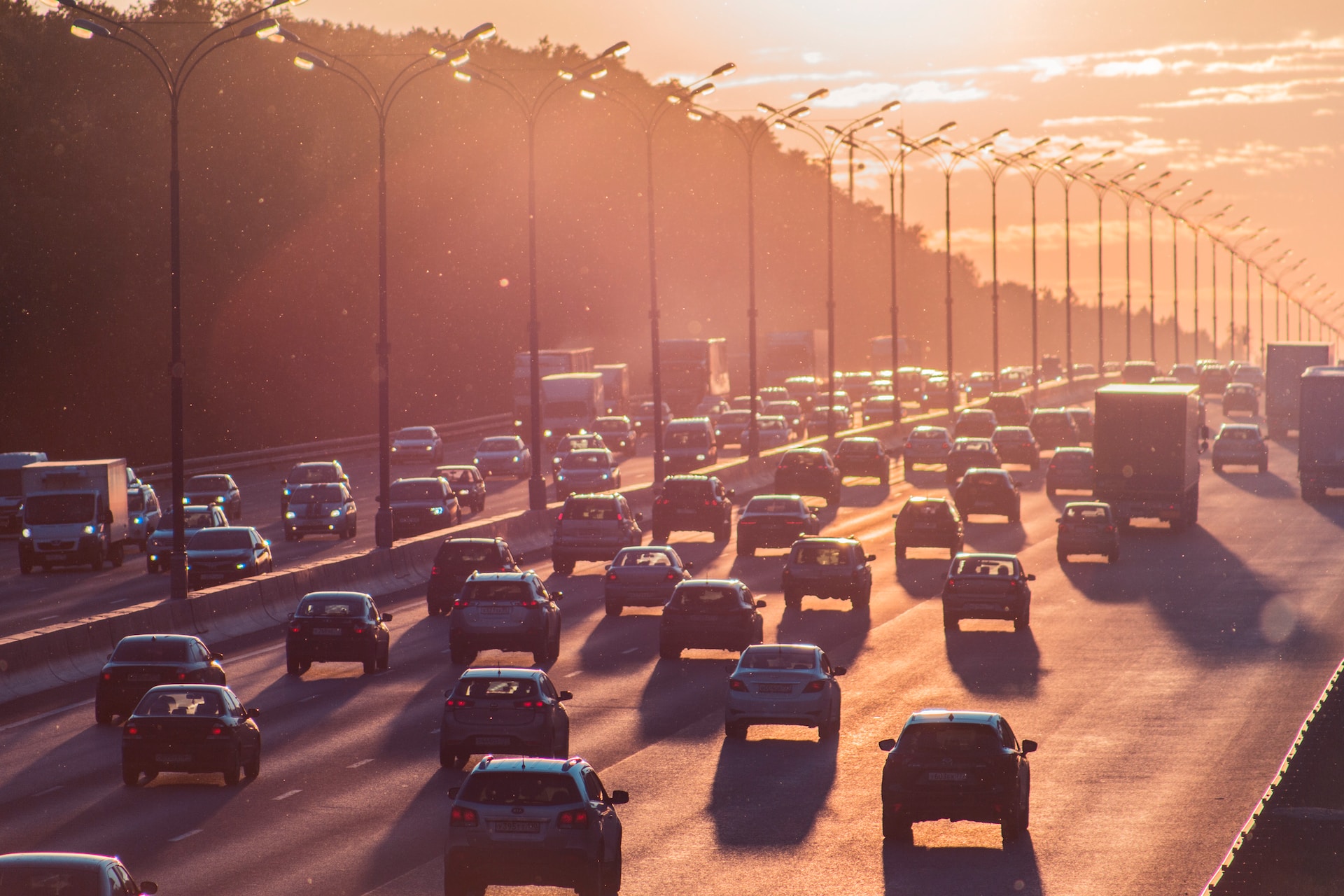
Editor’s Note: The opinions expressed here by the authors are their own, not those of Impakter.com — In the Featured Photo: Traffic on a motorway in Moscow, Russia. Featured Photo Credit: Unsplash.