Today’s ESG Updates
- Trump-Xi Summit Ends With Vague Trade Deals: Trump claimed China agreed to purchase 200 Boeing aircraft and $10 billion in agricultural products, but Chinese officials declined to confirm any details.
- Canada Allocates $729 Billion to Double Electric Capacity: Prime Minister Carney announced a major grid investment, boosting electric capacity to meet growing demand and reduce reliance on U.S. electricity.
- Germany Walks Back Green Heating Law: The new Building Modernisation Act reverses a 2023 law that required renewable-powered heating systems, drawing criticism from climate advocates just as heat pumps were outselling gas boilers.
- Trump’s Coal Push Is Costing Energy Companies Millions: Five aging coal plants have been forced to remain open under emergency orders, with one Michigan facility alone costing its operator $180 million in a single year.
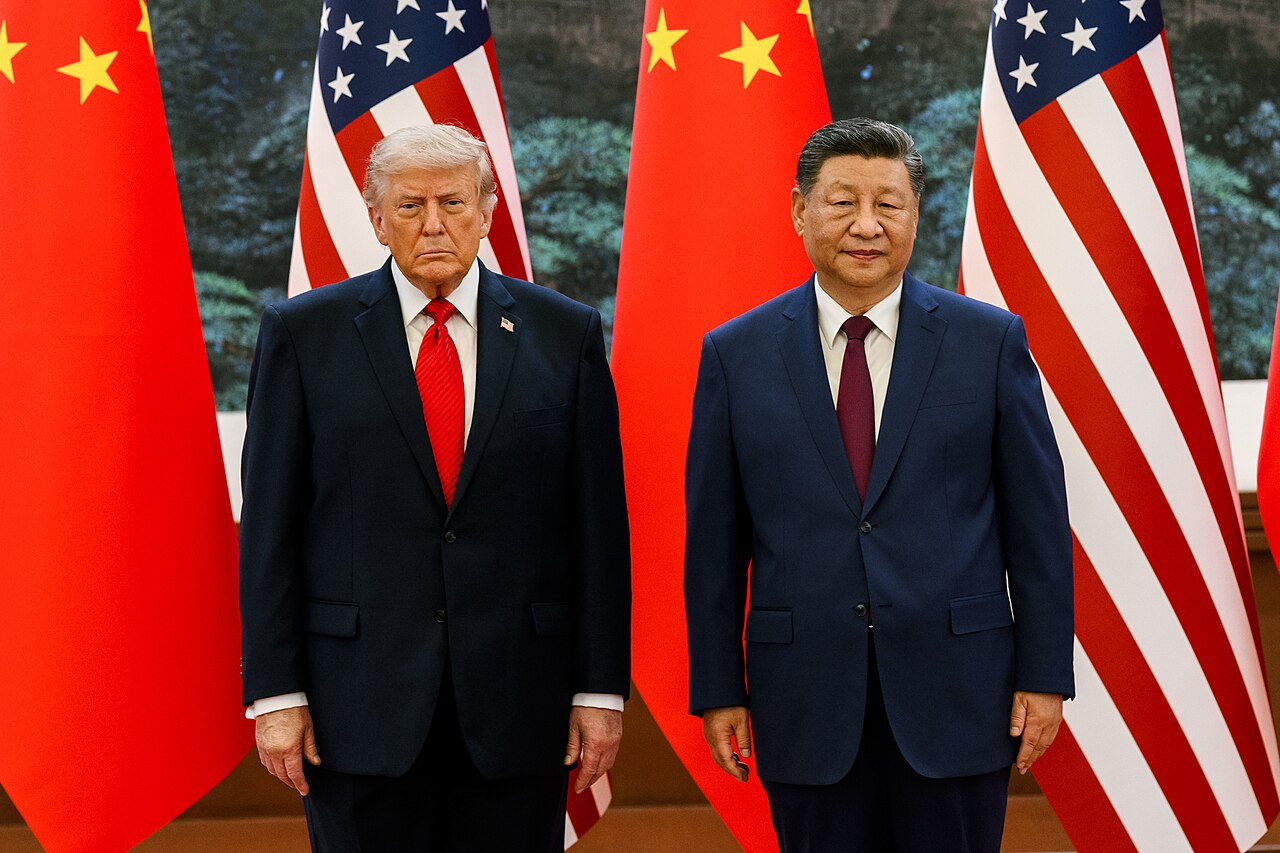
Trump-Xi summit ends with vague trade deals and improved geopolitical stability
This week, U.S. President Donald Trump and Chinese President Xi Jinping met in Beijing to discuss the future of trade between the two countries. At the conclusion of the two-day meeting, Trump claimed that China had agreed to purchase around $10 billion worth of agricultural products, 200 Boeing airplanes, and energy and medical devices. Chinese officials would not confirm any details concerning these trade deals.
Despite a lack of details around what Trump claims were “fantastic trade deals,” the outcome of the meeting was positive. Speaking with the New York Times, Stephen Olson, a former American trade negotiator, said that “no major breakthroughs were expected and none were achieved, but both countries got what they needed from this summit: a bit of additional stability.” A win-win for both leaders, Trump left the meeting touting economic wins, and Xi positioned China as an equal rival.
Officials expect a new “Board of Trade” to be established in the coming weeks. This board will oversee tariff cuts on roughly $30 billion in products, despite Trump claiming that tariffs were not discussed at the meeting.
***
Further reading: Trump Touts ‘Fantastic Trade Deals’ With China, but Details Are Scarce
Klimado – Navigating climate complexity just got easier. Klimado offers a user-friendly platform for tracking local and global environmental shifts, making it an essential tool for climate-aware individuals and organizations.
Canada announces $729 billion to double electric grid capacity
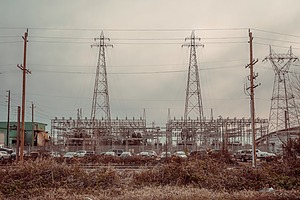
Canada’s government is allocating C$1 trillion ($729 billion) to double its electric grid capacity by 2050. With more widespread electric vehicle use, industrial growth, and data center demand, Canada is seeing increasingly more strain on the power grid. The increase in demand comes at a time when generation is decreasing, as coal-fired plants have closed and droughts have cut hydroelectric capacity.
When Prime Minister Mark Carney announced the new strategy, he emphasized clean energy investments in renewables, nuclear, and hydropower, stating that gas would “play a complementary role.” The plan, however, will offer greater flexibility for natural gas, softening former Prime Minister Justin Trudeau’s prior regulations.
According to the Canada Energy Regulator, dependence on U.S. electricity imports has been steadily increasing since 2020. The plan aims to reduce Canada’s reliance on U.S. electricity, particularly as President Trump has imposed various trade tariffs.
***
Further reading: Canada plans to double capacity of electricity grid by 2050
Related Articles
Here is a list of articles selected by our Editorial Board that have gained significant interest from the public:
Germany walks back green heating law

In 2024, Germany began phasing out fossil fuels in heating systems as per an amendment to the country’s Building Energy Act, also known as the Heating Act. The Act banned new oil and gas heating systems and required newly installed heating pumps to be powered by at least 65% renewable energy. While the reform aimed to phase out fossil-fuelled boilers and push Germany toward meeting its climate targets, critics claimed it would force homeowners to spend thousands on new heating equipment.
On Wednesday, May 13, a new reform, called the Building Modernisation Act, was announced, backtracking on the climate-forward law. Under this new act, households must gradually incorporate “climate-neutral” fuels like biomethane and biofuels, starting at 10% by 2029. Critics on the opposite side warn that ending the green heating law will have “catastrophic” effects on the climate. Katherina Droege, the Greens’ parliamentary leader who was involved in the initial reform, said that this is “a complete abandonment of Germany’s climate targets.” It also comes at a time when heat pumps had just begun outselling gas boilers in the country.
The Building Modernisation Act will now be discussed in Parliament, with hopes of implementation this summer.
***
Further reading: ‘Contradictory signal’: Germany scraps renewable heating law just as heat pumps gain momentum

Trump’s coal push is costing energy companies millions
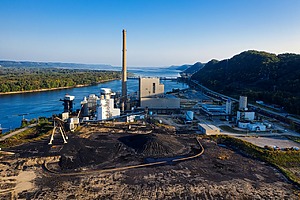
Last year, the Trump administration signed several emergency orders to revive the coal industry in the United States. As a result, five aging coal plants in four states have been forced to remain open, with the government claiming an “energy emergency.” The Department of Energy continues to renew these orders despite operators’ complaints. Several of these plants have not burned coal and would require hundreds of millions of dollars to restart. The plants that are in operation are costing millions as well. The J.H. Campbell plant in West Olive, Michigan, has cost Consumers Energy $180 million over the past year.
High costs aside, operating these aging coal plants is having a direct impact on the environment. Mercury emissions from coal-burning facilities increased by 9% in 2025, with the J.H. Campbell plant emitting 36 pounds of mercury from June to December alone. The toxic chemical had been declining in previous years.
Nine nonprofits and the states of Illinois, Minnesota, and Michigan have filed an appeal, arguing that there is no energy emergency in the U.S. and that the administration’s executive orders are illegal. The Court of Appeals for the District of Columbia Circuit will hear the appeal on Friday, May 15, which focuses on the J.H. Campbell plant.
***
Further reading: Trump’s Push to Keep Coal Plants Open Is Costing Hundreds of Millions
Editor’s Note: The opinions expressed here by the authors are their own, not those of impakter.com — In the Cover Photo: U.S. President Donald Trump and Chinese President Xi Jinping in Beijing this week. Cover Photo Credit: Wikimedia Commons.