This year, over a 12-month period, for the first time, global heating has exceeded temperatures of 1.5 degrees Celsius. While this doesn’t break the landmark Paris climate agreement, it is a clear warning sign that we need to act fast.
“…we cannot help fix the climate crisis if the money that we need to fix it is still funding its cause, fossil fuels.”
As the world grapples with runaway climate chaos, widespread cost of living increases, geopolitical instability, and violent conflict, it is time for a collective wake-up call: The climate crisis is unraveling against a backdrop of deeply ingrained systems of power that influence which politics and policies move forward.
While these decisions are often made at a level not accessible to everyday people, the implications of these decisions impact our communities, families, and individual lives every day. That’s why it’s important to look critically at the systems that are in place and decide whether they are working in the interest of those bearing the brunt of these crises or just continuing business as usual and making the uber-rich, even richer.
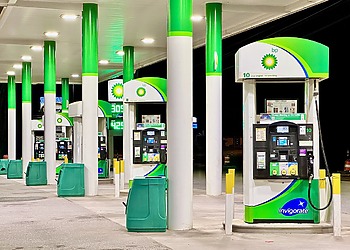
First of all, we cannot help fix the climate crisis if the money that we need to fix it is still funding its cause, fossil fuels.
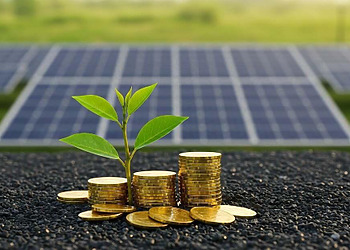
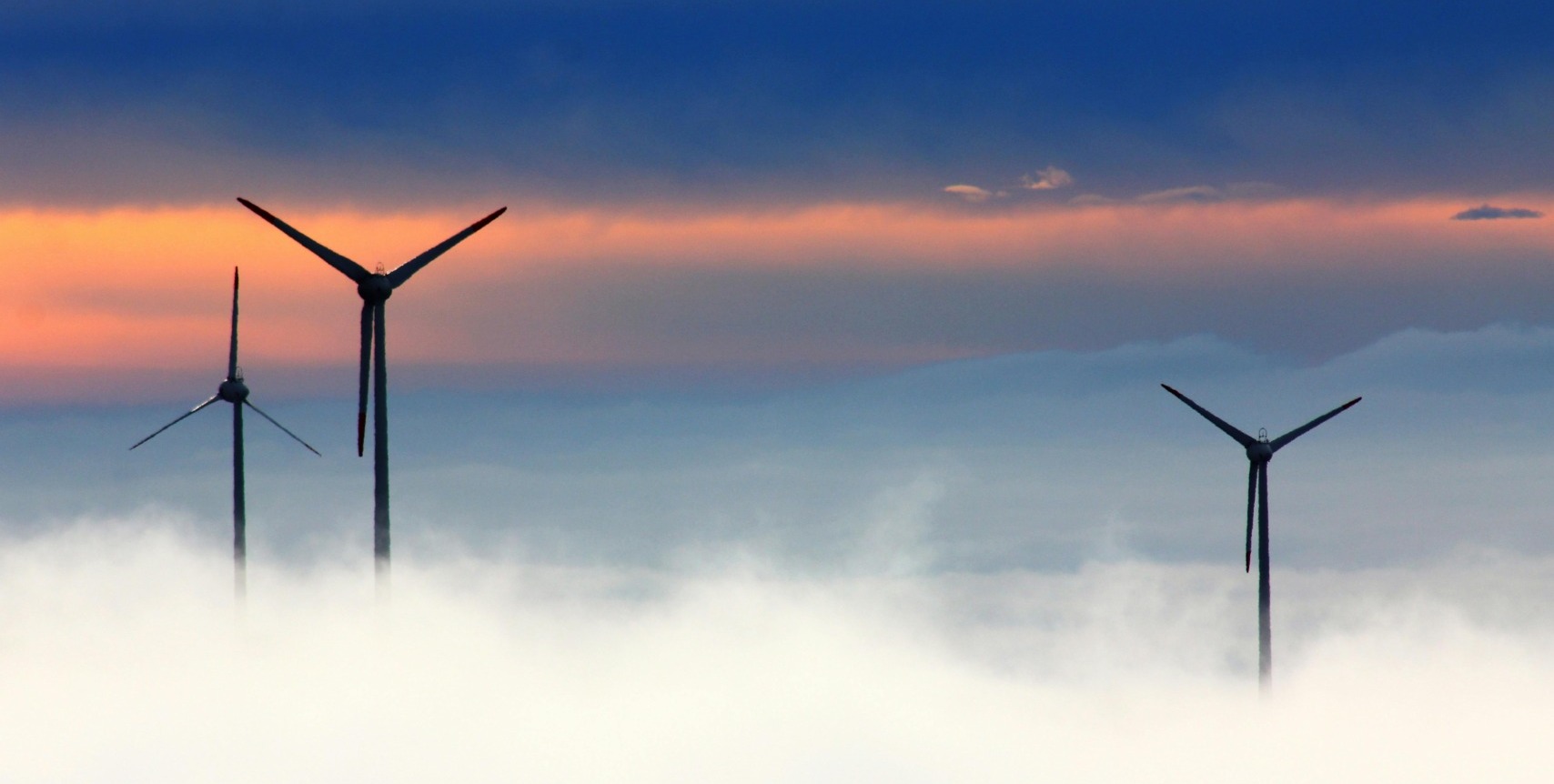
This is especially true since wind and solar energy initiatives are producing record amounts of clean electricity year after year, and getting cheaper every day. Paradoxically, while many claim that money is the missing piece to tackle the climate crisis, the truth is that the money to fund the renewable transition already exists, but we need to redirect it from the fossil fuel industry, and significantly scale up financing for renewable energy projects across the Global South.
While finance seems to be the greatest barrier to the renewables revolution, it also happens to be its greatest opportunity.
The fossil fuel companies who have polluted our planet are still reporting record profits while communities are struggling to keep up with rising temperatures, seas and energy prices, impacting every single aspect of lives. It is the responsibility of our leaders to hold them accountable, impose taxes on their profits, remove subsidies for the production of more fossil fuels, and spend this money on the communities they purport to represent by investing in a future that serves everyone, not just the privileged few.
Related Articles: Big Oil Sees Record Profits: ‘Exxon Made More Money Than God This Year’ | A Just Transition Does Not Leave Anyone Behind: Clean Energy Must Be Worldwide | What’s Next in Geothermal Energy? | Fueling the Clean Energy Market: Global Goals Need Global Solutions | Energy Transition Plans: How Are Oil and Gas Giants Doing? | A Just Transition to a Zero-carbon World Is Possible. Here’s How.
The reality is also that countries that are historically not responsible for the climate crisis are experiencing the worst climate impacts. It is only fair that historically responsible countries and major polluters like the US, UK and the European Union, for instance, pay their climate debt to climate-vulnerable countries that are at the forefront of climate impacts without the necessary funds for adaptation and renewables development.
Currently, most countries in the Global South spend a lot more money repaying their foreign debts than on addressing the impacts of the climate crisis. Financial arrangements that further entrench debt and dependency are not real solutions and do not address the historical injustices leftover from colonialism and imperialism.
When we scale up renewable energy solutions, we must not replace one broken energy system with another. Renewable energy solutions must uphold the rights of frontline communities and should be produced close to them while not threatening the land rights of Indigenous Peoples and their livelihoods. Investing in renewable energy projects that are community-centered and led and owned by communities, which don’t require kilometers of pipelines, long-distance planning and centralized management, like solar and wind, for instance, will help move us away from the unequal control, access and wasteful use of energy by the rich and privileged.
What we must hold at heart is that when we talk about an equitable energy transition and the resources we need for that, we are talking about more than just arbitrary numbers in the billions and trillions. We’re talking about the bridge that will take us from a world facing climate chaos coupled with extreme inequality, to one in which communities around the world have equitable access to clean, reliable and affordable energy. On top of that communities must get the necessary infrastructure to adapt to the climate impacts we are already facing, and equitable opportunities to thrive economically, and peacefully.
The world we need doesn’t have to be imaginary, we can make it a reality. We have everything we need — including money — to make this transition come to life for communities everywhere, but we must demand more from our governments and they must urgently act in the best interest of the global majority.
Editor’s Note: The opinions expressed here by the authors are their own, not those of Impakter.com — Cover Photo Credit: Pixabay.