Humans have been eating rice since between 13,500 and 8,200 years ago. It is the primary food staple for more than half the world’s population with about 90% grown in Asia. The demand for rice is projected to surge by 50% by 2050. Yet, the very cultivation of this crucial grain is contributing to the planet’s demise through staggering methane emissions. Rice is responsible for about 10% of global methane emissions, due to the way it’s grown.
While rice remains a cornerstone food source, its production methods need to be improved. Pioneering a new era of eco-friendly rice cultivation is Rize, an agritech startup revolutionizing the industry. Based in Singapore, startup Rize plans to expand further into Vietnam, Indonesia, and more broadly in Southeast Asia and further out in Asia.
Recently they announced their Series A funding of $14 million with different ventures including Breakthrough Energy Catalyst, a subsidiary of the Bill Gates-backed Breakthrough Energy Ventures. They plan to use the funding to upgrade their technology stack, particularly their Measuring, Reporting, and Verification (MRV) systems, to better track the impact of their practices. Additionally, this funding will fuel their expansion across Southeast Asia, with a focus on establishing a strong presence in Indonesia and Vietnam, while also setting the stage for entry into other countries in the region.
“Our technology stack seeks to tackle these challenges. By doing so, we are not just aiming to cut down 100 million tonnes of carbon emissions, we are also enhancing the economic stability of farmers, ensuring that improved farmer livelihoods and reduced emissions go hand-in-hand,” said Dhruv Sawhney, CEO of Rize in a news report.
How is rice releasing methane emissions?
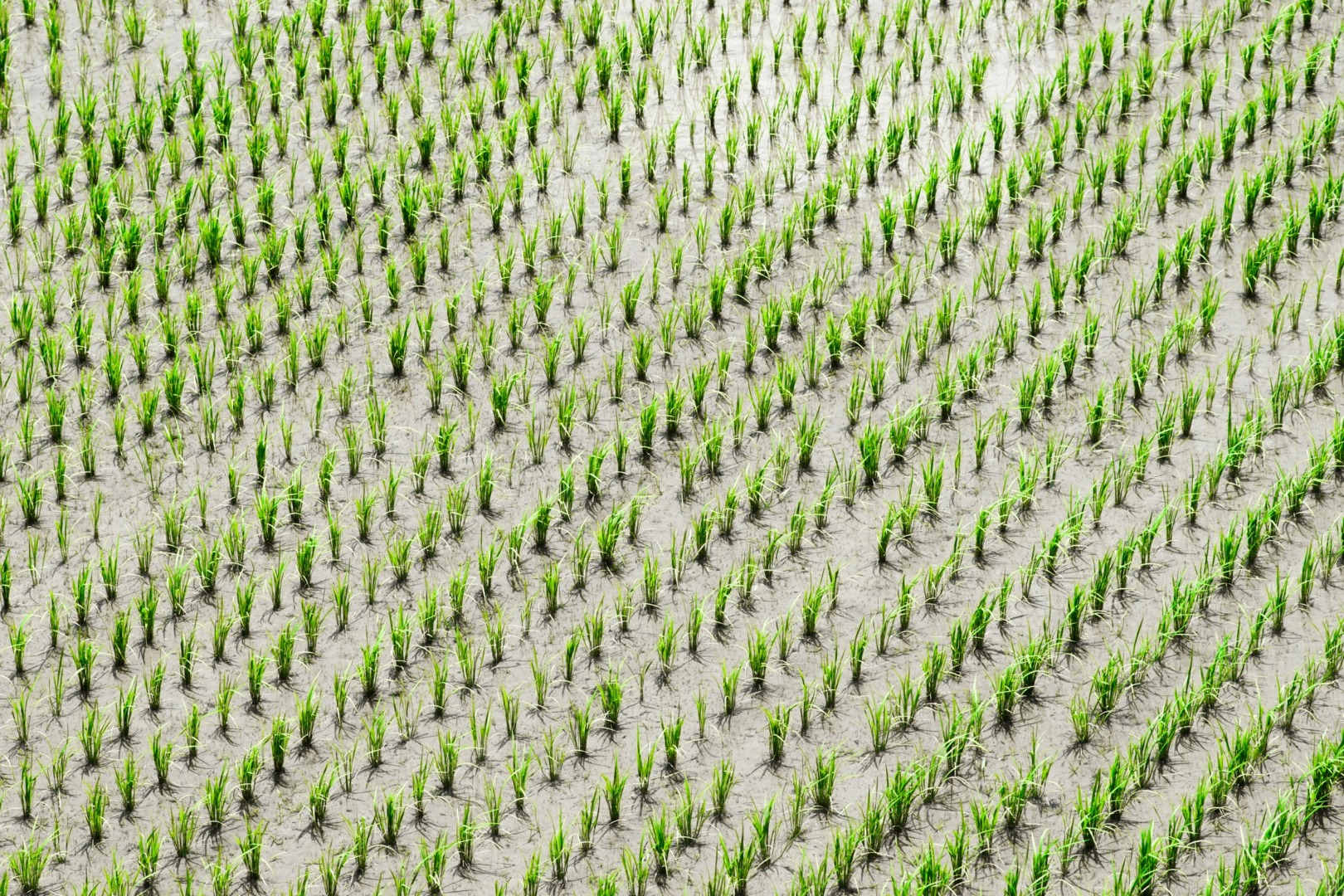
Rice is a semi-aquatic crop, traditionally cultivated in flooded paddy fields. Vast acres of land are intentionally inundated with water to create the submerged conditions essential for rice to thrive. However, this age-old farming practice comes at a severe environmental cost.
The root of the problem lies in the waterlogged paddy fields where rice is traditionally grown. These submerged conditions create an oxygen-deprived environment, perfect for methane-producing microbes to flourish. As plant matter decomposes underwater, these microorganisms release methane as a byproduct, which then bubbles up from the soil into the air.
Making matters worse is the common practice of continuously flooding rice paddies throughout the growing season. This stagnant, oxygen-starved environment becomes a breeding ground for methane-emitting microbes, with emissions intensifying as more organic matter accumulates over time.
After rice is harvested, farmers are left with a massive amount of rice straw — the fibrous stalks and stubble left behind in the fields. A study by the International Rice Research Institute (IRRI) estimates rice straw production at 800-1000 million tons annually, with Asia contributing a significant portion (600-800 million tons) due to intensified cropping.
Rather than incorporating this organic matter back into the soil, the conventional and cost-effective disposal method is open-field burning. The burning of rice straw is a significant source of greenhouse gas emissions, including methane and nitrous oxide, further exacerbating the environmental toll of rice cultivation.
Startup Rize: farming approach
“Our solution incentivizes and rewards farmers to constantly adopt new practices that reduce greenhouse gas emissions, increase yields and elevate farmers’ well-being,” Rize states on their website.
The startup employs a triple-threat approach to traditional rice cultivation: Alternate Wetting and Drying (AWD), Direct Seeded Rice (DSR), and Soil Bacteria Additives.
AWD involves periodically drying and re-flooding rice fields instead of constant flooding. This method reduces water usage by 30%, boosts yields, and cuts methane emissions by an impressive 1.4 tons per hectare per season.
DSR eliminates the need for constantly flooded nurseries by sowing seeds directly into the soil. Widely adopted in Southeast Asia, this technique curbs water consumption, lowers seed costs, and reduces methane emissions by 0.3 tons per hectare per season.
Startup Rize also introduces specialized soil bacteria additives that temper the soil, decreasing fertilizer requirements while improving grain quality. Remarkably, these bacterial additives slash methane emissions by a staggering 3.3 tons per hectare per season.
Related Articles: Soil Health, Fertiliser Use and Agricultural Sustainability | Strengthening Urban Food Systems in Times of Crisis | Can We Fix Our ‘Broken’ Food Systems? | What Is Happening to Our Soil?
Through this multi-pronged approach, Rize tackles the environmental challenges from multiple angles — conserving water, boosting productivity, and cutting greenhouse gas emissions.
“Our platform, and the data it captures, is pivotal in modernizing rice farming, leveraging technology to sustainably enhance yield and efficiency. Given that producing a single bowl of rice requires over 200 liters of fresh water, and considering that the entire rice industry accounts for more than a third of the world’s irrigation water, the urgency to adopt sustainable methods is clear, ” added Dhruv Sawhney, CEO of startup Rize.
Looking ahead: the path towards sustainable agriculture
Changing thousands of years of traditional farming practices is not an easy feat. While Rize’s innovative techniques have already made significant strides, the journey toward truly sustainable rice cultivation is an ongoing one. The startup recognizes that transforming deeply entrenched farming practices is a grassroots effort that requires patience, perseverance, and collaboration with local farmers.
With their focus on the technological aspect, it raises the question: How soon could the startup Rize techniques be adapted to revolutionize other crops?
Nonetheless, Rize’s track record of success paints a promising picture for their expansion and scaling efforts. The startup’s unwavering commitment to its mission, coupled with its demonstrated ability to drive meaningful change on the ground, bodes well for its vision of spearheading a sustainable revolution in global agriculture.
One grain, one field, one farmer, at a time.
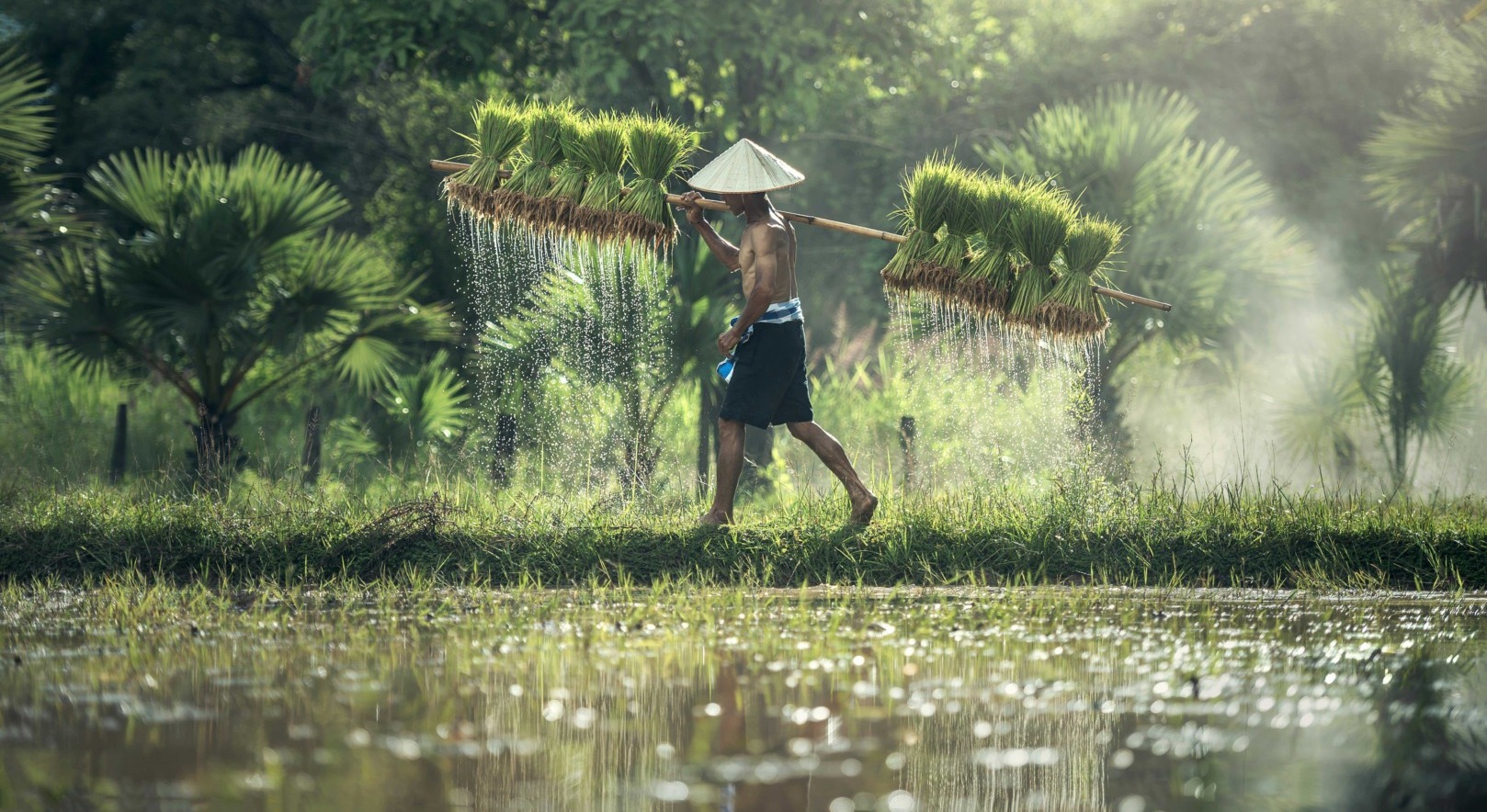
Editor’s Note: The opinions expressed here by the authors are their own, not those of Impakter.com — In the Cover Photo: Rice Farmer. Cover Photo Credit: PEXELS.