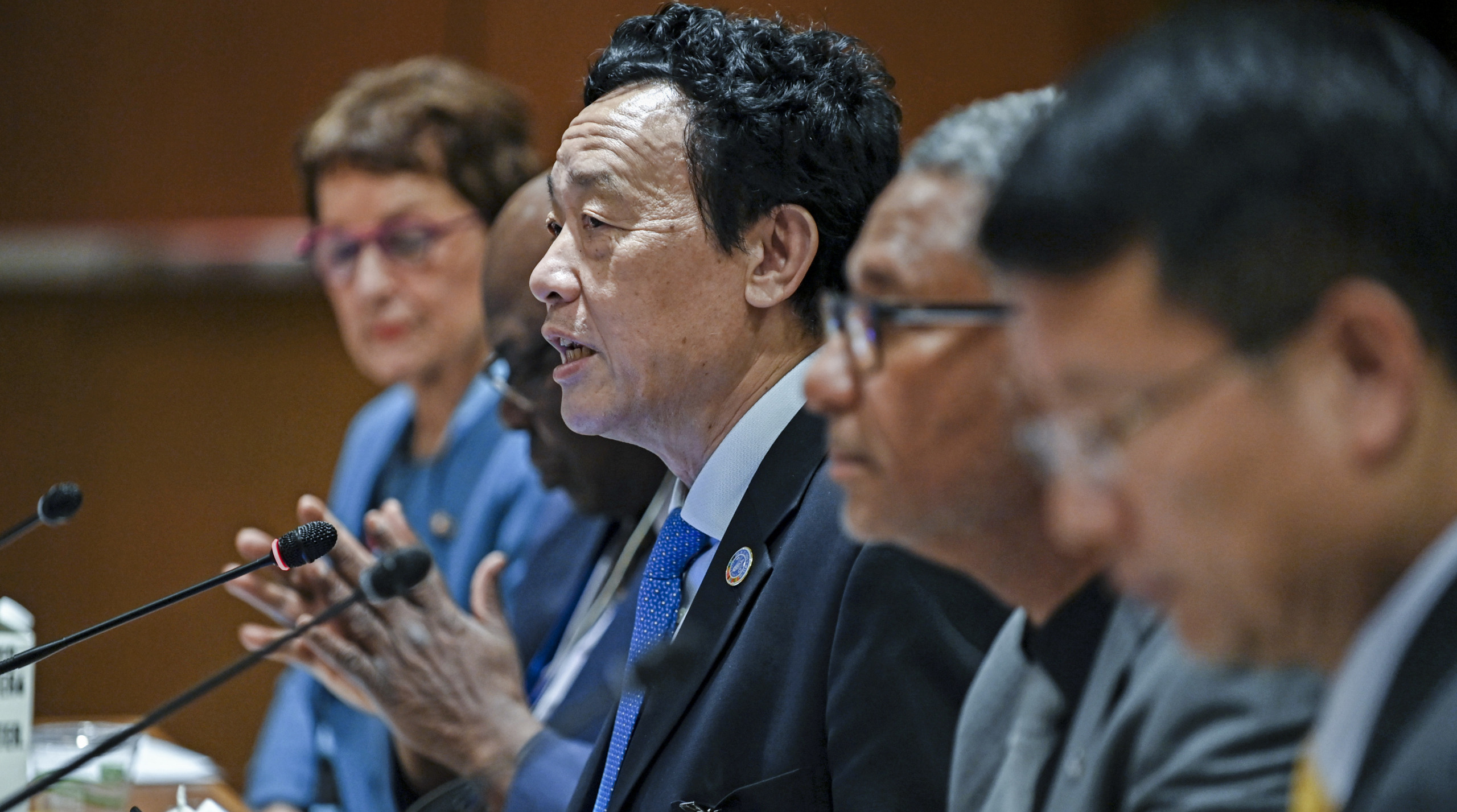
The Food and Agriculture Organization of the United Nations (FAO) called for innovative drought financing mechanisms to help deal with the rising frequency and severity of drought events amid intensifying climate extremes that often damage fragile communities the most.
“The lack of adequate, timely and innovative financial resources remains a major barrier to proactive and integrated drought management,” FAO Director-General QU Dongyu told a special event at the United Nations 2023 Water Conference in New York called Drought-Fragility-Finance-nexus: managing drought risk and overcome conditions of fragility.
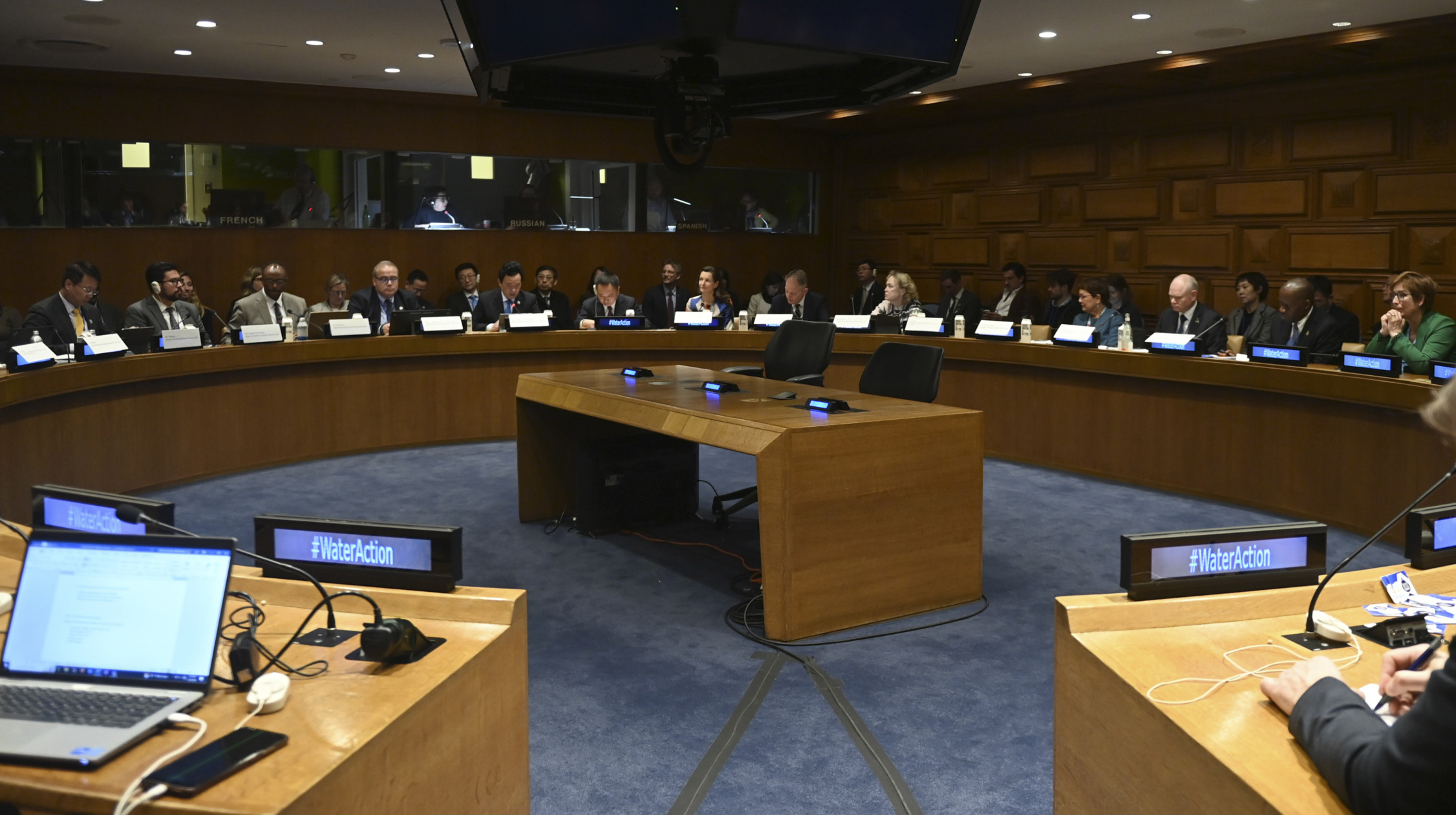
The opening day of the March 22-24 conference in New York coincided with World Water Day 2023, an annual UN event designed to raise awareness and inspire action to tackle the water and sanitation crisis.
Since conventional financial sources, mechanisms and instruments may not be sufficient to support investments in drought risk reduction and resilience building, “responsive and innovative drought financing mechanisms need to be clearly identified as a component of overall climate finance,” Qu told the conference.
FAO will continue to help countries attract climate finance and to implement climate-resilient innovation across agrifood systems, guided by a proactive approach, the Director-General said.
FAO is already backing national plans for enhanced drought resilience in Cabo Verde, Cuba, Panama, Uzbekistan and Vietnam. The collaboration, part of a Global Environment Facility-funded global programme, extends to 31 countries from all regions.
The Director-General also called for an increase in private sector participation, as well as a greater global knowledge base to ensure that investment decisions reflect current needs and foresee trends.
“We cannot end poverty and hunger unless we get ahead of the curve on droughts,” Qu said.
Water Roadmaps
Currently, 2.3 billion people live in water-stressed countries, and approximately 10% of the global population live in countries with high or critical water stress. In addition, 80% of wastewater is discharged untreated into the environment, and more than 90% of natural disasters are water related.
With agriculture responsible for 72% of global freshwater withdrawals, and consumption growing to match increased demand for food, fibre and feed, the key is to start using water in a more sustainable and equitable way.
This is where National Water Roadmaps can help. These are country-owned tools designed to support integrated water resources management into national sustainable development strategies, policies and cross-sectoral investment plans, and were the subject of a separate side event during the conference.
Related articles: Water Could Limit Our Ability to Feed the World. These 9 Graphics Explain Why | Small Loans for Safe Water: Unleashing Women’s Power | Reconsidering the Role of Water Resources in Climate Resilience | How Access to Affordable Financing Is Solving the Global Water Crisis for Families Around the World | As Cities Grow Across Africa, They Must Plan for Water Security
Such Roadmaps can help end hunger and poverty and support the achievement of the rest of the Sustainable Development Goals (SDGs) “through participatory country-led dialogues and concrete actions,” said Qu to another special event at the Conference called National Water Roadmaps towards the 2030 Agenda.
FAO is helping its Members link the roadmaps with existing plans and strategies, and to access the needed financial resources for development and implementation of the roadmaps.
The Director-General also announced a $1.5 million commitment from China to support countries in developing their roadmaps through the FAO-China South-South Cooperation Trust Fund.
Water Scarcity
While attending the conference, the FAO Director-General also addressed a side event on the Global Framework on Water Scarcity in Agriculture (WASAG), an FAO-hosted partnership designed to bring together key players across the globe and from different sectors to tackle the collective water scarcity challenge and of using water better in agriculture to ensure food security for all.
The event was a follow-up to last month’s Second International Forum of the Global Framework on Water Scarcity in Agriculture (WASAG) in Praia, Cabo Verde, which aimed to promote and position agriculture at the core of climate change discussions.
The Director-General said FAO was fully committed to achieving the objectives laid out by the forum in the Praia Call for action, under the leadership of Cabo Verde, and is already working to deliver on these commitments.
These include:
- to promote more collaborative and strategic actions within and among countries, including policies and investments, and with the contribution of all stakeholders;
- to develop climate-sensitive and water-productive interventions for dryland agriculture, with special attention to the needs of women, youth and the elderly;
- to empower farmers with solutions, data and technology;
- to act proactively on drought through early warning, assessing impacts and building resilience;
- to develop innovative financing mechanisms and facilitate farmers’ access to climate finance;
- to facilitate the exchange and sharing of knowledge and innovation, combining indigenous knowledge, science and technology and countries’ experiences.
For instance, the FAO initiative to Address Water Scarcity in Agriculture and the Environment is scaling up action by building on the results of the Regional Water Scarcity Initiative for the Near East and North Africa and expanding it to Asia and the Pacific region.
FAO is also supporting countries’ resource mobilization efforts by facilitating access to finance, including through the Global Environment Facility and the Green Climate Fund, with projects addressing issues such as adaptation to climate change, adoption of indigenous drought resilient and nutritious crops, and saline agriculture.
“Climate change worsens the situation by disrupting the water cycle. We need solutions to reduce water use and adapt to climate change,” Qu said.
— —
This article was originally published by the Food and Agriculture Organization of the United Nations (FAO) and is republished here as part of an editorial collaboration with FAO.
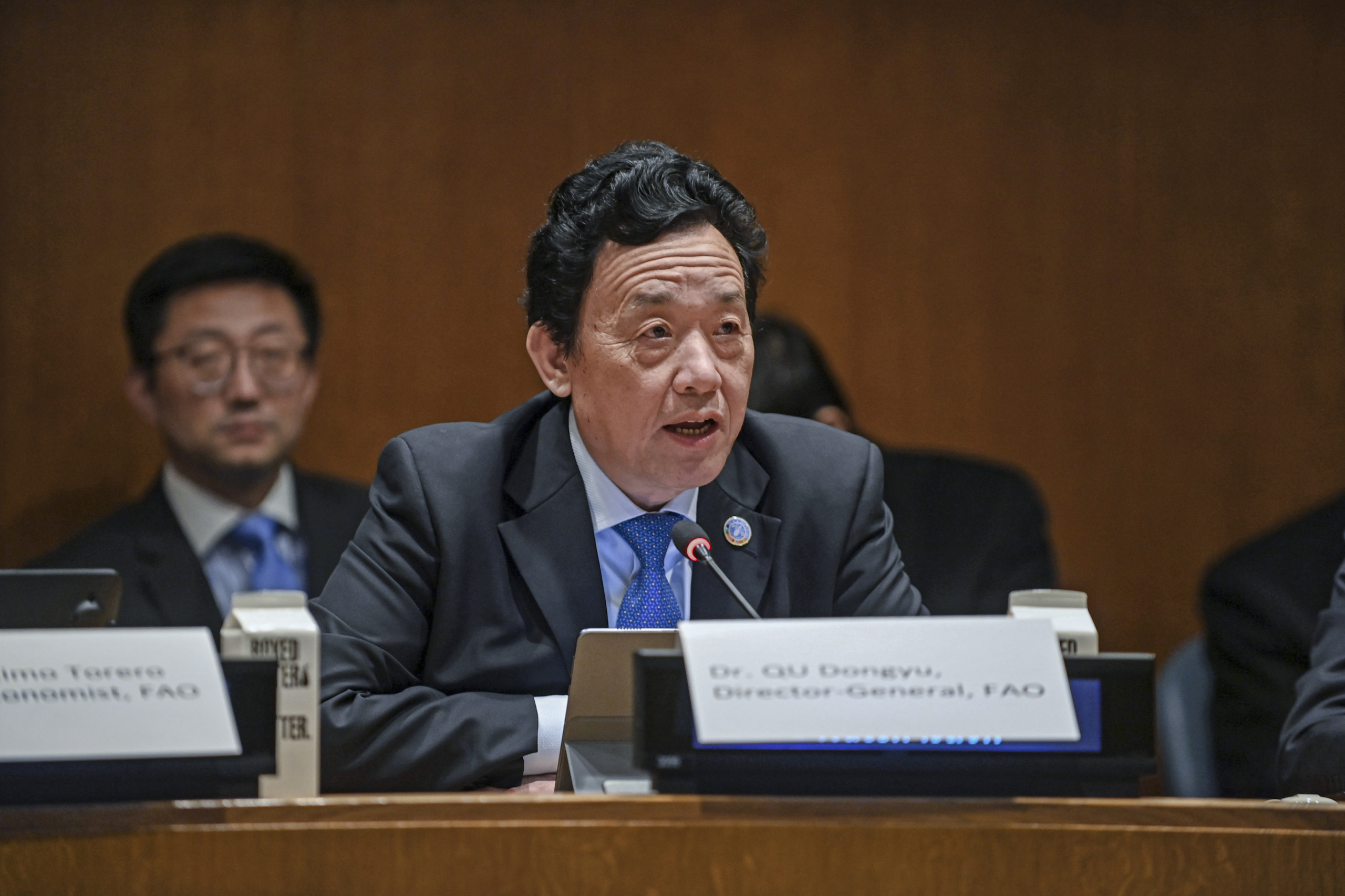
Editor’s Note: The opinions expressed here by the authors are their own, not those of Impakter.com — In the Featured Photo: FAO Director-General QU Dongyu, during the keynote address at the side event: Implementing the 2023 Praia Declaration through Decade Workflows. UN 2023 Water Conference, United Nations Headquarters, New York City, USA, March 22, 2023. Featured Photo Credit: ©FAO/Andrea Renault.