

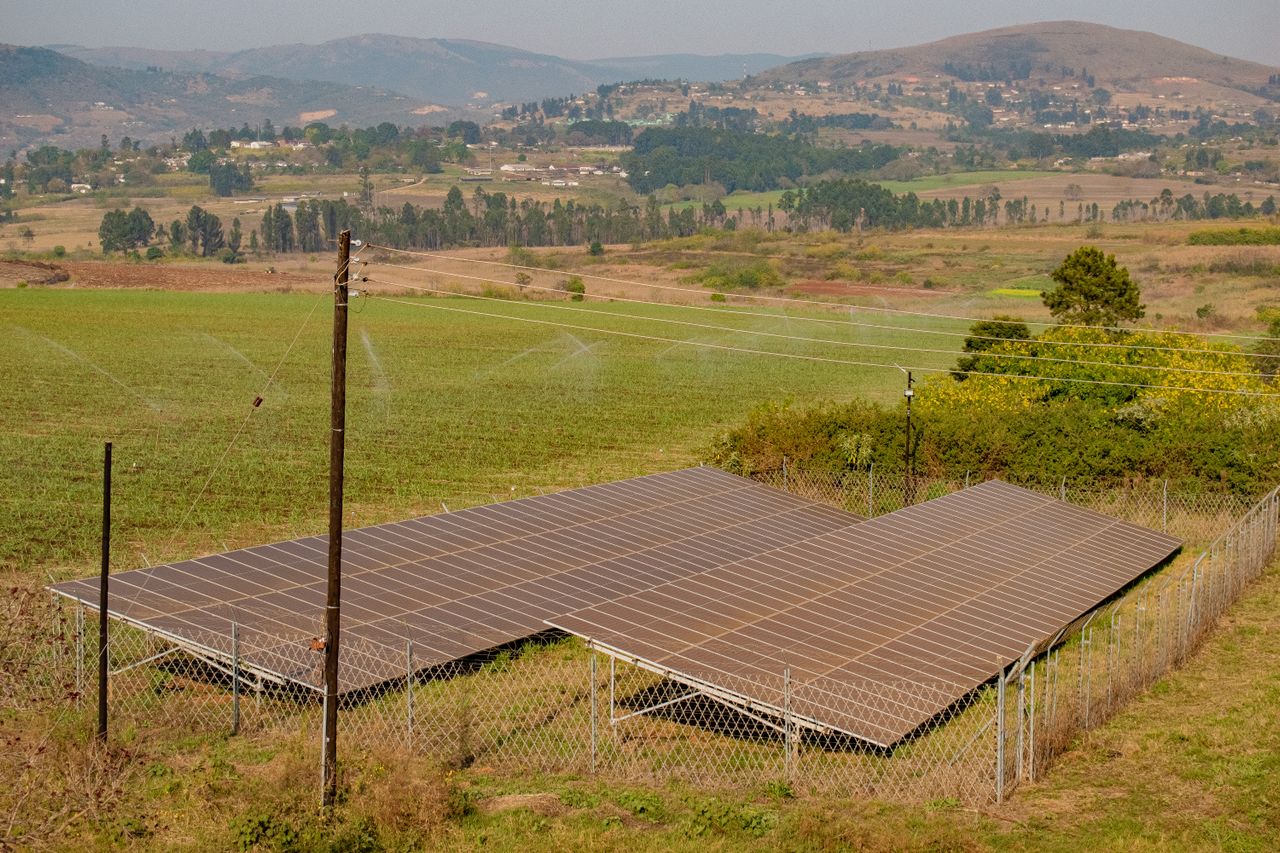
Today’s ESG Updates
- UK, Norway and Canada Announce $10 Billion Climate Plan at COP31: The three countries have joined forces to raise $10 billion by 2030 to support renewable energy and other climate projects in developing countries.
- Pregnant Women Face Growing Risks as El Niño Threatens Vulnerable Countries: Extreme weather conditions, including floods, droughts and heatwaves, could put millions of pregnant women and newborns at risk, particularly in countries with limited access to healthcare.
- India Steps Up Scrutiny of E-Waste Recycling: As India’s electronics market continues to grow, authorities are tightening inspections of recycling facilities amid concerns that EPR certificates may not always reflect actual recycling activities.
- Palm Oil Farmers Struggle to Achieve Sustainable Production Due to Limited Resources: Small farmers in Indonesia and Malaysia face financial challenges while trying to prevent wildfires and adopt sustainable farming practices.
UK, Norway and Canada announce $10 billion climate plan at COP31
Today at COP31 three countries, UK, Norway and Canada, have agreed on a new initiative in Antalya, Turkey. Particularly, three state-owned financial organizations, British International Investment, Norway’s Norfund and FinDev Canada have decided to partner on a new climate finance reporting.
$10 billion is the new aim to achieve by 2030 to invest in climate projects in emerging markets. The $10 billion target also involves private capital that is expected to attract.
Investments will cover renewable energy, electric grids, energy storage, decarbonization of industry, and more environmentally friendly alternatives to traditional fuels.
The new initiative is intended to help developing nations with financing, as lack of funding prevents sustainable energy transition.
However, some of the nations which are most vulnerable to climate disasters are urgently asking for cash, as Western states tend to prioritize national security.
Klimado – Navigating climate complexity just got easier. Klimado offers a user-friendly platform for tracking local and global environmental shifts, making it an essential tool for climate-aware individuals and organizations.
Pregnant women face growing risks as El Niño threatens vulnerable countries
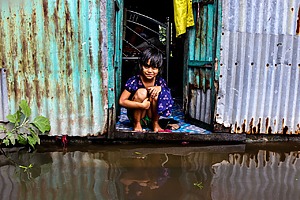
El Niño can be fatal for millions of women and children in crisis zone countries, as floods, extreme weather, heat, and cyclones, which are forecast to peak in the coming months, put at risk the lives of pregnant women.
Experts say that around 15 million babies will be born in November and December in such countries as Chad, South Sudan, Nigeria, and some others with high risks of El Niño exposure.
Bangladesh, Malawi, and Chile have to be also prepared for high risks, as floods and heatwaves can disrupt logistics, transportation, and electricity in hospitals, making it extremely difficult for women to receive medical care.
“If you’re female, pregnant, socially deprived and in a climate catastrophe zone, the odds are stacked against you before you even conceive,” said Anna af Ugglas, chief executive of the International Confederation of Midwives (ICM).
ICM warns that even one day of extremely hot temperatures can be harmful for pregnant women, which raises concerns about rapid climate change.
Related Articles
Here is a list of articles selected by our Editorial Board that have gained significant interest from the public:
India steps up scrutiny of e-waste recycling
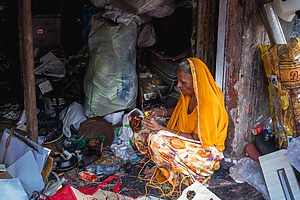
India is the third biggest producer of electronic waste after the US and China, but now there are concerns that around 78% of the waste is recycled by unofficial scrap dealers who tend to use unsustainable methods threatening the environment.
Experts say that the audit campaign is ‘strictest ever’, as it is the first intentional government measure for the e-waste industry, which has not been closely controlled in the past.
Sources say that Amandeep Garg, who is the central pollution control board chairman, made orders to all states to conduct inspections at more than 2000 waste processing enterprises. 309 that are focused on e-waste recycling were also included.
As there are risks that Extended Producer Responsibility (EPR) compliance certificates can be forged, the federal pollution board insisted on ‘audit campaigns’, including physical, equipment inspections, as well as comparing electricity consumption with production statements.
In recent years India has become an attractive market for electronics, at the same time raising risks of high e-waste. More audits are going to continue.

Palm oil farmers struggle to achieve sustainable production due to limited resources

Independent oil palm farmers are sacrificing their health to prevent wildfires, creating volunteer firefighting groups. At the same time they are worried about their children’s health, as due to the thick haze kids have to wear masks.
Sustainable production of oil palm is needed, but hard to meet due to the lack of finance. Limited access to equipment, support, and training from bigger producers makes it more difficult for farmers to prevent wildfires.
Farmers faced challenges on their way towards sustainable production, particularly with farm records and meeting the requirements for fertilizing and caring for palm leaves.
However, helping farmers in achieving certifications is not enough. In addition to financial incentives, manufacturers also need customers willing to help them meet increasingly stringent supplier requirements.
“It’s important that the [financial] incentive goes back to the farmers so that they can continue [their] sustainable practices,” said Inke van der Sluijs, who is RSPO’s Director of Market Transformation.
Editor’s Note: The opinions expressed here by the authors are their own, not those of impakter.com — Cover Photo Credit: Khaya Motsa