Acute food insecurity is set to increase in magnitude and severity in 18 hunger “hotspots,” a new United Nations early warning report has revealed today. The report spotlights the urgent need of assistance to prevent famine in Gaza and the Sudan, and further deterioration in the devastating hunger crises in Haiti, Mali, and South Sudan. It also warns of the lingering impact of El Niño and the looming threat of La Niña that risks bringing further climate extremes that could upend lives and livelihoods.
The report found that many hotspots face growing hunger crises and highlights the worrying multiplier effect that simultaneous and overlapping shocks are having on acute food insecurity. Conflict, climate extremes, and economic shocks continue to drive vulnerable households into food crises.
Furthermore, the report warns that 2023 is likely to mark the first year since 2010 in which humanitarian funding has declined compared to the previous year, but it still represents the second-highest funding level ever for humanitarian assistance.
“The daunting prospects highlighted in this report should serve as a wake-up call to all of us. We need to spearhead the shift from responding to crises after they occur to more proactive anticipatory approaches, prevention and resilience building to help vulnerable communities cope with upcoming shocks. Acting ahead of crises can save lives, reduce food shortages and protect livelihoods at a much lower cost than a not timely humanitarian response,” FAO Director-General QU Dongyu said.
The report — “Hunger Hotspots” — FAO-WFP early warnings on acute food insecurity’ — issued today by the Food and Agriculture Organization of the United Nations (FAO) and the United Nations World Food Programme (WFP) calls for urgent humanitarian action to save lives and livelihoods and prevent starvation and death in 18 hotspots — comprising a total of 17 countries and one regional cluster of four countries (drought-affected Malawi, Mozambique, Zambia and Zimbabwe) — where acute hunger is at a high risk of worsening from June to October 2024.
Hotspots at highest risk of deterioration
The ongoing conflict in Palestine is expected to further aggravate already catastrophic levels of acute hunger, with starvation and death already taking place, alongside the unprecedented death toll, widespread destruction and displacement of nearly the total population of the Gaza Strip — the report warns.
In mid-March 2024, famine was projected to occur by the end of May in the two northern governorates of the Gaza Strip, unless hostilities ended, full access was granted to humanitarian agencies, and essential services were restored. Over one million people — half the population of Gaza — are expected to face death and starvation (IPC Phase 5) by mid-July. The report also warns of broader regional ramifications of the crisis, which risk exacerbating the already high food security needs in Lebanon and the Syrian Arab Republic.
Conflict and displacement also continue at an alarming pace and magnitude in the Sudan, where time is running out to save lives and the lean season looms — the report warns. The outlook for food production is bleak, and there is a rapidly shrinking window to support farmers before the main planting season ends and the rains begin, limiting access to the hardest-hit communities. 18 million people are acutely food insecure, including 3.6 million children acutely malnourished, and famine is rapidly closing in on millions of people in Darfur, Kordofan, Al Jazirah and Khartoum as recently stated by Principals of the Inter-Agency Standing Committee.
The crisis — now in its second year — is home to the largest number of internally displaced people in the world at nearly 10 million. A further two million people have fled across borders, deepening the burden on neighbouring countries hosting a steadily growing number of refugees and returnees — especially in South Sudan and Chad, where existing hunger crises are deepening by the spillover from the deadly conflict in the Sudan.
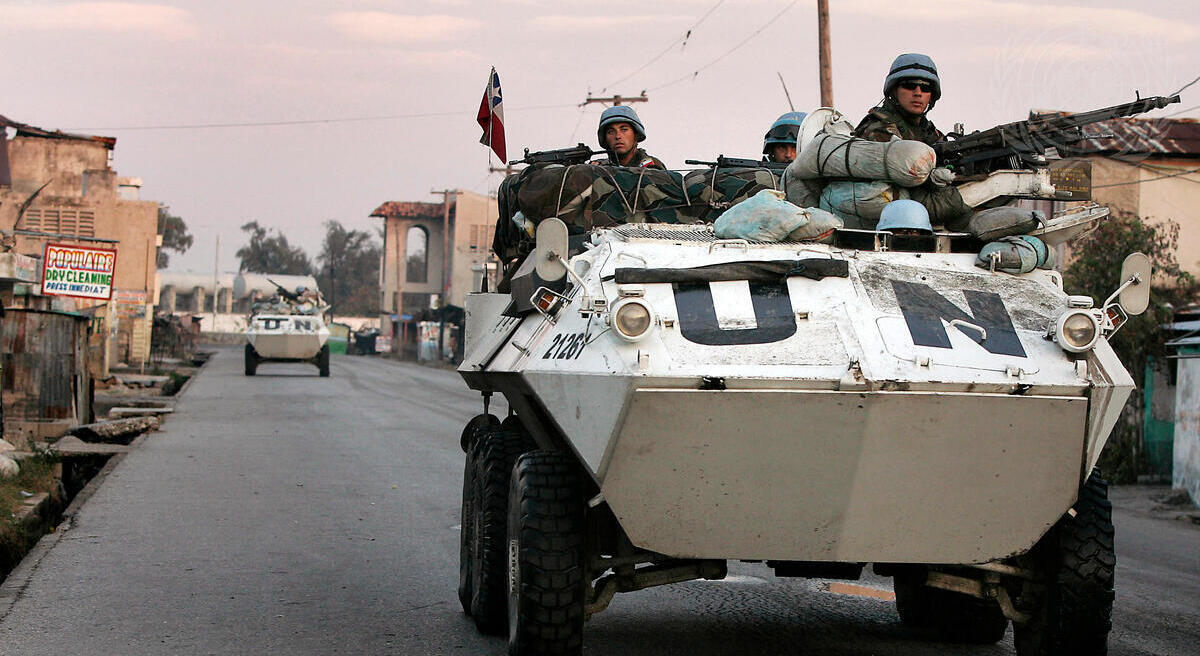
In Haiti, in the midst of a protracted economic crisis, violence linked to non-state armed groups have disrupted food supplies and forced over 362,000 people to flee their homes and abandon their livelihoods — including farmland — amid continued uncertainties about the timing of the deployment of a Multinational Security Support Mission. The report warns that critical levels of food insecurity and malnutrition risk worsening further, with the threat of catastrophic conditions reemerging, especially in areas where humanitarian access is limited by gang violence.
In Mali, already critical and catastrophic levels of acute food insecurity are likely to further increase, driven primarily by an intensification of conflict and compounded by the full withdrawal of the UN Multidimensional Integrated Stabilization Mission in Mali.
In South Sudan, the number of people facing starvation and death is projected to almost double between April and July 2024, compared to the same period in 2023. Tight domestic food supplies and sharp currency depreciation are driving food prices to soar, compounded by likely floods and recurrent waves of subnational conflict. A projected further rise of returnees and refugees from the Sudan is likely to increase acute food insecurity among both new arrivals and host communities.
Climate threats persist
The previous Hunger Hotspots report from 2023 warned of the threat posed by El Niño and associated extreme climatic events that put millions of people at risk of hunger and malnutrition. As the El Niño episode comes to an end, it is evident that its impact was severe and widespread — including devastating drought in Southern Africa and extensive floods in East Africa.
This edition of the report warns that La Niña conditions are expected to prevail between August 2024 and February 2025, significantly influencing rainfall distribution and temperatures. The shift in climate could have major implications for several hotspots, including risk of floods in parts of South Sudan, Somalia, Ethiopia, Haiti, Chad, Mali and Nigeria, as well as the Sudan. Meanwhile, the Caribbean is bracing for an extremely active Atlantic hurricane season. The report warns that due to the uncertainty of current forecasts, continuous monitoring will be vital.
Related Articles: Projected Famine in Gaza: FAO Urges Immediate Access to Deliver Urgent and Critical Assistance at Scale | Worsening Hunger Grips West and Central Africa Amid Persistent Conflict and Economic Turmoil | Acute Hunger: 1 in 5 People in Need of Critical Urgent Action
Hunger hotspots report: Key Findings
According to the report, Mali, Palestine, South Sudan and the Sudan remain at the highest alert level and require the most urgent attention. Haiti was added to the list due to escalating violence and threats to food security. Conflict is the primary driver of hunger in all these areas. All hotspots of the highest concern have communities facing or projected to face starvation, or are at risk of sliding towards catastrophic conditions, given they have already emergency levels of food insecurity and are facing severe aggravating factors.
Chad, the Democratic Republic of Congo, Myanmar, the Syrian Arab Republic and Yemen are hotspots of very high concern, with a large number of people facing critical acute food insecurity, coupled with worsening drivers that are expected to further intensify life-threatening conditions in the coming months.
Since the previous edition of the Hunger Hotspots report (October 2023), the Central African Republic, Lebanon, Mozambique, Myanmar, Nigeria, Sierra Leone and Zambia have joined Burkina Faso, Ethiopia, Malawi, Somalia and Zimbabwe in the list of hunger hotspots, where acute food insecurity is likely to deteriorate further during the outlook period.
Scaling up anticipatory action and humanitarian action to prevent worsening food insecurity
The report provides concrete country-specific recommendations on priorities for anticipatory action and immediate emergency response to address existing and emerging needs to save lives and ensure predictable hazards do not become full-blown humanitarian disasters.
Immediate humanitarian action delivered at scale will be critical to prevent further starvation and death — particularly in Mali, Palestine, South Sudan, the Sudan and Haiti. But the report warns that to effectively address and prevent famine, emergency agriculture — in addition to emergency food and cash assistance — must be provided in a balanced manner. Additionally, more investments are needed in integrated solutions across multiple organizations that can help to meaningfully tackle food insecurity and reduce reliance on emergency food assistance.
** **
 This article by the Food and Agriculture Organization of the United Nations (FAO) is published here as part of an editorial collaboration with the FAO.
Editor’s Note: The opinions expressed here by the authors are their own, not those of Impakter.com — In the Cover Photo: A Palestinian resident walks beside a building destroyed by Israeli air strikes in Gaza. A temporary ceasefire, brokered by his Special Coordinator, Robert Serry, has allowed civilians in Gaza to resume some daily routines and for repairs to start on essential electrical and water infrastructure, Gaza, July 17, 2014. Cover Photo Credit: UN Photo/Shareef Sarhan.