The Food and Agriculture Organization of the United Nations (FAO) raises alarm over rapidly deteriorating hunger crisis in the Gaza Strip, where famine is projected to occur anytime between now and May 2024 in the northern governorates, according to a new report published today by the Integrated Food Security Phase Classification (IPC) global initiative. The rest of the Gaza Strip is also at the risk of future famine in the worst case scenario if the hostilities do not cease and humanitarian assistance at scale does not reach those most in need.
The new data released today indicates that the entire population in the Gaza Strip is facing high levels of acute food insecurity classified in IPC Phases 3 (Crisis), 4 (Emergency) or 5 (Catastrophe). This includes half of the population or about 1.11 million experiencing catastrophic food insecurity (IPC Phase 5). Compared to the IPC previous analysis issued in December 2023, acute food insecurity in the Gaza Strip has deepened and widened with 79 percent and 92 percent more people sliding into catastrophic levels of hunger in the current (mid-February – mid-March) and the projected period (mid-March – July), respectively.
“This updated IPC analysis validates what we all feared – a deepening and rapid deterioration of the food security situation in Gaza. Half of the population are facing catastrophic levels of food insecurity,” said FAO Deputy Director-General Beth Bechdol. “This reaches the highest ever recorded level, unlike anything we have ever seen before. In December, the previous IPC report signalled that famine was likely. If no steps are taken to cease hostilities and to provide more humanitarian access, famine is imminent. It could already be occurring. Immediate access is needed to facilitate delivery of urgent and critical assistance at scale.”
According to the IPC latest data, virtually all households are skipping meals every day and adults are reducing their meals so that children can eat. In the northern governorates, in nearly two thirds of the households, people went entire days and nights without eating at least 10 times in the last 30 days. Recent data shows that, in the northern governorates, one in three children under the age of two is acutely malnourished.
FAO has repeatedly called for urgent measures to save the population of Gaza. In November, Director-General QU Dongyu called for an immediate humanitarian ceasefire in Gaza to ease civilian suffering and to facilitate the delivery of urgent assistance. In March, Qu reiterated FAO’s alarming concerns in a statement delivered during an event organized by the Italian Government: “Peace is a prerequisite for food security and the Right to Food is a basic human right.”
The escalation of hostilities has halted supplies of water, food and fuel, causing the collapse of all food-related sectors, including vegetable production, livestock production, and fisheries and aquaculture.
Around 60 to 70 percent of meat and dairy-producing livestock in Gaza have been either killed or prematurely slaughtered to meet the dire food needs stemming from the conflict.
Related Articles: The War Zone in Gaza Will Leave a Legacy of Hidden Health Risks | Gaza War: From Extreme Violence To Human Kindness | A New Arrangement for Gaza’s Future | Gaza War: An Innovative Idea to Untie the Gordian Knot
FAO is deeply concerned about significant livestock losses, which is indispensable for the livelihoods and the survival of families in Gaza. Providing animal feed is not just a way to sustain rural livelihoods or an economic asset for the families involved: keeping a family’s animal alive and productive gives them an at-hand source of protein, nutrition, and milk – especially critical for children.
“As FAO, it is vital that we focus on everything around keeping livestock alive, which is about ensuring access to milk particularly for children who are malnourished or at risk of malnourishment. Additionally, people need access to nutritious foods and vegetables,” said FAO Director for Emergencies and Resilience, Rein Paulsen.
FAO has mobilized to provide key agricultural supplies into Gaza as soon as conditions allow. The Organization’s initial priority has been to move animal feed, specifically 1 500 tonnes of barley, through one or two of the remaining open border crossings where food distribution is taking place. The 1 500 tonnes of barley FAO hopes to deliver should be sufficient to provide milk for all children under 10 years of age in Gaza, providing around 20 percent of the World Health Organization’s recommended minimum daily requirement in terms of caloric intake.
In addition, FAO is mobilizing other vital agricultural supplies such as water tanks, veterinary kits and fuel to Gaza, once access is made available, to protect livestock and sustain livelihoods.
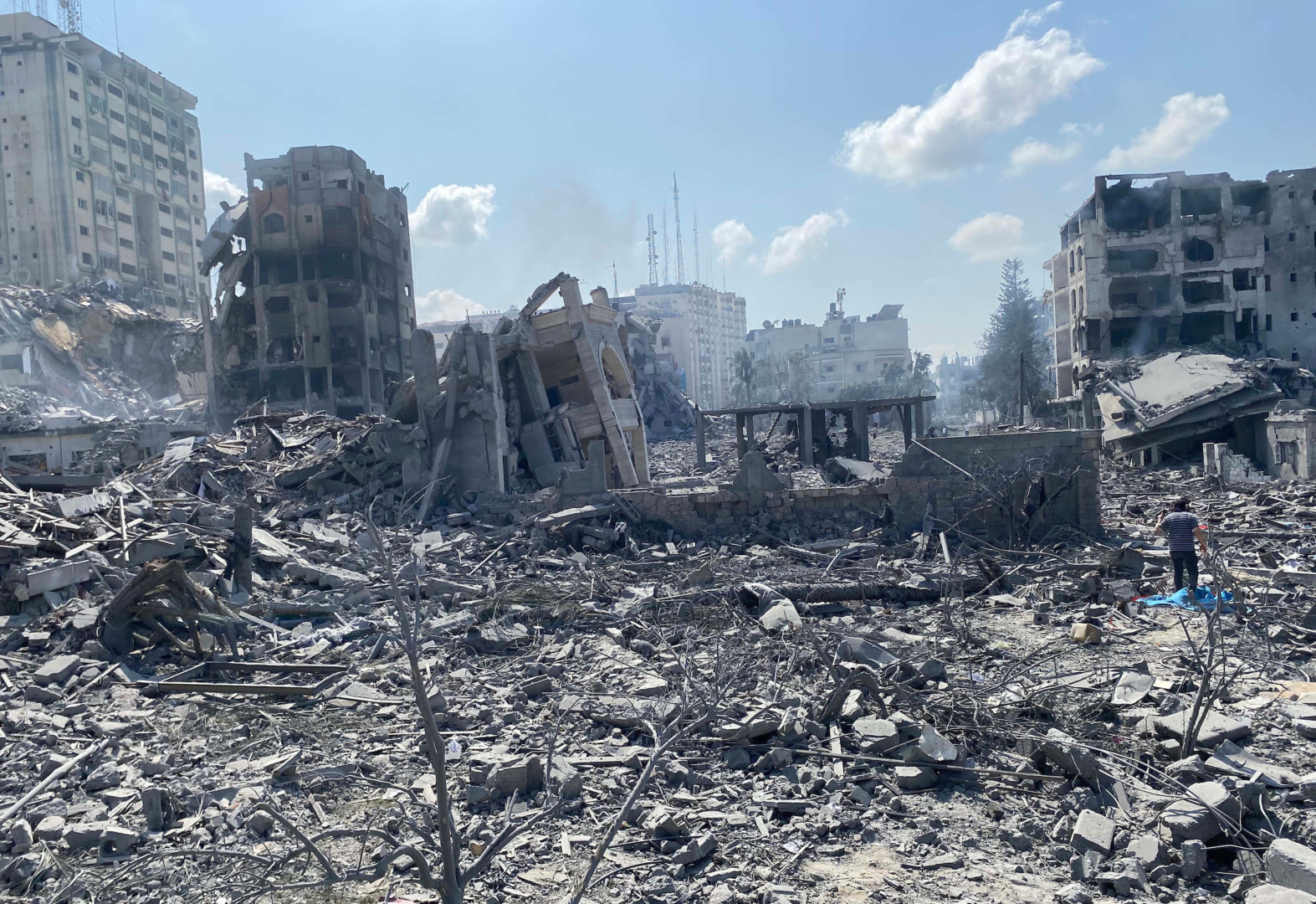
Editor’s Note: The opinions expressed here by the authors are their own, not those of Impakter.com — In the Featured Photo: Palestinians inspect the damage following an Israeli airstrike on the El-Remal aera in Gaza City on October 9, 2023. Featured Photo Credit: Wikimedia Commons.