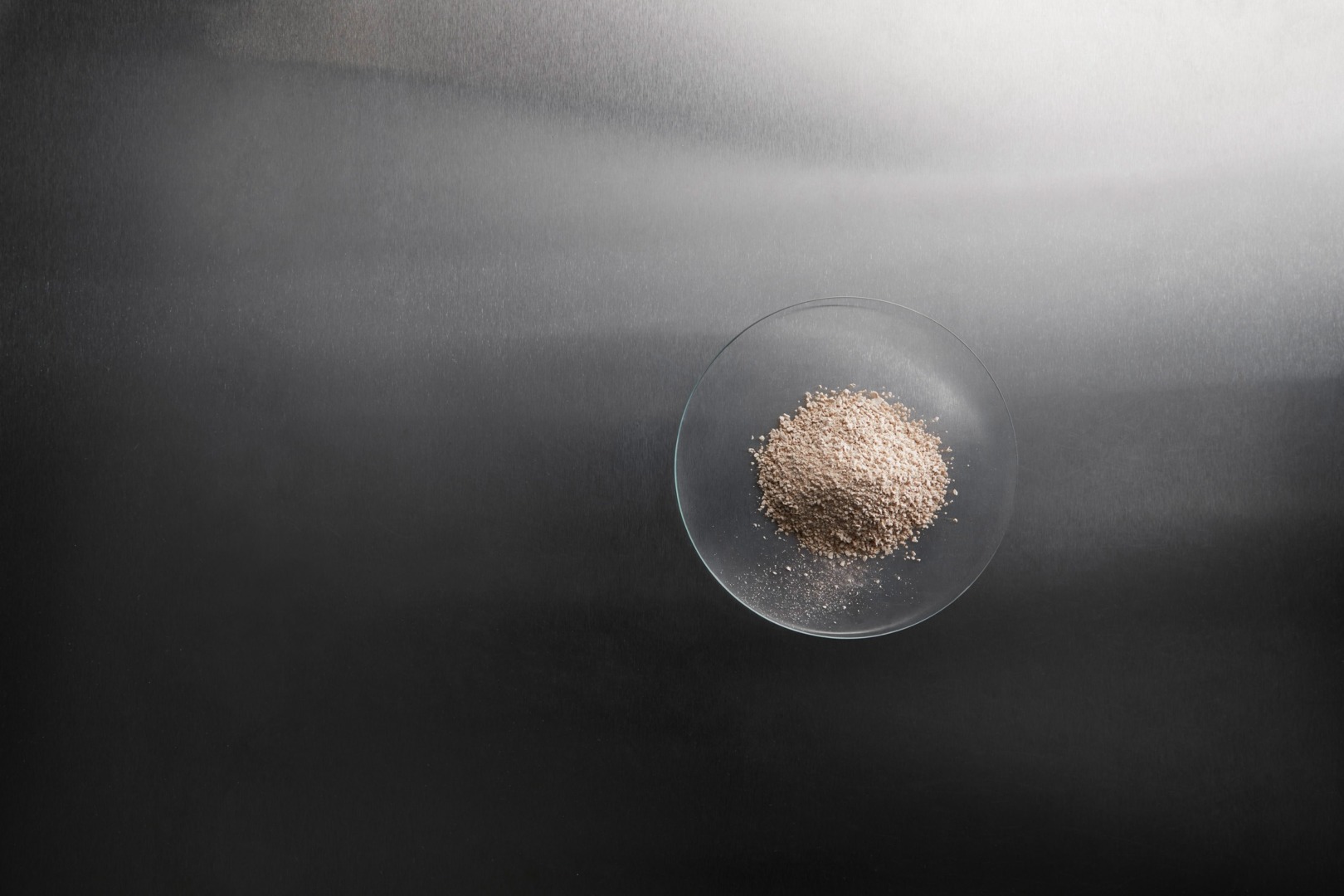
Meatless protein has sparked controversy in food-lovers worldwide, especially with the nutritional concerns, different taste and texture, and environmental impact. With livestock production contributing around 11% of global greenhouse emissions and various ethical concerns on factory farms, there is certainly room for improvement.
Food pioneers have been creating meatless alternatives for protein, seeking to address the concerns surrounding traditional meat consumption. One such pioneering approach involves the use of mycoproteins.
Mycoprotein is a protein-rich substance derived from fungi, particularly a filamentous fungus called Fusarium venenatum. It is produced through fermentation, where the fungus is cultivated in a nutrient-rich environment to yield a biomass that is then harvested and processed into a meat-like texture. Mycoprotein serves as a sustainable and nutritious alternative to traditional meat, offering a complete protein source with minimal environmental impact.
Mycoproteins rose to fame in the 1960s. With Europe and Asia struggling to match pre-WWII food production, there was a lack of protein-rich food sources. This sparked initial developments of plant-based strains that could convert starch into protein. During the 1970s, researchers tested mycoproteins on animals, finding great success in protein production and overall safe consumption.
Enter: Startup Enifer
Originally developed and commercialized in 1975, the original PEKILO, a Finnish innovation, saw its production come to a halt in 1991 as the availability of by-products from the pulp and paper industry ceased, coinciding with the influx of cheap imported soya into global markets for food and feed.
Fast forward to 2020, the inception of startup Enifer marks a significant resurgence. Founded by a team of scientists from the Technical Research Centre of Finland, Enifer aims to revive the production of PEKILO, the Original Mycoprotein. After three decades of dormancy at -80°C, the fungus is awakened to contribute once more to feeding the world. With the launch of Enifer, the company is poised to spearhead development and commercialization efforts, breathing new life into this innovative solution.
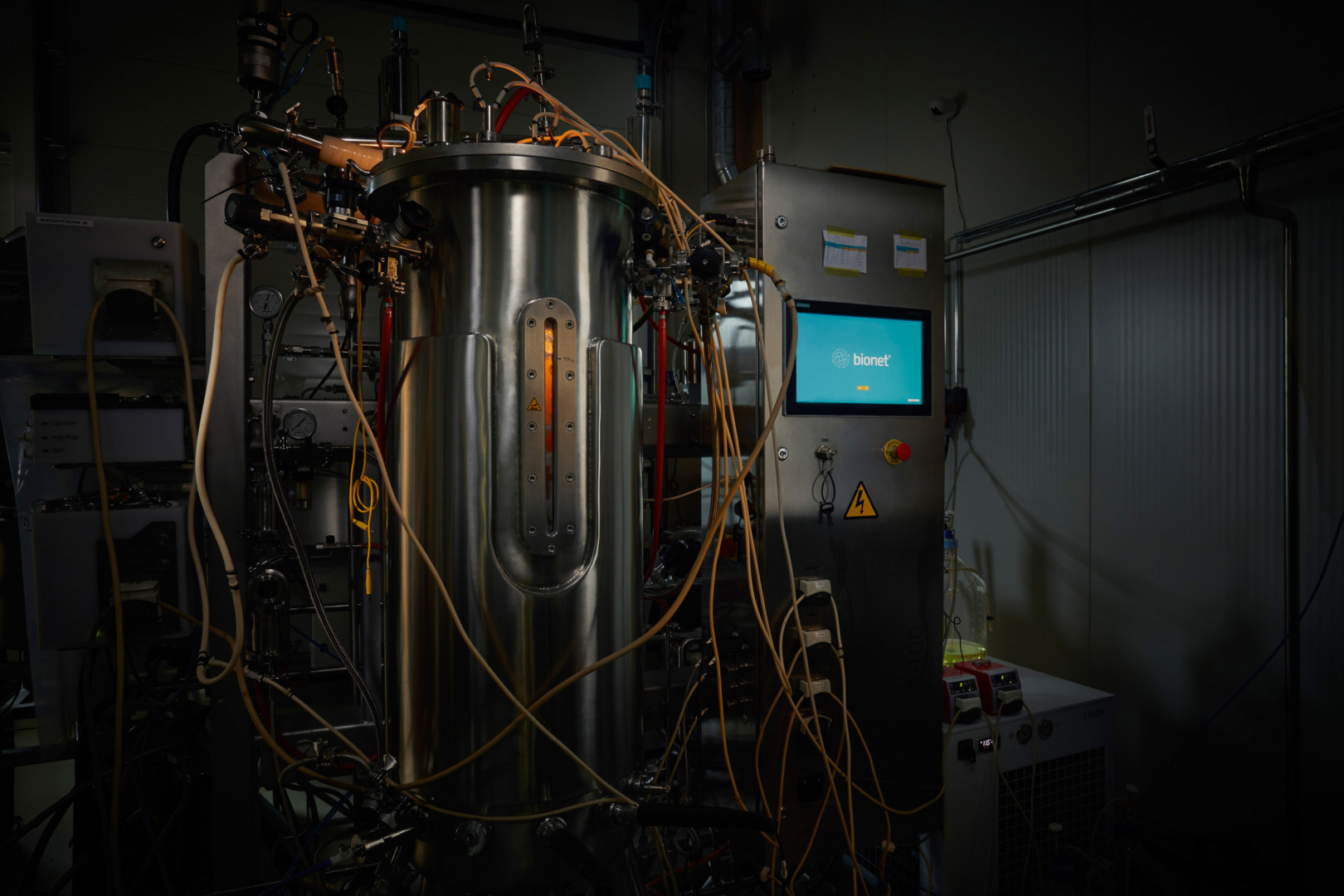
Based in Finland, the company boasts an optimized production process after decades of research and development. Enifer presents tangible benefits to surrounding communities, with minimal land and water use, and highly resilient food systems.
“Using the molecular level of control afforded by modern biotechnology, we have optimized PEKILO production on a wide variety of by-products from diverse industries and geographies,” their website says. “The PEKILO process is unique among mycoproteins in using a wide range of by-product streams as raw material. Our process can run on renewable energy, making our overall CO2 footprint very low. Unlike growing plants, our process also does not require new land to be used and the water use is negligible.”
Enifer’s specialization in three distinct products — PEKILO, PEKILO Aqua, and PEKILO Pet — underscores their commitment to providing sustainable protein solutions across various sectors. PEKILO stands out as an ideal drop-in ingredient for food producers seeking a neutral-tasting protein alternative, and has high protein content (~55%) and significant fiber content (~35%). With its balanced amino acid profile and versatile application possibilities, PEKILO serves as an excellent complement to plant protein concentrates, facilitating the achievement of nutritional claims for high protein and fiber in diverse food products.
Furthermore, PEKILO Aqua emerges as a groundbreaking aquafeed ingredient, sparking potential upside within the aquaculture industry. Sustainably produced from agri- or forest industry by-products, PEKILO Aqua boasts an impressive crude protein content of 65%, along with high levels of nucleotides and beta-glucans. With PEKILO Aqua’s exceptional protein digestibility rates and immune-stimulating properties, PEKILO Aqua supports the growth and health of aquatic species through sustainable aquafeed solutions.
Related articles: How to Shift to, Grow, and Build Circular Economy | 5 Indian Sustainable Startups to Watch This Fall | Five Sustainable Startups From Bogotà | 4 Ways to Reduce Plastic Pollution | 5 Alternative Protein Startups to Watch | 9 Sustainable Startups From the Baltic Countries to Watch | Why We Need a Transformative Circular Economy | 5 Disruptive Circular Economy Startups to Watch
Finally, PEKILO Pet emerges as a premium protein source for sustainable pet food formulations, tailored to meet the nutritional needs and preferences of cats and dogs. With over 60% protein content, along with a rich fiber profile and low ash content, PEKILO Pet offers highly digestible and palatable nutrition for beloved pets. Its inclusion of functional fibers like beta-glucan further enhances its health benefits, ensuring that pets receive optimal nutrition while minimizing environmental impact.
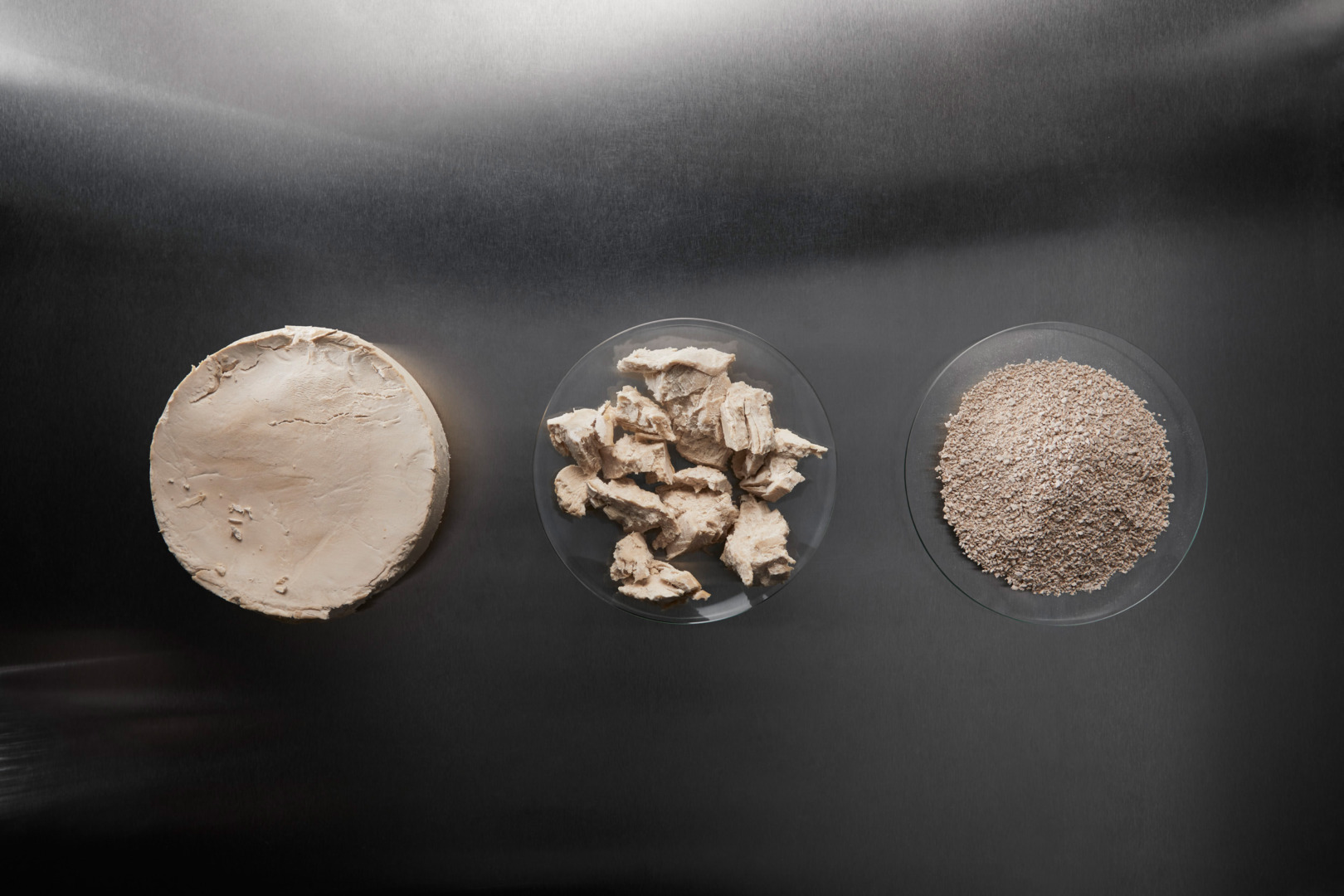
Enifer’s 5-Step Process
Startup Enifer uses a five-step process to ready its PEKILO for distribution:
- Fermentation: Liquid raw materials are continuously fed into PEKILO-fermentation.
- Fungus Growth: Fungus is grown in steel tanks with frequent nutrient additions. This process is similar to brewing, conditions are optimal for rapid fungal growth.
- Straining: The PEKILO mass (mycelium) is strained to remove excess water. Similar to straining fresh cheese, PEKILO’s straining process is fairly straightforward.
- Drying: The PEKILO mass is dried in hot air, breaking down into a fine powder.
- Shipment: The final product is stored in silos, ready for distribution to partners.
What’s Next for Startup Enifer?
According to its website, startup Enifer has not commercialized its PEKILO line yet, with PEKILO plant construction starting this year. However, Enifer has already forged strong partnerships with top companies in the feed and food industries, such as Skretting and Purina.
Furthermore, startup Enifer has won various awards and recognition since 2020, gaining publicity and global recognition for its impressive feats within the food industry. As a result, the Finnish biotech startup received a €12 million grant to build its first mycoprotein ingredient factory, capable of producing around 3 million kg per year, on par with the amount of protein from 30,000 cows but with 20 times lower carbon emissions. Furthermore, the company announced that it secured €36M in funding, preparing to cover the protein needs of almost 40,000 people with just one factory.
While Enifer expects regulatory approval on its ingredients some time this year, the company evidently has ambitious goals for the next decade. Especially with the growing global demand for sustainable protein alternatives, Enifer’s strategic partnerships, innovative technology, and significant funding place it in a favorable position to revolutionize the food industry.
With plans to commercialize its PEKILO line and establish a state-of-the-art mycoprotein ingredient factory, Enifer is poised to meet the protein needs of a rapidly evolving market while reducing environmental impact. As regulatory approvals are anticipated and production ramps up, Enifer’s ambitious vision for the future holds the promise of a more sustainable and nutritious food landscape, setting a new standard for protein production and consumption worldwide.
Editor’s Note: The opinions expressed here by the authors are their own, not those of Impakter.com — Cover Photo Credit: Enifer.