David Attenborough graces our screens again in his most poignant documentary yet. Over the course of his 60-year career as a naturalist and beloved wildlife narrator, the landscape of the natural world has changed dramatically. Now, at 93, Attenborough is taking the opportunity to reflect on the changes that have occurred over the span of his lifetime.
It is clear from the start that this is both a personal love letter for the world he grew up in and a stark warning of how – as a society – we have squandered this gift.
A household name synonymous with wildlife documentaries, Attenborough has always championed conservationist causes. His iconic nature documentaries have increasingly touched on the issue of declining biodiversity and the impact of climate change on the natural world. It would be difficult – if not impossible – to avoid addressing these issues in wildlife programs where the consequences can be so palpably witnessed.
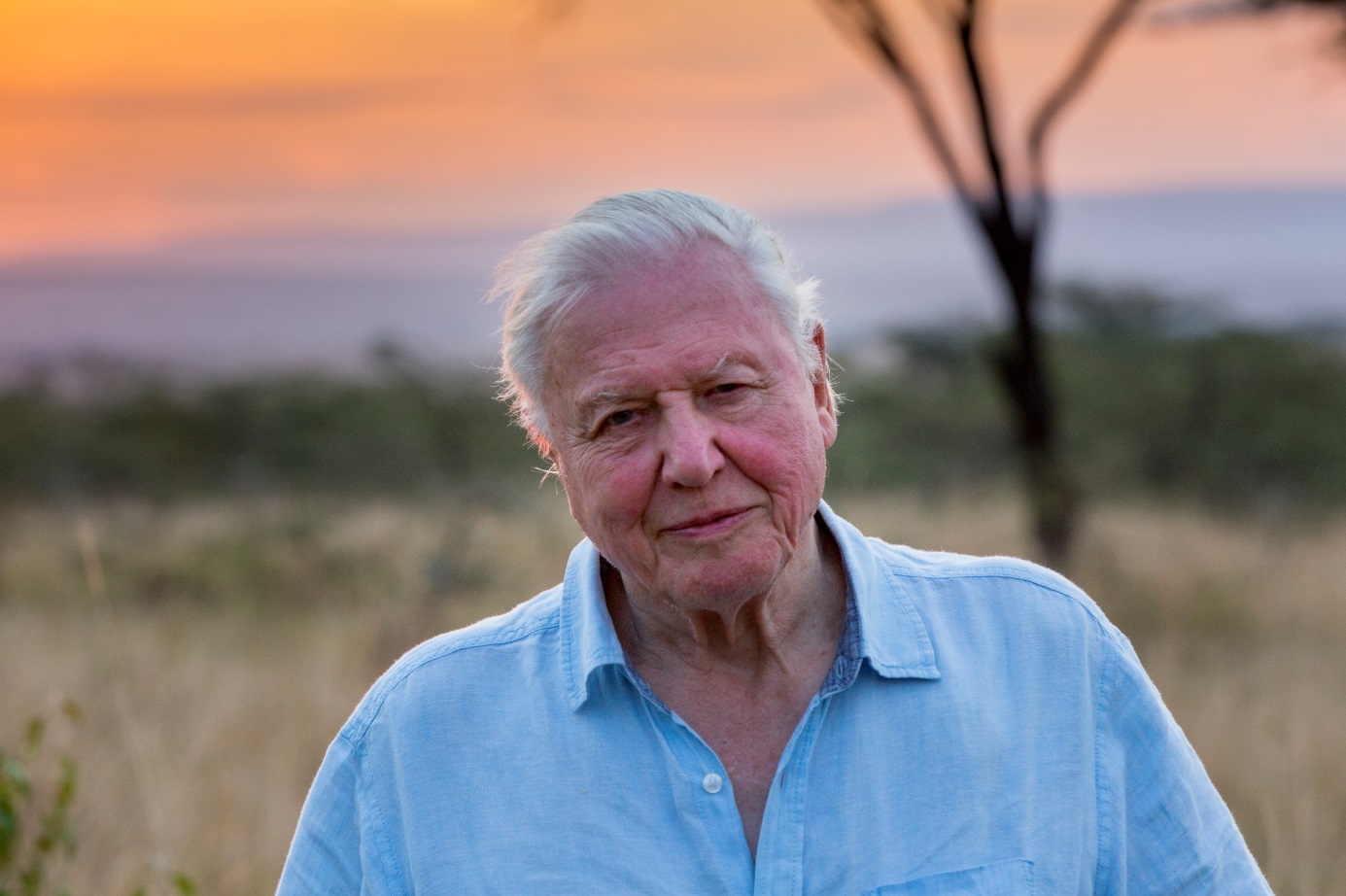
However, quintessential series like “Planet Earth” continued to tread carefully around “politicising” the topic and stuck largely to the expected content of traditional programming. Perhaps in the hopes it would still spark enough concern in its viewers to become more environmentally conscious.
In contrast, “A Life On Our Planet” is an explicit call to action never quite expressed before in his documentaries. In an intimate address to the viewer, Attenborough calls this his “witness statement” detailing the world’s devastating biodiversity loss at the hands of humanity, along with his vision for the future.
The documentary was released on Netflix on Sunday, 4 October 2020 and it is clear from the start that this is both a personal love letter for the world he grew up in and a stark warning of how – as a society – we have squandered this gift.
In one uncharacteristically raw scene we see a glimpse of the full weight of Attenborough’s emotions. Ever the professional, the sombre moment almost feels like a fourth wall break from his usual role as the narrator. While he takes a quiet moment to reflect during the interview, he expresses a foreboding sentiment, “We have overrun the world.”
The documentary is a perfect blend of both the sentimental and the facts. It still provides the stunning visuals viewers will have come to expect from any nature documentary with his name attached, along with special footage of Attenborough’s various exploits during his extraordinary career. But this time the captivating footage is also accompanied by visual time cards indicating the extent of population growth and the decline of wild spaces and biodiversity in context to the timeline, acting as a solemn reminder of the extent of humanity’s impact.
Related Articles: UN Summit on Biodiversity | World Fails to Meet Any of Aichi Biodiversity Targets
Looking back at his legacy, Attenborough fondly describes the balanced and diverse natural world he experienced early in his career as “our garden of eden.” Also known as the Holocene, this period of stability has followed the last major ice age – the fifth mass extinction on our planet in four billion years. But he warns that this usually dependable environment can no longer be relied on as temperatures rise from global warming and biodiversity is gutted.
The documentary details how the fast pace of human progress has led to an unconstrained consumption of finite natural resources, noting how we are overwhelmingly replacing the wild with the tame and with nothing to stop us but ourselves. But this reality cannot be sustained. As the timeline rolls forward past 2020, the documentary depicts a sobering vision of future ecological disaster if we continue on this path.
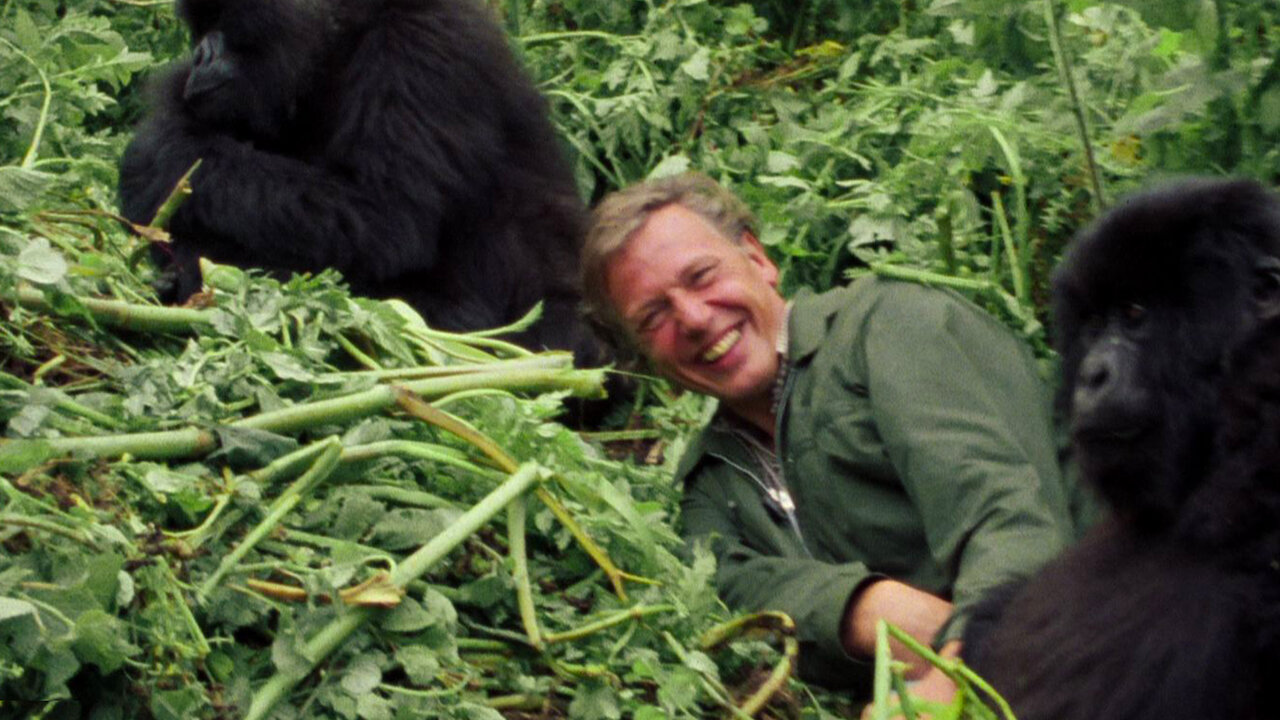
Biodiversity, Attenborough argues, is the answer to these problems. The significance of biodiversity in maintaining ecosystems both in our oceans and on land is not just so animals and plants can flourish, but so humanity can survive.
Attenborough remarks that healthy and diverse oceans and forests are one of our most important natural allies in removing excess CO2 from the atmosphere – acting essentially as “carbon sponges” – and that rewilding the majority of these spaces is our key to survival.
The overarching message as the documentary draws to a close is that it’s still not too late if we act now. It paints a picture of a future world where society has finally achieved harmony with the natural world. This includes rewilding vast expanses of nature and shifting from a dependency on fossil fuels to renewable energy sources as well as fine tuning our agricultural processes and diets to minimise our damaging impact.
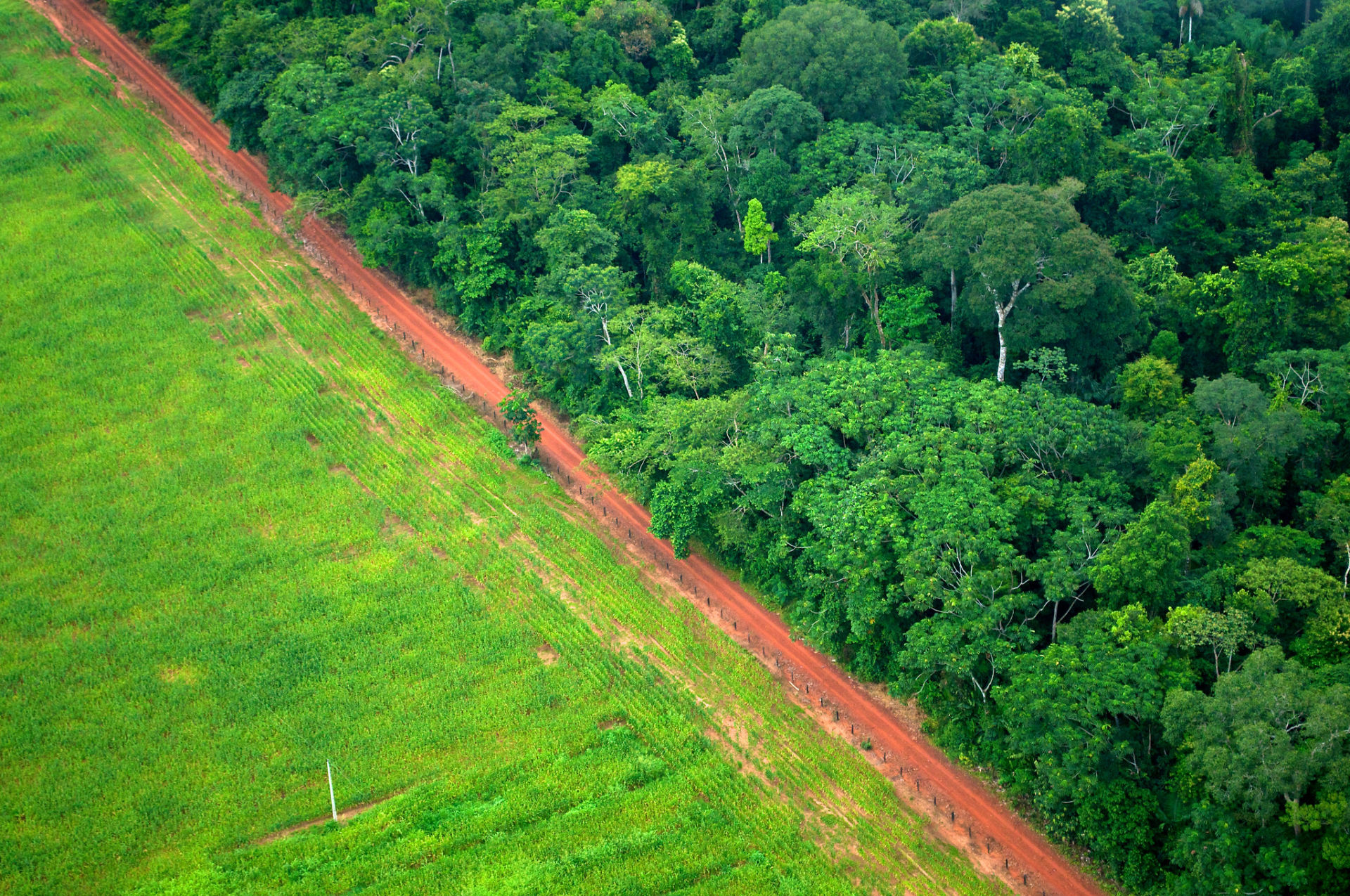
This means cutting down on meat consumption, implementing sustainable fishing tactics and using new techniques to increase produce yields to reduce the amount of land needed for farming.
There is a sense of finality and urgency to Attenborough’s message throughout the film. A last ditch appeal to the conscience of the public at large, after decades of advocacy on screen for the inherent beauty and value of the natural world. But it also serves as a warning of where the real threat lies.
The real threat is not to the survival of the planet, Attenborough warns, but to the survival of humanity.
The opening and closing scenes are filmed in Chernobyl, Ukraine. As the camera pulls back, the healed aftermath of the explosion is revealed: an entire city overgrown with foliage, reclaimed by local wildlife.
In the absence of humans, the environment has re-established a balanced ecosystem. The real threat is not to the survival of the planet, Attenborough warns, but to the survival of humanity. And if we want to survive, “we need to learn to work with nature, not against it.”
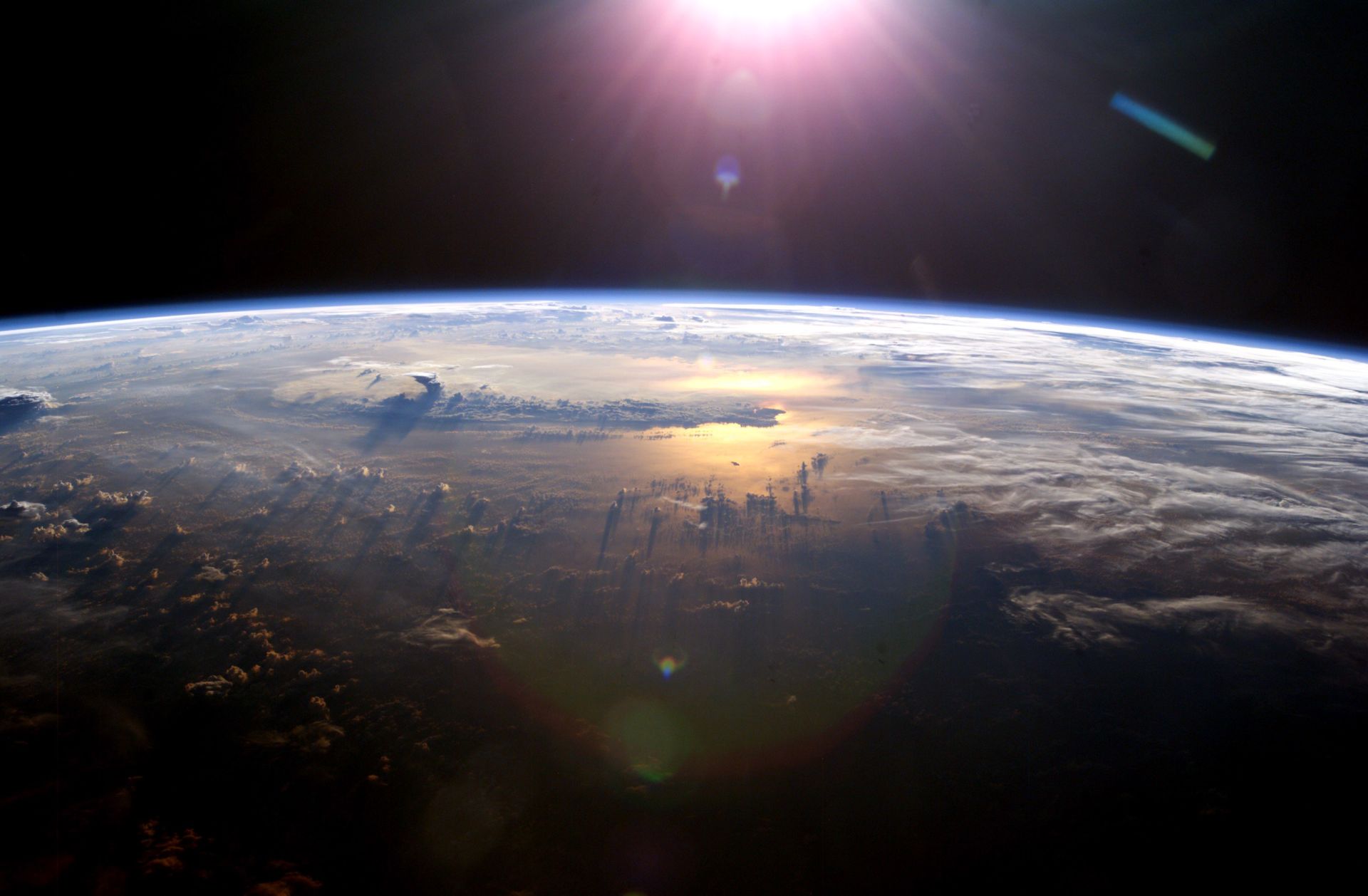
Editor’s Note: The opinions expressed here by Impakter.com columnists are their own, not those of Impakter.com. — In the Featured Photo: Sun Over Earth (NASA, International Space Station, 07/21/03). This view of Earth’s horizon as the sun sets over the Pacific Ocean was taken by an Expedition 7 crewmember onboard the International Space Station (ISS). Anvil tops of thunderclouds are also visible. Featured Photo Credit: NASA