
Today’s ESG Updates
- Climate Risks Raised Ahead of 2026 World Cup: Scientists warned that rising temperatures could expose players and fans to dangerous heat conditions during the 2026 FIFA World Cup across North America.
- Canada Advances Industrial Carbon Pricing Plan: Prime Minister Mark Carney is expected to announce a new agreement with Alberta that would gradually raise industrial carbon pricing to strengthen incentives for emissions reductions.
- US House Backs Year-Round E15 Gasoline Sales: Lawmakers approved legislation allowing nationwide year-round sales of gasoline containing 15% ethanol, boosting support for the biofuel sector.
- Egypt Secures Major Food and Energy Financing Deal: Egypt signed a $1.5 billion agreement with the International Islamic Trade Finance Corporation to support wheat imports and energy security amid ongoing economic pressures.
Scientists warn heat could disrupt 2026 FIFA World Cup matches
A new climate study has raised fresh concerns about extreme heat at the 2026 FIFA World Cup, with researchers finding that around a quarter of the tournament’s matches could be played in temperatures above recommended safety limits. According to World Weather Attribution, the likelihood of dangerous heat conditions has almost doubled compared to the 1994 World Cup held in the United States.
Researchers said hydration breaks and cooling systems alone may not fully reduce the risks posed by extreme heat for players and spectators. Scientists and player representatives have urged FIFA to reconsider the scheduling of future World Cups amid intensifying summer heatwaves in vulnerable regions.
***
Further reading: Study warns of dangerous heat at 2026 World Cup as climate risks grow
Klimado – Navigating climate complexity just got easier. Klimado offers a user-friendly platform for tracking local and global environmental shifts, making it an essential tool for climate-aware individuals and organizations.
Carney expected to announce new Alberta carbon pricing deal
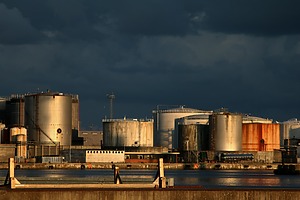
A new agreement on industrial carbon pricing is expected to be announced in Alberta by Canadian Prime Minister Mark Carney during a visit to Calgary this week. The proposed deal would gradually raise the effective cost of industrial carbon credits to C$130 per metric ton by 2040, as part of efforts to strengthen emissions-reduction incentives for heavy industries.
The agreement will also support wider energy development plans, including a proposed crude oil pipeline to Canada’s northwest coast. While environmental groups have argued that stronger carbon pricing should be introduced sooner to accelerate emissions reductions, Alberta and oil industry representatives have supported a slower timeline, citing concerns over competitiveness, investment, and future oil production growth.
***
Further reading: Carney to visit Calgary on Friday to announce industrial carbon pricing deal, sources say
Related Articles
Here is a list of articles selected by our Editorial Board that have gained significant interest from the public:
US lawmakers back nationwide year-round E15 gasoline sales

The U.S has passed legislation allowing the year-round sale of E15 gasoline. The bill was passed by the U.S. House of Representatives, delivering a major win for biofuel producers and farming groups. If approved by the Senate, the legislation would allow the year-round sale of gasoline containing 15% ethanol by removing seasonal restrictions previously tied to smog concerns during the summer months.
Supporters say wider access to E15 could help ease fuel prices and boost demand for domestically produced biofuels as energy markets remain under pressure. Critics, however, argue that the measure could increase refiners’ compliance costs, add pressure to the federal budget, and raise environmental concerns.
***
Further reading: US House passes bill allowing year-round sales of E15 gasoline

Egypt signs major financing deal to support food and fuel needs

A $1.5 billion financing agreement has been signed between Egypt and the International Islamic Trade Finance Corporation (ITFC) to support the country’s food and energy security. Under the deal, funding will be distributed between Egypt’s state commodities authority and its national petroleum corporation to help finance food imports and energy needs.
The agreement comes as Egypt continues to face economic pressures linked to regional instability and broader reform efforts under its International Monetary Fund program. Rising reliance on imported wheat and energy supplies has increased pressure on government finances. At the same time, concerns have grown over the future of the country’s long-standing subsidy system, which supports millions of citizens by subsidizing bread and other essential goods.
***
Further reading: Egypt signs $1.5 billion loan deal with ITFC to support food, energy security
Editor’s Note: The opinions expressed here by the authors are their own, not those of impakter.com — In the Cover Photo: World Cup Stadium Cover Photo Credit: Johannes Hübner