Impakter
  • Environment
    • Biodiversity
    • Climate Change
    • Circular Economy
    • Energy
  • FINANCE
    • ESG News
    • Sustainable Finance
    • Business
  • TECH
    • Start-up
    • AI & Machine Learning
    • Green Tech
  • Industry News
    • Entertainment
    • Food and Agriculture
    • Health
    • Politics & Foreign Affairs
    • Philanthropy
    • Science
    • Sport
  • Editorial Series
    • SDGs Series
    • Shape Your Future
    • Sustainable Cities
      • Copenhagen
      • San Francisco
      • Seattle
      • Sydney
  • About us
    • Company
    • Team
    • Global Leaders
    • Partners
    • Write for Impakter
    • Contact Us
    • Privacy Policy
No Result
View All Result
Impakter logo
No Result
View All Result
agriculture and Food Systems FAO

Why Data-Driven Action Is Key to Transforming Agriculture and Food Systems

New FAO research shows urgent need for improvement, as well as the potential for shared learnings

The Food and Agriculture Organization of the United Nations (FAO)byThe Food and Agriculture Organization of the United Nations (FAO)
December 19, 2023
in Food and Agriculture
0

“The state of food systems worldwide in the countdown to 2030,” published today by The Food Systems Countdown to 2030 Initiative (FSCI), provides the first science-based monitoring to guide decision-makers as they seek the wholesale transformation of the global agriculture and food systems.

This transformation is needed urgently both to reduce the environmental impact of these systems and to mitigate the impact of climate change on them. The overarching objective is that all people – especially the most vulnerable – have equitable access to healthy diets through sustainable and resilient agriculture and food systems.

The UN Food Systems Summit catalysed agriculture and food system action, though policymakers often lack the data required to drive critical decisions. The FSCI is filling that gap, having identified an indicator framework composed of 50 indicators that monitor agriculture and food systems at a global level, using existing data to enable immediate action.

Repurposing existing data, rather than carrying out time-consuming new research, means policymakers have quick access to relevant information.

Following this first global baseline, the FSCI will track agriculture and food systems annually until 2030, updating the framework as needed where new indicators or better data emerge.

“The first annual Countdown report shows that no single region has all the answers,” said Lawrence Haddad, Executive Director of the Global Alliance for Improved Nutrition. “Europe and North America do well on undernutrition but poorly on indicators of unhealthy diets. In contrast, Africa and South Asia do relatively well on some environmental indicators but poorly on indicators of livelihoods. The data show very clearly that every region has significant room for improvement.”

Agriculture and food systems play a vital role in meeting all 17 Sustainable Development Goals (SDGs), yet the SDGs are insufficient to monitor these systems. The FSCI fills this gap.

Agriculture and food systems transformation is absolutely essential if countries are going to meet their Nationally Determined Contributions (NDCs). Yet this is still an emerging conversation: agriculture and food systems only played a small part in climate negotiations at COP27. They featured more strongly at the recent COP28 where over 150 countries signed the Emirates Declaration on Sustainable Agriculture, Resilient Food Systems, and Climate Action and committed to incorporate agriculture and food systems into their climate plans by 2025 – very encouraging progress.


Related Articles: Food Systems: The Missing Piece of the Climate Puzzle at COP28 | How Does Climate Change Affect Agriculture? | Strengthening Urban Food Systems in Times of Crisis | We Must Value the Role of Forests in the Global Food System | COP28: FAO Spotlights Agrifood Systems’ Potential to Address Climate Impacts and Achieve 1.5°C Goal | COP28: Global Agrifood Systems Are the Climate Solution, FAO Director-General Tells World Leaders

Mario Herrero, Professor and Director of the Food Systems & Global Change Program at Cornell University, said:


“You can’t manage what you don’t measure. That’s why we need a monitoring system that shows strengths and weaknesses at national, regional and global levels across all parts of agriculture and food systems. And this complete picture highlights successes that provide valuable lessons for others.”

The FSCI indicator framework is intended for global monitoring of agriculture and food systems transformation. It also offers a menu of indicators that can be used to design policies and actions, and inform tailored monitoring systems to meet country needs.

“We are at the beginning of the process and there are still gaps in the data that we need to fill to ensure we are effectively monitoring progress across all dimensions of agriculture and food systems,” José Rosero Moncayo, Directo of the FAO Statistics Division, said. “Filling those data gaps is a top priority for ourselves, and the global science and policy communities concerned about the future of agriculture and food systems.”

“The state of food systems worldwide in the countdown to 2030” organises agriculture and food systems monitoring into five themes: diets, nutrition, and health; environment, natural resources, and production; livelihoods, poverty, and equity; governance; and resilience. Each theme contains three to five indicator domains that together provide a comprehensive picture of agriculture and food systems.

“There is a growing urgency to transform agriculture and food systems to support healthy diets in sustainable and equitable ways, and to protect the environment,” Professor of Climate and Director of the Food for Humanity Initiative at the Columbia Climate School Jessica Fanzo concluded, adding:

“Our research sets the stage for a data-driven approach to address the challenges and seize the opportunities to create a healthier, more equitable and sustainable future for all.”

** **

This article was originally published by the Food and Agriculture Organization of the United Nations (FAO) and is republished here as part of our editorial collaboration with the FAO. 


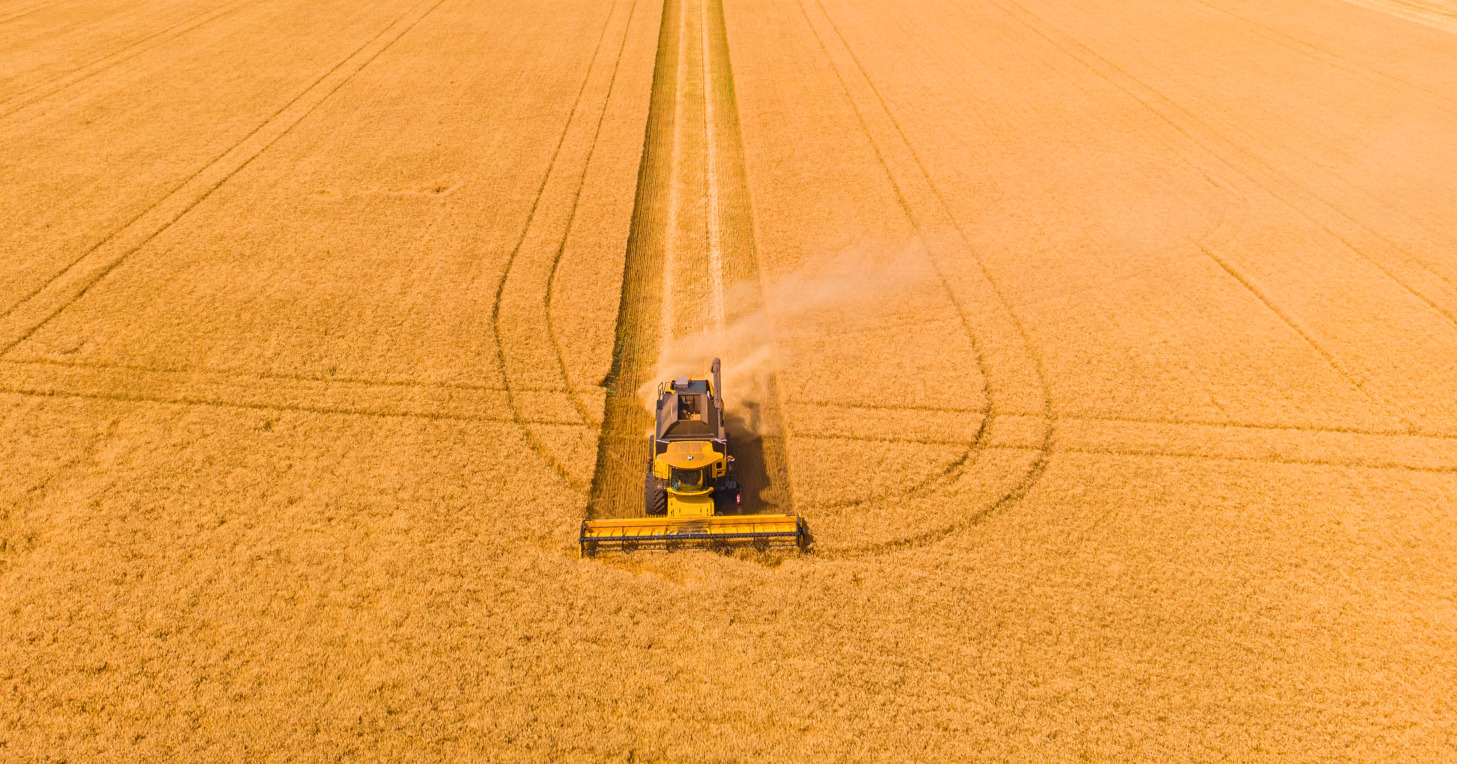
Editor’s Note: The opinions expressed here by the authors are their own, not those of Impakter.com — Featured Photo Credit: Oleksandr Ryzhkov.

Tags: AgricultureFAOfoodFood and Agriculture Organization of the United Nationsfood systemsFood Systems Countdown to 2030 InitiativeFSCIGlobal Alliance for Improved NutritionNDCsSDGssustainable development goals
Previous Post

10 Eco-Friendly Celebrities Leading the Green Revolution

Next Post

Aviation Flying High on Alternative Sources of Power

Related Posts

Transboundary Animal Diseases Pose Urgent Threat to Global Food Security
Biodiversity

Transboundary Animal Diseases Pose Urgent Threat to Global Food Security

The Director-General of the Food and Agriculture Organization of the United Nations (FAO), QU Dongyu, urged Member Countries to reinforce...

byThe Food and Agriculture Organization of the United Nations (FAO)
December 1, 2025
Animal Health
Biodiversity

Better Animal Health Is the Low-Risk, High-Reward Climate Investment We Need

Imagine if there was a way to reduce emissions from the meat, egg and dairy sector by nearly a quarter,...

byCarel du Marchie Sarvaas
November 26, 2025
One Health: Silo Barriers to Implementation and How to Overcome Them
Biodiversity

One Health: Silo Barriers to Implementation and How to Overcome Them

The One Health concept/approach must be central for governments to adopt collaborative, cross-sector policies in order to safeguard public health,...

byOne Health Initiative
November 26, 2025
A Sacred Duty
Biodiversity

A Sacred Duty

As dawn breaks over the Ororubá Mountains in Pernambuco, Brazil, a group of Indigenous youth of the Xukuru do Ororubá...

byThe Food and Agriculture Organization of the United Nations (FAO)
November 25, 2025
Instant Thickener in food and clinical nutrition
Health

Instant Thickener Safety and Consistency Basics

Instant thickeners are widely used in the food, clinical nutrition, and healthcare fields. This range of products helps people with...

byHannah Fischer-Lauder
November 22, 2025
Mindful Eating - a practical guide
Foodscape

Mindful Eating for Modern Professionals: A Practical Guide

It is easy to rush through meals when your schedule is packed. Maybe you eat lunch at your desk, finish...

byHannah Fischer-Lauder
November 19, 2025
COP30: Countries’ Climate Agrifood Ambitions Undermined by Funding Gaps, Report Finds
Biodiversity

COP30: Countries’ Climate Agrifood Ambitions Undermined by Funding Gaps, Report Finds

Developing countries recognize the urgent need to adapt agrifood systems to climate change, but most National Adaptation Plans (NAPs) are...

byThe Food and Agriculture Organization of the United Nations (FAO)
November 19, 2025
Bill Gates memo
Climate Change

Climate, Gates and COP30

Bill Gates’ recent article on the “three tough truths” of the ongoing environmental changes makes an essential point: we must...

byJosé Graziano da Silva - Former Director-General at FAO, Founder and Director of the Instituto Fome Zero, and Professor Emeritus at the University of Campinas
November 12, 2025
Next Post
Sustainable aviation fuel

Aviation Flying High on Alternative Sources of Power

Recent News

The Best Virtual Office Address In London For Your Startup

How To Choose The Best Virtual Office Address In London For Your Startup

December 5, 2025
Granddaddy Purple Strain

Where Granddaddy Purple Strain Gets Its Iconic Grape Flavor

December 5, 2025
ESG news regarding Deforestation Mandate Being Pushed; EUs Acceleration on Hydrogen and Net Zero Revolution; AT&T Will End All DEI; UK Watchdog Blocks Nike and Lacoste Ads Over Green Claims.

U-Turn in Europe: Deforestation Mandate Pushed Back Again

December 5, 2025
  • ESG News
  • Sustainable Finance
  • Business

© 2025 Impakter.com owned by Klimado GmbH

No Result
View All Result
  • Environment
    • Biodiversity
    • Climate Change
    • Circular Economy
    • Energy
  • FINANCE
    • ESG News
    • Sustainable Finance
    • Business
  • TECH
    • Start-up
    • AI & Machine Learning
    • Green Tech
  • Industry News
    • Entertainment
    • Food and Agriculture
    • Health
    • Politics & Foreign Affairs
    • Philanthropy
    • Science
    • Sport
  • Editorial Series
    • SDGs Series
    • Shape Your Future
    • Sustainable Cities
      • Copenhagen
      • San Francisco
      • Seattle
      • Sydney
  • About us
    • Company
    • Team
    • Global Leaders
    • Partners
    • Write for Impakter
    • Contact Us
    • Privacy Policy

© 2025 Impakter.com owned by Klimado GmbH