Impakter
  • Environment
    • Biodiversity
    • Climate Change
    • Circular Economy
    • Energy
  • FINANCE
    • ESG News
    • Sustainable Finance
    • Business
  • TECH
    • Start-up
    • AI & Machine Learning
    • Green Tech
  • Industry News
    • Entertainment
    • Food and Agriculture
    • Health
    • Politics & Foreign Affairs
    • Philanthropy
    • Science
    • Sport
  • Editorial Series
    • SDGs Series
    • Shape Your Future
    • Sustainable Cities
      • Copenhagen
      • San Francisco
      • Seattle
      • Sydney
  • About us
    • Our Story
    • Team
    • Partners
    • Write for Impakter
    • Contact Us
    • Privacy Policy
No Result
View All Result
  • Environment
    • Biodiversity
    • Climate Change
    • Circular Economy
    • Energy
  • FINANCE
    • ESG News
    • Sustainable Finance
    • Business
  • TECH
    • Start-up
    • AI & Machine Learning
    • Green Tech
  • Industry News
    • Entertainment
    • Food and Agriculture
    • Health
    • Politics & Foreign Affairs
    • Philanthropy
    • Science
    • Sport
  • Editorial Series
    • SDGs Series
    • Shape Your Future
    • Sustainable Cities
      • Copenhagen
      • San Francisco
      • Seattle
      • Sydney
  • About us
    • Our Story
    • Team
    • Partners
    • Write for Impakter
    • Contact Us
    • Privacy Policy
No Result
View All Result
Impakter
No Result
View All Result
Freshwater

Renewable Water Availability per Person Plunges 7% in a Decade as Global Scarcity Deepens

AQUASTAT Water Data indicates that pressure on freshwater resources is growing as demand increases in regions of scarcity

byThe Food and Agriculture Organization of the United Nations (FAO)
December 23, 2025
in Environment, Food and Agriculture

Renewable water availability per person has continued to decline by a further 7% over the past decade, while pressure on already scarce freshwater resources is increasing in several regions, according to the 2025 AQUASTAT Water Data Snapshot released by the Food and Agriculture Organization of the United Nations (FAO).

The update provides a global overview of how water availability and use are evolving, presenting new data on irrigation, efficiency, and water stress reported through the 2024 AQUASTAT cycle. Renewable water refers to freshwater that is naturally replenished through the hydrologic cycle, which includes evaporation, condensation, and precipitation.

The latest figures show that some regions — particularly Northern Africa and Western Asia — continue to operate under extremely limited freshwater endowments. Countries such as Kuwait and Qatar rank among the lowest renewable water resources per person worldwide.

Freshwater withdrawals have also increased in several regions in recent years, adding pressure to already stressed river basins and aquifers. Agriculture remains the largest water-using sector globally, accounting for 72% of withdrawals in many regions.

A closer look at regional trends and changes in water use

The Snapshot uses clear, accessible examples to illustrate how water availability and demand are shifting across regions.

In Northern Africa, freshwater availability per person remains among the lowest globally, while withdrawals have increased by 16% over the past 10 years. In Western Asia — which in the Snapshot includes most Middle Eastern countries — rapid demographic growth and agricultural demand are contributing to increased pressure on limited supplies. By contrast, some regions with comparatively higher water availability still face rising competition among sectors, particularly where urbanization and irrigated agriculture are driving demand.

Related Articles

Here is a list of articles selected by our Editorial Board that have gained significant interest from the public:

  • China Changes Tack on Water Politics
  • As Cities Grow Across Africa, They Must Plan for Water Security
  • Health Flows From Safe Water

The data also highlights wide disparities in irrigation and water-use efficiency. In parts of Latin America and Asia, irrigation supports a large share of crop production, whereas in Sub-Saharan Africa irrigated cropland represents only a small fraction of total cultivated land, reflecting persistent gaps in access to water infrastructure. The Snapshot reports improvements in water-use efficiency in several regions, while levels of water stress remain high or very high in countries where withdrawals regularly exceed renewable supplies.

The report presents updated values for the two indicators monitored under Sustainable Development Goal (SDG) 6.4, tracking water-use efficiency and water stress. While efficiency has improved overall, high stress levels underscore the need for continued efforts to manage water sustainably and build resilience to growing demands.

** **

This article was originally published by the Food and Agriculture Organization of the United Nations (FAO) and is republished here as part of our editorial collaboration with the FAO. 


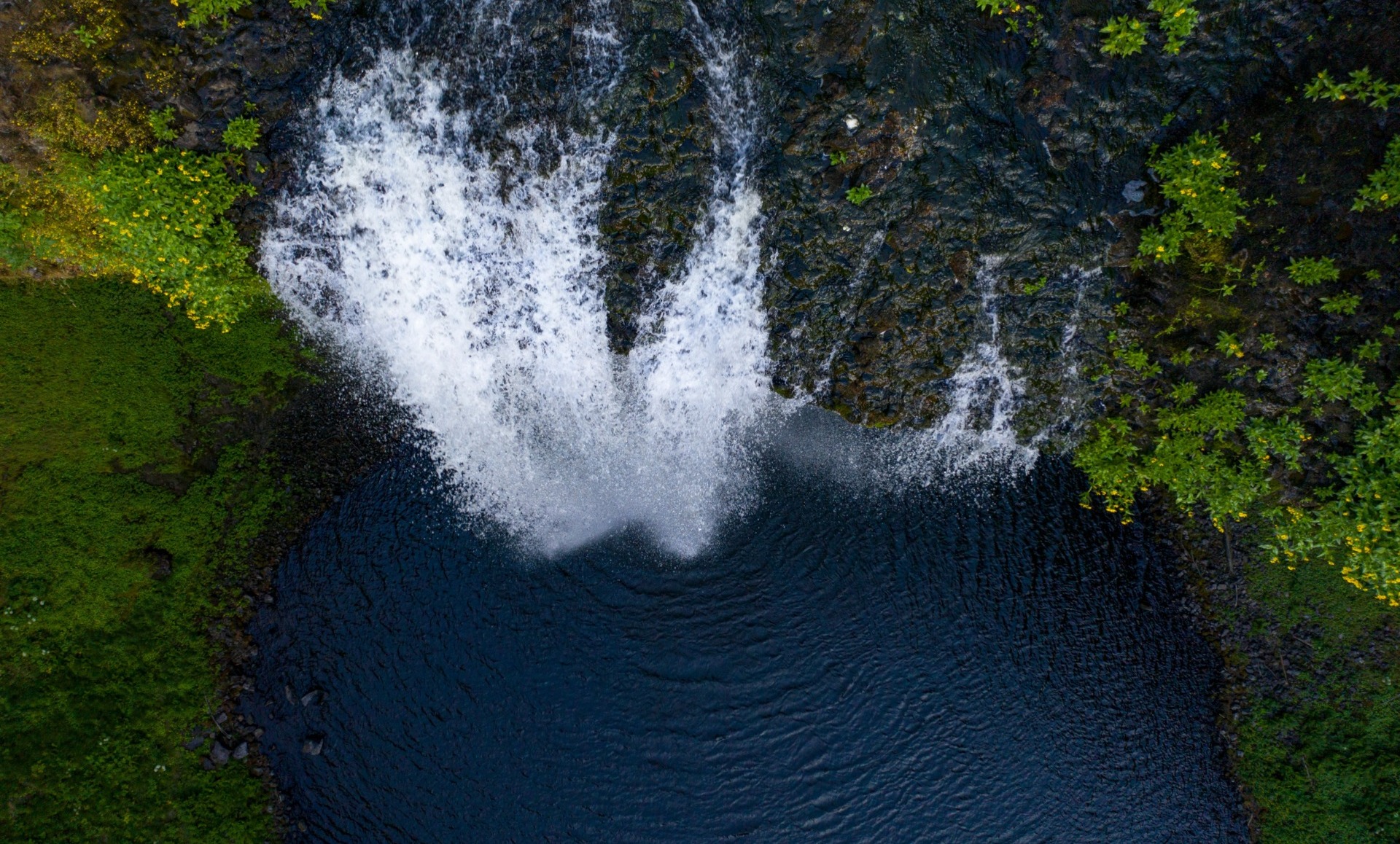
Editor’s Note: The opinions expressed here by the authors are their own, not those of Impakter.com — Cover Photo Credit: Den Meyers.

Tags: 2025 AQUASTAT Water Data SnapshotAQUASTATFAOFood and Agriculture Organization of the United NationsFreshwaterRenewable waterwaterWater Security
Previous Post

What’s Next for Sustainable Development in 2026

Next Post

The Cloud We Live In

Related Posts

solar farm
Business

Nearly Half the World’s Power Capacity Is Now Renewable — What That Really Means

April 3, 2026
Offshore oil rig
Business

Why Oil Demand Remains Resilient Amid Quest for Critical Minerals

April 3, 2026
Srawberries were found to have the widest variety of PFAS pesticides compared to any other non-organic, California-prouduced crop
Environment

‘Forever Chemicals’ Detected in Nearly 40% of Non-Organic California Produce

April 3, 2026
Next Post
Freight Forwarders expert

Top 5 Freight Forwarders: Expert Picks for 2026

Related News

solar farm

Nearly Half the World’s Power Capacity Is Now Renewable — What That Really Means

April 3, 2026
Offshore oil rig

Why Oil Demand Remains Resilient Amid Quest for Critical Minerals

April 3, 2026

Impakter informs you through the ESG news site and empowers your business CSRD compliance and ESG compliance with its Klimado SaaS ESG assessment tool marketplace that can be found on: www.klimado.com

Registered Office Address

Klimado GmbH
Niddastrasse 63,

60329, Frankfurt am Main, Germany


IMPAKTER is a Klimado GmbH website

Impakter is a publication that is identified by the following International Standard Serial Number (ISSN) is the following 2515-9569 (Printed) and 2515-9577 (online – Website).


Office Hours - Monday to Friday

9.30am - 5.00pm CEST


Email

stories [at] impakter.com

By Audience

  • TECH
    • Start-up
    • AI & MACHINE LEARNING
    • Green Tech
  • ENVIRONMENT
    • Biodiversity
    • Energy
    • Circular Economy
    • Climate Change
  • INDUSTRY NEWS
    • Entertainment
    • Food and Agriculture
    • Health
    • Politics & Foreign Affairs
    • Philanthropy
    • Science
    • Sport
    • Editorial Series

ESG/Finance Daily

  • ESG News
  • Sustainable Finance
  • Business

About Us

  • Team
  • Partners
  • Write for Impakter
  • Contact Us
  • Privacy Policy

© 2026 IMPAKTER. All rights reserved.

No Result
View All Result
  • Environment
    • Biodiversity
    • Climate Change
    • Circular Economy
    • Energy
  • FINANCE
    • ESG News
    • Sustainable Finance
    • Business
  • TECH
    • Start-up
    • AI & Machine Learning
    • Green Tech
  • Industry News
    • Entertainment
    • Food and Agriculture
    • Health
    • Politics & Foreign Affairs
    • Philanthropy
    • Science
    • Sport
  • Editorial Series
    • SDGs Series
    • Shape Your Future
    • Sustainable Cities
      • Copenhagen
      • San Francisco
      • Seattle
      • Sydney
  • About us
    • Our Story
    • Team
    • Partners
    • Write for Impakter
    • Contact Us
    • Privacy Policy

© 2026 IMPAKTER. All rights reserved.