Impakter
  • Environment
    • Biodiversity
    • Climate Change
    • Circular Economy
    • Energy
  • FINANCE
    • ESG News
    • Sustainable Finance
    • Business
  • TECH
    • Start-up
    • AI & Machine Learning
    • Green Tech
  • Industry News
    • Entertainment
    • Food and Agriculture
    • Health
    • Politics & Foreign Affairs
    • Philanthropy
    • Science
    • Sport
  • Editorial Series
    • SDGs Series
    • Shape Your Future
    • Sustainable Cities
      • Copenhagen
      • San Francisco
      • Seattle
      • Sydney
  • About us
    • Company
    • Team
    • Partners
    • Write for Impakter
    • Contact Us
    • Privacy Policy
No Result
View All Result
Impakter logo
No Result
View All Result
From Where I Stand: “I became a man just to access the mines”

From Where I Stand: “I became a man just to access the mines”

UN WomenbyUN Women
June 13, 2017
in Equal Rights, Philanthropy, SDG Series, United Nations
0
EDITOR’S NOTE:  THIS PIECE IS AUTHORED BY UN WOMEN AS PART OF THE SERIES “FROM WHERE I STAND”, WHICH CAPTURES PEOPLES STORIES AND THEIR DAILY SUSTAINABLE DEVELOPMENT CHALLENGES FROM AROUND THE WORLD. SEE THE FULL SERIES HERE. 

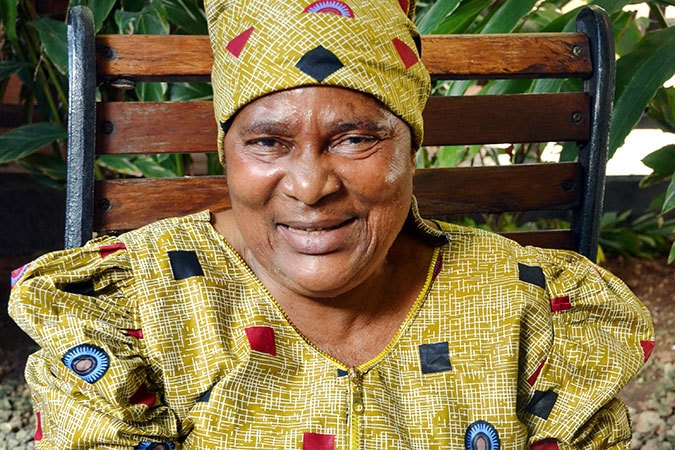
Pili Hussein is Tanzania’s first woman miner, who disguised herself as a man to access the Tanzanite mines. During the week, she worked alongside men in the mines and on weekends, as a farm hand. Today, she has 70 employees, a mining license, and wants to make sure that the next generation of women miners don’t face the same barriers as she did.

“I was 31 when I ran away from my abusive husband’s home and made my way towards the Mererani mines at the foothills of Mt. Kilimanjaro. I had heard that a few grams of the famed blue stone—the lucky Tanzanite—sold for thousands of Shillings.

When I arrived in Mererani, I was told that women were not allowed to enter the mines. I didn’t know if the law forbid women or the men didn’t think women could do the job. I secretly followed some men into a mine and watched them dig and sieve the dirt for raw tanzanite. I thought to myself, I can do this too. Why should it matter that I am a woman?

That day I took on the name of Mjomba Hussein (Uncle Hussein). My ski cap hid my hair and part of my face. I abandoned my skirt for loose trousers and long sleeved shirts. I worked alongside men for 10 – 12 hours every day; they never suspected that I was a woman. I drank Konyagi (local gin) and joked with the men about which village women I liked.

The miners treated me as an equal and even sought my counsel. I was able to convince them to stop harassing the village women.

After almost a year, I found two clusters of tanzanite stones, 1000 grams and 800 grams each. That’s when my life began to change. Soon, I purchased more tools, employed miners to work under me, and could buy farm land with my savings. In the early 90s, I had enough money to apply for a mining license and to my surprise, the law didn’t prohibit women from mining!

Today, I have 70 employees working for me, 150 acres of land, 100 cows and a tractor. I have sent 32 children from my family to school. I want to work with younger women to teach them how to do business in the mining sector.”

I never had anyone to guide me and had to live with a false identity as a man, just to access the mines. It doesn’t have to be this way for the next generation.
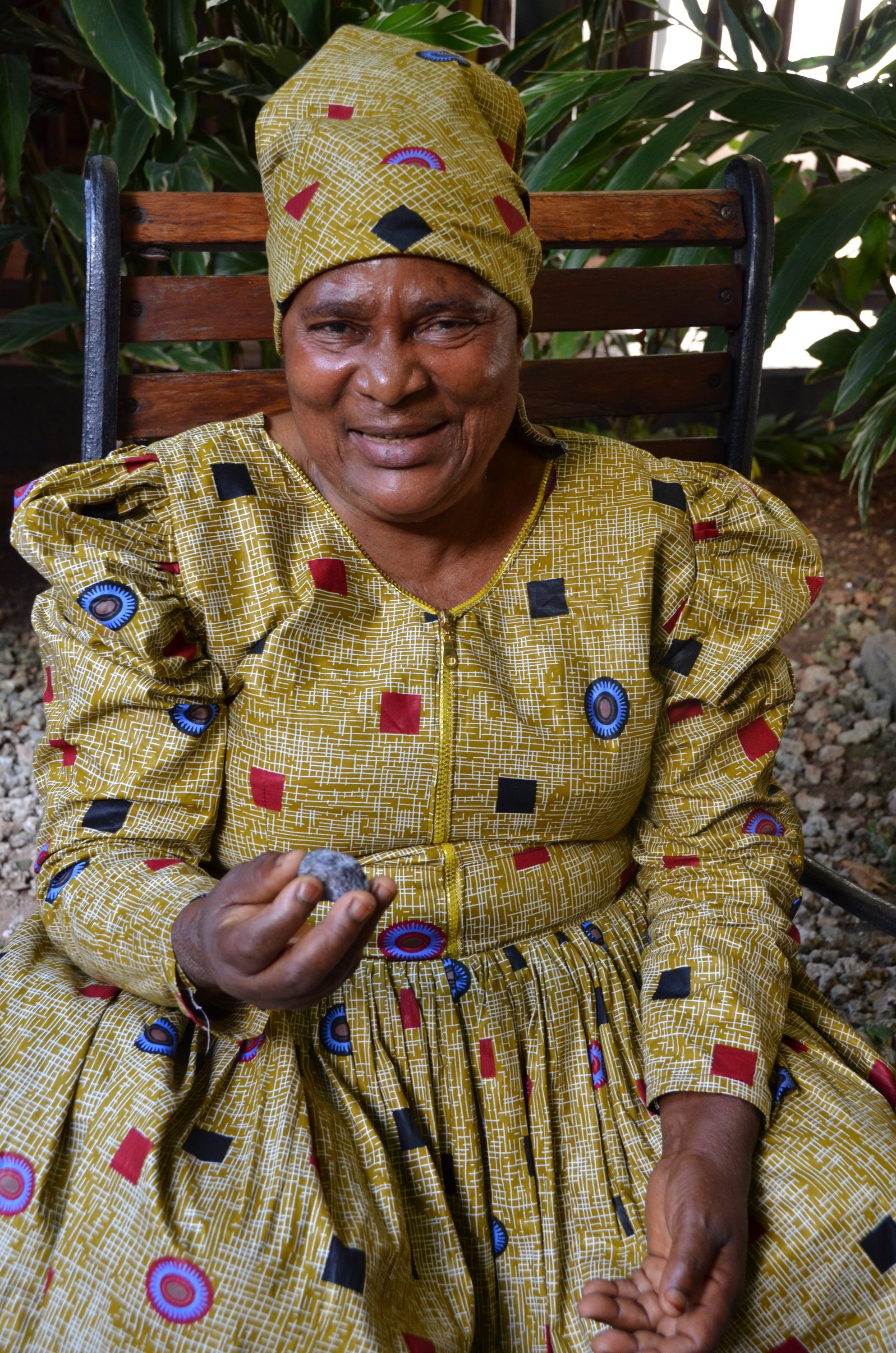
161101 UWNTZ Pili Hussein TANZANITE 001 Deepika Nath

Photo Credit: UN Women/Deepika Nath

Pili Hussein, 60, is one of the few women Tanzanite miners in Tanzania. She was recently interviewed for the Mapping Study on Gender and Extractives Report in Mainland Tanzania, conducted by UN Women Tanzania in collaboration with Global Affairs Canada.

The study maps gender-specific challenges in the extractive industry, and provides policy recommendation on how to promote women’s engagement in non-traditional employment, such as in the mining sector. Her story relates to Sustainable Development Goal (SDG) 8, which promotes full and productive employment and decent work for all and SDG 5, which promotes gender equality and women’s empowerment, including in economic participation and access to resources.
Impakter Editors note: Over the next two months, every Tuesday, Impakter will be republishing selected articles from the UN Women “From Where I Stand” Editorial Series. 
Featured Photo Credit: UN Women/Deepika Nath
Tags: Climate ChangecultureDecent Work and Economic GrowthEnvironmentEqual RightsGender equalityImpakterMiningSDG 5sdg 8Sustainabilitysustainable development goalsTanzaniathingserUN Women
Previous Post

Fueling the Clean Energy Market: Global Goals Need Global Solutions

Next Post

A Safe Future for Our Children: Connecting Policy to the Sustainable Development Goals

Related Posts

How Climate Change Is Driving Evolution
Climate Change

How Climate Change Is Driving Evolution

As global temperatures continue to rise at alarming rates, climate change threatens to wipe out entire groups of animal species....

byYuxi Lim
February 5, 2026
biodiversity loss
Biodiversity

The Economics of Biodiversity Loss

In the 1990s, India’s vulture population collapsed due to the unintended knock-on effect of a veterinary drug for cattle, with...

byStefano Giglio - Professor at Yale Universityand2 others
February 4, 2026
The Era of ‘Global Water Bankruptcy’ Has Begun
Climate Change

The Era of ‘Global Water Bankruptcy’ Has Begun

Humanity’s long-term water usage and damage have exceeded nature's renewal and safe limits, a situation scientists and the media have...

byNmesoma Ezetu
February 4, 2026
A picture with a wind power generator
Society

Emissions and Economic Growth: Is There Still a Link?

In prior decades, economic growth and emissions co-existed. As countries grew richer, they produced more and emitted more. This relationship...

byFedor Sukhoi
February 3, 2026
ESG news regarding Fossil Fuel Firms to Pay for Climate Damage; India Bets on Carbon Capture & Storage; Strikes Occur in Milan Days Before the Olympics; Thousands of Transport Workers Walk off Jobs in Germany
Business

Fuel Companies May Have to Pay for Emissions Damages

Today’s ESG Updates: UN Might Make Fuel Companies Compensate for The Damages: The supporters of the treaty argue that fossil...

byFedor Sukhoi
February 3, 2026
Three sponsors for the 2026 Winter Olympics in Italy could generate 1.3 million tons of CO2
Climate Change

Winter Olympics Sponsorship Emissions: Who Are the Main Offenders?

The 2026 Winter Olympic Games are set to begin in Italy next month. Scattered across towns in northern Italy, from...

bySarah Perras
February 2, 2026
WEF Report Ranks Environmental Challenges as Greatest Long-Term Threat to Global Stability
Business

WEF Report Ranks Environmental Challenges as Greatest Long-Term Threat to Global Stability

The World Economic Forum’s Global Risks Report 2025 found that environmental risks are deteriorating faster than other threats and challenges.  ...

byBenjamin Clabault
February 2, 2026
Thames Water closes in on rescue deal;
Environment

Thames Water Closes in on £16bn Rescue Deal

Today’s ESG Updates: Thames Water Closes in on £16bn Rescue Deal: Thames Water is edging closer to a multibillion-pound rescue...

byAriq Haidar
February 2, 2026
Next Post
A Safe Future for Our Children: Connecting Policy to the Sustainable Development Goals

A Safe Future for Our Children: Connecting Policy to the Sustainable Development Goals

Recent News

World Health Organization

Why America’s Withdrawal From the WHO Is Bad News for Everyone

February 5, 2026
How Climate Change Is Driving Evolution

How Climate Change Is Driving Evolution

February 5, 2026
How to search for an address in the US

How to Research Any Address in the United States

February 5, 2026
  • ESG News
  • Sustainable Finance
  • Business

© 2025 Impakter.com owned by Klimado GmbH

No Result
View All Result
  • Environment
    • Biodiversity
    • Climate Change
    • Circular Economy
    • Energy
  • FINANCE
    • ESG News
    • Sustainable Finance
    • Business
  • TECH
    • Start-up
    • AI & Machine Learning
    • Green Tech
  • Industry News
    • Entertainment
    • Food and Agriculture
    • Health
    • Politics & Foreign Affairs
    • Philanthropy
    • Science
    • Sport
  • Editorial Series
    • SDGs Series
    • Shape Your Future
    • Sustainable Cities
      • Copenhagen
      • San Francisco
      • Seattle
      • Sydney
  • About us
    • Company
    • Team
    • Partners
    • Write for Impakter
    • Contact Us
    • Privacy Policy

© 2025 Impakter.com owned by Klimado GmbH