
Today’s ESG Updates
- Warnings Surrounding AI Crush the Stock Market: CEOs of US frontier AI labs say the industry’s pace of development must slow to avoid hundreds of billions in potential damages, sending AI stocks tumbling from recent record highs.
- Airlines Call for More Accessible Engine Parts: Global airlines are publicly calling for easier access to reconditioned parts from jet engine makers, as shortages of engine parts and maintenance capacity cost the industry $6 billion in the last year alone.
- UK Concerned with AI’s Threat to Human Rights: This warning follows a series of safety incidents. The committee claims the threats include public face-scanning and deepfakes.
- Europe Is Not Ready to Cut Reliance on China: The European Business Survey of 228 companies in the region found that most acknowledge the severity of the potential crisis, yet very few are preparing for one.
Suggestions to slow down AI crash the stock market
Anthropic’s CEO Dario Amodei posted on X on Saturday, urging AI companies to slow down development as potential misuse and fears mount. Both Elon Musk and Sam Altman later agreed with Amodei’s view. OpenAI’s Altman said in an interview that the risks of human extinction posed by AI were unacceptable. The problem with that position ties to infrastructure, since someone has to cover the costs. Nasdaq Futures fell 1.9%, with AI-related stocks down the most.
Amodei said that in 6-12 months, AI agents could potentially take over the internet, causing hundreds of billions in damages. This may reflect Anthropic’s latest threat intelligence report, which uncovered how actors used Claude models for purposes ranging from weapons development and cyber operations to surveillance and fraud.
Klimado – Navigating climate complexity just got easier. Klimado offers a user-friendly platform for tracking local and global environmental shifts, making it an essential tool for climate-aware individuals and organizations.
Airlines voice their concerns over used engine parts accessibility
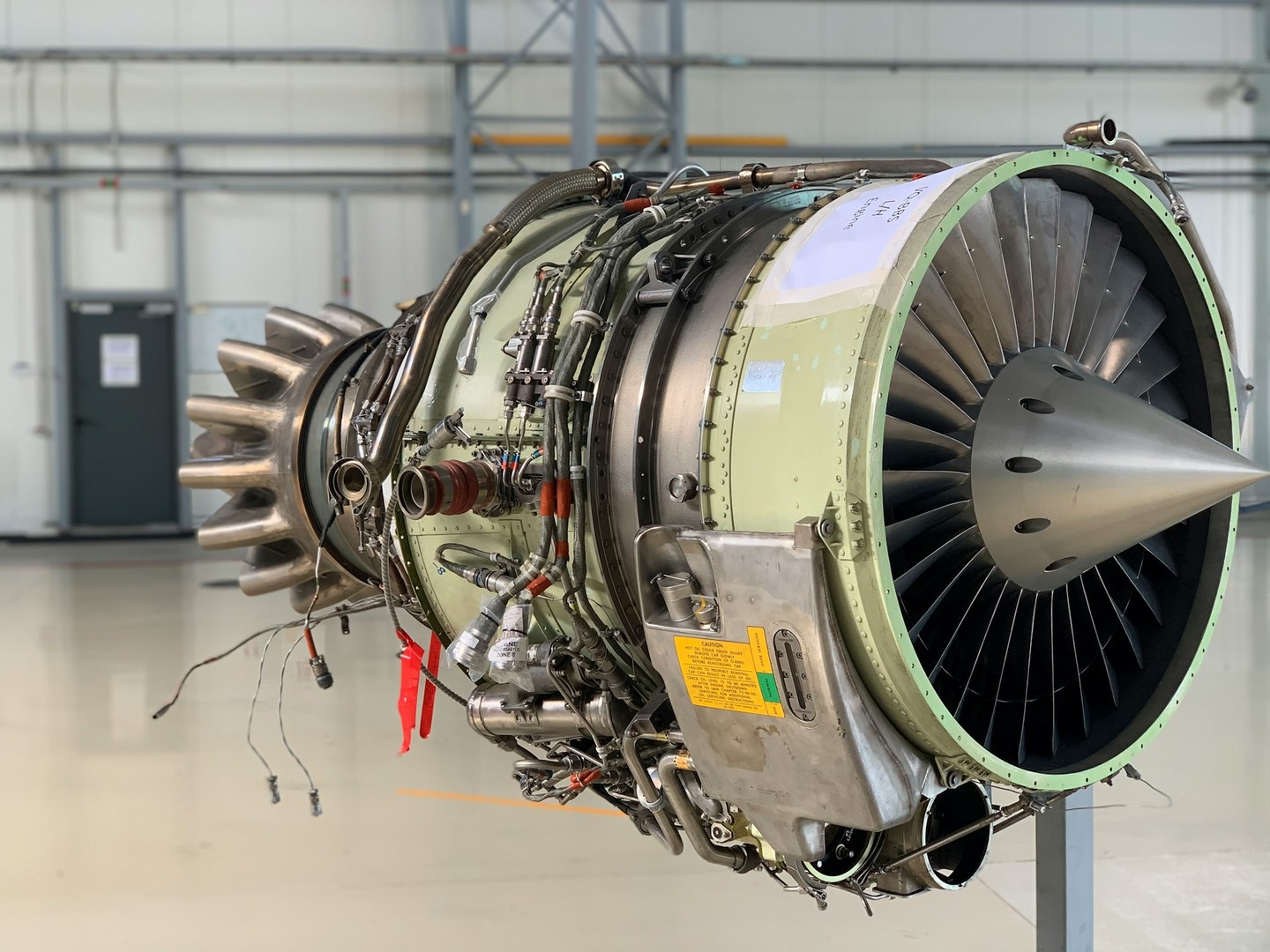
Global airlines are publicly calling for easier access to reconditioned parts from jet engine makers. The call comes from the International Air Transport Association (IATA), representing around 300 airlines. It is the latest update on a conflict over engine competition and price shortages.
A recent European Commission antitrust investigation into turboprops adds momentum for airlines. An investigation into Pratt & Whitney Canada, the world’s largest turboprop engine maker, led to softer restrictions on used parts.
The conflict between airlines and engine makers comes from high costs, restricted competition, and shortages of parts and labor ever since the COVID-19 pandemic. Engine manufacturers argue they must take on technology and financial risks with each new generation of engines. Meanwhile, IATA estimates that engine-part and maintenance-capacity shortages cost airlines $6 billion in the last year alone.
Related Articles
Here is a list of articles selected by our Editorial Board that have gained significant interest from the public:
UK proposes new regulations on AI due to threats to human rights

British lawmakers are demanding new restrictions on AI, claiming the world is unprepared for the technology’s potentially dire consequences. A cross-party committee on human rights says a framework for regulating AI is necessary, along with an independent oversight body to protect the public. It claims the threats coming from AI, such as public face-scanning and deepfakes, are understated.
On Friday, 70 MPs and peers urged the country’s Prime Minister, Andy Burnham, to back the ban on the development of Artificial Superintelligence (ASI). The call for a ban was rejected, but there are still AI-connected issues that the Prime Minister reviews. PM’s office stated that it targets “to address the most significant AI-related national security risks”

Europe doesn’t diversify suppliers despite aiming to cut reliance on China

The European Business Survey of 228 companies presented a huge gap that could become problematic soon: businesses are aware of and have experience with geopolitical shocks and their potential for quick, severe harm, but very few actively prepare for them. A previous survey from November 2025 to January 2026 showed that the war in Ukraine has affected 81% of respondents. Meanwhile, only 10% of the respondents in the new survey had taken steps to prepare for a potential conflict in Taiwan. 59% have not prepared and do not plan to.
A similar vulnerability appears when asked about interactions with China. Only 24% plan to reduce reliance on Chinese suppliers, while a third considers a temporary solution of stockpiling raw materials.
Brussels is now preparing a diversification instrument to avoid relying on single suppliers, make supply chains more resilient to geopolitical issues, and tackle the trade deficit with China, aiming to reduce it to €1 billion.
Editor’s Note: The opinions expressed here by the authors are their own, not those of impakter.com — Cover Photo Credit: Sophie Backes