Mohamed El Yaty recalls the time before 7 October with longing and sorrow.
“We used to wake up at 6 am, finish work at noon, then go back around ‘asr prayer time at around 4 pm until maghrib prayer time. It was all work, work,” says the 39-year-old farmer from Deir al-Balah in the central part of the Gaza strip.
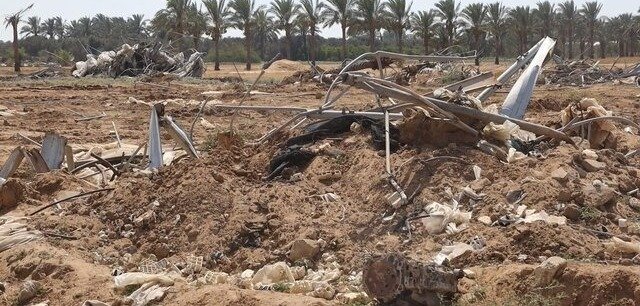
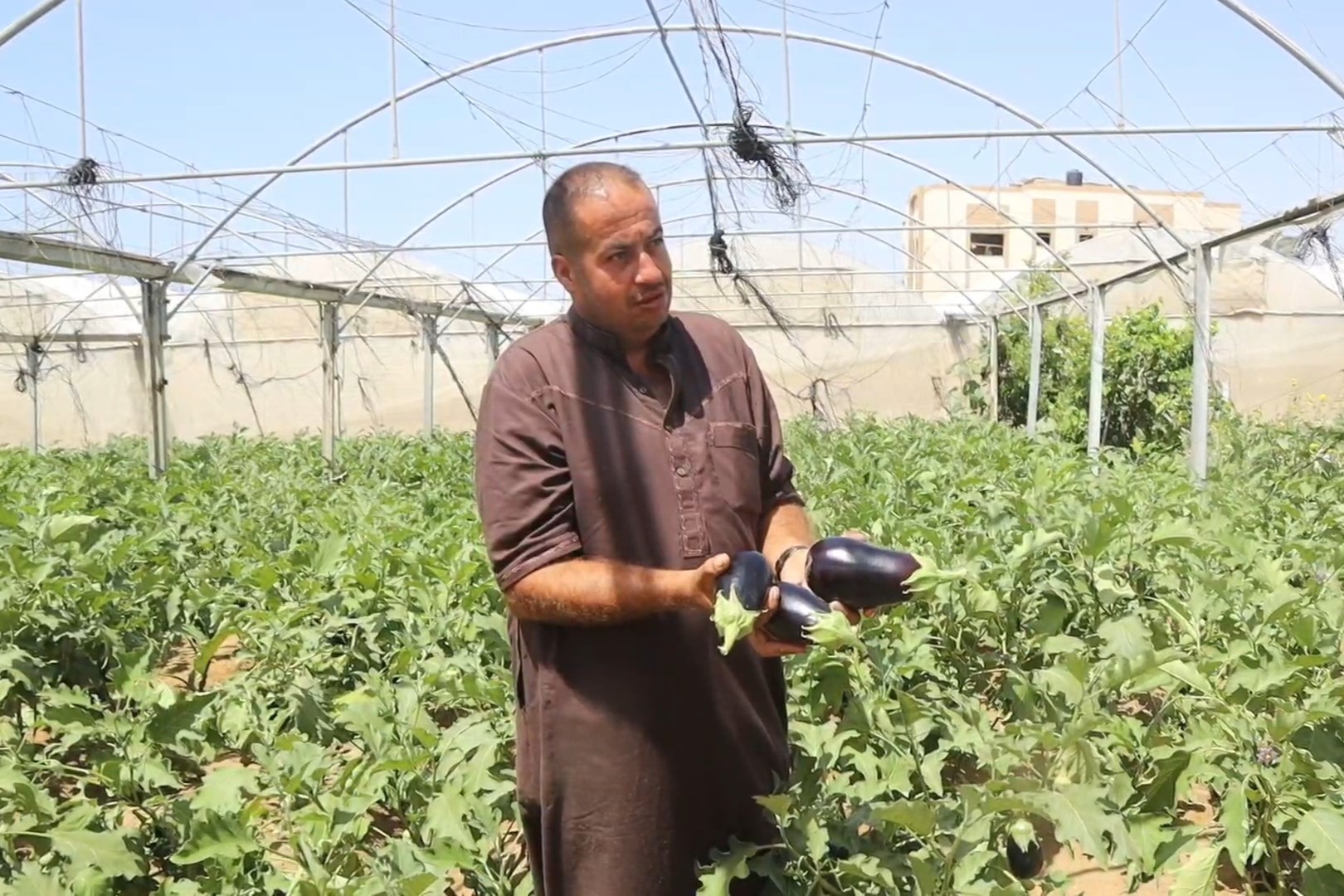
Mohamed has lost 22 family members to the conflict. His once 13 dunums (13 000 square metres) of land, abundant with greenhouses, has been destroyed by razing and heavy shelling. This has been true for most of the agricultural land in Gaza.
He can now only work on half of his land, drastically reducing his yields of eggplants, cucumbers, peppers and tomatoes.
Gaza was once largely self-sufficient in producing vegetables, dairy, poultry and fish. It also produced a large part of the red meat and fruits its population consumed. But recent hostilities have unleashed destruction on Gaza’s land, virtually decimating the Strip’s agrifood system and bringing agricultural activities to an almost complete halt. Food security and nutrition conditions have also drastically worsened.
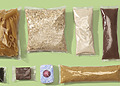
Mohamed’s diet now consists primarily of canned foods.
“Before the war, we had food— it was available and accessible. Meats, vegetables, everything was available. Good food. Today, everything is canned,” he says.
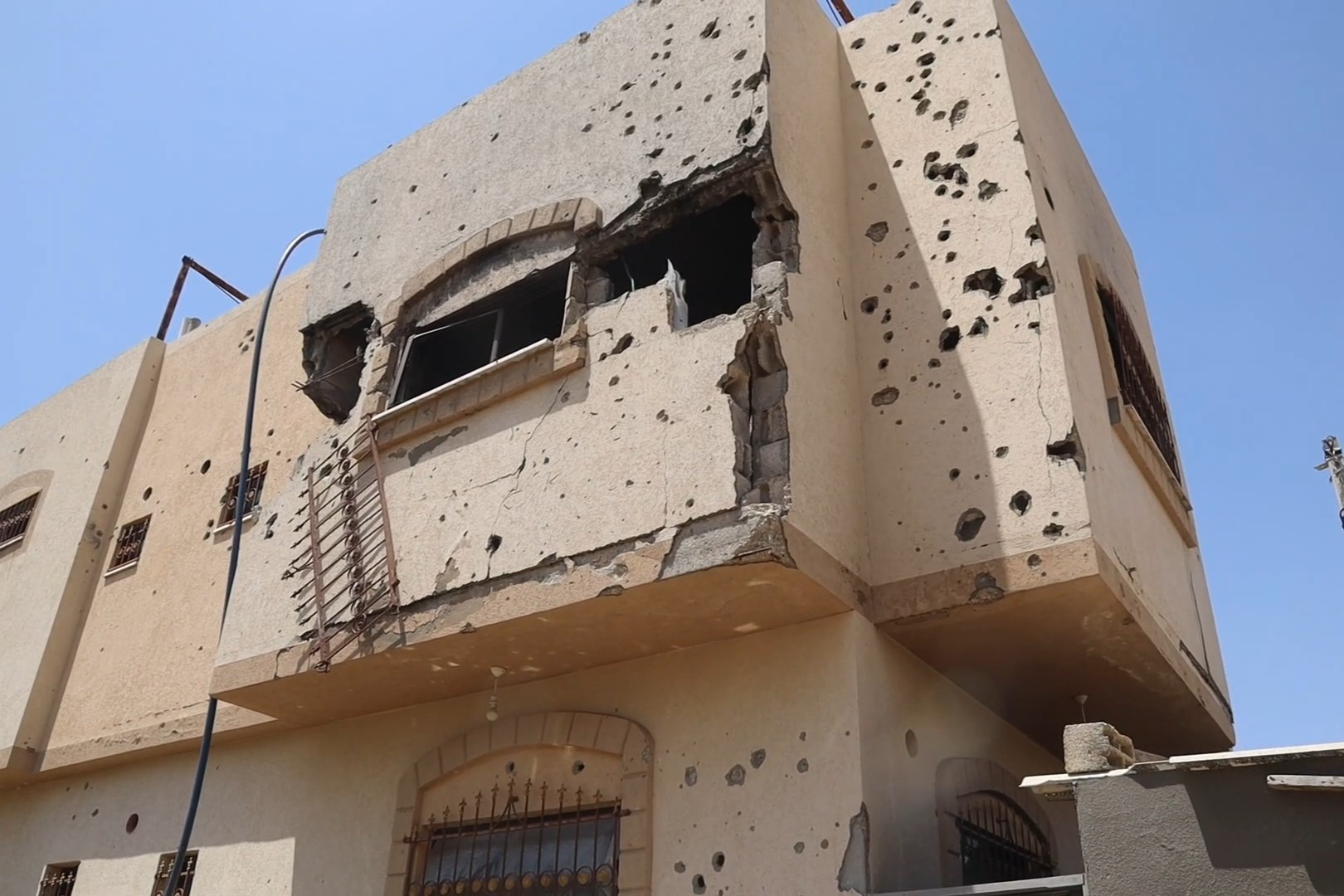
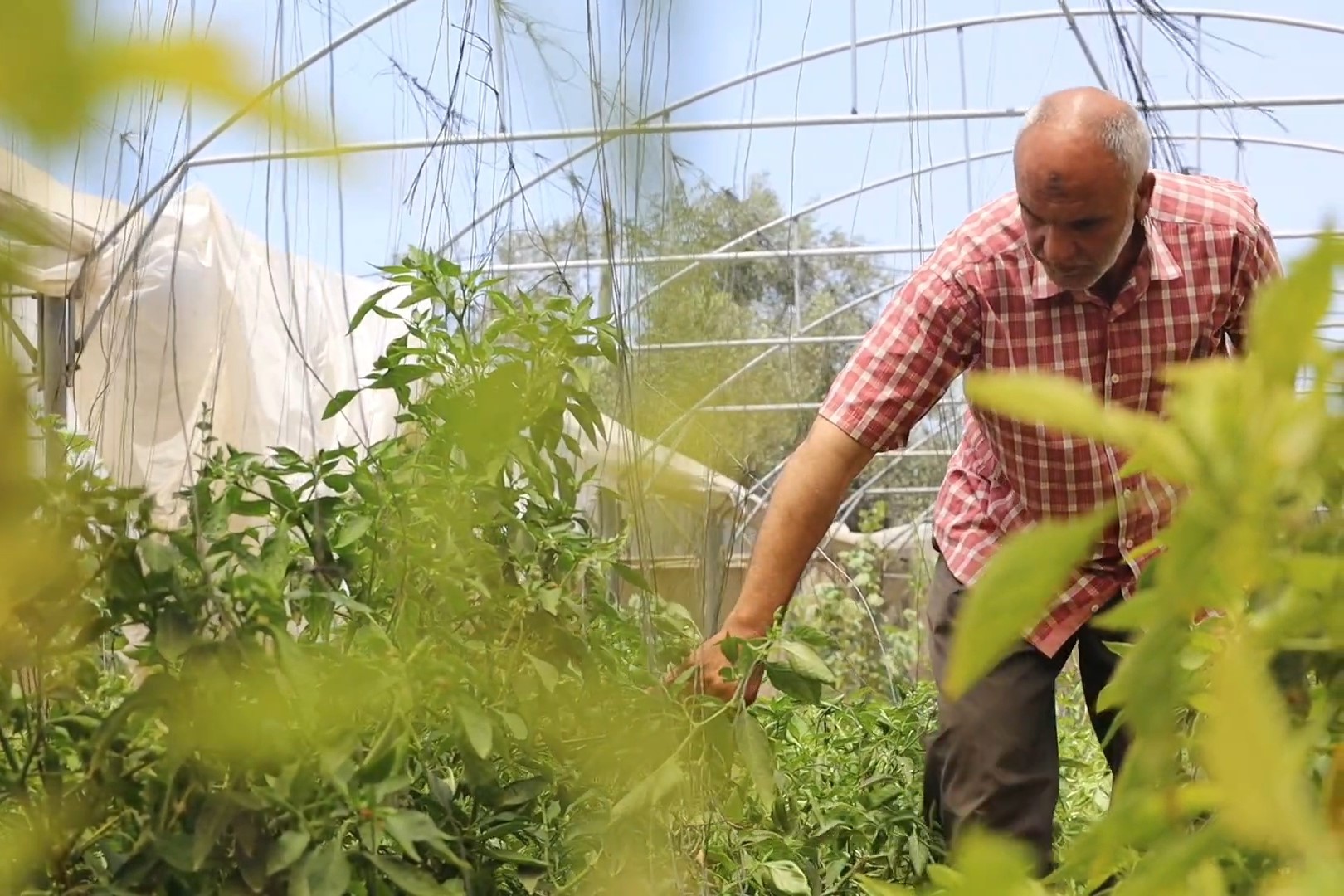
In the southern part of Gaza, in the city of Khan Younis, Yousef Al-Masri’s home was destroyed, and he was forced to move to a safer area, three kilometres away from his house and his farm.
“My home was at my farm. In the morning, my workers and I would harvest and plant, and we were 100 percent happy,” he says.
Before 7 October, this 53-year-old farmer grew peppers, eggplants, cabbage, tomatoes and corn on his farm. It was his source of livelihood, income and in many ways, dignity. His production, along with that of other local farmers, provided nutritious food for many people in Gaza.
A recent satellite analysis by the Food and Agriculture Organization of the United Nations (FAO) reports widespread damage to agricultural infrastructure across Gaza, including damage to over 57 percent of total cropland, the destruction of 33 percent of greenhouses and significant losses in wells and solar panels.
A severe shortage of fodder and water has resulted in the deaths of about 70 percent of livestock since October 2023. Additionally, about 70 percent of the Gaza Strip’s fishing fleet has been decimated. Only small-scale agricultural, livestock and fishing activities continue when security allows.
Related Articles: Hunger Hotspots: Famine Looms in Gaza While Risk of Starvation Persists in Sudan, Haiti, Mali, and South Sudan | Projected Famine in Gaza: FAO Urges Immediate Access to Deliver Urgent and Critical Assistance at Scale | Worsening Hunger Grips West and Central Africa Amid Persistent Conflict and Economic Turmoil | Acute Hunger: 1 in 5 People in Need of Critical Urgent Action
Farmers like Yousef and Mohamed are essential to Gaza’s food supply. However, Yousef and other farmers, herders and fishers in the Gaza Strip are struggling to maintain their agriculture assets, sources of nutrition and income due to the escalation of hostilities and lack of availability and access to critical agricultural inputs.
“There are no tools and equipment; there’s no water… it costs a lot. There are no pesticides, no fertilizers, no plastic,” says Yousef.
“One hour of water would cost me 2.5 to 3 shekels before 7 October. [Today] it costs me anywhere between 70 to 90 shekels per hour,” Yousef says.
“Our conditions are very difficult in terms of everything: electricity, water, houses. What more can I say… We are not going to find food—this agricultural season is gone. Next season we won’t find anything to grow,” he adds.
The Data: Unprecedented food insecurity across the Strip
According to data published by the Integrated Food Security Phase Classification (IPC) global initiative on 25 June 2024, 96 percent of the population in the Gaza Strip will face high levels of acute food insecurity through September 2024. Under current conditions, nearly half a million people are at risk of starvation. This staggering statistic translates to one in every five Gazans facing extreme hunger and over 20 percent of the people in the Strip go entire days and nights without eating.
The quantities of international humanitarian food aid, consisting of mainly non-perishable canned foods, are insufficient due to blockades. Moreover, though canned and packaged foods are indispensable and are keeping people alive, these items cannot replace fresh nutritious food like milk, red meat and vegetables.
Recognizing this nutritional gap, FAO, supported by the governments of Belgium, Italy and Norway, is delivering barley fodder in Gaza to safeguard the surviving animals and increase milk production from small ruminants.
Sheep and goat milk are particularly beneficial for children due to easier digestibility, lower lactose and rich nutrient content, including high-quality proteins and favourable fatty acids. These dairy products are crucial for children’s survival and nutritional needs.
FAO is also helping farmers access essential supplies such as fodder concentrate, greenhouse plastic sheets, water tanks, animal vaccines, veterinary kits and other inputs all critical for restoring their livelihoods and ensuring food security.
However, the capacity of FAO, the United Nations and other humanitarian organizations to deliver life-saving assistance to Gazans depends on critical factors, namely establishing a lasting ceasefire and securing unimpeded access to humanitarian aid.
Immediate investment is also crucial to protect the remaining livestock and farms and to support the rapid recovery of the damaged agriculture and food system infrastructure caused by the conflict.
Despite mounting challenges, Mohamed is adapting to his damaged greenhouses and improvising with outdoor planting. “I had to grow the eggplants outdoors because I couldn’t plant them inside the greenhouse—there’s no cover, no plastic sheeting, nothing. Of course, our production has dropped by 50 percent,” he says.
Relying on their own resilience, Gazans are doing what they can to eat, work and survive, awaiting an end to the conflict to rebuild their livelihoods.
** **
 This article was originally published by the Food and Agriculture Organization of the United Nations (FAO) and is republished here as part of an editorial collaboration with the FAO.
Editor’s Note: The opinions expressed here by the authors are their own, not those of Impakter.com — In the Cover Photo: Mohamed El Yaty’s damaged/destroyed greenhouse farm, June 20, 2024, Khan Younis, Gaza Strip. Cover Photo Credit: © FAO.