Today’s ESG Updates
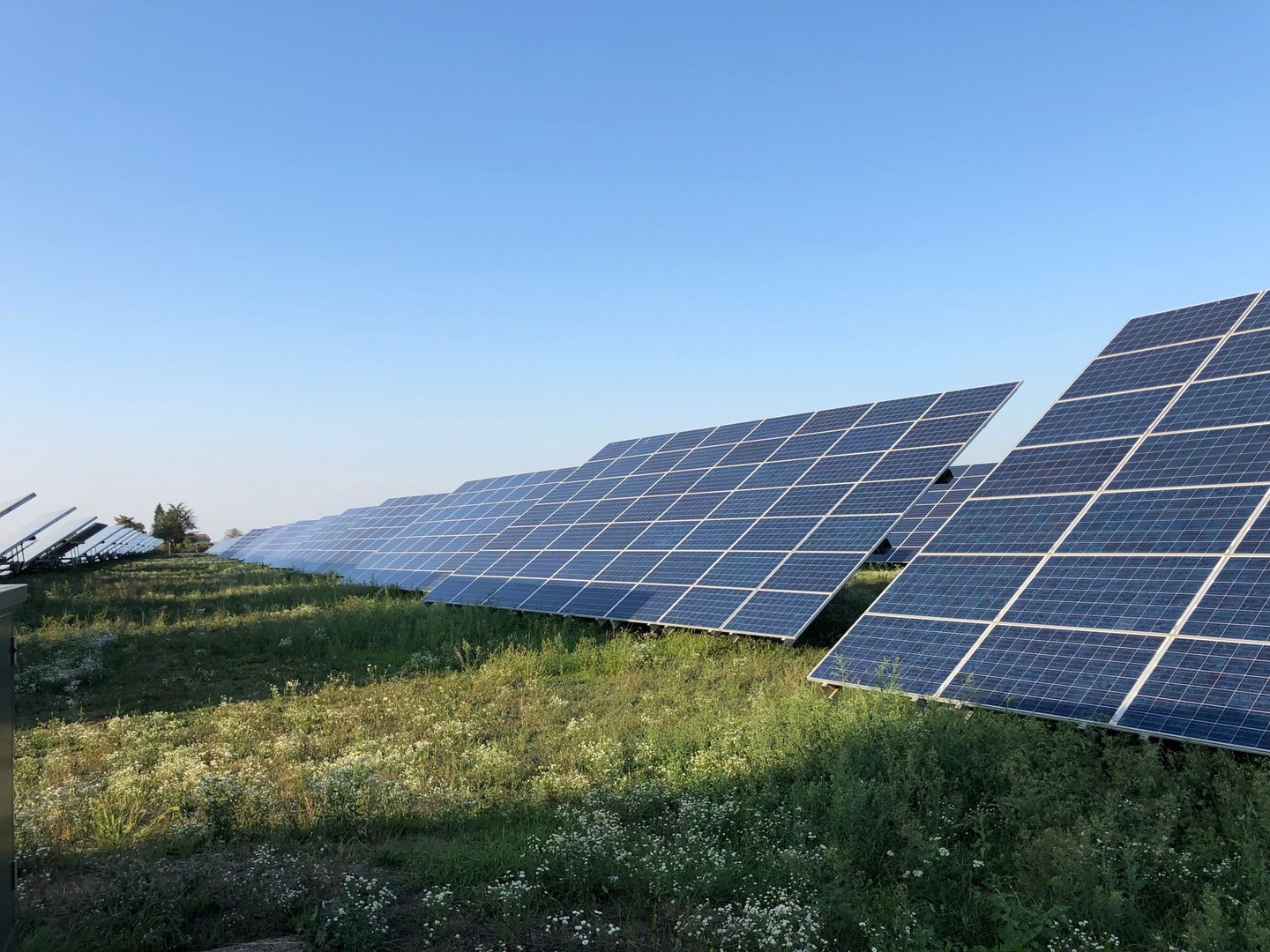
- European Wind and Solar Grids Exposed to Hackers: Modat researchers found 8,547 potentially exposed solar and wind systems across 35 countries, with full control possible at 181 sites.
- Google and Constellation Sign 890 MW Nuclear Deal: The 20-year agreement will bring nuclear capacity to the PJM grid to meet rising demand.
- European Commission Releases State of Water Reports: The latest Water Framework Directive and Marine Strategy Framework Directive reports say pollution is hindering Europe’s water resilience.
- Type One Energy Closes $200 Million Series B Financing: The funding will help advance the company’s fusion industrialization strategy.
European wind and solar grids vulnerable to internet hackers
Researchers from Modat, a European cybersecurity company, warned that thousands of solar and wind energy systems are at risk of being hacked. According to the research, there are potentially 8,547 exposed systems across 35 countries, with full control possible at 181 sites. The research also found that Spain and Germany were the most vulnerable. Germany had the most at-risk wind power systems, with 212 sites available on the internet. Alternatively, the researchers found that Spain had 2,766 exposed solar power systems.
One turbine found online by researchers had information such as “Start, Stop and Reset” buttons, the turbine’s location, and live data. This could have severe implications for Europe’s critical infrastructure. Soufian El Yadmani, CEO and one of Modat’s founders, said, “If you can turn off the energy within the city or the airport, imagine that at a larger scale.”
Bouke van Laethem, a strategic advisor at the Dutch National Cyber Security Centre, presented this research alongside El Yadmani at the ONE conference on Tuesday. The European Union Agency for Cybersecurity has not responded to Reuters request for comment.
Klimado – Navigating climate complexity just got easier. Klimado offers a user-friendly platform for tracking local and global environmental shifts, making it an essential tool for climate-aware individuals and organizations.
Google and Constellation Energy sign nuclear agreement

Google and Constellation Energy signed a new agreement aimed at bringing 890 megawatts (MW) of nuclear capacity to the PJM Interconnection grid, which covers 13 eastern U.S. states. The 20-year power purchase agreement will increase grid stability in the area and meet growing demand, especially for Google’s AI data centers. The agreement will use Google’s Gemini to create an “AI for energy” blueprint aimed at reducing the cost of new infrastructure and increasing performance efficiency.
Constellation will invest in new technology and equipment at nuclear plants in Illinois, New Jersey, and Pennsylvania. The deal also encompasses a 15-year energy supply agreement that guarantees 2,700 MW of carbon-free nuclear energy capacity in PJM’s fleet.
The agreement represents over $4.3 billion of investment by Constellation and will create 7,200 construction jobs, while maintaining the current 4,400 workforce.
Related Articles
Here is a list of articles selected by our Editorial Board that have gained significant interest from the public:
Commission releases new reports on the state of Europe’s water systems

Pollution is one of the biggest threats to Europe’s water resilience, according to reports published by the European Commission. The updated Water Framework Directive 7th Implementation Report (2024) and the 2nd cycle implementation of the Marine Strategy Framework Directive (MSFD) highlight the state of water in the European Union and cover the implementation of the directives. Additionally, they identify the areas where stronger efforts are necessary across Europe’s water systems.
The reports confirm a February assessment that pollution, including nutrient and chemical pollution, hinders good ecological and chemical status. It also maintained that hydromorphological pressures and disruptions to river flows have an impact on Europe’s water resilience.
Member countries are collaborating to resolve the issue. Bulgaria, Cyprus, Greece, Ireland, Malta, Portugal, Slovakia and Slovenia are now subject to assessments of third River Basin Management Plans (RBMPs) and second Flood Risk Management Plans (FRMPs), while Bulgaria, Croatia, Denmark, Greece and Malta received updated marine programme assessments which were not included in the original report.

Type One closes $200 million Series B financing aimed at industrializing fusion
Backed by Siemens Energy Ventures, Lowercarbon Capital, SiteGround Capital, and other investors, Type One Energy closed its Series B financing at $200 million. The funding will help advance Type One Energy’s fusion industrialization strategy. It will also support the world’s first commercial fusion plant in east Tennessee, United States, at the Tennessee Valley Authority’s (TVA) Bull Run site.
Enrique Gonzalez Zanetich, Partner at Siemens Energy Ventures, said, “Fusion has the potential to become an important source of reliable, low-carbon energy at scale. This investment strengthens our position in the fusion field as we continue to explore the technologies and collaborations that can help advance commercialization.”
Editor’s Note: The opinions expressed here by the authors are their own, not those of impakter.com — Cover Photo Credit: Diego Vivanco.