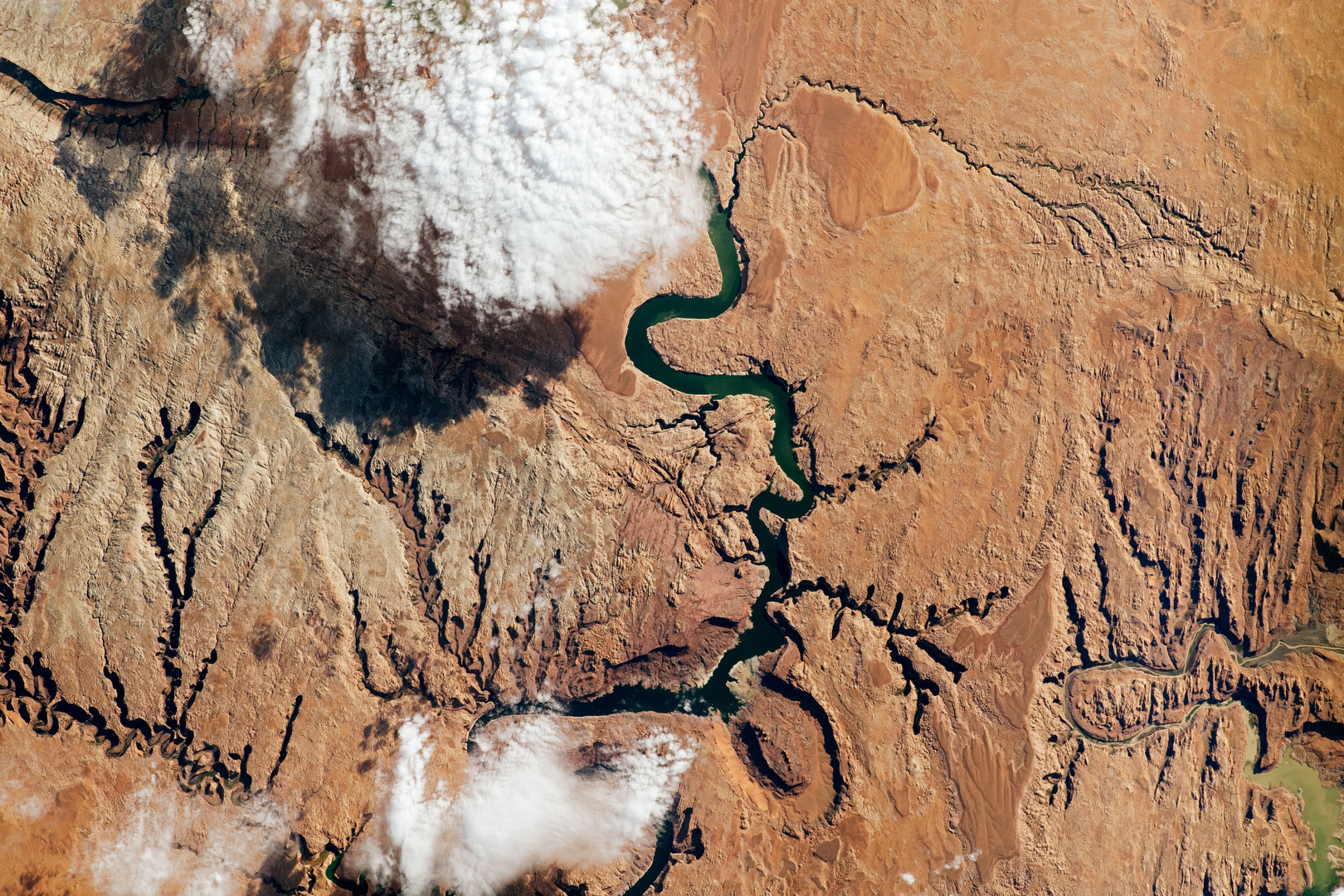
Rivers have been key infrastructure of ancient and modern civilization, moving goods, irrigating crops, providing sustenance for people’s daily needs, and defining political borders.
István Somogyi, a 56-year-old farmer from Pócsmegyer, a Hungarian village on the Danube, among so many others, reported devastating losses: “I’ve lost nearly 50% of my harvest this year and it could go up to 70%,” he said. “It’s gone. Everything has dried up. Since I started farming this land after the end of communist rule, I’ve never seen a catastrophe like this.”
And that’s how historic famines have always started.
Rivers have been at the crux of most troubled relationships between countries and regions everywhere. They have long been a conundrum for the Global North and South, making it hard to find constructive pathways to accommodate competing interests.
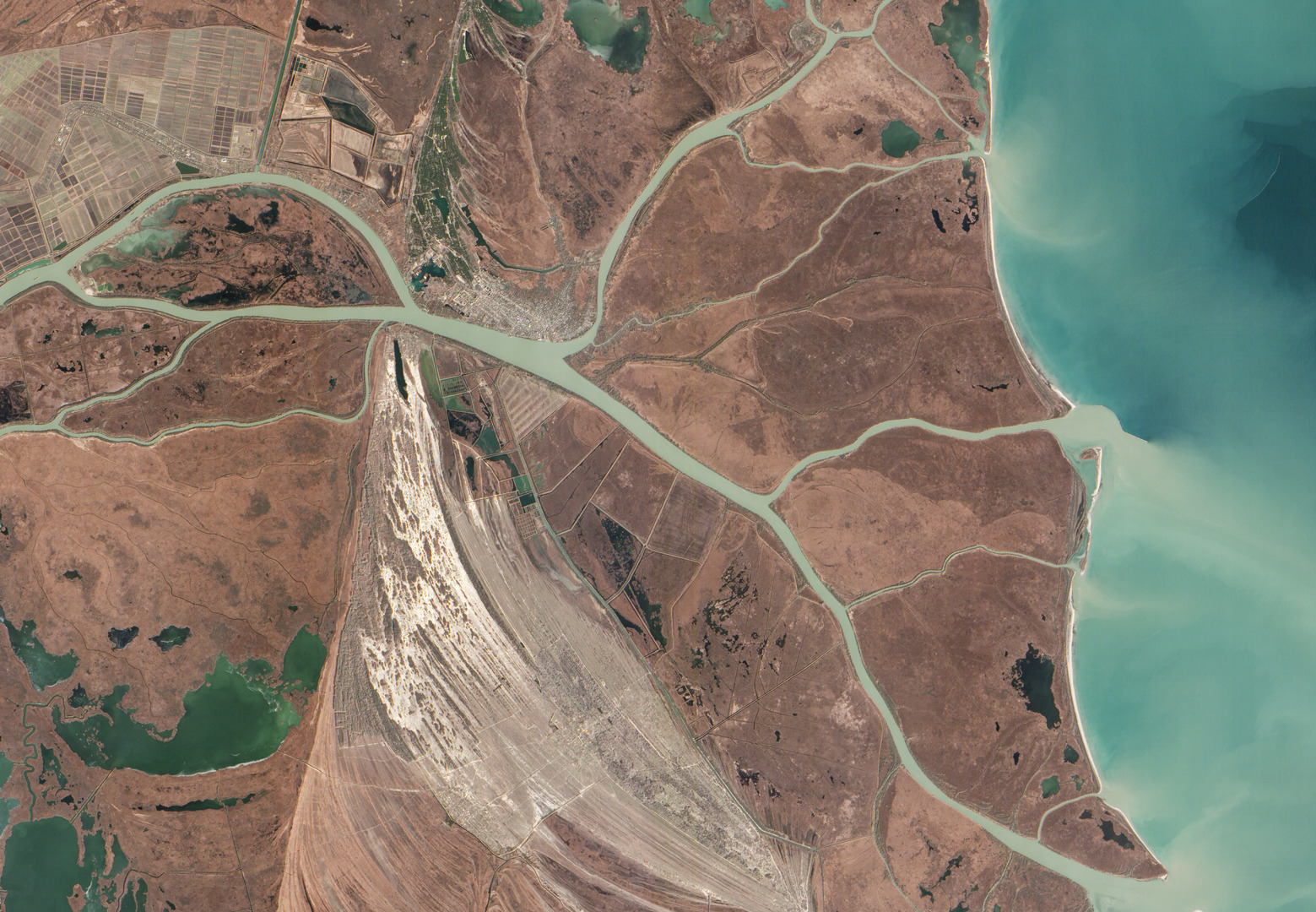
The Economic Impact in Europe and America
Here’s a quick rundown of the main effects of water shortages on both continents so far this year.
Agriculture
Europe’s breadbasket regions are facing record-low harvests, with wheat production down 24%. In North America, farmers who depend on the Mississippi and Colorado rivers face reduced irrigation, rising transport costs, and uncertain water allocations.
Energy
Europe’s hydropower and nuclear plants are especially vulnerable to water shortages. Serbia’s Djerdap 1 hydropower plant is now operating at only 20% capacity; Hungary’s Paks nuclear plant has shut down because of insufficient cooling water; and Romania’s nuclear reactors have been forced offline.
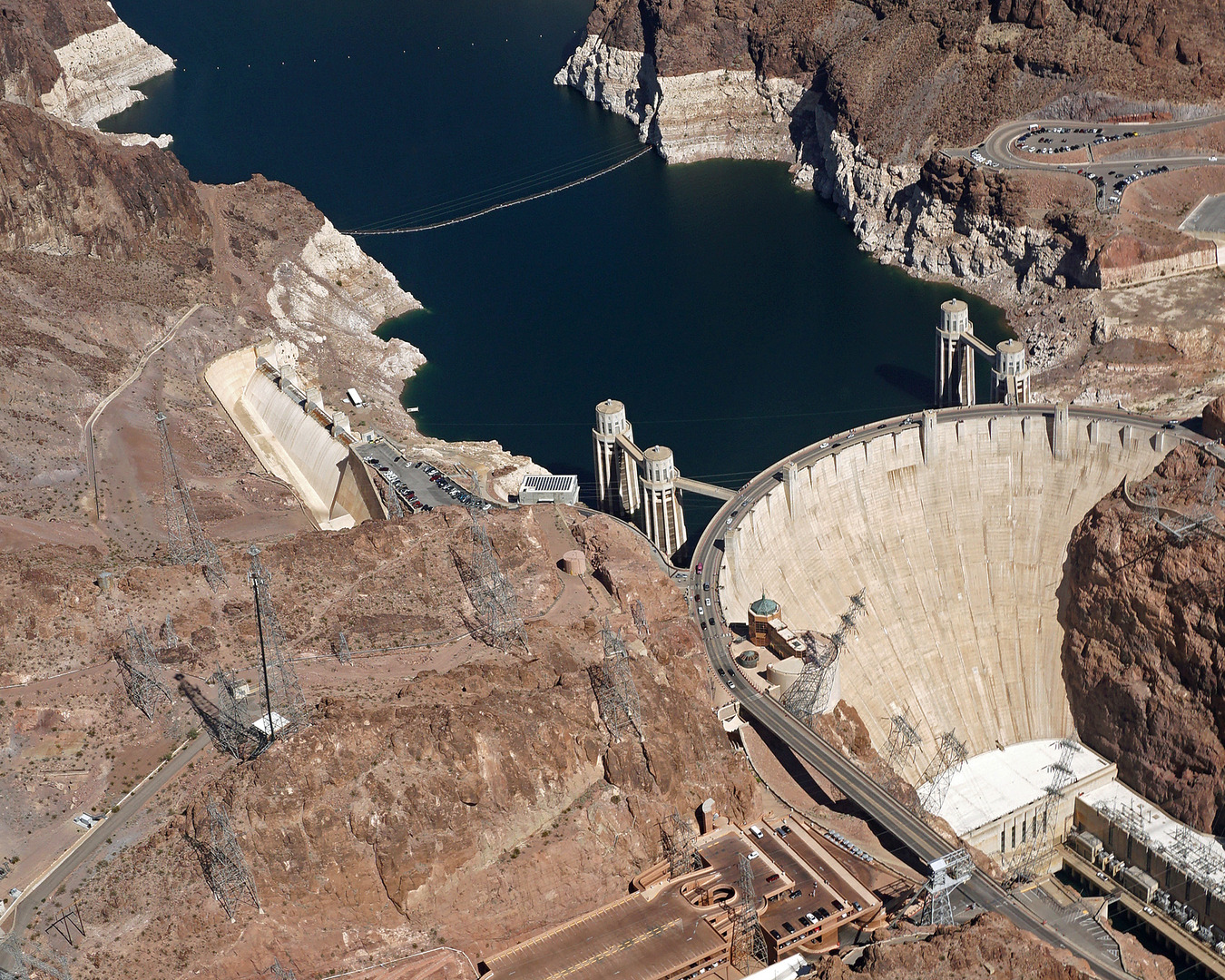
In North America, the Colorado River’s decline threatens hydropower at Hoover and Glen Canyon dams, forcing utilities to consider expensive alternatives.
AI Data Centers’ Need for Water
The proliferation of Artificial Intelligence (AI) data centers across the United States is exacerbating existing water stress, particularly in regions already facing climate-induced shortages. These facilities require immense quantities of water for both server cooling and electricity generation, creating a significant tension as they compete with agriculture, hydropower, and municipal needs for limited water resources.
Because current-generation AI infrastructure often necessitates liquid cooling systems to handle high power densities, this water consumption is structurally built into the operations of new and planned centers, with impacts often occurring in arid hubs like Arizona.
Europe and North America’s River Crisis: The Political Debate
While always subject to conflict and competition, rivers across Europe and North America have drained to historic lows and, as a result, have become heightened political, economic, and diplomatic flashpoints.
The drying of the Rhine, Danube, Mississippi, and Colorado is no longer a distant environmental concern. Water loss has become a defining political and economic force across both continents simultaneously.
Europe
Europe’s droughts have become so severe that the continent’s most important commercial rivers are now unreliable, with the current situation among the worst on record. The Rhine and Danube — vital arteries for industrial transport, agriculture, and energy production — fell toward historic lows.
The consequences are felt across the continent: Cargo ships carrying essential goods to Rotterdam via the Rhine move at 30% capacity to avoid running aground; chemicals, oil products, grains, and industrial materials slow sharply, boosting freight costs; the growth of AI data centers, which require both water to cool and to generate power, is accelerating at a rapid rate.
The Danube problem is now receiving the full attention of the international press. A recent Politico analysis rang the alarm with an arresting title that sums up the issue: “The Danube is drying up. Europe has no plan.” The core issue is that the drought, clearly caused by climate change, threatens to become a recurring problem in the coming decades.
This is no small issue, as the Danube is Europe’s second-largest waterway, linking 19 countries and supporting tens of millions of people.
At the time of writing, the European Commission has yet to develop a unified plan of action, and responsibility is currently split between national governments and river basin authorities. A hodgepodge of EU laws, according to green groups, is poorly enforced, and many new EU resilience measures are still voluntary.
Worse, as part of its ongoing goal to cut regulatory bottlenecks and boost EU industry, the EU Commission intends to revise the Water Framework Directive, loosening environmental rules to allow more mining.
Given that, as environmental NGOs have repeatedly said, the directive is already weakly enforced, it is unclear whether revising the Water Framework Directive will do the job. What would make sense is to strengthen the EU Directive across the board so that more mining is effectively banned everywhere in the EU.
For now, the issue in Europe remains with national policymakers, with each government reacting autonomously.
When the Danube waters reached their lowest water level this month, a ship on the Bulgarian stretch of the river was stranded, leaving 186 tourists to be evacuated. In neighbouring countries, more radical measures had to be taken: in Romania, explosives were used to steer more water toward the Cernavodă nuclear plant, while in Hungary, the government took to submerging vessels in an attempt to keep water flowing past its own Paks nuclear plant.
Millions of Europeans are facing water restrictions for the first time. In France, 70% of the country is under some form of water restriction, and 40,000 people in 80 municipalities rely on tanker trucks or bottled water. Europe’s rivers — once symbols of stability — are becoming symbols of vulnerability.
North America
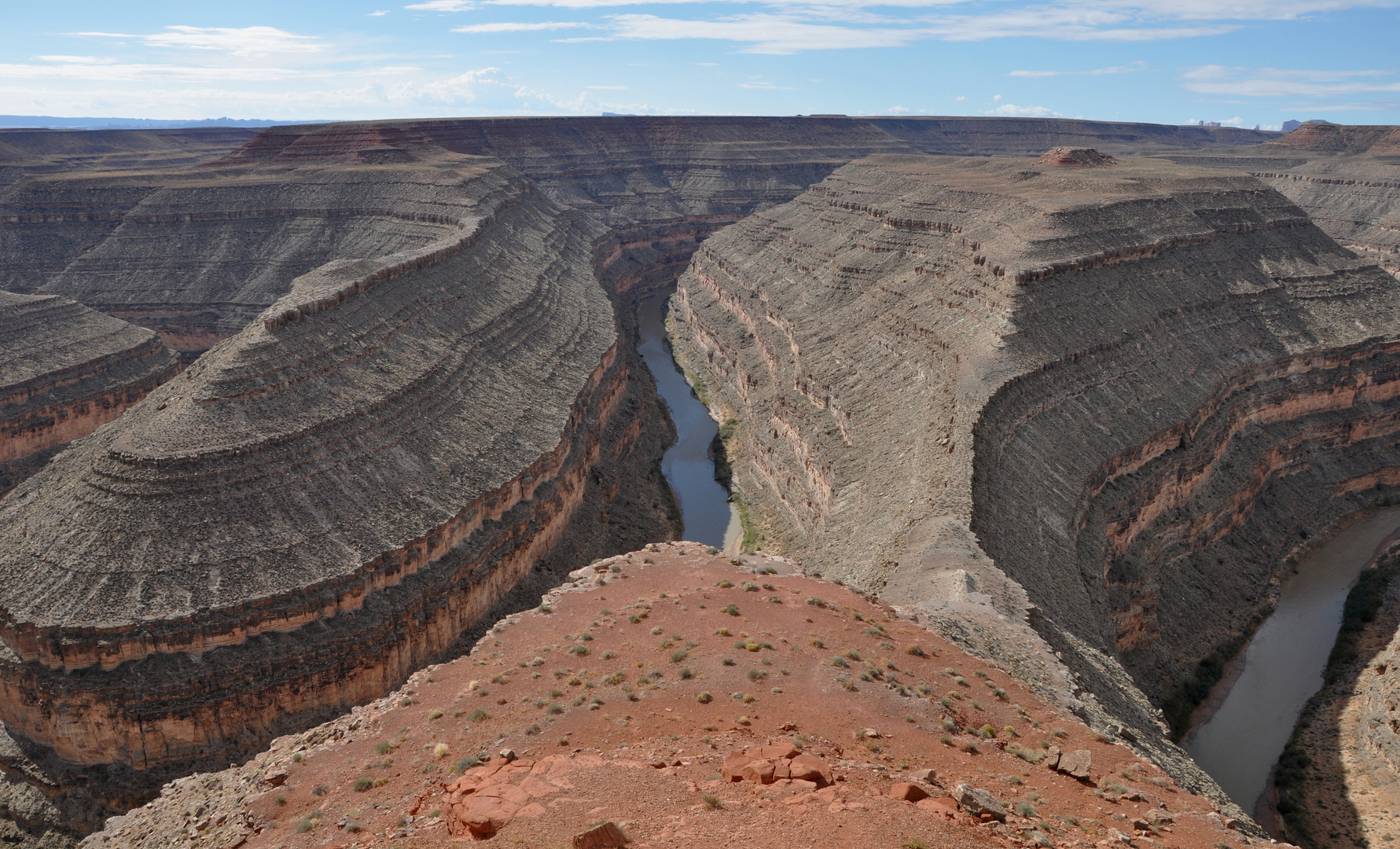
North America’s river crisis is environmental, constitutional, diplomatic, and economic. Prolonged drought, extreme heat, and over-allocation have put major rivers at risk.
The Mississippi River, which carries more than 90% of U.S. agricultural exports at some point in their journey, has reached historic lows, disrupting grain barge traffic, driving up costs, and jeopardizing farm incomes.
Water levels in Lake Mead and Lake Powell have also fallen to record lows, threatening hydropower production and forcing unprecedented negotiations among seven U.S. states, tribal nations, and Mexico. These pressures affect major cities such as Las Vegas and Los Angeles, which face long-term water insecurity, while millions of acres of farmland risk losing irrigation.
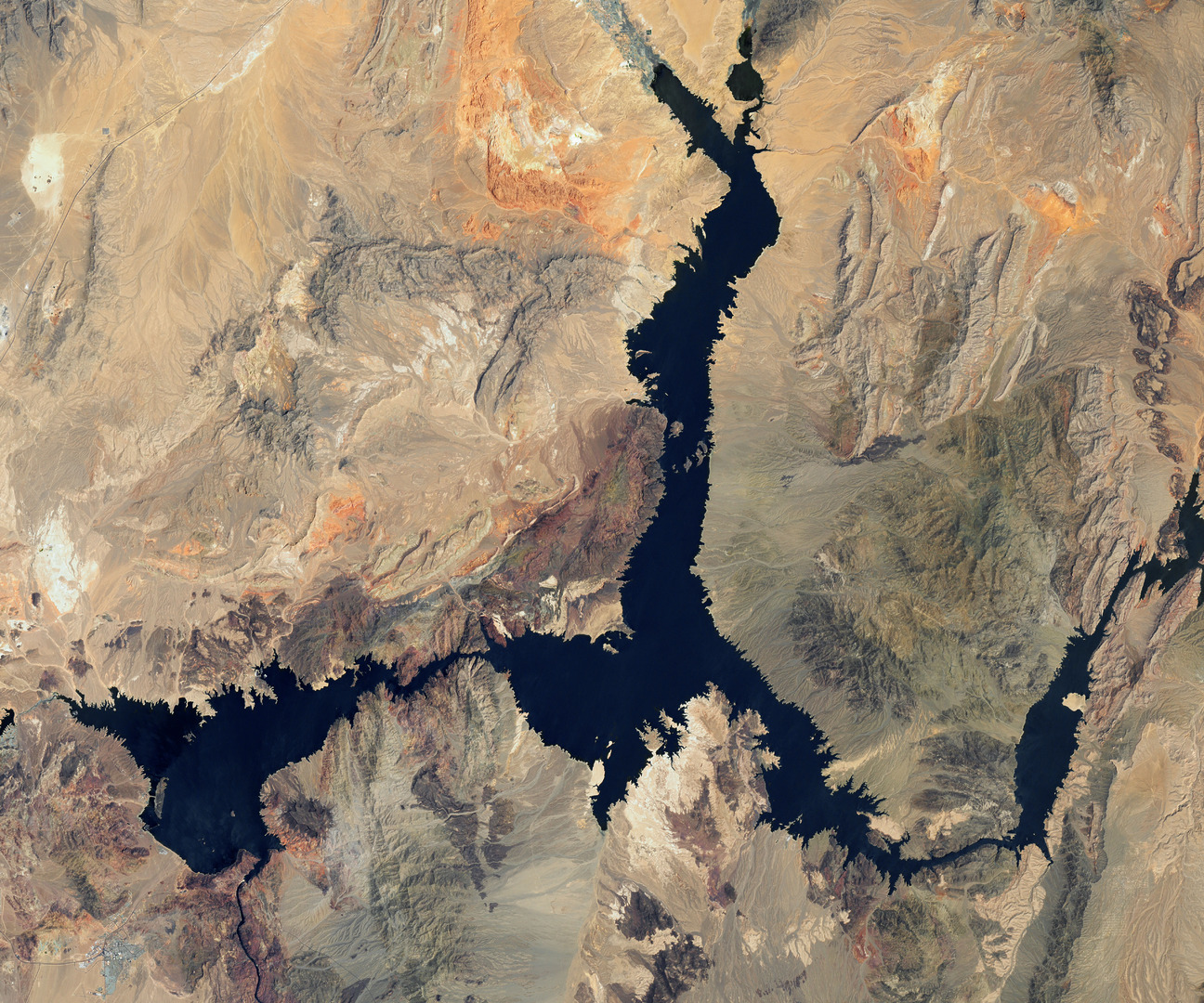
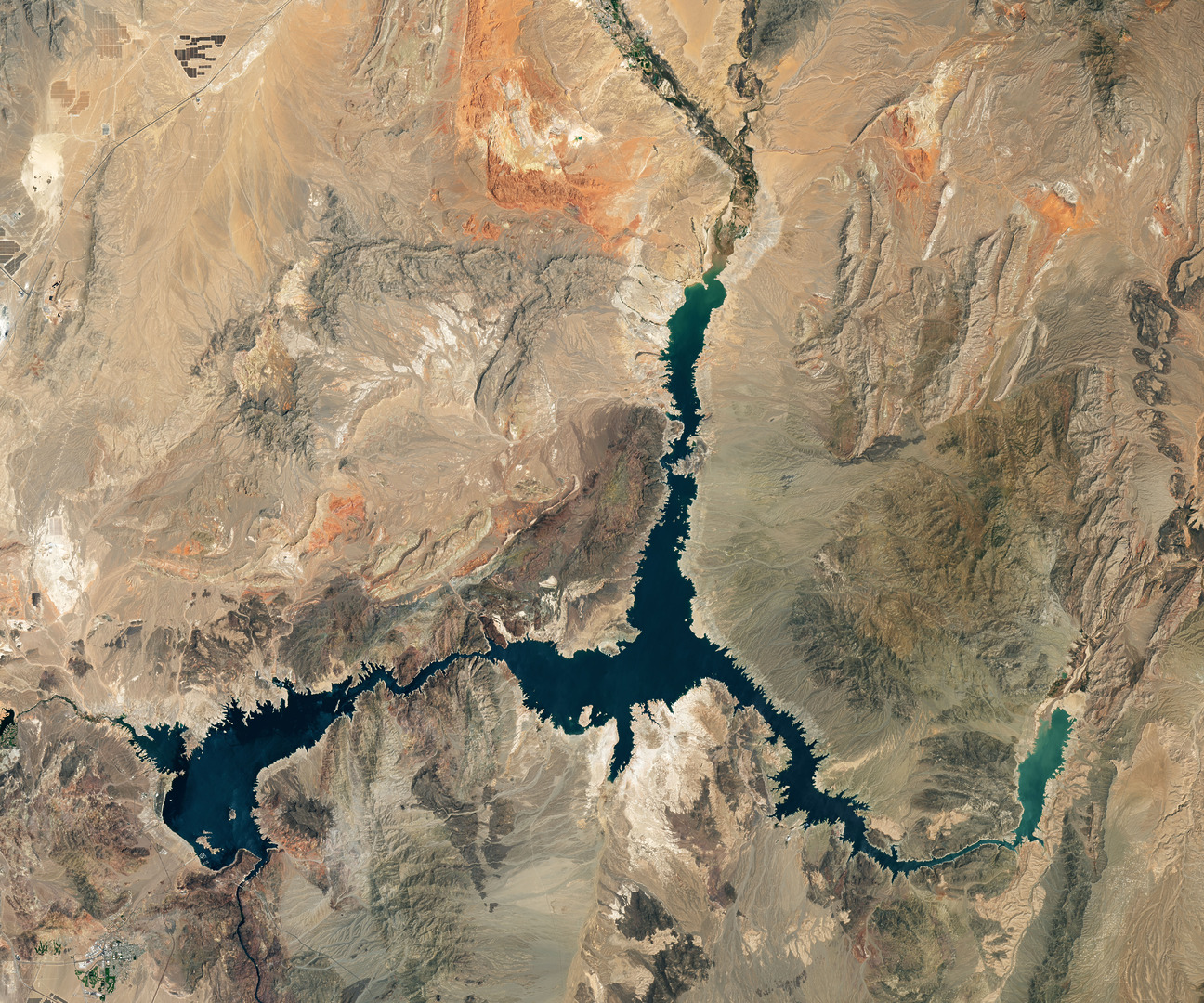
Water levels in Lake Mead in July 2000 (left) vs. in July 2022 (right). Continuing a 22-year downward trend, in July 2022 water levels in Lake Mead (at 27% of capacity) stood at their lowest since April 1937, when the reservoir was still being filled for the first time. The largest reservoir in the United States supplies water to millions of people across seven states, tribal lands, and northern Mexico. Photo Credit: NASA Earth Observatory / Lauren Dauphin.
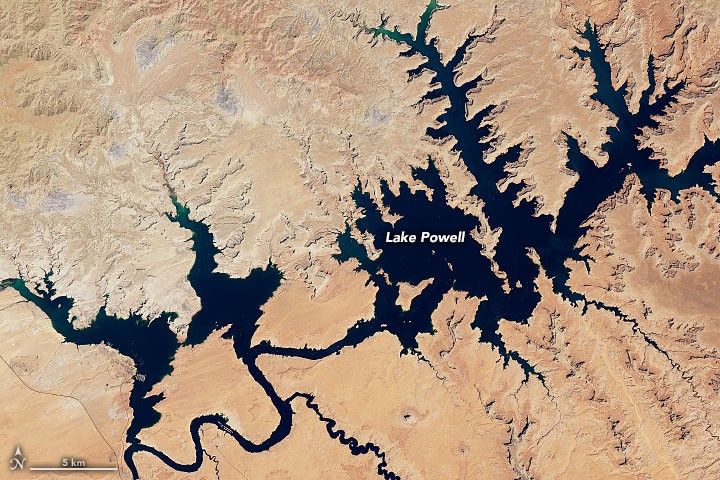
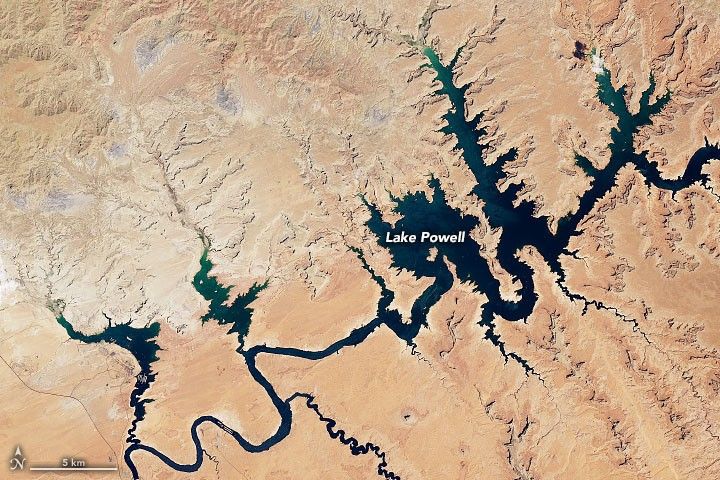
Water levels in Lake Powell in August 2017 (left) vs. in August 2022 (right). Lake Powell, the second-largest reservoir in the United States and a key component of the western U.S. water system, was filled to just 26% of capacity in August 2022 and stood at its lowest level since it was filled in the mid-1960s. Photo Credit: NASA Earth Observatory / Joshua Stevens.
International Efforts to address the crisis
At the international level, most efforts to address the issue are happening on two levels: the United Nations (UN) and the World Bank.
United Nations
In 1977, the first United Nations Water Conference was held in Mar del Plata, Argentina, and resulted in the Mar del Plata Action Plan, a set of ten resolutions covering water resource assessment, community water supply, agricultural water use, pollution control, desertification, technical cooperation, river basin management, institutional arrangements, financing, and water policies in occupied territories.
Many of the same issues and hot spots remain. Nevertheless, the international community is again preparing to take it up with another UN Water Conference to take place in December 2026 in the United Arab Emirates (UAE). Co-hosted by Senegal and the UAE, it will now have Sustainable Development Goal (SDG) 6 as its aspirational goal, to enhance global water governance and further elevate water-related issues on the international agenda.
This is encouraging. However, a word of caution is needed: Although the most concrete achievement has been the setting up of a climate science assessment body to credibly track climate change, recent IPCC history shows how difficult it is to move the process forward. There were only two moments when momentum was produced: In 1995, the Second Assessment Report enabled governments to draw the facts needed to adopt the Kyoto Protocol in 1997; between 2013 and 2014, the Fifth Assessment Report provided the scientific inputs necessary for the Paris Agreement. Yet we know how that Agreement is now in trouble, with President Trump having withdrawn the US.
When each decision must be taken by “consensus” from every participating UN member country, all we end up with is a string of climate change conferences with few concrete results in terms of action at the national level.
World Bank
In contrast to the United Nations, which aims to be relevant to all its member countries, the World Bank focuses its action on the Global South.
The Bank’s Water Forward initiative, a new multi-stakeholder coalition, aims to improve access for one billion people by 2030. At its core, the World Bank Water Strategy Implementation Plan — with an ambitious target of improving water security for 400 million people by 2030 — brings a proven framework, global reach, and delivery capacity.
Moreover, during World Water Week (Aug. 23-27), the World Bank made a key policy point that both the Global South and the Global North should consider. In a remarkable analysis of the problem, it highlighted the disturbing fact that governments routinely leave allocated water budgets unspent.
So it’s not a matter of more financing or more money on the table. The problem is “in the systems that turn allocations into infrastructure” that let people down. As World Bank experts convincingly argue, “better budget planning is key to fixing the water crisis.”
But better budget planning is not in the hands of the World Bank: It is the responsibility of recipient countries. Over time, as the Bank withdraws support, outside experts can no longer provide oversight, and how governments manage their budgets becomes an internal affair.
Related Articles
Here is a list of articles selected by our Editorial Board that have gained significant interest from the public:
Hard Choices: The Policy Debate Is Shaped by Water Access
Ultimately, the locus of responsibility for water management rests at the national level.
Communities face difficult decisions between rural/agriculture and urban needs; prioritizing hydropower over agriculture; tradeoffs between benefits and costs of high-use data centers; and countries having to choose between releasing water to a neighboring country or keeping it.
Liberals generally view river depletion as evidence of climate change. In Europe, liberal parties point to drought’s economic costs and widespread water restrictions to support stronger climate policies. In North America, they cite disruptions along the Colorado and Mississippi rivers as evidence that climate adaptation and mitigation require urgent action.
Conservatives tend to emphasize national control over water resources, protection for farmers and industry, and investment in infrastructure such as dams, reservoirs, and dredging. They are often skeptical of regulations that limit agricultural or industrial water use and wary of international water agreements.
Harder Choices: When Climate Science Rings the Alarm Bell
Regardless of political positions in America or Europe, scientific facts are hard to ignore.
It is a documented fact that half a billion people already face severe water scarcity year-round. According to the Future We Don’t Want analysis, by 2050, 685 million people living in over 570 cities will face at least a 10% decline in freshwater availability due to climate change. And when urbanized citizens suffer, the political impact is all but certain.
As noted above, financing water systems faces hurdles because of poor budget management. The World Bank first rang the alarm two years ago in its report, “Funding a Water-Secure Future,” which assessed public spending and found that water sector budget execution averaged only 72% between 2009 and 2020, meaning roughly 28 cents of every allocated dollar is never spent.
While the report did not provide detailed analysis for Europe or North America, it is clear that they too have problems with financing gaps, and not just with financing, but in making effective use of funding resources that are available or planned.
This brings us back to the problem of poor water management.
Addressing the Water Crisis
Rivers shape politics around the globe, including in the more developed countries.
In Europe, the drying Rhine and Danube are rewriting economic forecasts, straining diplomatic ties, and fueling ideological debates.
In North America, the Mississippi and Colorado crises are forcing states to rethink water rights, agricultural policy, and energy systems, and testing relations between the United States and Mexico.
Water scarcity is no longer a distant environmental issue; it is now a central political and economic force. International organizations and world conferences can offer advice based on scientific evidence. But that is all they can do. Decision-making is not in their hands.
The last word remains at the grassroots level — what happens on the ground, how nations, and especially communities within those nations, react. Whether they decide to solve the issue and take action, or merely skirt it with empty political debates.
As rivers continue to shrink, societies’ choices will shape both their economic resilience and political identity. The question is no longer whether rivers will keep running dry, but how nations will respond when they do.
Editor’s Note: The opinions expressed here by the authors are their own, not those of Impakter.com