

Today’s ESG Updates
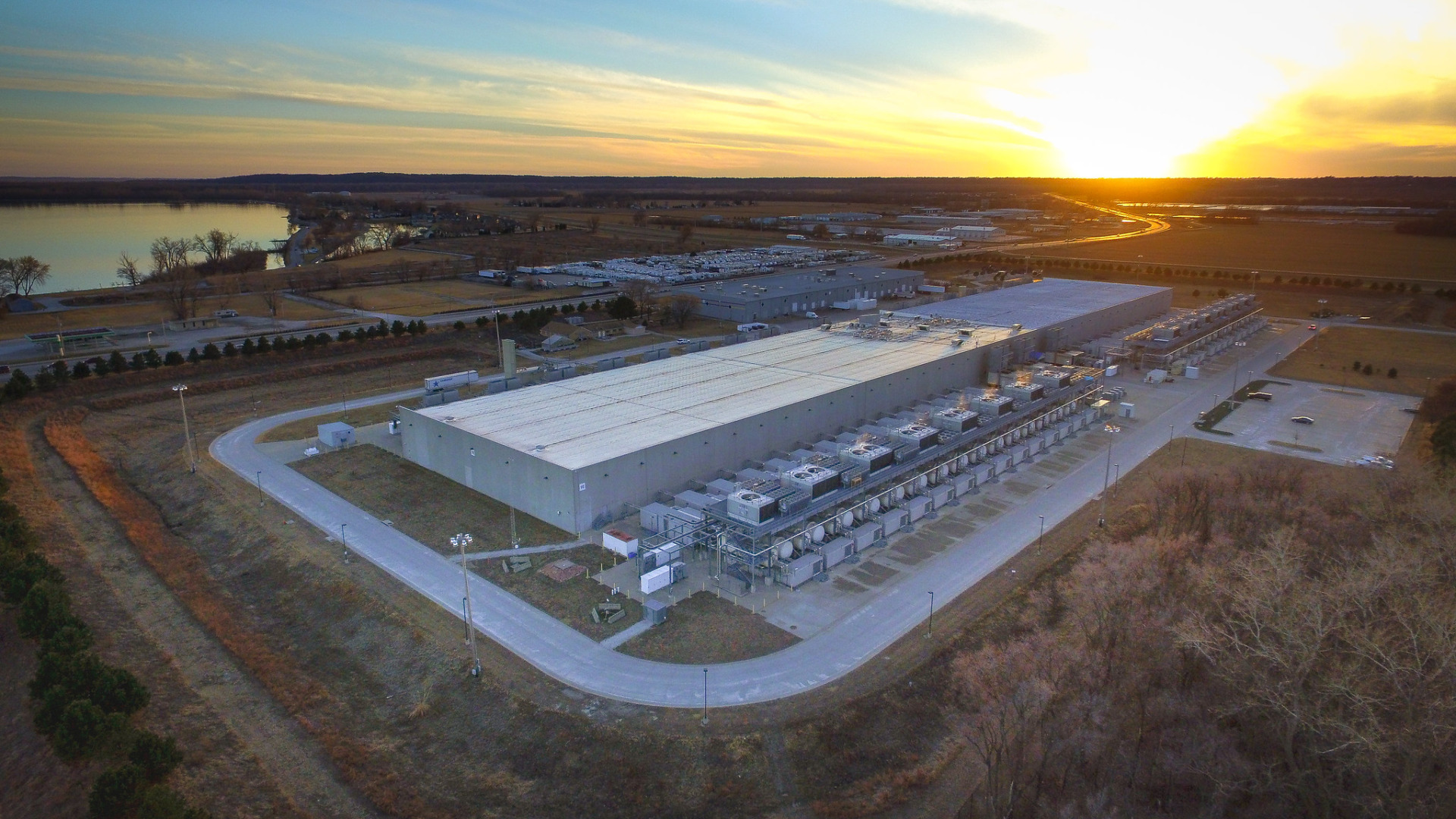
- Data Centers Emitting on the Scale of a Country: A study by a team of Harvard researchers analyzed electricity use at the largest data centers and estimated 28.3 million tons of carbon produced.
- Tough Negotiations on Climate Change at COP31: Nearly 200 countries at the conference appear unable to agree on climate mitigation strategies, as the first draft was rejected by some countries the same day.
- EU Sets Tariffs on Steel, Mostly From Asia: The EU is imposing tariffs on cold-rolled flat steel products from India, Japan, Taiwan, Turkey, and Vietnam; the duties take effect Tuesday, November 17.
- Proposal to Ease ESG Reporting Rules Met With Disagreement: The European Union faces criticism over a proposal to relax sustainability reporting requirements for companies headquartered outside the bloc.
New study shows the true scale of data center emissions
Harvard researchers examined 403 of the largest U.S. data centers over a year, between May 2024 and April 2025. The estimated numbers: 28.3 million tons of carbon dioxide and 82 terawatt-hours of electricity from fossil fuels. The first reactions from the expert community agree that the estimate is realistic.
Despite claiming that carbon-free power is essential for data centers, former U.S. Vice President and climate activist Al Gore argued that there is hope. In his opinion, advanced AI will eventually help find ways to use energy more efficiently. Another potential upside is the heat coming from data centers; capturing it can provide heat to homes and businesses in the area. The International Energy Agency estimates that by 2030 this can be the heat source for 10% of European homes.
Klimado – Navigating climate complexity just got easier. Klimado offers a user-friendly platform for tracking local and global environmental shifts, making it an essential tool for climate-aware individuals and organizations.
COP31 heated negotiations reflect the year of heatwaves
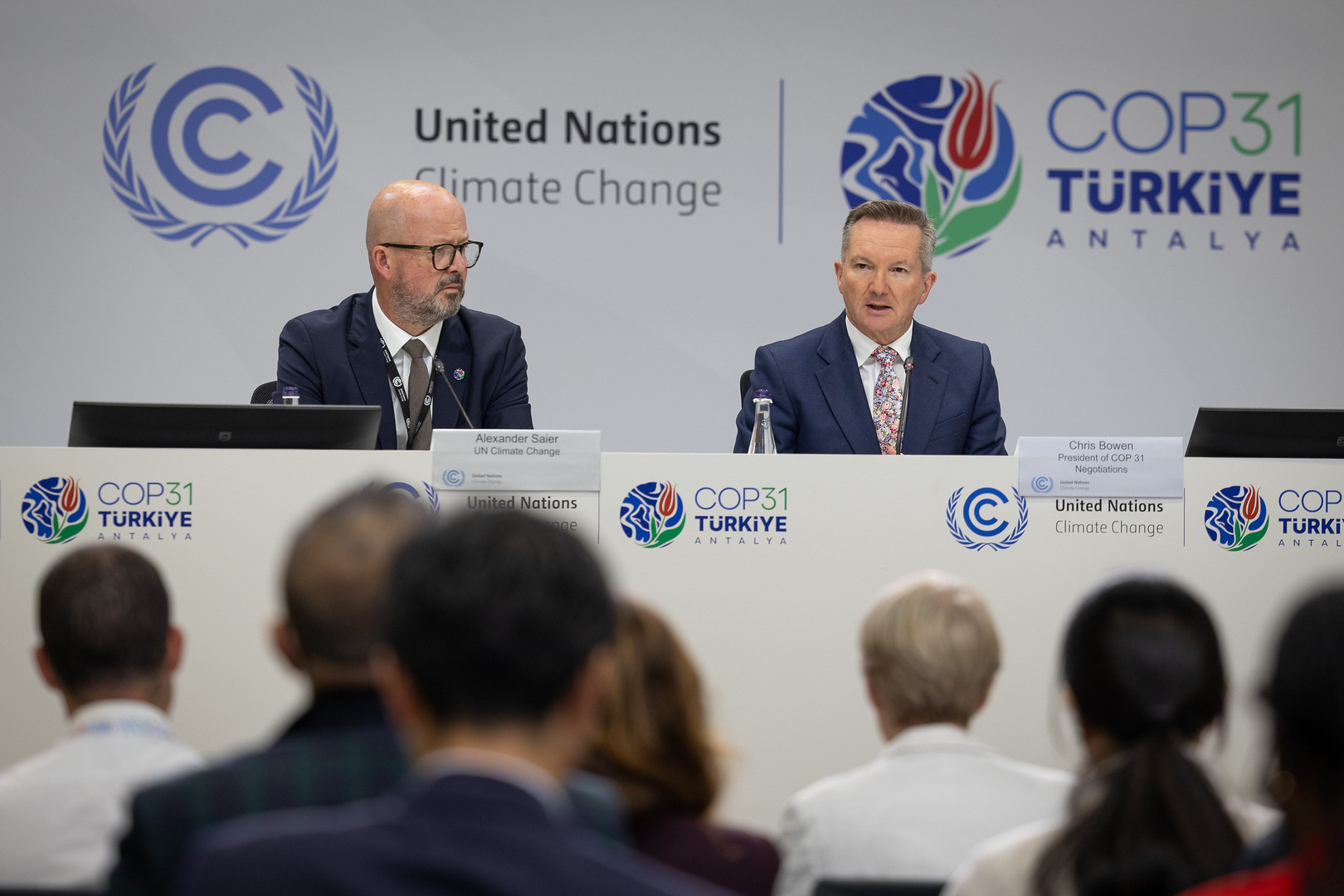
COP31 negotiators published a draft deal on Monday, with the main gaps between countries including fossil fuels and climate financing. Country representatives need to reach an agreement by the end of this week. Australia’s Chris Bowen, who is leading the negotiation, said some countries have already rejected the latest 18-page draft.
The event reflects a year of global warming that caused wildfires in Europe and glacier melting in Nepal. Other crises, like wars and the rising cost of living, limit political motivation. The annual UN climate talks seem unable to reach consensus among almost 200 nations. At the same time, the situation is dire: the latest UN report said the world is on course to exceed the 1.5 °C threshold for the worst climate change effects.
Related Articles
Here is a list of articles selected by our Editorial Board that have gained significant interest from the public:
EU imposes duties on steel to balance prices

The new tariffs follow the bloc’s findings that steel products from India, Japan, Taiwan, Turkey, and Vietnam were sold at unfairly low prices. The rates are set at 9.5% for Indian producers, 27.9% for Japanese steelmakers, and up to 20.7% for Taiwanese companies. The total EU market for cold-rolled flat steel is around €23.2 billion, while imports from the now-tariffed countries accounted for about €1.78 billion.
Dumping duties like these typically come from comparing producers’ domestic sales prices. However, that applies only to normally functioning markets. For example, the EU uses a normal value for Chinese products outside the country. Here, the European Commission stated that government measures distorted Indian domestic prices.

Easing ESG reporting for non-EU companies becomes an unpopular proposal
An initiative to ease ESG requirements for companies headquartered outside of the bloc was backed by U.S. business lobbying groups. Naturally, its main aim was to decrease the regulatory burden for international business. The proposal has sparked a dispute around the Corporate Sustainability Reporting Directive (CSRD), which requires disclosure on environmental, social, and governance impacts.
The European Commission suggests a mixed approach for non-EU companies that could potentially narrow their global reporting requirements. According to the proposal, international companies would have more limited requirements on worldwide impacts but would keep the requirements for products and services inside the EU. This suggestion has encountered opposition within the bloc. The main dilemma is maintaining ambitious disclosure standards to protect competitive fairness for European companies.
___________________________________________________________________________________
Editor’s Note: The opinions expressed here by the authors are their own, not those of impakter.com — Cover Photo Credit: Chad Davis