Today’s ESG Updates
- Tory Plan to Axe Future Homes Standard Draws Warnings: Think tank E3G says scrapping low-carbon heating rules for new builds would add about £1,000 a year to running costs for a three-bed home.
- Bangkok Floods Expose the Limits of a Sinking, Over-Concreted City: Around 300mm of rain in two days overwhelmed the capital’s drainage network, leaving about 40 people dead and a flood disaster declared across all 50 districts.
- Turkey’s Landfill Methane Leaks Put COP31 Host Under Scrutiny: Satellite data shows the Silivri dump near Istanbul emits 7.4 tonnes of methane an hour, months before Turkey hosts the UN climate summit.
- U.S. Water Bills Have Risen 62% in a Decade, Outpacing Inflation: A Food & Water Watch study finds corporate owned utilities charge households far more than public systems, with low income families hit hardest.
Tory plan to axe Future Homes Standard draws warnings
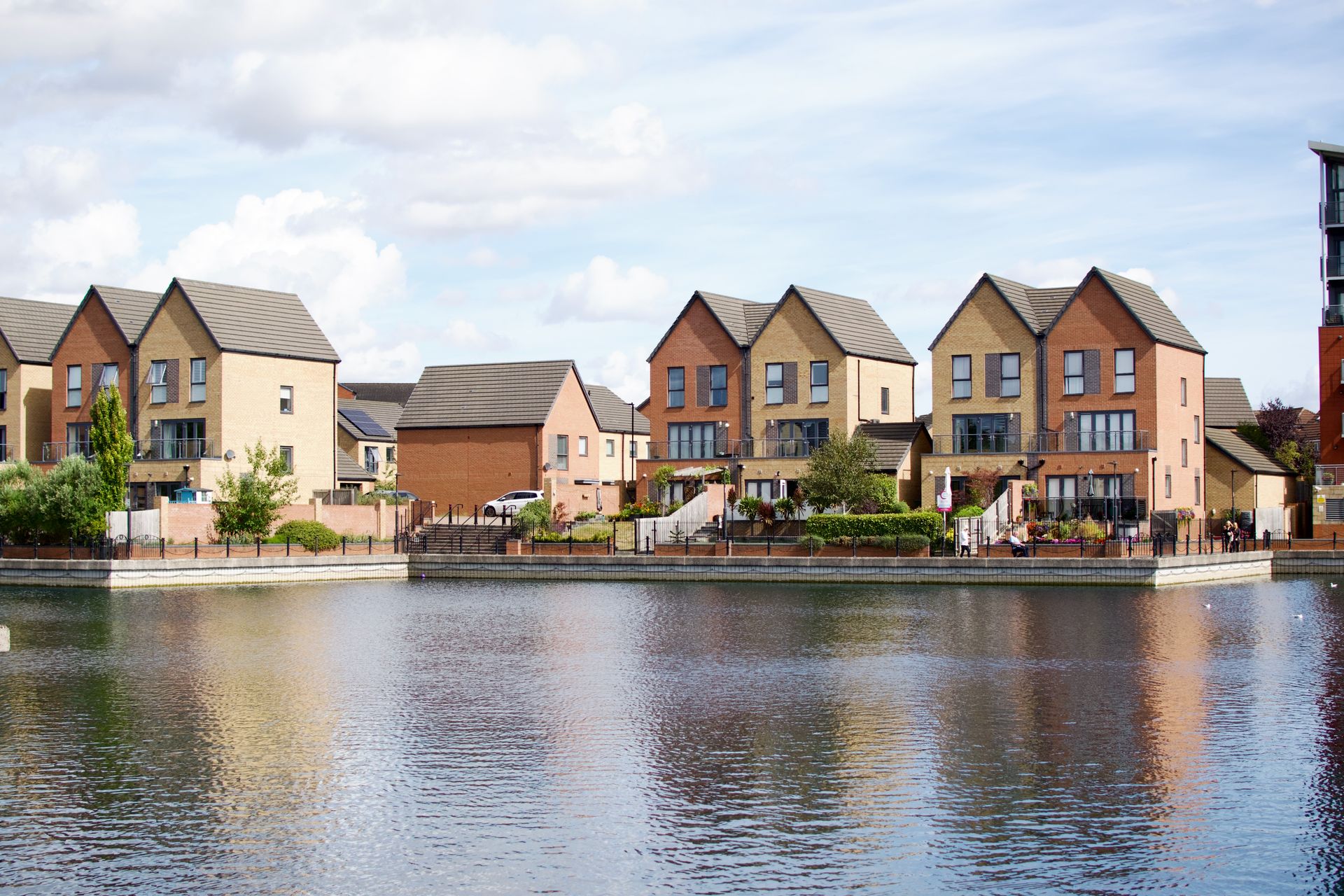
The Conservative UK Tory Party have pledged to scrap the Future Homes Standard if elected, with shadow chancellor Andrew Griffith announcing the move at the party conference as part of a wider plan to cut building regulations. The rule requires new homes to be fitted with low carbon heating such as heat pumps and solar panels rather than gas boilers.
Climate think tank E3G says the change would amount to a “new homes tax” of about £1,000 a year for owners of a three bed house, adding at least £25,000 in running costs over 25 years. It estimates that building the government’s promised 1.5 million homes to the standard would save bill payers around £35 billion and avoid 41 million tonnes of carbon dioxide emissions.
The Campaign to Protect Rural England also criticised the plan, warning it would push solar panels onto green fields rather than new roofs. The Conservatives have also proposed scrapping the Environment Agency and Natural England, a move the union Prospect called ridiculous given funding cuts to both regulators.
Klimado – Navigating climate complexity just got easier. Klimado offers a user-friendly platform for tracking local and global environmental shifts, making it an essential tool for climate-aware individuals and organizations.
Bangkok floods expose the limits of a sinking, over concreted city
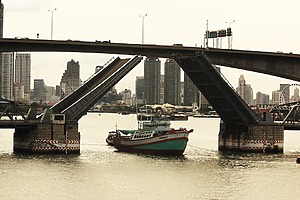
Bangkok has declared a flood disaster across all 50 districts after roughly 300mm of rain fell in about two days, equivalent to half a year of London’s average rainfall. About 40 people have died, and thousands have sheltered in more than 230 emergency centres, while flooding has disrupted Suvarnabhumi airport, closed schools and left parts of the capital in gridlock.
The city sits on the Chao Phraya floodplain and relies on canals, pumps and dikes, but concrete construction has destroyed much of its drainage network. Researcher Naim Laeni said bursts of rain exceeded the canals’ capacity of 60 to 80mm an hour, and authorities underestimated how long the downpour would last. Scientists say extreme rainfall is trending upward in central Thailand and will intensify as warmer seas and air feed heavier storms, though attribution to climate change requires a dedicated study. An unusually strong El Niño may also be worsening extremes. Neighbouring Myanmar has suffered deadly landslides from the same system, and more heavy rain is forecast.
Related Articles
Here is a list of articles selected by our Editorial Board that have gained significant interest from the public:
Turkey’s landfill methane leaks put COP31 host under scrutiny

Satellite data shows that Turkey hosts some of the world’s worst landfill methane leaks, just months before it hosts the COP31 climate summit in Antalya. Analysis by UCLA researchers found the Silivri dump outside Istanbul emits an average of 7.4 tonnes of methane an hour, with a warming impact equal to 1.5 million SUVs, while the Şile landfill releases another 4 tonnes an hour. Similar sites stretch from İzmir to Ankara and Antalya.
Local residents complain of a suffocating smell but fear speaking out. Istanbul’s waste operator İstaç said emissions were inevitable and far lower than in the 1990s, and that it captures 6,000 cubic metres of methane an hour for energy. Researchers say capture systems vary widely in quality, and that stopping organic waste reaching landfill is more reliable.
Turkey has made methane cuts a COP31 priority but has not signed the Global Methane Pledge, and its environment ministry declined to comment.

U.S. water bills have risen 62% in a decade, outpacing inflation
U.S. households are paying 62% more for drinking water than they were ten years ago, outpacing inflation, which increased by 39%. Grocery prices are also up 30%, and water bills have outpaced household incomes by 19%, according to a Food & Water Watch study of the 500 largest U.S. water systems. The average household using 60,000 gallons paid $531 in 2025, though annual bills ranged from $133 to $1,416. New Hampshire saw the steepest rise at 177%, followed by Oregon and West Virginia.
Corporate-owned utilities charged an average of $823 a year compared with $494 for public systems, and made up 44% of the 25 most expensive. Bills exceeded the study’s affordability threshold for the poorest fifth of households in 93% of systems, taking about 11% of low-income earnings in West Virginia.
The group blames ageing pipes, pollution cleanup, federal disinvestment and climate change. The American Water Works Association warned bills could more than double in real terms by 2050, while private utilities said assistance programmes are overlooked in rate comparisons.
Editor’s Note: The opinions expressed here by the authors are their own, not those of impakter.com — Cover Photo Credit: Mugurel Moscaliuc.