Impakter
  • Environment
    • Biodiversity
    • Climate Change
    • Circular Economy
    • Energy
  • FINANCE
    • ESG News
    • Sustainable Finance
    • Business
  • TECH
    • Start-up
    • AI & Machine Learning
    • Green Tech
  • Industry News
    • Entertainment
    • Food and Agriculture
    • Health
    • Politics & Foreign Affairs
    • Philanthropy
    • Science
    • Sport
  • Editorial Series
    • SDGs Series
    • Shape Your Future
    • Sustainable Cities
      • Copenhagen
      • San Francisco
      • Seattle
      • Sydney
  • About us
    • Company
    • Team
    • Global Leaders
    • Partners
    • Write for Impakter
    • Contact Us
    • Privacy Policy
No Result
View All Result
  • Environment
    • Biodiversity
    • Climate Change
    • Circular Economy
    • Energy
  • FINANCE
    • ESG News
    • Sustainable Finance
    • Business
  • TECH
    • Start-up
    • AI & Machine Learning
    • Green Tech
  • Industry News
    • Entertainment
    • Food and Agriculture
    • Health
    • Politics & Foreign Affairs
    • Philanthropy
    • Science
    • Sport
  • Editorial Series
    • SDGs Series
    • Shape Your Future
    • Sustainable Cities
      • Copenhagen
      • San Francisco
      • Seattle
      • Sydney
  • About us
    • Company
    • Team
    • Global Leaders
    • Partners
    • Write for Impakter
    • Contact Us
    • Privacy Policy
No Result
View All Result
Impakter logo
No Result
View All Result
resource use

Reduce Resource Use Growth While Growing Economy

New UNEP report calls for reducing the resource intensity of food, mobility, housing, and energy systems, arguing it is “the best and only way” of meeting the SDGs and “a just and livable planet for all”.

International Institute for Sustainable Development (IISD)byInternational Institute for Sustainable Development (IISD)
March 13, 2024
in Business, Society
0

The UN Environment Programme’s (UNEP) International Resource Panel (IRP) has published the second edition of its Global Resources Outlook. The report argues that for the 2030 Agenda for Sustainable Development to succeed, better resource management is essential, and provides recommendations to “bend the trend” on material extraction and use.

Themed, “Bend the Trend: Pathways to a Liveable Planet as Resource Use Spikes,” Global Resources Outlook 2024 warns that material use has tripled over the last 50 years and continues to increase, driving the triple planetary crisis of climate change, biodiversity loss, and pollution. With resource use projected to go up 60% from 2020 levels by 2060, unsustainable levels of production and consumption could derail efforts to achieve much of the 2030 Agenda.

The report calls for reducing the resource intensity of food, mobility, housing, and energy systems, arguing it is “the best and only way” of meeting the SDGs and “a just and livable planet for all.” It recommends “decoupling” to ensure that the environmental impacts of resource use decrease while its well-being contributions rise.

According to Global Resources Outlook 2024, high-income countries use six times more materials and generate ten times more climate impacts than low-income countries. It uses scenario modeling to illustrate the possibility of reducing resource use while at the same time growing the economy, reducing inequality, improving well-being, and reducing environmental impacts in wealthy and poor countries alike.

“We should not accept that meeting human needs must be resource intensive,” said IRP Co-Chair Janez Potočnik. “Now is the time to phase up resource-based solutions for climate, biodiversity and equity so that everyone, everywhere can live a life in dignity,” stressed IRP Co-Chair Izabella Teixeira.


Related Articles: Sustainable Consumption and Production Are Key for Sustainable Development | 5 Opportunities of a Circular Economy | Dear U.S. Capitalism: It’s Time to Change Our Economy

With bold policy action to phase out unsustainable activities, accelerate responsible and innovative ways of meeting human needs, and promote social acceptance of the necessary transitions, the report argues it is possible, by 2060, to grow global gross domestic product (GDP) 3%, improve the Human Development Index by 7%, reduce growth in material use by 30%, and achieve greenhouse gas (GHG) emissions reductions of more than 80% from current levels.

To enable this transition, the report recommends combining the prevailing approach of focusing on production measures with an increased focus on consumption measures, which would also help address “questions of global equity and sufficiency.” Recommended measures would help transform the built environment and mobility, food, and energy systems, reduce food loss and waste, and boost renewables and energy efficiency, decarbonization of material production, and more walkable and cyclable cities with better public transportation and remote work opportunities. High-income countries (HICs) and upper-middle income countries (UMICs) would benefit from diets with less animal protein and more compact cities, while lower-income economies would see a rise in resource use to enable dignified living.

** **

This article was originally published by the International Institute for Sustainable Development (IISD) and is republished here as part of an editorial collaboration with the IISD.


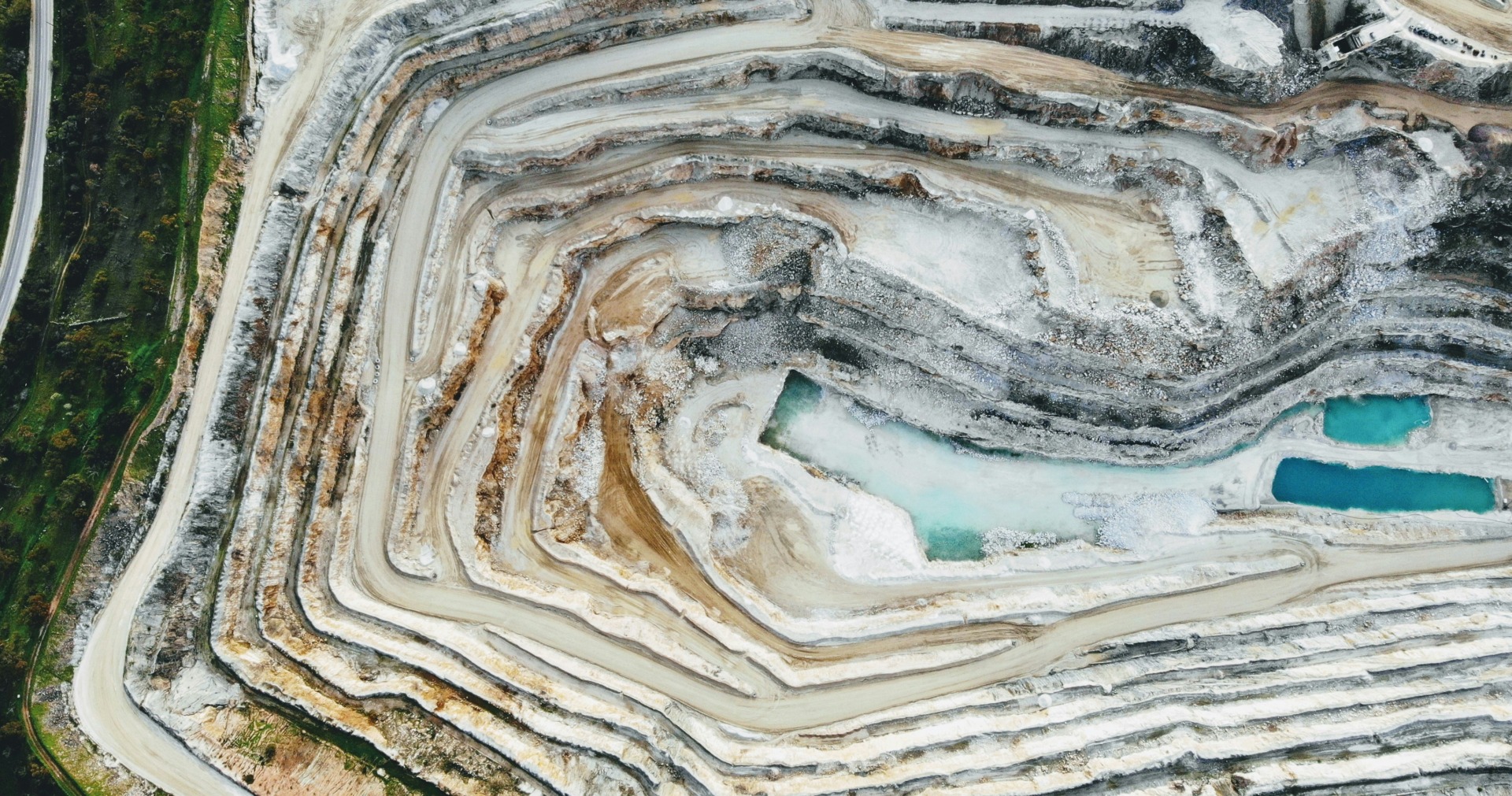
Editor’s Note: The opinions expressed here by the authors are their own, not those of Impakter.com — Featured Photo Credit: Dion Beetson.

Tags: 2030 Agenda for Sustainable DevelopmentEconomyenergy systemsfoodGlobal Resources OutlookHousingIISDInternational Institute for Sustainable DevelopmentmobilityResourcesSDGssustainable development goalsUN SDGsUNEP
Previous Post

Under Pressure From Activist Investors, Big Brands Agree to Report and Reduce Plastics Use

Next Post

Methane Emissions From Fossil Fuels Set to Decline

Related Posts

World Trade Organization Reform
Business

What We Should Be Talking About When We Talk About World Trade Organization Reform

Institutional reform is the headline item at the WTO’s 14th Ministerial Conference (MC14) in March 2026. Most people outside Geneva do not...

byInternational Institute for Sustainable Development (IISD)
October 31, 2025
U.S. Economy - the bull found by wall street
Corporations

U.S. Economy Enters Q4 2025: Signs of Stability Despite Global Uncertainty

As we enter the final months of 2025, the U.S. economy is moving forward, but at a slower pace than...

byHannah Fischer-Lauder
October 28, 2025
COP30
Climate Change

What to Expect at COP30

Climate change negotiators will soon head to the 30th UN Climate Change Conference (COP30) in Belém, Brazil, after a year...

byInternational Institute for Sustainable Development (IISD)
October 22, 2025
Gig economy
Society

Rights on Demand: Asia’s Gig Economy Gets a Legal Upgrade

Gig work, symbolised by crowd work, on-demand work, and freelancing, has expanded rapidly worldwide. The convenience of being able to...

byYosuke Uchiyama - Research Fellow at Chulalongkorn University
October 20, 2025
World Restoration Flagships
Food and Agriculture

Healthy Nature for Better Food Systems: UN Awards New World Restoration Flagships

The United Nations (UN) has named four new World Restoration Flagships under the UN Decade on Ecosystem Restoration. Recognizing global efforts...

byThe Food and Agriculture Organization of the United Nations (FAO)
October 16, 2025
harmful subsidies
Politics & Foreign Affairs

Harmful Subsidies Explained

This year marks 20 years since the International Institute for Sustainable Development (IISD) launched the Global Subsidies Initiative (GSI), which...

byInternational Institute for Sustainable Development (IISD)
November 6, 2025
food waste
Food and Agriculture

Targeted Investments to Combat Food Loss and Waste and Generate Triple Wins

To mark the International Day of Awareness of Food Loss and Waste 2025, the Food and Agriculture Organization of the United...

byThe Food and Agriculture Organization of the United Nations (FAO)
October 1, 2025
EU Public Procurement Directive
Society

Public Money, Public Value: The EU’s Public Procurement Directive Review Explained

When governments buy buses, school meals, or hospital equipment, they shape entire markets. Across the European Union (EU), those purchases...

byInternational Institute for Sustainable Development (IISD)
September 22, 2025
Next Post
methane emissions

Methane Emissions From Fossil Fuels Set to Decline

Recent News

Frankfurt Bull And Bear

Rubio Raises €80 Million for Climate and Social Impact Fund

November 7, 2025
Sustainable EU Tourism - Shaping the Tourism of Tomorrow

Tourism at a Crossroads: Europe’s Path to Sustainability and Resilience

November 7, 2025
climate change and food

COP30: Climate Extremes Are Already Impacting Food Yields Today

November 7, 2025
  • ESG News
  • Sustainable Finance
  • Business

© 2025 Impakter.com owned by Klimado GmbH

No Result
View All Result
  • Environment
    • Biodiversity
    • Climate Change
    • Circular Economy
    • Energy
  • FINANCE
    • ESG News
    • Sustainable Finance
    • Business
  • TECH
    • Start-up
    • AI & Machine Learning
    • Green Tech
  • Industry News
    • Entertainment
    • Food and Agriculture
    • Health
    • Politics & Foreign Affairs
    • Philanthropy
    • Science
    • Sport
  • Editorial Series
    • SDGs Series
    • Shape Your Future
    • Sustainable Cities
      • Copenhagen
      • San Francisco
      • Seattle
      • Sydney
  • About us
    • Company
    • Team
    • Global Leaders
    • Partners
    • Write for Impakter
    • Contact Us
    • Privacy Policy

© 2025 Impakter.com owned by Klimado GmbH