IEP’s Positive Peace Framework is versatile and can be applied to a variety of settings.

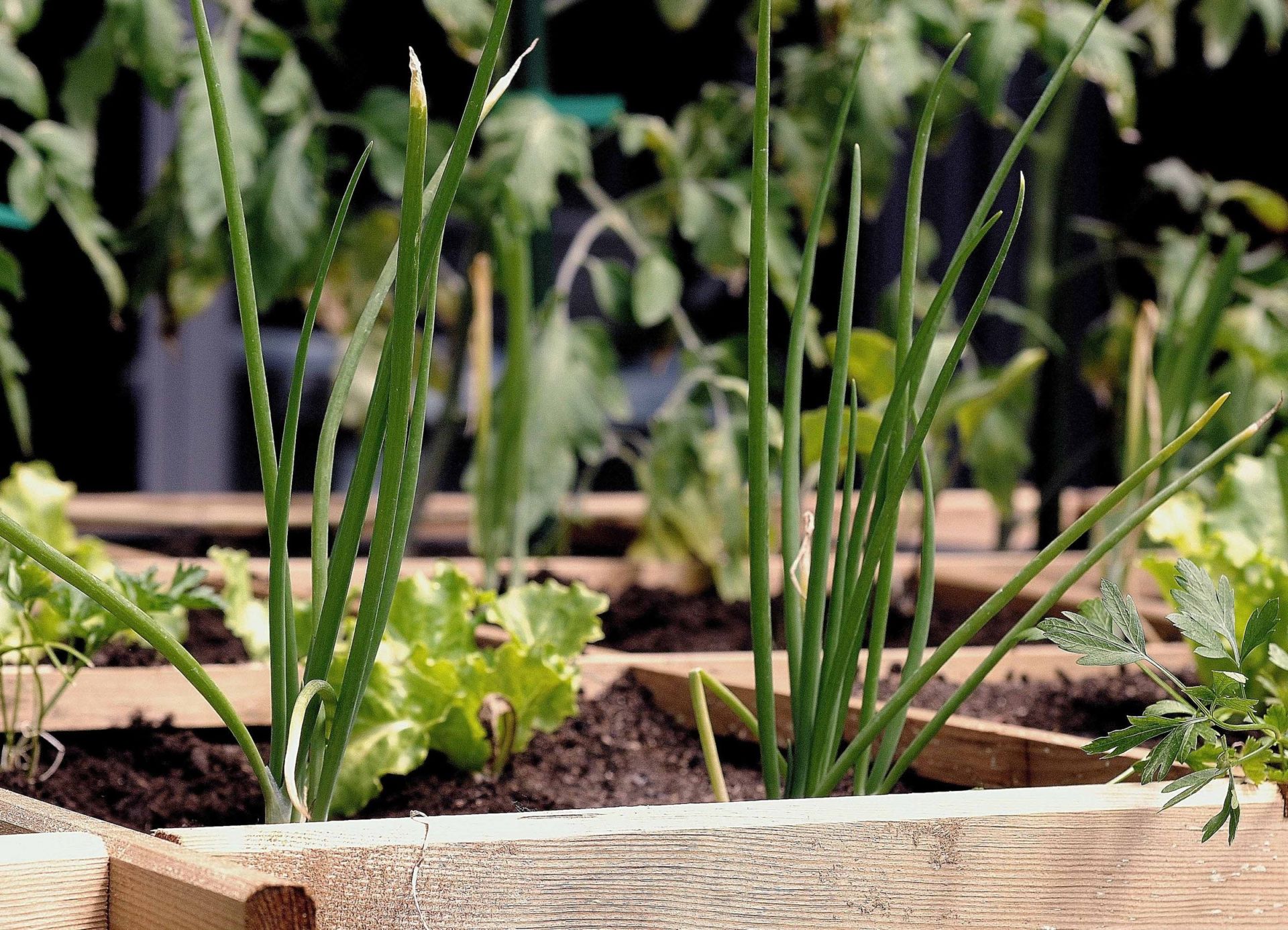
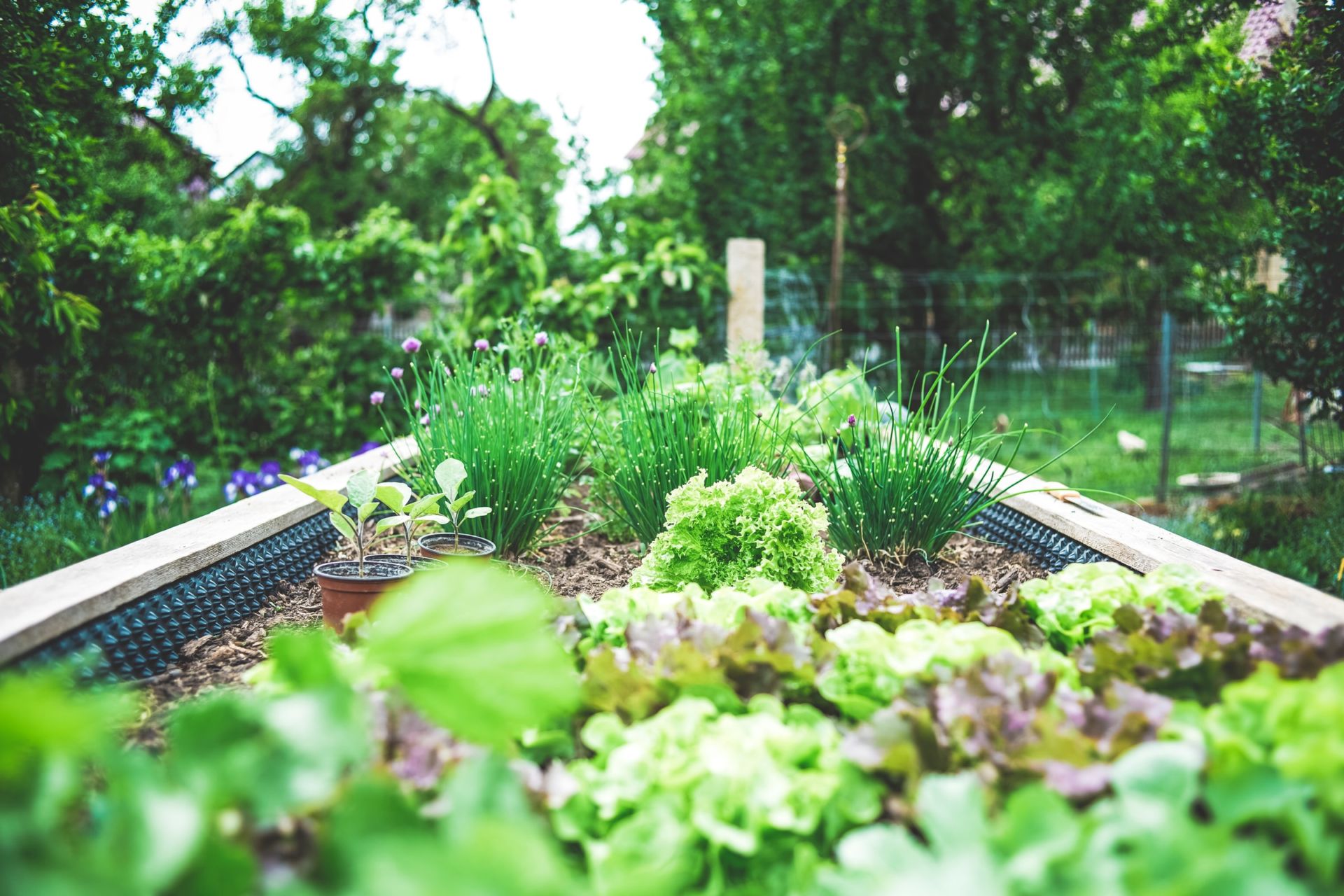
In the US city of Atlanta, a food movement has grown popular and turned the bustling metropolis into a national leader in urban agriculture. A proliferation of urban farm plots, community gardens, and farmers’ markets are generating a local food system that brings fresh, sustainable fruit and vegetables to a big city of five million.
Devotees of Atlanta’s sustainable farming culture are discovering many benefits — they grow fresh, healthy food for themselves and their community and gain new skills as they transform blighted city plots of land into productive farm patches. Locals have discovered a new-found passion and pastime in the urban farming movement, and the strong undercurrent of enthusiasm is driving its growth, but it’s not without challenge and conflict.
“There are many different kinds of disputes that can arise,” said Elizabeth Beak, a food systems planner at the City of Atlanta, the local government body that oversees urban agriculture programs addressing the city’s lack of access to fresh food.
“People are very passionate about their gardens and farms. Sometimes growers feel upset when a garden member does not take care of their plot, and they are working hard on theirs. Weeds can attract pests that affect a neighbouring plot. Sometimes two managers disagree on how to run a garden,” said Beak.

As Atlanta’s urban farming culture developed, Beak realised she and her colleagues needed clear procedures to resolve conflicts that arise on public land. That’s when Beak connected with Kate Keator, a Rotary Positive Peace Activator, IEP Global Peace Ambassador and conflict resolution professional, who introduced the organisation to the concept of Positive Peace.
Keator was invited to work with a team of volunteers on the dispute resolution guidelines for AgLanta, an urban agriculture initiative set up by Atlanta’s Mayor’s Office. “Throughout our conversations I realised that their dispute resolution work needed to be anchored to a broader goal, which we identified as community-building. Using the language in the Positive Peace framework, we have been able to articulate how to incorporate informal mediators into their organisational design as well as how to build a culture of dispute resolution through pre-existing virtual gatherings,” said Keator.
“We also came up with a few ideas to strengthen AgLanta’s Positive Peace contribution, including the need for a shared space, virtual or physical, for growers to connect with each other and access to an informal mediator at a regular interval.”
Positive Peace is defined by the Institute for Economics & Peace (IEP) as the attitudes, institutions and structures that create and sustain peaceful societies, and represents a holistic approach to developing peace and societal resilience. It not only reduces violence and the level of grievances, but it also provides a practical method for robust human development. IEP’s Positive Peace framework can be applied to a variety of settings and identifies eight socio-economic factors that work together systemically to create the optimum environment for human potential to flourish.
While Keator was first introduced to Positive Peace as an IEP Global Peace Index Ambassador, it was through Rotary’s Positive Peace Activator programme that she became adept in resilience building. Speaking about the Rotary programme, Keator said it offered her a platform and a network to incorporate a Positive Peace lens into Rotary’s community-focused work, an opportunity she didn’t want to miss.
Keator explains there is an important link to make between food security and peacebuilding: “While working with AgLanta, I’m supporting an urban farming organisation through dispute resolution guidance, but also using a peacebuilding framework to articulate new approaches and potential programming.”
“Right now, we’re focused on how to better build community across growers which means that there’s more sharing of information, group collaboration, and more opportunities to build better. An urban farming initiative isn’t just helping a community feed itself; it’s bringing a community together, it’s adding new skills and opportunities to a community as it regenerates the neighbourhood built through shared space and learning.”
Related Articles: Social Farming for Sustainable Development | Regenerative Agriculture is Our Most Powerful Relationship with the Earth
While Positive Peace was an entirely new concept for Beak at Aglanta, she says she cannot thank Keator enough for her insights: “It has been a healing and transformative journey. I hope this can help many grow!”
More than a passing foodie trend, local food systems develop communities while generating economic opportunity, as well as knowledge about environmental sustainability and nutrition. Urban farmers say they have saved money by growing their own food, and some even earn money from selling produce to their neighbours, and many are simply proud of their new local environments after beautifying the formerly decayed city plots. The benefits of the program are certainly worth working for: AgLanta is closing in on its goal of making 85% of Atlanta residents within half a mile to fresh, affordable food by 2022. In 2015, just 52% of City residents were within a half-mile of fresh food. In 2020, this increased to 75% of residents, a substantial increase in fresh food access across the city.
Would you like to learn more about Positive Peace as a peacebuilding tool? Take part in IEP’s free online academy.
For more information on the different ways Rotary and IEP partner together, visit the Rotary International website.
——
About the author: The article has been written by the Vision of Humanity Editorial staff — brought to you by the Institute for Economics & Peace (IEP). The IEP investigates the impact of COVID-19 and future trends in economics, politics, social dynamics, conflict and development.
Editor’s Note: The opinions expressed here by Impakter.com columnists or contributors are their own, not those of Impakter.com. — In the Featured Photo: Urban Garden in Olloki, Spain. Featured Photo Credit: Elisa Calvet B., Unsplash.