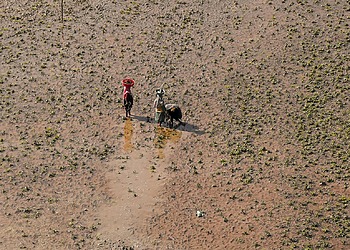
Soils are where our food begins. Without healthy soils, growing nutritious food would be next to impossible. Problems like soil erosion can cause up to 50% in crop yield losses, impacting farmers’ livelihoods, our environment, agriculture and food. Soil health affects us all.
Around the world, farmers face different challenges. Misuse of fertilizers and pesticides and lack of knowledge about soil conditions are among them.
To address these issues at their roots, the Global Soil Doctors Programme, implemented by the Food and Agriculture Organization of the United Nations (FAO), is creating a legion of “soil doctors,” educated and trained to support farmers on sustainable soil management. This programme, a key initiative of the Global Soil Partnership, provides heaps of educational resources to support the doctors and farmers to teach and learn from each other.
Here are four countries where FAO-trained soil doctors are healing farms and bettering soil management practices:
Tajikistan
Only a scarce seven percent of land in Tajikistan is suitable for agriculture. Even then problems such as soil erosion and land degradation pose threats to sustainable farming. To mitigate these problems, the country implemented the Global Soils Doctors Programme in two districts prone to fertility loss. The programme trains champion farmers and certifies them as “doctors” to then help other famers in their community manage soils sustainably.
In the training course, soil doctors learned to conduct field assessments and make informed decisions to treat various soil problems. Educational soil test kits — tools to assess soil condition — distributed by the programme, enabled the trainees to tackle soil fertility issues and optimize soil health.
One of these certified soil doctors is Davlatova Farishta. According to her, the main difficulties faced by farmers in her district are delayed access to fertilizers and their high cost.
“The Global Soil Doctors Programme educates farmers about other ways to nourish plants without relying solely on fertilizers,” she explains.
With the education and tools from the programme, Davlatova is now helping other farmers to visually diagnose their soils and learn to implement crop rotation with leguminous species and incorporate plant residues to enhance soil organic matter instead of just using synthetic fertilizers.
Lao People’s Democratic Republic (Lao PDR)
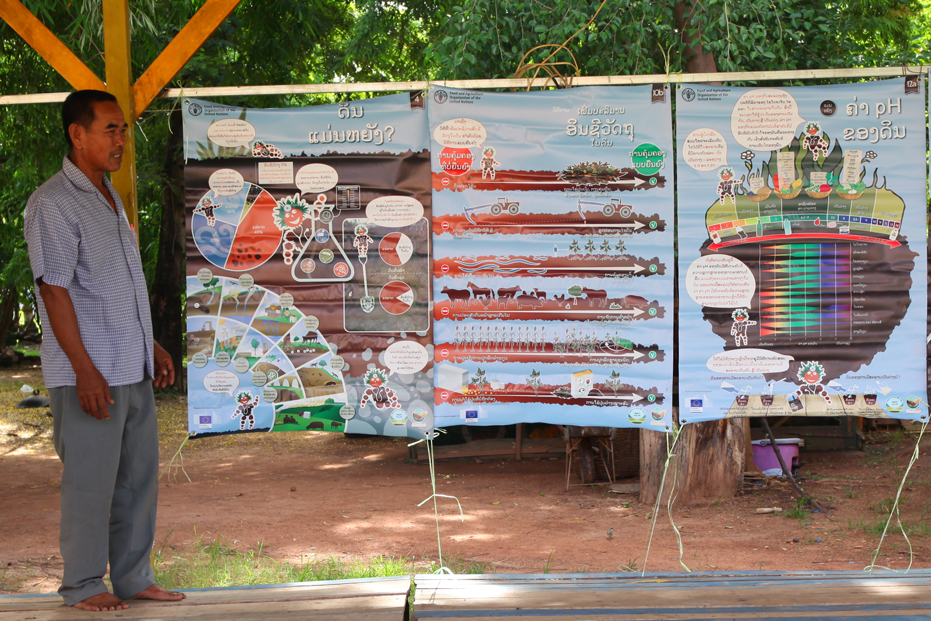
In an effort to tackle soil infertility — a main concern in the Savannakhet province of Lao PDR — FAO provided training on enhancing soil organic matter, understanding soil pH and recognizing the presence of volcanic ash, crucial factors that affect nutrient supply in plants. Having this knowledge means farmers can correctly diagnose and treat their land’s soil problems.
Sisavath Keochaleunsouk, a soil doctor, is utilizing a crop rotation system on his farm to produce crops year-round. He shares, “We sow watermelon during the dry season, and we cultivate rice during the rainy season. Now we understand that we need to rotate our crops because our soils lose their productivity over time.” With the knowledge and skills from the training course, he is learning to better understand how to enhance soil nutrient availability. In addition to watermelon, he will now include other crops and add organic fertilizers.
With a hundred soil doctors already trained and sharing their knowledge, the programme in Lao PDR is expected to reach 1,000 farmers in 50 more villages.
Related Articles: Soil Health, Fertiliser Use and Agricultural Sustainability | Strengthening Urban Food Systems in Times of Crisis | Can We Fix Our ‘Broken’ Food Systems? | Reimagining Generational Gaps to Transform Africa’s Agri-food Systems | Soil Health is Key Component of Healthy Food System Says Jeff Tkach of Rodale Institute | What Is Happening to Our Soil?
Mexico
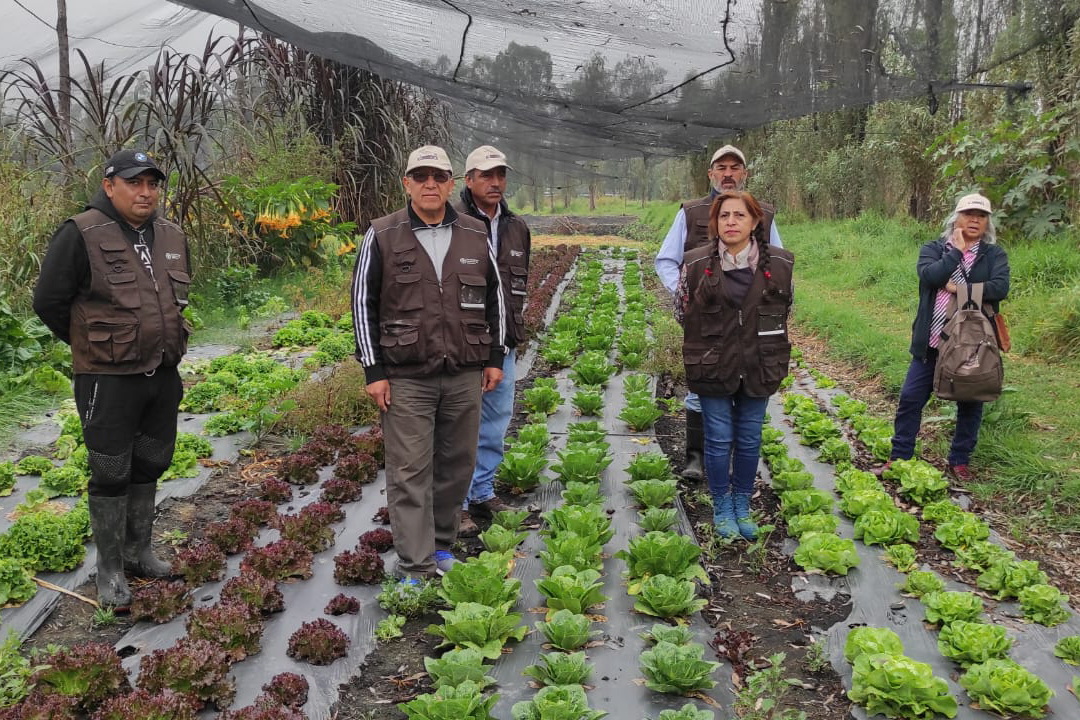
In Xochimilco, Mexico, farmers witnessed a gradual degradation of soils. When soils are irrigated with wastewater, it means an accumulation of salts in the soil and a deterioration of soil structure. This results in unproductive land and hurts livelihoods.
Macrina and Lourdes Dehesa partook in the Global Soil Doctors programme to understand these underlying problems. With the hands-on experience in the field accompanied by soil educational kits, Macrina and Lourdes trained 45 farmers to identify soil salinity, caused by the use of urban waste water. Twenty-four of the trained farmers have implemented the soil salinity management practices defined during the Soil Doctors´ working sessions in Xochimilco. These practices, such as filtering urban water before irrigation, regulating soil moisture and applying compost manure, have improved the pH of the soil, leading to better crop growth.
Now these farmers can produce more vegetables, herbal infusions and corn which they sell to tourists thus boosting their livelihoods. With more than 800 soil doctors trained and continued support from the government, the programme is now being spread throughout the country.
Togo
In Togo, there has long been an unsustainable method of farming which involves burning and clearing forest areas to plant crops continuously, eventually leading to low soil productivity overtime and high land degradation rates. This is not only harmful to the environment but also affects soil organic carbon, which plays a crucial role in the soils’ ability to sustain plant growth.
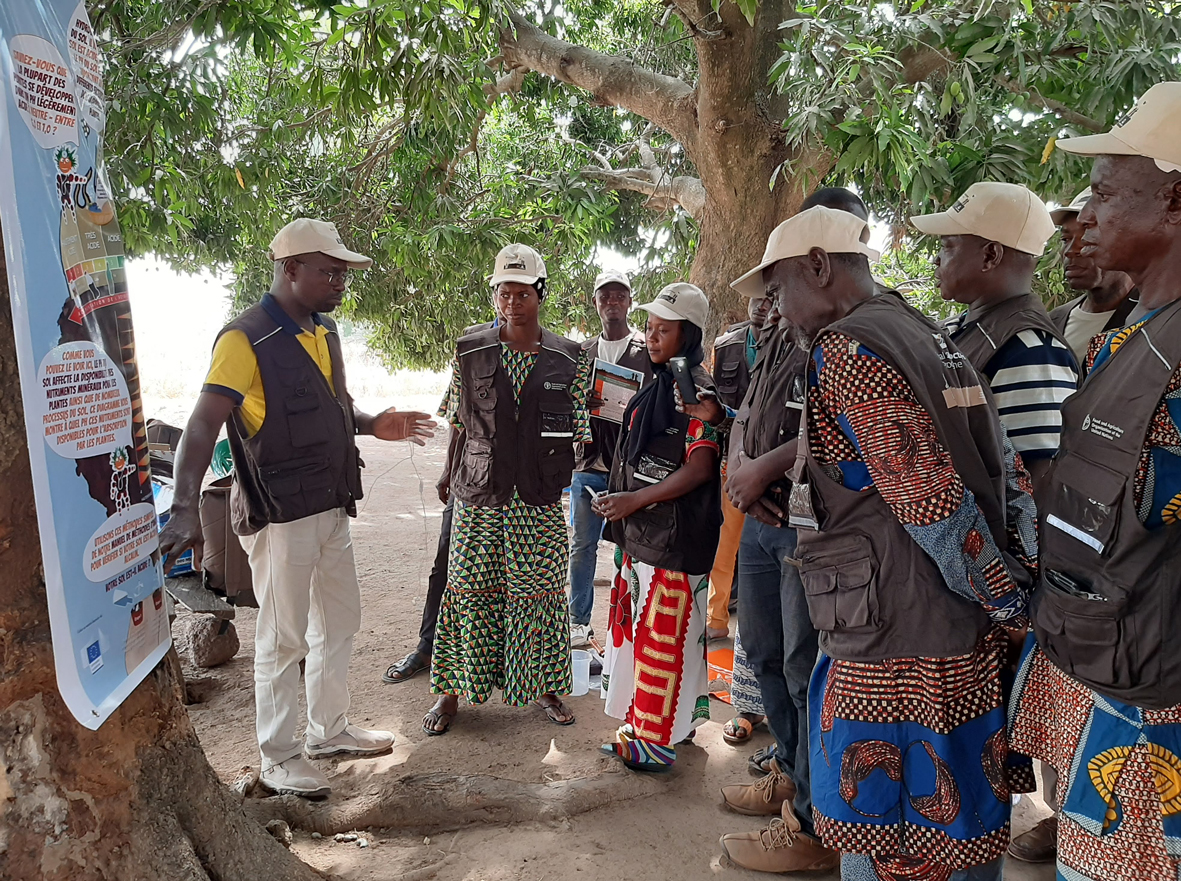
When he entered the Global Soil Doctors Programme, Anaming Essoyéké and other farmers in his community in Togo learned to assess their soils and put in place better soil management. Soil experts from the programme taught them to preserve soil organic matter.
Performing root observation and assessing soil texture is another important method for farmers to observe their soil structure, nutrient availability and soil water retention. These sustainable practices allow soils to be productive for longer, and farmers no longer have to resort to burning forests.
Around the globe, the Global Soil Doctors Programme is active in 21 countries, and there are currently 1 832 soil doctors and counting. These doctors have reached an additional, estimated 11 545 farmers, empowering them to save soils and employ sustainable farming methods.
By disseminating the know-how to address soil threats and sustain farmlands, this programme is healing soils, one doctor at a time.
** **
 This article was originally published by the Food and Agriculture Organization of the United Nations (FAO) and is republished here as part of an editorial collaboration with the FAO.
Editor’s Note: The opinions expressed here by the authors are their own, not those of Impakter.com — Cover Photo Credit: @ FAO.