Today’s ESG Updates
- Germany Invests €5 Billion to Decarbonize Heavy Industry: The German government will allocate €5 billion to help steel, cement, and chemical factories switch to cleaner technologies.
- Trump Administration Stalls Over 150 U.S. Wind Farm Projects: The Pentagon has halted routine military reviews required for wind farm construction.
- EC Blocks Huawei and High-Risk Suppliers from EU Solar Funding: The European Commission is barring funding for solar panel inverters from Huawei and other companies considered high-risk.
- SEC Moves to Repeal Biden-Era Climate Disclosure Rule: The SEC is formally drafting regulations to scrap a 2024 rule requiring publicly traded companies to report climate-related risks and emissions.
Germany’s €5 billion decarbonization investment
Germany’s economy ministry stated that the government would allocate €5 billion (about $5.85 billion) to help major factories upgrade to cleaner technologies. The goal of the investment is to reduce carbon emissions in heavy industry, specifically cement, steel, and chemicals, meeting EU climate regulations and keeping manufacturing in the country. Heavy industry must reduce carbon emissions by 50% over the next four years, down from the initial target of 60% in three years. As a result of the newly relaxed climate regulations, funding could also be allocated to carbon capture and storage technologies.
In addition to more lenient rules, the government is encouraging participation by clarifying rules for cancellations and delays and capping repayments. Only factories within the EU Emissions Trading System can apply, with a submission deadline of September 7, 2026.
***
Further reading: Germany allocates 5 billion euros to push heavy industry to cut CO2
Klimado – Navigating climate complexity just got easier. Klimado offers a user-friendly platform for tracking local and global environmental shifts, making it an essential tool for climate-aware individuals and organizations.
Trump administration blocks 150 U.S. wind farm projects

The Trump administration is blocking over 150 onshore wind farm projects in the United States. Pentagon military reviews are required before construction can begin, and the administration is halting progress by stalling these reviews.
The administration cites national security risks as the main reason for pausing these military reviews. Project developers must obtain clearance from the Federal Aviation Administration (FAA) to ensure that newly installed wind turbines will not affect flight paths or military sonar operations. The stalled projects would produce around 30 gigawatts of potential energy, enough to power the equivalent of 9 million homes. At least 35 major wind farm projects cannot move forward with negotiated mitigation agreements with the Pentagon.
Jason Grumet, CEO of the American Clean Power Association, said, “They’ve just pulled the blinds on the offices that are obligated to do this work and are not responding to calls, and they’re canceling meetings. It’s an abuse of a legitimate process that has now caused a major part of the energy economy to stall.”
***
Further reading: More Than 150 Wind Projects Stall as Pentagon Delays Reviews
Related Articles
Here is a list of articles selected by our Editorial Board that have gained significant interest from the public:
EC blocks Huawei and other high-risk solar investments

The European Commission (EC) confirmed that it would block funding for solar panel inverters from Huawei and other companies the EU considers high-risk. Inverters connect the energy generated by solar panels to the grid, and Huawei leads the market in inverter production. While suppliers in China account for 80% of inverter demand worldwide, suppliers in Iran, North Korea, and Russia are also subject to the ban.
Siobhan McGarry, a spokesperson for the EC, said that the action has been taken to combat the “risk of disruption of the EU’s critical infrastructure by foreign actors.” McGarry claimed that working with high-risk suppliers could lead to disruptions in the electricity supply and data manipulation.
Huawei released a statement claiming that the EC has neglected to provide “any specific facts or technical evidence” to substantiate its decision. High-risk suppliers currently involved in EU projects can apply for an exception before November 1.
***
Further reading: Commission blocks EU funding for Huawei solar tech

SEC to roll back Biden administration climate regulation
As the Trump administration continues to roll back Biden-era climate regulations, the U.S. Securities and Exchange Commission (SEC) plans to end a rule requiring publicly traded companies to disclose climate-related risks, emissions, and spending to investors. The regulation, adopted in 2024, was immediately challenged in court by Republican-led states and industry groups, leading to a pause.
The SEC voted in early 2025 to stop defending the rule in court. The agency is now formally drafting regulations to repeal it entirely. The proposal is currently under review by the Office of Management and Budget, and a timeline for final action remains unclear.
***
Further reading: Wall Street regulator moves to scrap Biden-era climate rule
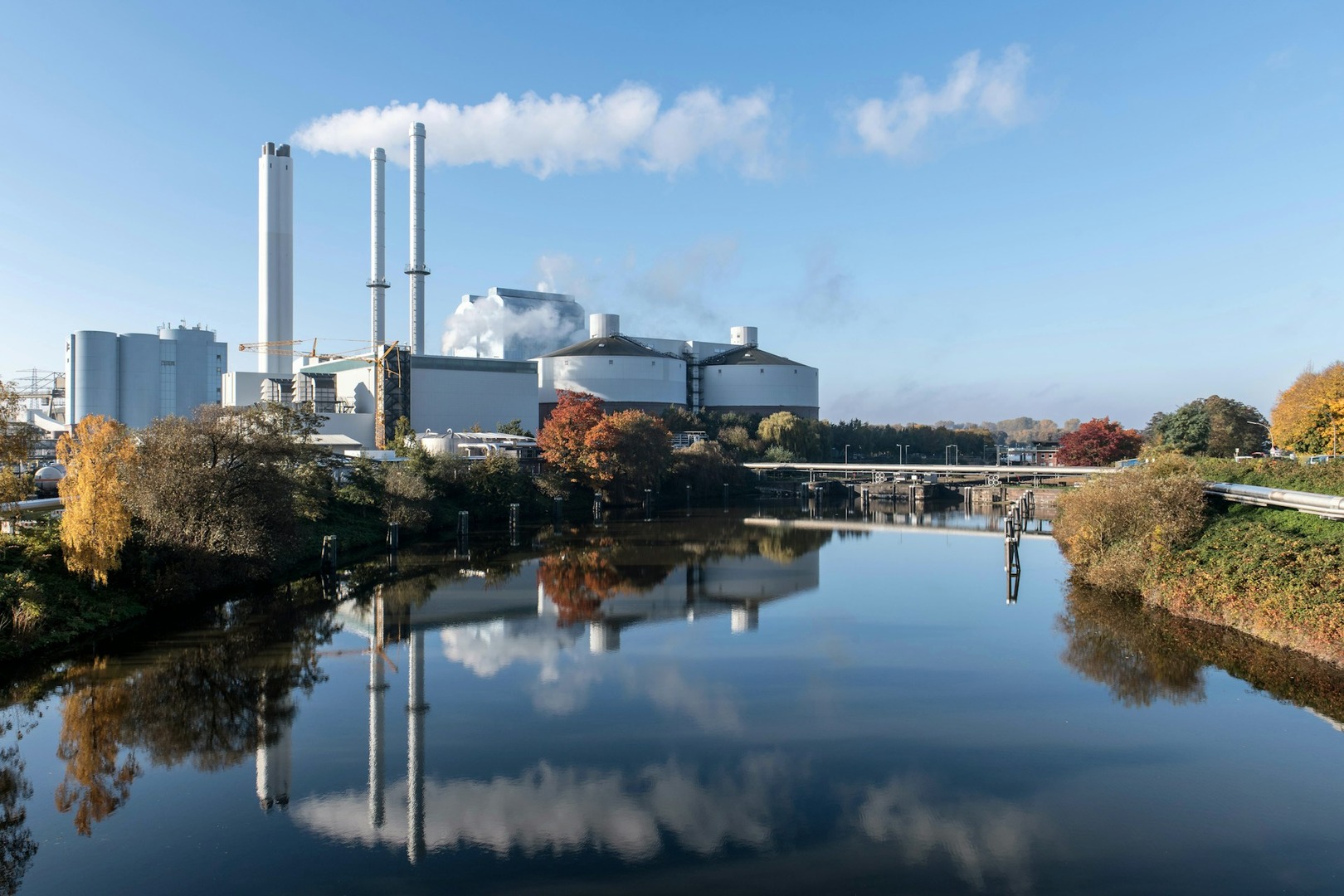
Editor’s Note: The opinions expressed here by the authors are their own, not those of impakter.com — In the Cover Photo: A factory in Hamburg, Germany. Cover Photo Credit: Wolfgang Weiser.