Today’s ESG Updates
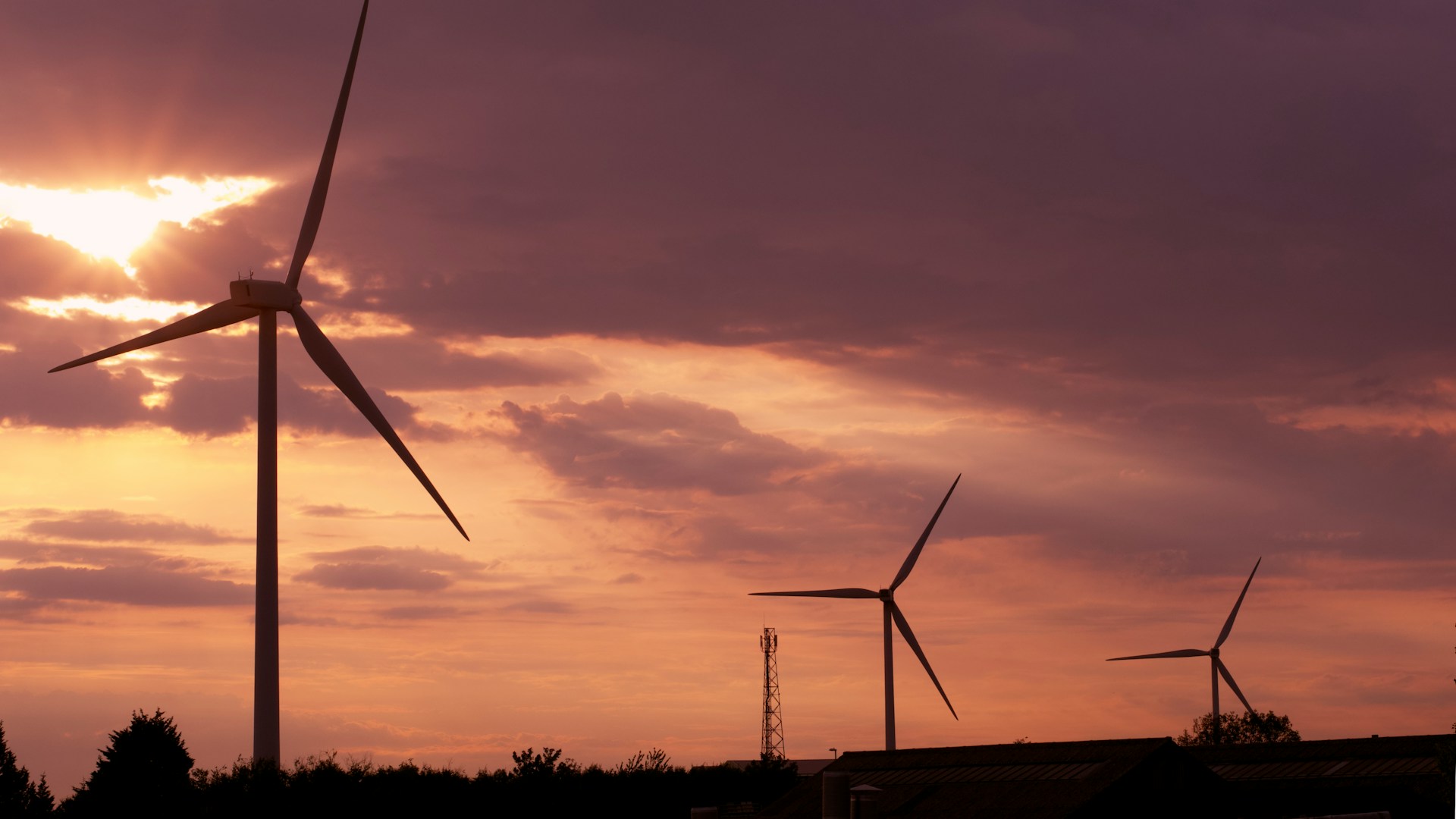
- US Redirects Offshore Wind Capital to Fossil Fuels: Projects off the east and west coasts have been wound down, with nearly $885 million investment redirected into domestic oil, gas and LNG.
- EU Expands Big Tech Rules to Cloud and AI: The Commission will assess whether AI services and cloud providers such as Amazon and Microsoft should fall under the Digital Markets Act.
- World Bank Launches $120m Climate Bond: The outcome bond will fund large-scale spekboom restoration in South Africa, with investor returns tied to verified carbon removal and land recovery targets.
- Fossil Fuel Phaseout Debate Sparks Warnings: Speaking at a new global conference in Colombia, Indigenous representatives urged governments to ensure the clean energy shift does not harm the environment.
US redirects $885m offshore wind funds into domestic oil and gas expansion
The Trump administration has agreed to terminate two offshore wind leases, redirecting nearly $885 million into domestic fossil fuel investments as part of a broader shift in U.S. energy policy.
The leases cover Bluepoint Wind, an Atlantic project off New York and New Jersey, and Golden State Wind, a Pacific project off California. Ocean Winds, a joint venture between ENGIE and EDP Renewables, manages both. Bluepoint Wind is partnered with Global Infrastructure Partners, part of BlackRock, while Golden State Wind is backed by Reventus Power.
Under the agreements, the Interior Department will reimburse on the condition that equivalent capital is redirected into conventional energy. Global Infrastructure Partners will redirect its $765 million lease bid into a U.S. liquefied natural gas facility, while Golden State Wind will reinvest about $120 million in oil, gas, or LNG infrastructure, largely along the Gulf Coast. Interior Secretary Doug Burgum said the deals support “affordable, reliable” energy, reflecting President Donald Trump’s view that offshore wind is costly and inefficient.
The agreements follow a similar $1 billion deal with TotalEnergies in March, underscoring a wider federal strategy to shift capital from offshore wind to fossil fuels despite growing divergence from global climate targets, widening the gap between U.S. federal priorities and global decarbonization targets.
***
Further reading: US to end more offshore wind leases in exchange for fossil fuel investments
Klimado – Navigating climate complexity just got easier. Klimado offers a user-friendly platform for tracking local and global environmental shifts, making it an essential tool for climate-aware individuals and organizations.
EU regulators target cloud and AI in next phase of Big Tech crackdown

In a report published on Tuesday, EU regulators said the bloc’s Digital Markets Act (DMA) will expand its focus to cloud computing and artificial intelligence services, as Brussels seeks to promote fairer competition in fast-growing digital markets.
The DMA, in force since May 2023, imposes obligations on “gatekeeper” platforms, including Alphabet, Amazon, Apple, Meta, and Microsoft, to prevent abuses of market dominance. The European Commission said the rules had improved conditions for businesses and users, including easier data transfers between rival services and greater interoperability for device makers.
The Commission will now assess whether certain AI services should be classified as virtual assistant core platform services and whether the law can better address anti-competitive practices in cloud services. It is also investigating whether Amazon and Microsoft should be designated gatekeepers for cloud computing.
The EU said it would not revise the DMA’s gatekeeper criteria or core obligations, with antitrust chief Teresa Ribera saying the law was designed to be “future-proof” and adaptable to emerging challenges.
***
Further reading: EU rules reining in Big Tech will now target cloud services and AI, regulators say
Related Articles
Here is a list of articles selected by our Editorial Board that have gained significant interest from the public:
World Bank announces $120m climate bond to fund spekboom restoration project in South Africa
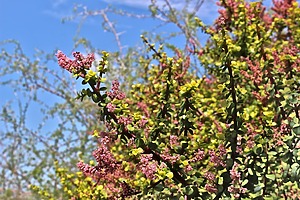
The World Bank has launched a $120 million outcome bond to fund large-scale restoration of the Albany thicket biome in South Africa’s Eastern Cape.
Led by Imperitive, the 50,000-hectare restoration project aims to revive degraded land while generating verified carbon removal units under the Verra standard. It centers on spekboom, a native succulent known for its carbon-absorption and ecosystem-recovery potential.
Beyond emissions reduction, the initiative is expected to create around 11,000 jobs, many through small and medium-sized businesses involved in planting, land management, and environmental monitoring.
Issued via the International Bank for Reconstruction and Development, the bond structure links part of investor returns to the success of the restoration. Alongside a fixed coupon, investors receive an additional performance-based payment determined by the volume of verified carbon credits generated.
***
Further reading: World Bank Launches $120m Climate Bond to Scale Spekboom Restoration in South Africa

Indigenous leaders warn energy transition must not create new extraction risks
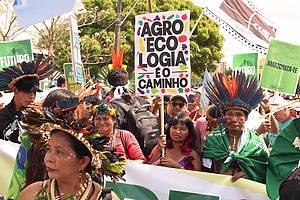
At a new international conference in Santa Marta, Colombia, Indigenous leaders warned that the shift away from fossil fuels must not be used as cover for new environmental harm on their territories, urging governments to avoid repeating extractive practices under a different guise.
The meeting is the first global conference focused on transitioning away from fossil fuels, bringing together more than 50 countries, subnational governments, and thousands of civil society representatives in what organizers describe as an effort to build a “coalition of the ambitious”. Operating outside the UN system, the format allows for broader participation and less influence from fossil fuel lobbying.
Indigenous participants highlighted long-standing damage from oil and gas development, but also raised concerns that renewable technologies could create new pressures through mining for critical minerals. Patricia Suárez of the National Organization of Indigenous Peoples of the Colombian Amazon said: “We can’t cut out one problem just to open the door to another.”
***
Further reading: Clean energy switch must not be excuse to plunder Indigenous lands, say leaders
Editor’s Note: The opinions expressed here by the authors are their own, not those of impakter.com — In the Cover Photo: Row of wind turbines silhouetted against sunset. Cover Photo Credit: Rui Chamberlain