The current outbreak of the Ebola Bundibugyo virus is rapidly expanding morbidity and mortality in Eastern Africa, with the World Health Organization (WHO) leading and coordinating the response to the outbreak, and just recently raising its threat level assessment to very high for East Africa, while maintaining a low global risk level — at least for now.
There is no vaccine for this new strain, and fortunately it is not considered airborne, which has a major impact on prospects for wider transmission.
What We Know About the Ebola virus
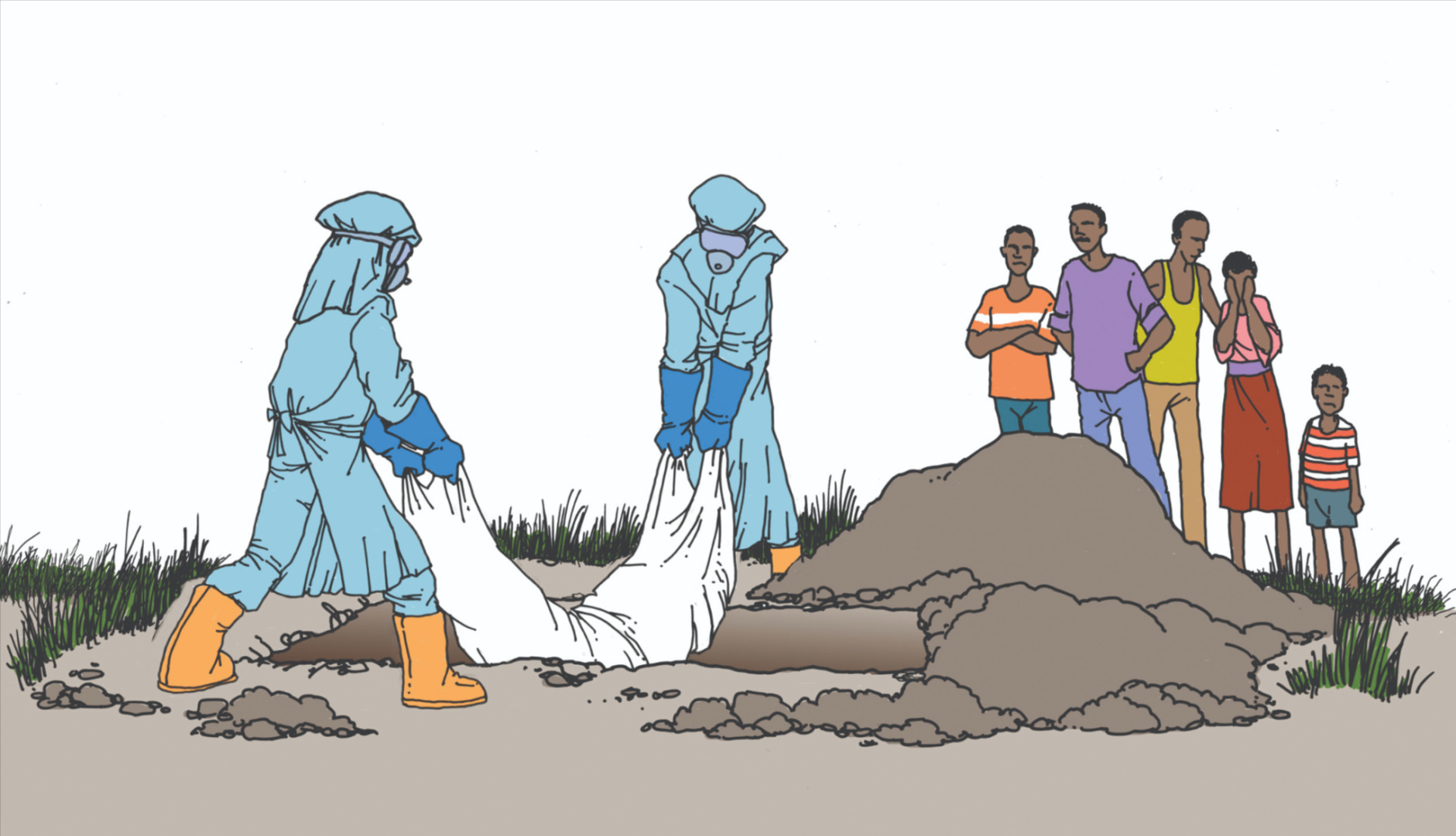
Commonly known means of Ebola transmission include direct contact with body fluids, commonly occurring when caring for a sick family member or patient, including blood, saliva, sweat, feces, vomit, urine, breast milk, and semen. The virus can also spread through contact with contaminated objects and surfaces, such as clothing, bedding, or medical equipment (like needles) exposed to infected bodily fluids, as well as through unsafe burial practices involving direct contact with the bodies of those who have died from Ebola.
But this is a zoonotic virus, and while scientists assume it originated in bats, animals are much more important than simply being the virus’s source. In tropical regions, Ebola outbreaks often originate when people come into contact with infected animals and bushmeat. Often missed is that domestic livestock are also potential pathways for zoonotic spillover.
Non-human primates harbor high-consequence pathogens like HIV and Ebola due to evolutionary closeness; livestock like pigs and cattle possess unique ecological and industrial characteristics that make them highly efficient “epidemiological bridges” to humans. Domestic mammals host roughly 50% of known “zoonotic viral richness” but represent only a handful of species, and several major factors explain why domestic livestock act as critical spillover pathways.
Many domestic livestock are raised on highly intensive, crowded agricultural operations, unlike wild monkeys, which live in scattered, low-density troops. Theoretically, if a virus jumps from a wild reservoir (like a bat or rodent) into a farm animal, the dense environment allows the virus to mutate and replicate rapidly.
In the 1998 Nipah virus outbreak in Malaysia, fruit bats dropped partially eaten, virus-contaminated fruit into pig sties. The pig populations are dense causing amplification of the virus. This can then allow easy spill over into farm and/or abattoir workers.
What We Know About the Current Ebola Outbreak and How to Respond
There is much to draw from international experience with past Ebola outbreaks, which are well described by Dr. Michael T. Osterholm, Director of the Center for Infectious Disease Research and Policy (CIDRAP) at the University of Minnesota, in his article, “This Ebola outbreak is a test the world doesn’t have to fail.“ The U.S. Centers for Disease Control and Prevention (CDC) has described the best scientific approach to deal with the Ebola B situation.
For the new Ebola B outbreak, one of the challenges is to find out where it began. Because of the long delay in reporting the first cases, many epidemiologists do not think it is possible to contain the outbreak via delayed detection available today. Experts from organizations like the WHO have said that the “rare Bundibugyo virus strain had likely been spreading undetected in the Democratic Republic of the Congo (DRC) weeks before being officially declared.”
Conceivably, standard epidemiological interventions will be at least effective at halting transmission once epidemiologists are and can be fully and safely deployed in this highly volatile region of East Africa.
The Role of the United States, Past and Present
In past Ebola outbreaks that have occurred in this century, the U.S. government had the policies and the financial and human resources needed to provide critical, timely and extensive funding and technical expertise. This importantly contributed to containing even worse extensive morbidity and mortality, whether locally or beyond.
Given that the current outbreak is in East Africa and the budget cuts at the National Institutes of Health (NIH) for vaccine research, private pharmaceuticals are not likely to invest heavily in vaccine research, knowing the Federal Government will not plan to spend billions if a vaccine is produced. Moreover, CDC’s Epidemic Intelligence Service has lost experienced talent, and fewer of its staff are now stationed in Sub-Saharan Africa, meaning there are not enough qualified CDC/EIS experts to do the kind of intensive and extensive work needed.
Another aspect of the diminished U.S. health response to an infectious disease outbreak is the dismantling of the U.S. Agency for International Development (USAID), which no longer exists as an independent agency with the same mission, staffing, funding, or resources. USAID was instrumental in responding to the HIV/AIDS pandemic in Africa, and past infectious disease epidemics and pandemics, such as previous Ebola outbreaks.
A critical account of this vital U.S. health assistance — and what has been lost — appears in the new book, “Into the Wood Chipper: A Whistleblower’s Account of How the Trump Administration Shredded USAID,” by Nicholas Enrich. The book describes the swift dismantling of USAID by DOGE and its damaging consequences for global health.
Responses From Other Countries, International Organizations, and NGOs
Countries Outside Africa and International Institutions
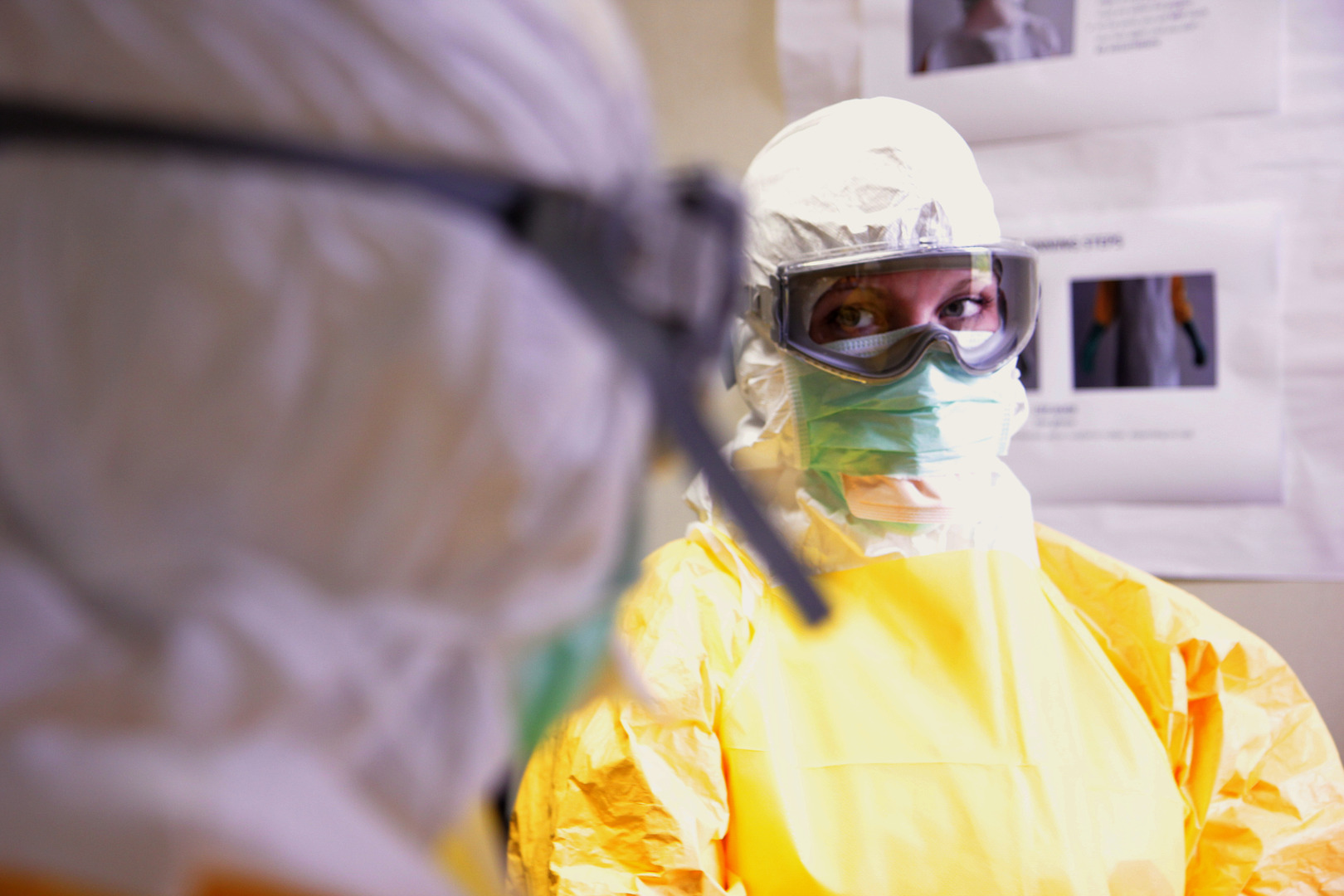
European nations and international institutions are responding to the latest Ebola outbreak by rapidly mobilizing emergency funds, airlifting medical supplies, and deploying specialized health experts to support frontline local responders.
The European Union (EU) has organized an airlift via the EU Humanitarian Air Bridge to transport nearly 100 tons of supplies, dedicating over €100 million for emergency humanitarian support to the Great Lakes region, and the European Centre for Disease Prevention and Control (ECDC) has activated the EU Health Task Force, deploying infectious disease and epidemiology experts to the Africa Centers for Disease Control and Prevention (Africa CDC).
The World Bank is drawing on existing health and emergency response projects — such as its $250 million health project in the Democratic Republic of the Congo — to rapidly disburse funds and mobilize expertise for immediate disease surveillance and action.
The United Nations itself released approximately $60 million from emergency funds to assist in containing the outbreak and protecting vulnerable communities.
Related Articles
Here is a list of articles selected by our Editorial Board that have gained significant interest from the public:
African countries, regional institutions, and international non-governmental organizations (INGOs)
Africans and global NGOs are responding to the Ebola outbreak. Efforts include deploying multidisciplinary medical teams, scaling up localized contact tracing, distributing protective equipment, and launching emergency regional funding appeals. For instance, the Africa CDC has activated a high-level Incident Action Plan and deployed multidisciplinary surge teams to border checkpoints in the DRC and Uganda.
The African Development Bank’s annual meeting, which began on May 25, 2026, in Nairobi, Kenya, brings together African leaders and financiers, who will consider what resources the bank can provide in response to the Ebola outbreak.
Africa CDC is coordinating a comprehensive continental response to the Bundibugyo Ebola virus outbreak in the Democratic Republic of the Congo and Uganda. The Africa CDC officially declared the outbreak a Public Health Emergency of Continental Security. It has appealed for $319 million to support response efforts in the two affected countries, and to build preparedness across 10 high-risk neighboring nations (including Kenya, Rwanda, and South Sudan).
The International Federation of Red Crescent Societies (IFRC) has launched a multi-country emergency appeal, deploying hundreds of volunteers for door-to-door public health outreach and contact tracking; UNICEF is scaling up protections for children to maintain disrupted essential community services; Doctors Without Borders (MSF) is dispatching essential logistical and medical personnel to high-risk zones; Concern Worldwide and the International Rescue Committee (IRC) are providing personal protective equipment (PPE), managing isolation units, and conducting infection prevention and awareness campaigns in local border communities.
What Next Happens With the Ebola Bundibugyo Virus Outbreak?
The situation is grim in East Africa now, but that could change if the outbreak spreads to other parts of Africa and/or if there is a major outbreak elsewhere. For the good of all of us, one can hope that there are enough collective concern, engagement, and human and financial resources to prevent this from happening.
** **
Dr. Bruce Kaplan DVM, co-founder of the One Health Initiative and Board Member at the American Veterinary One Health Society, contributed to this article.
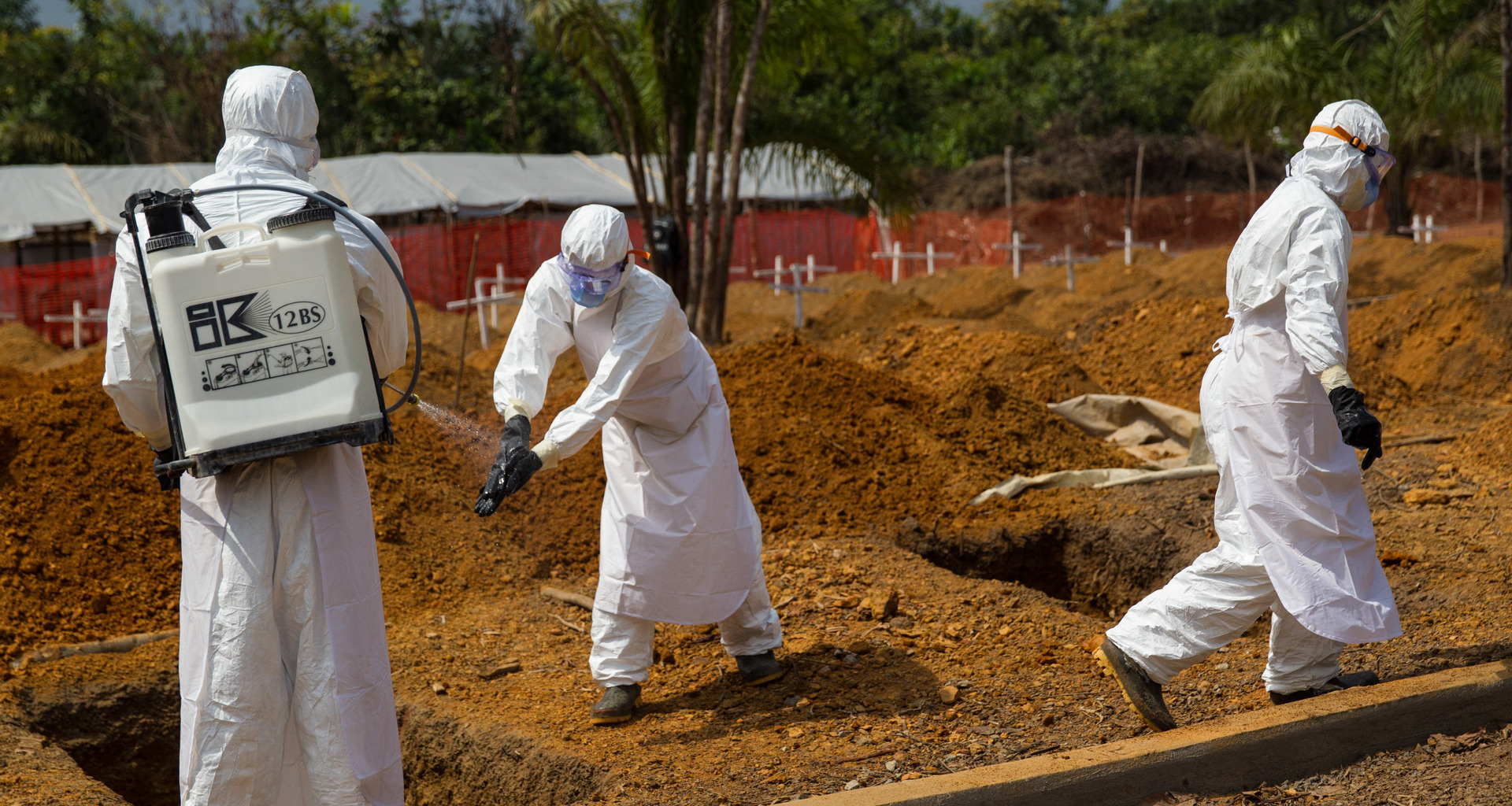
Editor’s Note: The opinions expressed here by the authors are their own, not those of impakter.com — In the Cover Photo: Members of a burial team disinfect each other after they carried the body of a suspected Ebola victim in a new cemetery, Jan. 26, 2015. Cover Photo Credit: UNMEER/Martine Perret.