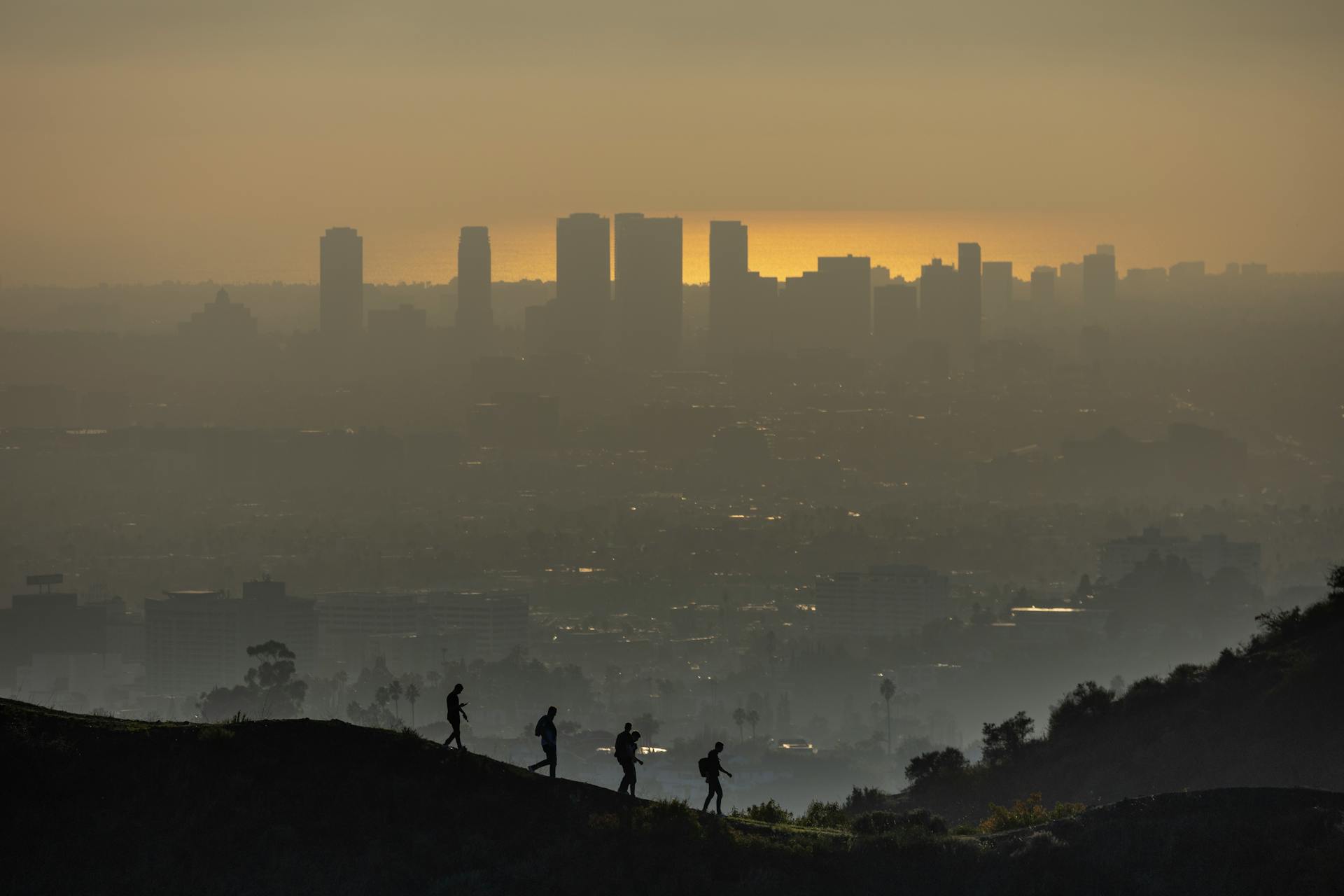
In America, 46% of those under 18 are living in counties that fail at least one air pollution standard, a new report by the American Lung Association finds.
Published on 21 April, the 27th “State of the Air” report is the organization’s annual assessment of U.S. air quality and public health risk. It focuses on two of the most harmful and widespread pollutants: ground-level ozone (also known as smog) and fine particle matter (soot). Using three years of quality-assured data from 2022 to 2024, the analysis grades air quality by location and ranks cities and counties across the United States
Despite decades of clean air regulation, the report shows that 152.3 million people — 44% of the U.S. population — still live in areas with unhealthy levels of ozone or particle pollution. Children are disproportionately impacted: around 33.5 million live in counties that fail at least one air quality standard, while more than 7 million live in areas that fail all three.
Taken together, the findings point to a country where progress on air quality is uneven and increasingly under pressure. Long-term gains have not fully taken hold, while climate-driven extremes and a shifting policy environment are beginning to test — and in some cases reverse — the foundations of past improvements.
“Clean air is not something we can take for granted. It takes work,” said Harold Zimmer, president and CEO of the American Lung Association. “Children need clean air to grow and play, and communities need clean air to thrive,” he continued, calling on leaders “at every level” to “act to improve and protect America’s air quality”.
Ozone rebounds as particle pollution eases slightly
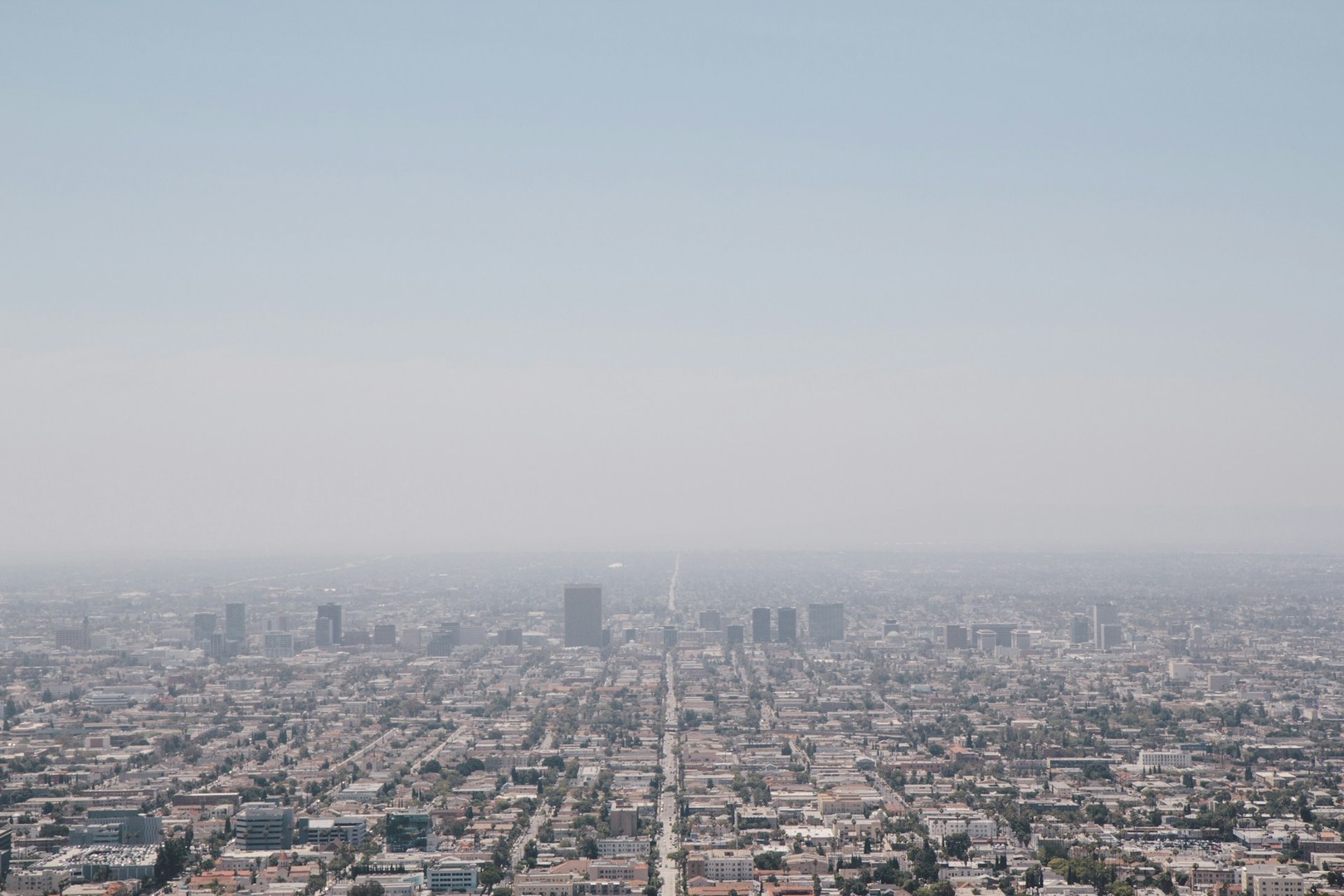
The report identifies ground-level ozone as the most widespread air pollutant affecting public health in the United States. Between 2022 and 2024, around 129.1 million people — 38% of the population — were exposed to ozone levels considered unsafe, the highest figure recorded in six years and an increase of 3.9 million on the previous year. After over 55 years of steady gains driven by Clean Air Act regulations, the 2025 and 2026 “State of the Air” reports point to a clear reversal, exposing just how fragile those earlier improvements remain in the face of shifting climate conditions.
In contrast, exposure to particle pollution shows some recent improvement. The report finds that 75.9 million people are exposed to year-round particle levels that fail to meet national standards — down by 9.1 million from last year. Even so, this remains the third-highest figure on record.
The health toll of dirty air and the unequal burden
Ozone and fine particle pollution are linked to a range of adverse health impacts. Ozone irritates the respiratory system, worsening asthma, reducing lung function, and increasing hospital admissions. Fine particulate matter can enter the bloodstream, where it is associated with cardiovascular disease, including heart attacks and strokes, as well as lung cancer and even premature mortality.
Children are particularly vulnerable to air pollution because their lungs are still developing, they breathe more air relative to their body size, and they are more frequently exposed to outdoor air. Exposure in early life is associated with reduced lung growth, the onset of asthma, and higher rates of respiratory illness. Evidence also links childhood exposure to longer-term effects, including impaired cognitive development.
Older adults and those with existing conditions such as asthma, cardiovascular disease, or lung cancer face similarly heightened risks.
Exposure to unhealthy air is far from equal. People of color are more than twice as likely as white populations to live in areas that fail all three pollution measures, with Hispanic communities facing more than triple the risk. These same communities are also more likely to have underlying health conditions that increase vulnerability to air pollution.
Wildfires and climate change are driving pollution
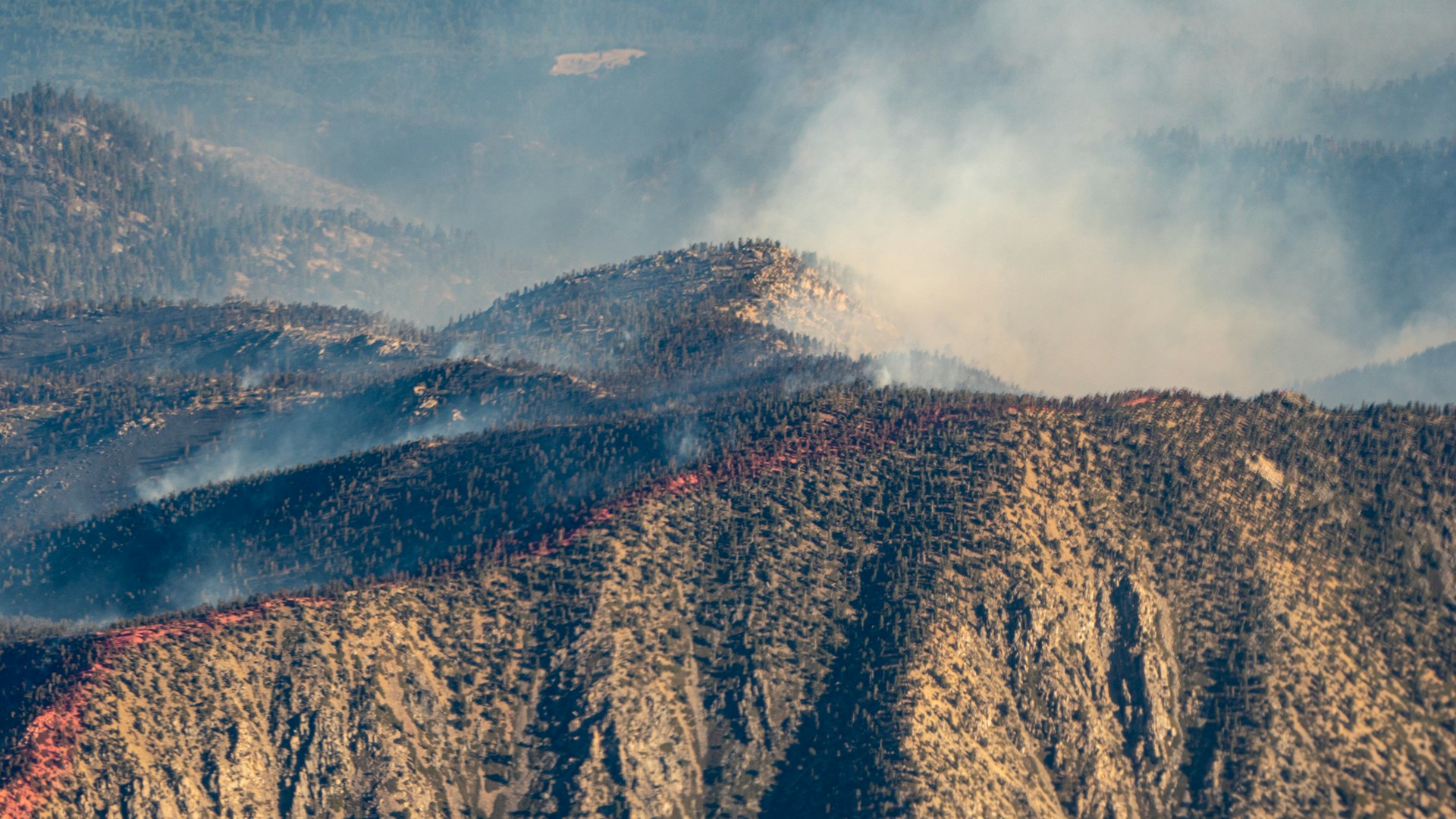
Extreme heat, drought, and wildfires are driving elevated pollution levels across large parts of the U.S., increasing exposure to harmful ozone. The worst-affected regions stretch from the Southwest, including California and Texas, into much of the Midwest. Canadian wildfires in 2023 played a significant role, sending ozone-forming pollutants (“precursor emissions”) across borders, while high temperatures and stagnant weather created ideal conditions for ozone to build.
Climate change is identified as another key driver, intensifying wildfire activity and creating hotter, slower-moving atmospheric conditions that allow pollution to accumulate.
The report also flags the rapid growth of data centers as an emerging concern, noting they already account for about 4.4% of U.S. electricity use — a share that could rise sharply by 2028 as demand for AI infrastructure expands.
Policy rollbacks threatening clean air gains
For more than five decades, the Clean Air Act has driven major reductions in pollution from transport, power generation, buildings, and industry. That trajectory is now under strain, with federal actions under the Trump Administration weakening, delaying, or rolling back a range of long-standing air quality protections. These include the repeal of limits on mercury and other toxic air pollutants from coal-fired power plants, and moves to scale back EPA responsibility for addressing climate change.
Further changes have weakened controls on ozone-forming emissions, increased permitted pollution from the oil and gas sector, removed clean vehicle standards and efficiency rules, and expanded exemptions from toxic air regulations.
At the same time, the EPA has stepped back from a long-standing practice of quantifying the health and economic benefits of pollution regulation, no longer assigning monetary value to lives saved or illnesses prevented in cost–benefit analyses.
Collectively, these developments mark a clear break from decades of policy direction, undermining efforts to reduce both ozone and particle pollution nationwide. As Wimmer puts it: “Now is the time to strengthen air pollution standards, but EPA is doing the opposite.”
Related Articles
Here is a list of articles selected by our Editorial Board that have gained significant interest from the public:
A Turning Point for U.S. Air Quality
The 2026 “State of the Air” report lands at a critical juncture. Decades of progress in cutting air pollution are real, but uneven — and increasingly precarious. Gains that once looked durable are being tested. At a moment when stronger protections are needed, policy is moving in the opposite direction, weakening the regulatory systems designed to safeguard public health and limit exposure to harmful air.
The report ends with a pointed message to regulators: “the EPA must not devalue the benefits of removing deadly pollution from the air children breathe.” Or, put simply, “Our kids’ health counts.”
Editor’s Note: The opinions expressed here by the authors are their own, not those of impakter.com — In the Cover Photo: Silhouetted hikers traverse a hill, overlooking the smoggy Los Angeles skyline at sunset. Cover Photo Credit: Stephen Leonardi