
Today’s ESG Updates
- Norway’s Fish Farming Pollution Surges: Aquaculture releases nutrient waste equivalent to sewage from tens of millions of people, putting vulnerable fjord ecosystems at risk.
- EU Expands Free Emissions Permits: New plans could save industries billions while easing carbon costs by including indirect emissions in allocation rules.
- Global Methane Emissions Remain High: Persistent leaks from energy operations and landfills highlight missed opportunities to recover gas and cut pollution.
- Chile Landfill Tops Methane Rankings: A major waste site near Santiago leads global emissions but also demonstrates the potential of methane capture for energy use.
Norway’s fish farming and its growing nutrient pollution problem
Norwegian fish farms fill coastal waters and fjords with nutrient pollution equivalent to the raw sewage of tens of millions of people each year. Norway produces the most farmed salmon in the world, and the nutrients found in fish feed are excreted directly into the water. In 2025, Norwegian aquaculture released about 75,000 tonnes of nitrogen, 13,000 tonnes of phosphorus, and 360,000 tonnes of organic carbon. These nutrients are equivalent to the untreated sewage from 17.2 million people for nitrogen, 20 million for phosphorus, and 30 million for organic carbon. Given the fact that Norway has a population of 5.5 million people, aquaculture pollution is three to five times larger than the population output.
Fjords are semi-enclosed and particularly vulnerable to nutrient accumulation, with oxygen levels already declining due to global heating. Fish sludge can fertilize phytoplankton, leading to destructive algal blooms that further deplete oxygen levels.
The Norwegian Seafood Federation states that current production is within nature’s carrying capacity, though significant increases could raise the risk of local eutrophication.
***
Further reading: Norwegian fish farms polluting fjords with waste likened to ‘raw sewage of millions of people’
Klimado – Navigating climate complexity just got easier. Klimado offers a user-friendly platform for tracking local and global environmental shifts, making it an essential tool for climate-aware individuals and organizations.
EU plans expanded free emissions permits to ease industry costs

The European Commission has drafted plans to give more free emissions permits to industries over the next few years. This move could save companies 4 billion euros ($4.68 billion) in CO2 costs between 2026 and 2030. The EU’s carbon market forces industries to buy CO2 emissions permits when they pollute to address emissions. The scheme has faced political pressure from member states worried about Europe’s economic competitiveness and industries seeking to ease compliance costs.
Brussels plans to include companies’ indirect emissions in calculations for free permits, replacing the current approach that counts only direct emissions. The Commission is expected to present the draft plans early this month and adopt a final version in June.
***
Further reading: EU to give industries more free CO2 permits, document shows
Related Articles
Here is a list of articles selected by our Editorial Board that have gained significant interest from the public:
Methane emissions stay near record highs despite available solutions
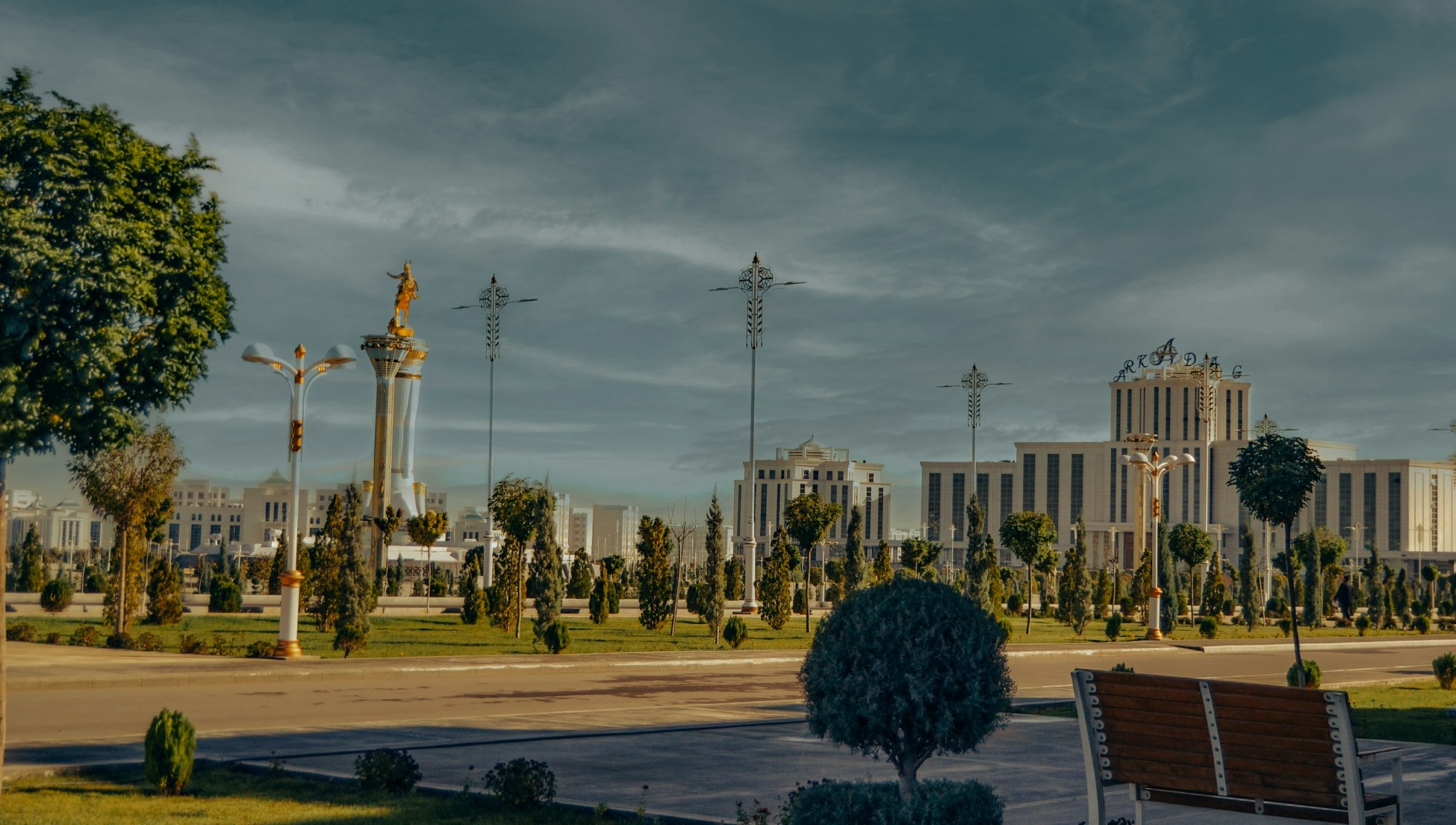
Methane emissions from the energy sector remained at near record levels in 2025, according to the International Energy Agency. Tackling the emissions could make 200 billion cubic meters (bcm) of natural gas available annually to international markets. Nearly 15 bcm of gas could be made available very quickly if countries with spare export capacity implemented accessible abatement measures.
The biggest leak detected in the US was in Texas in 2025, which released 5.5 tonnes of methane an hour. However, Turkmenistan facilities dominated the list of the top 25 methane mega-leaks in 2025. Super-polluting plumes were also detected at state-owned facilities in Venezuela and Iran.
Landfill sites from Turkey to Algeria and Malaysia to the US also released huge volumes of methane from rotting organic waste.
Despite Turkmen officials’ claims that leaks are being repaired within 2 to 3 days, data show that substantial leaks persisted.
***
Further reading: Fixing methane mega-leaks could boost energy stock amid crisis, report says

Chile landfill leads global methane emissions from human-made sites
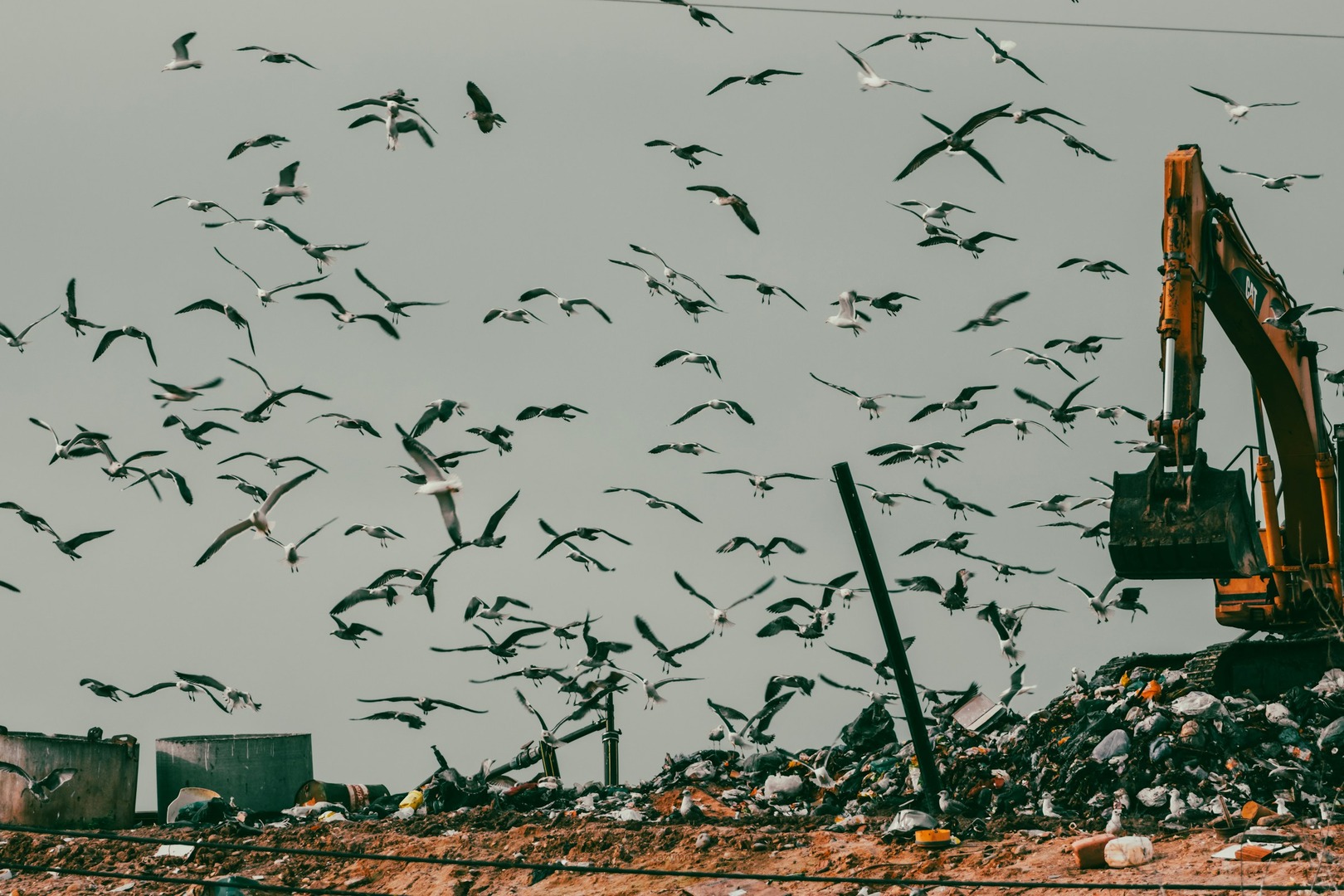
The Lomas Los Colorados landfill in Chile tops a list of 50 human-made sites with the world’s highest levels of methane emissions. Located 60 km north of Santiago, the pyramid-shaped landfill receives waste from an area populated by more than 7 million people. The site produces about 102,667 metric tons of methane each year, equivalent to the emissions from nearly 2 million cars driven annually. The landfill generates about 20,000 tons more methane per year than the second site on the list, an oil and gas facility in Turkmenistan. Methane emissions make up about a quarter of all climate-changing emissions globally.
From 2007 to 2025, the biogas capture project blocked the emission of more than 700 million cubic meters of methane and 11 million tons of carbon dioxide. A nearby power station has used captured methane from the site to produce up to 100,000 megawatt-hours of energy.
***
Further reading: Chile landfill tops global list of methane emitters in UN report
Editor’s Note: The opinions expressed here by the authors are their own, not those of impakter.com — In the Cover Photo: A Norwegian fjord. Cover Photo Credit: Ferdinand Stöhr