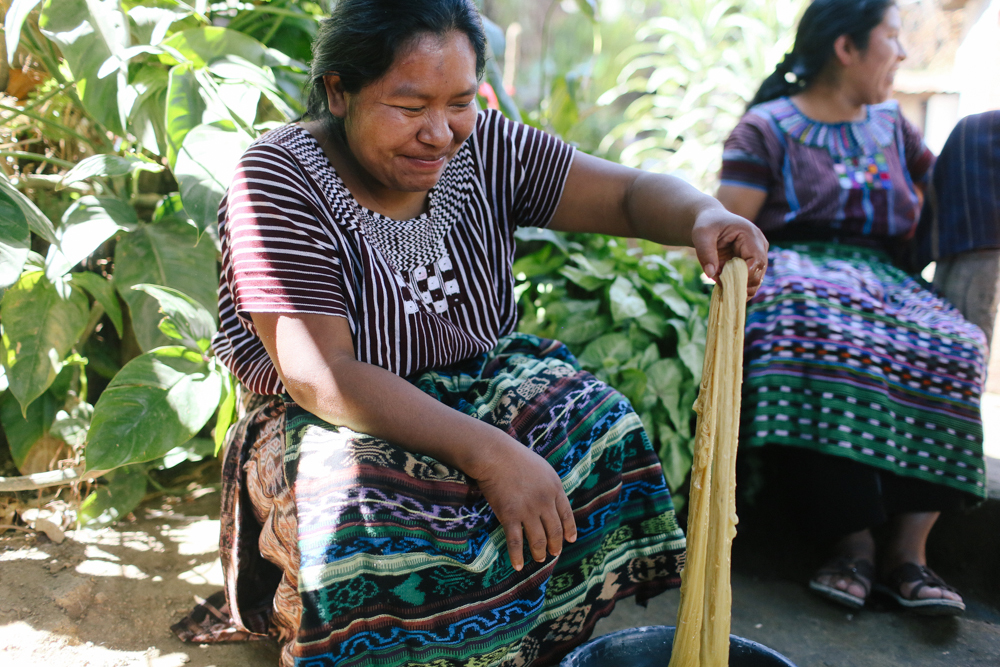
Social justice, sustainability, poverty and gender equality are all significant contemporary issues which the not-for-profit social enterprise Global Goods Partners (GGP) boldly addresses. Acting as an intermediary between women-led enterprises in marginalized communities of the Global South and the international marketplace — an intermediary that provides these enterprises with marketing and distribution channels needed to reach global markets — GGP impacts a wide array of other issues tied to their operations, too, essentially reaching a far greater scope of impact than an ordinary intermediary.
By bridging the gap between craft businesses from some of our weakest economies and the global market for fair trade, handmade products, GGP promotes not only economic development of local communities, but also health and well-being of families, poverty alleviation, empowerment of women and global sustainability.
Perhaps equally as importantly, GGP’s lasting success of over 12 years has set an example; they’ve shown how possible it is to truly grow and build a brand even when competing with established companies, retailers with superior budgets and fast fashion brands.
To learn more about Global Goods Partners, about their challenges, social commitments and sustainable practices, we spoke to Catherine Shimony and Joan Shifrin, the company’s co-founders and co-presidents.
 Photo Credit: Global Goods Partners
What is the Global Goods Partners’ story?
CS & JS: As a not-for-profit social enterprise, Global Goods Partners is committed to providing sustainable jobs for women — widely proven to be the key to community development and family well being. In partnership with women-led, community-based organizations, GGP taps into the rich well of skill and artistry that is passed from one generation of women to the next. We invest all proceeds from product sales in developing sustainable market access as well as providing training and funding to enable our partners to prosper and thrive well into the future.
Since GGP first launched in 2005, we have partnered with over 60 artisan groups in more than 20 countries throughout Asia, Africa and the Americas, helping to design and bring to market the fair trade, handcrafted products they produce. Each artisan that creates products for GGP earns reliable, fair living wages and gains experience that can add benefit to all aspects of her life.
How did you encounter and manage such a variety of artisans from so many countries?
CS & JS: From the beginning, we established criteria for our partnership network, which include women-led initiatives that benefit women and families; a governance structure; a defined social mission; transparent business practices and accountability, and adherence to the principles of fair trade. From there, we partnered with community based organizations, cooperatives and social enterprises eager to grow their market with handcrafted products ready for the US customer. Many of these entities reached out to us directly, some were introduced to us by colleagues working overseas and others we encountered from our frequent travels, including invitations to attend country-wide craft expositions. GGP’s Designer and director, along with GGP’s production manager, work very closely with our artisan partners and travel to provide in-country training and design direction. Given today’s technology, we have a variety of tools to communicate directly with our partners, many of whom are in remote rural areas.
What is the biggest challenge you are faced with?
CS & JS: The biggest challenge we face running a mission-driven social enterprise is growing our market share. Because GGP’s success is tied intrinsically to our partners’ success and, by extension the advancement of our mission, we have to go head to head with established retailers and investor-funded brands that benefit from larger staffs and operating budgets.
With 12 years of experience under our belt, we have learned several fundamental lessons that have enabled us to remain relevant from a product point of view while helping to strengthen our partners’ long term operating capacity.
It is important to point out that as a not-for-profit organization, all proceeds from the sale of GGP products are invested in building sustainable artisan enterprises in the communities where we work. Our focus at all times has to be on both sides of the market equation: building our brand (demand) and providing training to our partners (supply). At the outset of establishing a partnership with a new artisan community, we ask the group to identify areas where they might benefit from our management, production and design expertise. We regularly provide technical assistance, business and financial management tools, and operations and logistics support. We also offer small financial grants for capacity building and/or community health and social services.
Arguably, the most critical value-added benefit we offer is design expertise, which straddles both sides of the market equation. As a brand, we and our partners can only prosper when the GGP collection appeals to consumers in developed markets. Our in-house designer collaborates, hand-in-hand, with our partners, developing products that integrate traditional skill sets and local resources into contemporary, fashion-forward, functional designs.
In the highly competitive marketplace for artisan, handmade products, even the most well-designed products with compelling stories need a dynamic, multi-platform, awareness building and sales strategy. As a brand with a 12-year history, GGP has followed a disciplined, gradual approach to building its brand and market share. It is a path that has proven successful for us and one we expect to follow into the future.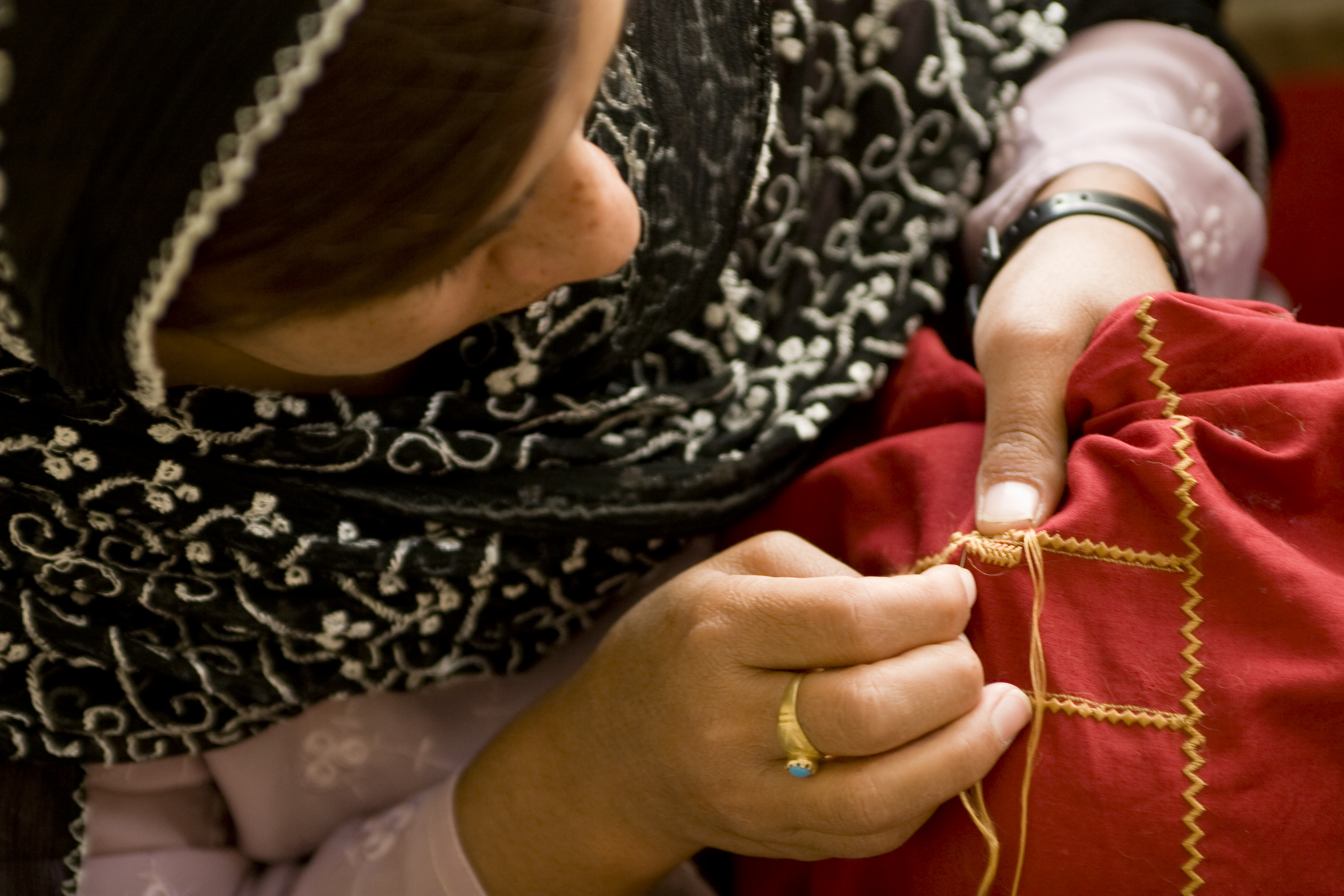
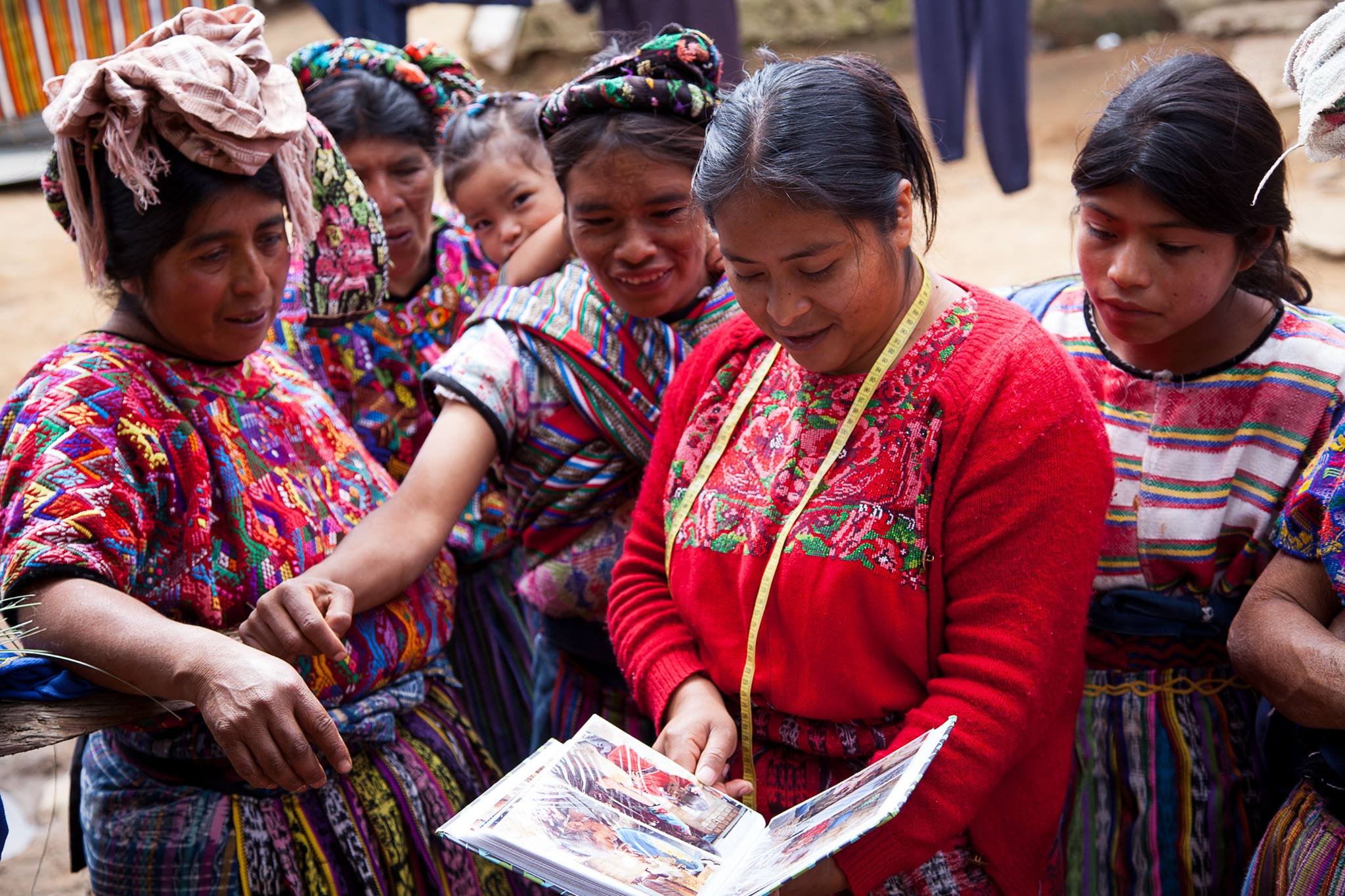
Photo Credit: Paula Lerner/Aurora Photos
Could you please tell us more about your social commitment?
CS & JS: The central tenets of GGP’s mission are poverty alleviation and social justice. We believe that in order to break the cycle of poverty, women have to have equal access to the economy. We have witnessed first hand that women’s economic inclusion leads to healthier families and stronger communities with women taking leadership positions in addressing social change and community advancement.
Related Articles
 AGURK, BREAKING FAST FASHION: AN INTERVIEW WITH CAMILLA KUUS
 40 COLORI: BRINGING YOU SUSTAINABLE FASHION FROM COMO, ITALY
 I USED TO BE A PLASTIC BAG: REFORM-ING DESIGN
GGP supports community development initiatives by providing small grants to our partners for priority programs they have identified. In recent years, GGP’s grants have supported public health programming with funds directed to programs from maternal birthing kits to reproductive health training and educational efforts that include scholarships for girls and literacy training for widows. In addition to ensuring a fair living wage for all artisans in our network, GGP offers products where a percentage of a community development grant is part of the retail price. For instance, our Bracelets for Change program includes support for Guatemalan families for girls education, healthcare and home improvements such as solar kits, community gardens, water filters and smokeless stoves.
How will you improve your global sustainable impact?
CS & JS: From the start, we have focused on working with partners that fabricate products using local renewable, recycled and repurposed resources. The baskets we offer, whether from Swaziland, Rwanda or Bangladesh, are made from dried local grasses or other plants. The alpaca wool used for our adorable line of hand knit toys from Peru is locally sourced, as are the woolen hats and gloves from Bolivia.
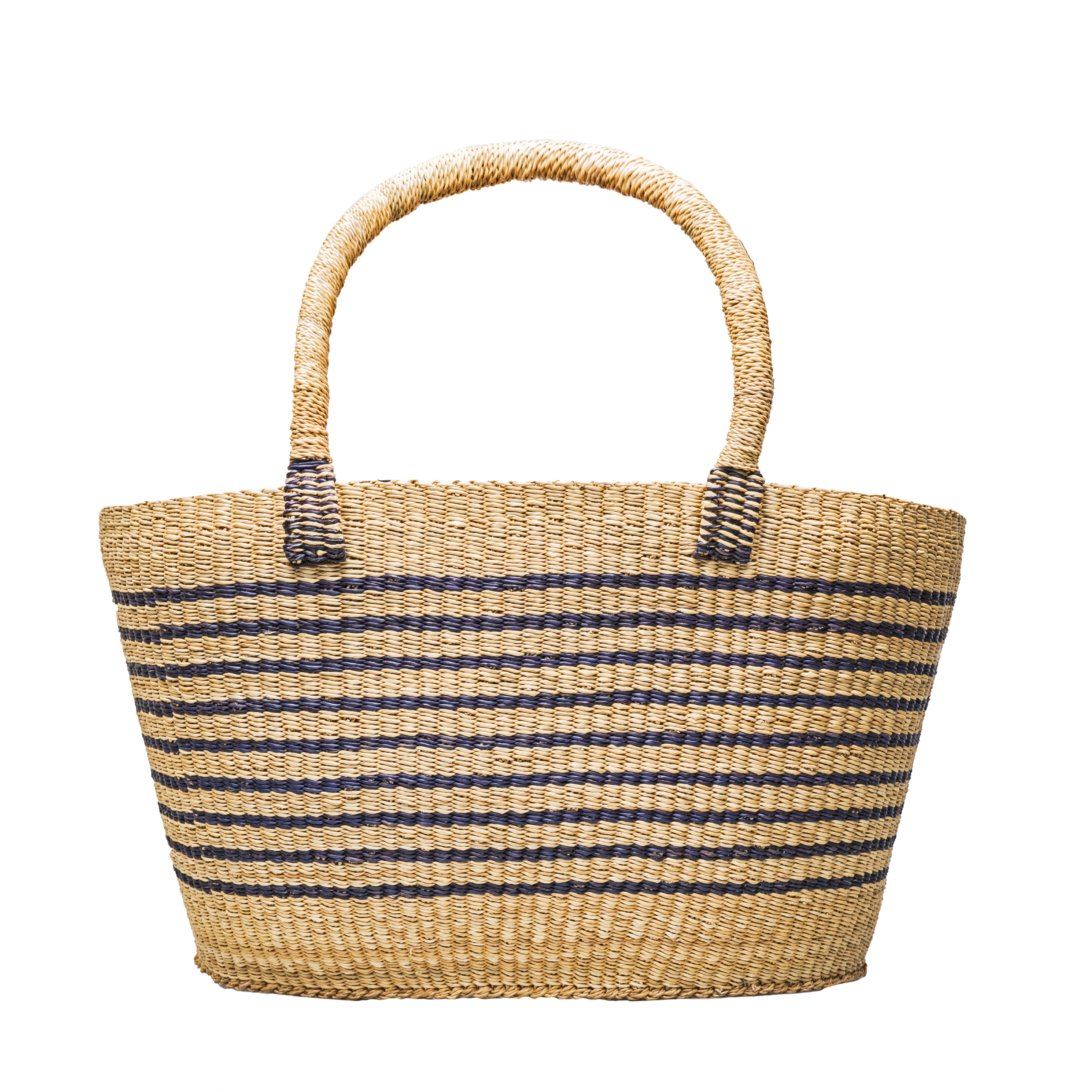
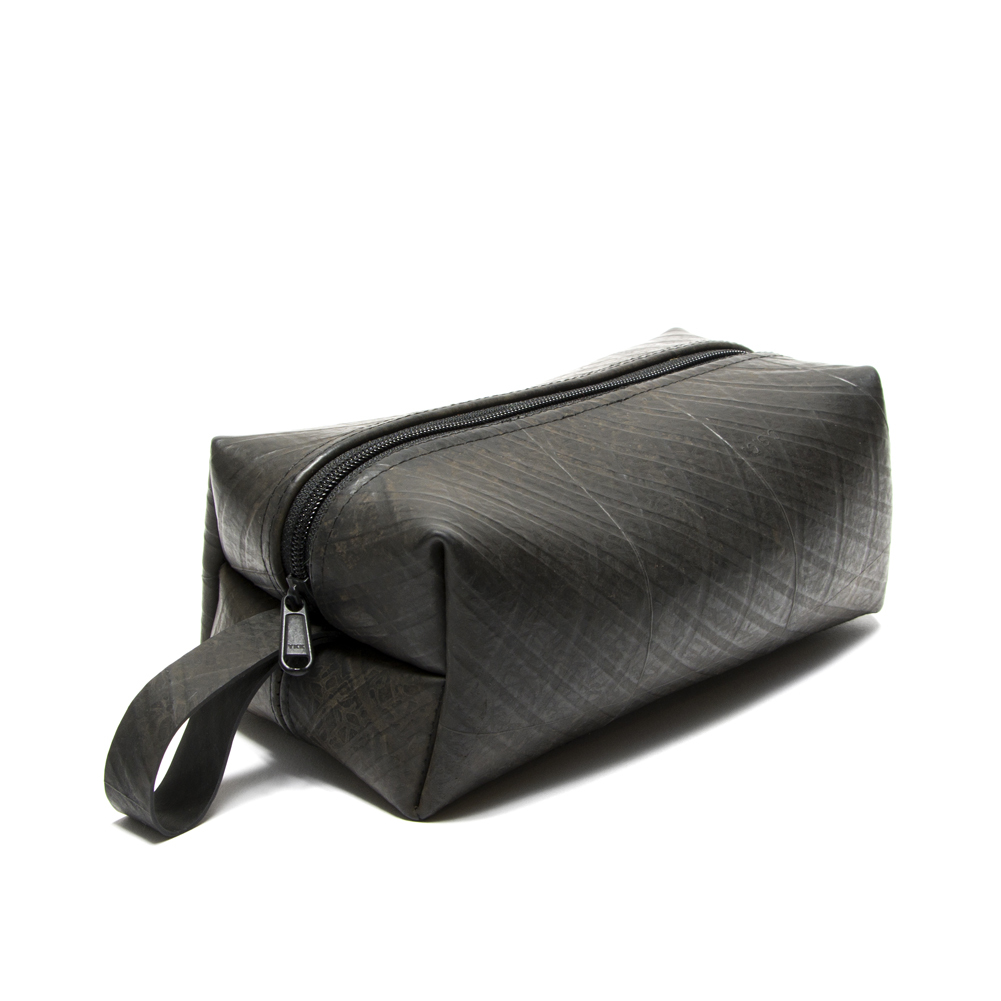

In the Photo: Stripe Bolga Tote Handmade in Ghana, Men’s recycled Tire Travel Kit, Knit Alpaca Stuffed Panda Photo Credit: Global Goods Partners
In Cambodia and elsewhere, fields of abandoned tires present a serious environmental and health hazard. We began offering recycled tire products a few years ago and have, due to their popularity, recently worked with guest designer Santos Augustin, who developed a new, expanded line of men’s products.
Sustainability is built into our brand and is integral to the success of our work.
A significant benefit of growth has been our ability to ship more and more products by vessel as opposed to relying on air shipments. It is not only a cost saving, but a reduction of our carbon footprint as well.
Almost all of our partners work in resource poor communities where the “luxury” of waste does not exist and where their interest in environmental stewardship is heightened as a result. Sustainability is built into our brand and is integral to the success of our work.