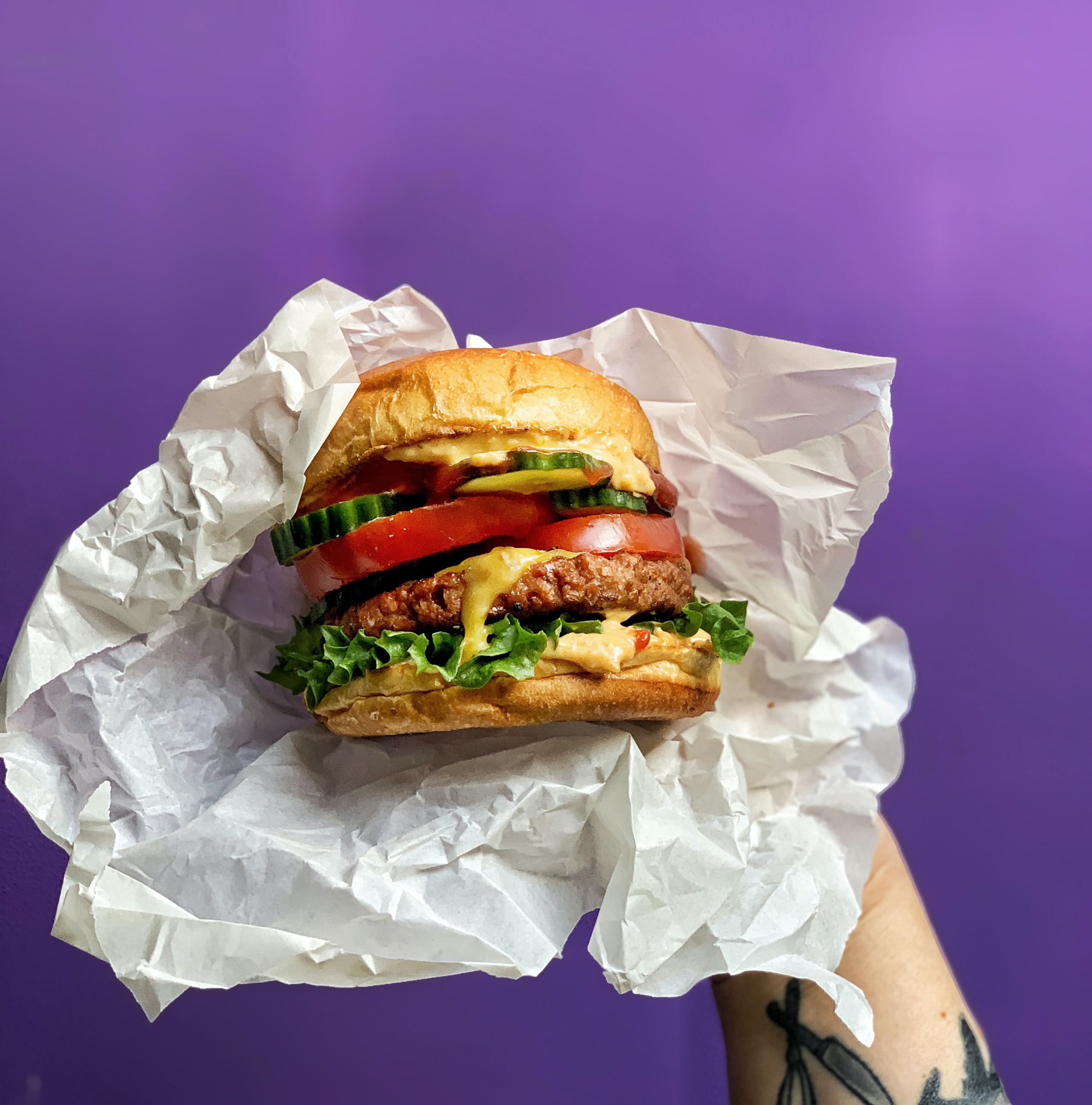
As people are becoming more aware of the environmental impact caused by the meat industry and as they grow more health-concerned in these uncertain times, some are turning to plant-based meat options as a solution.
Because many celebrities have began endorsing and promoting veganism and alternatives for non-vegetarians, vegan meat has become quite popular.
Additionally, vegetarianism has become more popular because of initiatives like “Veganuary,” consuming vegan meat was the easiest way for non-vegetarians to gradually shift their diets.
What exactly is plant-based meat?
Plant-based meat is made entirely of plants. Rather than depending on an animal to transform vegetables into meat, we can produce meat more effectively by excluding the animal and directly converting plant ingredients into a product that tastes like meat.
Plant-based meat, just like animal-based meat, is made up of protein, fat, vitamins, minerals, and water. It is also said that the next generation of vegan meat looks and tastes just like natural meat.

Is it really better than the traditional meats?
A new study carried out by psychologists at the University of Bath and published on July 29, 2022, confirms that plant-based meat and dairy substitutes ‘provide a healthier and more environmentally sustainable option that takes consumer preferences and behavior into consideration.’
It also discovered that these plant-based products produced fewer greenhouse gas emissions than the animal products they replaced because plant-based burgers release up to 98% fewer greenhouse gas emissions than beef burgers.
Many people believe that eating more plant-based foods would enhance their health as well as the environment. Plant-based meat might be a long-term solution to worldwide environmental challenges. However, some may question whether it contains the same nutrients as meat.
So, what ingredients are used in plant-based meats?
Most plant-based meats are manufactured from soy and/or wheat gluten, which are both high in protein and may be utilized to create a meat-like texture without adding much flavor. As a result, if you have celiac disease or are gluten sensitive, it is critical that you check the label on a plant-based meat product for potential allergies.
Other popular ingredients in plant-based meats, in addition to soy and gluten, include peas and pea protein, lentils, and beans; potato starch, eggs, nuts and seeds, mushrooms, and vegetables.
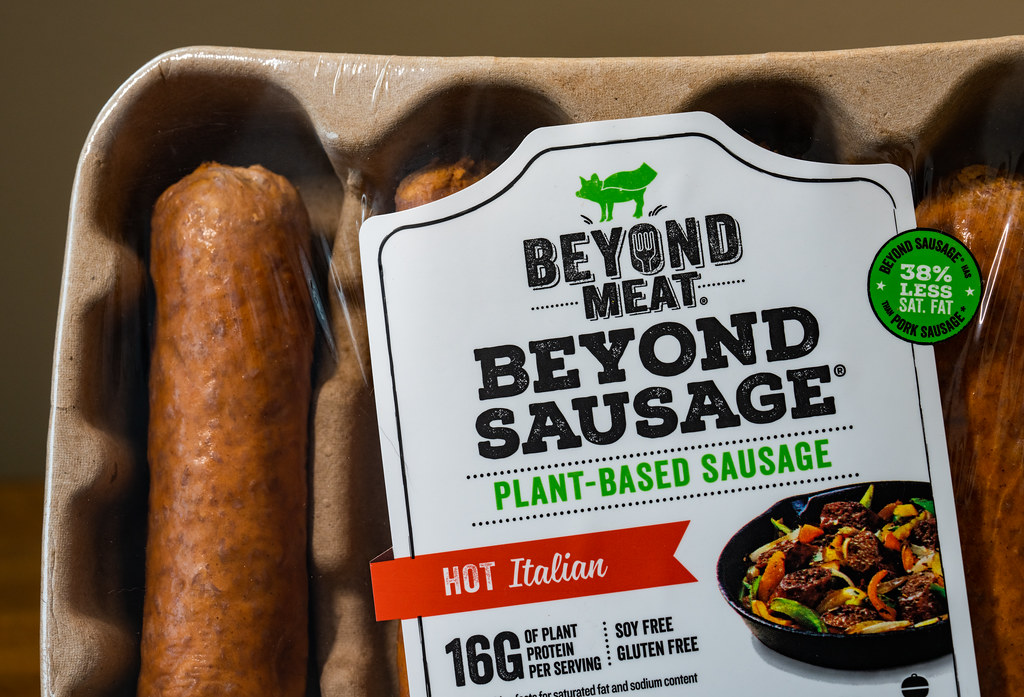
Health benefits of plant-based or vegan meats are wide-ranging
There is a wide range of nutrients and components in plant-based meats these days. However, the following are some of the health benefits of avoiding animal products in favor of plant foods:
- lowering the risk of cardiovascular disease
- lowering the cancer risk
- Improving the health and digestion of the gut microbiota
- Increasing bowel regularity
- Better weight control and promoting weight reduction
- Improving blood sugar regulation
Some Disadvantages of Plant-Based Meats
There are however some drawbacks:
- Plant-based meat may include less total protein than animal meat, but it generally contains more carbs;
- Vegan meats lack vitamin B12, a key essential for energy production. (Only a few contains vitamin B12 );
- Iron and zinc levels are often lower as well, however some higher-quality plant-based meats are supplemented with these critical minerals;
- Some plant-based meats are high in sodium, which is usually the main argument used by individuals who believe plant-based meats are unhealthy.
A 2019 Australian research, for example, found that just 4% of plant-based meats were low in salt (58-1200 mg/100 g).
But are they really healthy?
There is no simple answer because there are so many various types of plant-based meats and formulas used to manufacture them. Some include few ingredients and are barely processed. They are made with organic soy and other veggies and are high in protein and fiber. Vegan meats derived from pea protein and other legumes are high in protein, fiber, complex carbs, and antioxidants.
Plant-based meats that are high in salt or contain sticky and sweet sauces and seasonings, on the other hand, can contain dangerous levels of sodium, sugar, and processed fats and oils, quite like their processed animal counterparts.
A few tips for choosing healthy plant-based meats
Reading the ingredients list and nutrition statistics can help you make more informed decisions about plant-based meats.
The recommended daily limit for salt is 2,300 mg, search for plant-based meats that have no more than 20% of the DV – Daily Value Per Serving.
Also, search for low saturated fat and a short ingredient list that includes actual food ingredients such as organic soy, peas, essential wheat gluten (if you don’t have celiac), seeds, and veggies. If possible, fiber, protein, and vitamin B12 levels should be high.
Unless you currently take a supplement, aim for at least 3-5 grams of fiber per serving, 9 or more grams of protein, and 20% DV of vitamin B12 – as these are the standard recommended by nutritionists.
And lastly by avoiding the ones that have added sweets, hydrogenated oils, and artificial substances then you’re good to go.
Editor’s Note: The opinions expressed here by Impakter.com columnists are their own, not those of Impakter.com — In the Featured Photo: Soy Burger. Photo credit: LikeMeat.