Impakter
  • Environment
    • Biodiversity
    • Climate Change
    • Circular Economy
    • Energy
  • FINANCE
    • ESG News
    • Sustainable Finance
    • Business
  • TECH
    • Start-up
    • AI & Machine Learning
    • Green Tech
  • Industry News
    • Entertainment
    • Food and Agriculture
    • Health
    • Politics & Foreign Affairs
    • Philanthropy
    • Science
    • Sport
  • Editorial Series
    • SDGs Series
    • Shape Your Future
    • Sustainable Cities
      • Copenhagen
      • San Francisco
      • Seattle
      • Sydney
  • About us
    • Company
    • Team
    • Global Leaders
    • Partners
    • Write for Impakter
    • Contact Us
    • Privacy Policy
No Result
View All Result
Impakter logo
No Result
View All Result
One of Earth’s Driest Places Sees 75% of Annual Rainfall in Just 3 Hours

One of Earth’s Driest Places Sees 75% of Annual Rainfall in Just 3 Hours

In what meteorologists describe as a once in every 1,000 years event, the Death Valley in the American West experienced more rain in one day this month than it has ever recorded for the entire month of August

Andrej Pavicevic - Managing EditorbyAndrej Pavicevic - Managing Editor
August 12, 2022
in Climate Change, Society
0

The Death Valley National Park near the border between California and Nevada experienced unprecedented rainfall this month and two major floods last week. The area, typically dry and known as the driest place in the United States, remains the record-holder for the highest temperature ever observed on Earth (49°C in 1913).

“Climate change in action”

The first flood, on August 1, also hit the neighboring state of Arizona, forcing local authorities to close roads that were overwhelmed with mud and debris as well as to evacuate parts of the Joshua Tree National Park nearby. 

The second, significantly worse, took place on August 5 and was preceded by “nearly an entire year’s worth of rain in one morning,” according to the NASA Earth observatory. In just three hours, the area saw 75% of the rainfall it normally gets in an entire year.

While this fell just one inch short of breaking the daily rainfall record in the park, the amount of rain that fell that single day, NASA’s observatory points out, broke the record for the most rainfall ever recorded in the park for the entire month of August. 

Since we began keeping track in 1911, only one day saw more rainfall in the Death Valley than August 5. That record, however, was set in the month of April (in 1988) and was now almost broken in August, the month of the year that normally sees the least rainfall.

Historic rainfall in Death Valley today. Since records started in 1911, this is the second wettest day on record. The wettest day was only slightly higher with 1.47" falling in April 1988. #DeathValley #DeathValleyFlooding pic.twitter.com/MBcC558zk7

— Sam Argier (@SamArgier) August 6, 2022

According to Las Vegas National Weather Service meteorologist Daniel Berc, the flood on Friday was a historic event that would happen once in every 1,000 years. 

Climate journalist Colin McCarthy writes that this is the fourth such, once-in-1,000-year rainfall event across the US in less than two weeks.

Death Valley, the hottest and driest place in the US just saw the 4th 1-in-1,000 year rain event in less than 2 weeks in the US.

3/4 of Death Valley’s annual rainfall fell in 3 hours. pic.twitter.com/0DK6HNNZTq

— Colin McCarthy (@US_Stormwatch) August 9, 2022

August 5 flooding

As the rain poured over the park at unprecedented levels for this time of the year, the flooding swamped the roads with debris, damaging buildings, vehicles and facilities.

“Flood waters pushed dumpster containers into parked cars, which caused cars to collide into one another,” park authorities wrote in a statement, adding that many facilities were flooded, including hotel rooms and business offices.


Related Articles: Deadly Floods in India and Bangladesh Affect Millions | Yellowstone Damaged by Historic Flood

The flood also damaged and shut down a key water system, burying about 60 cars in debris and leaving around 500 visitors and another 500 park employees stranded; so far, no injuries have been reported.

Photographer John Sirlin, a regular park visitor who lives in Arizona and who has been following storms in the US since the 1990s, documented some of the flooding in the Death Valley on Friday morning: 

Highway 190 and Badwater Rd junction. Whole palm trees from the hotel were washing over the road. pic.twitter.com/44I5nf9dGy

— John Sirlin (@SirlinJohn) August 5, 2022

Sirlin describes the flooding as more extreme than anything he’s seen there, stressing that it took him almost six hours to cross 56 kilometers to get out of the park. 

“I’ve never seen it to the point where entire trees and boulders were washing down. The noise from some of the rocks coming down the mountain was just incredible,” the photographer said on Friday. 

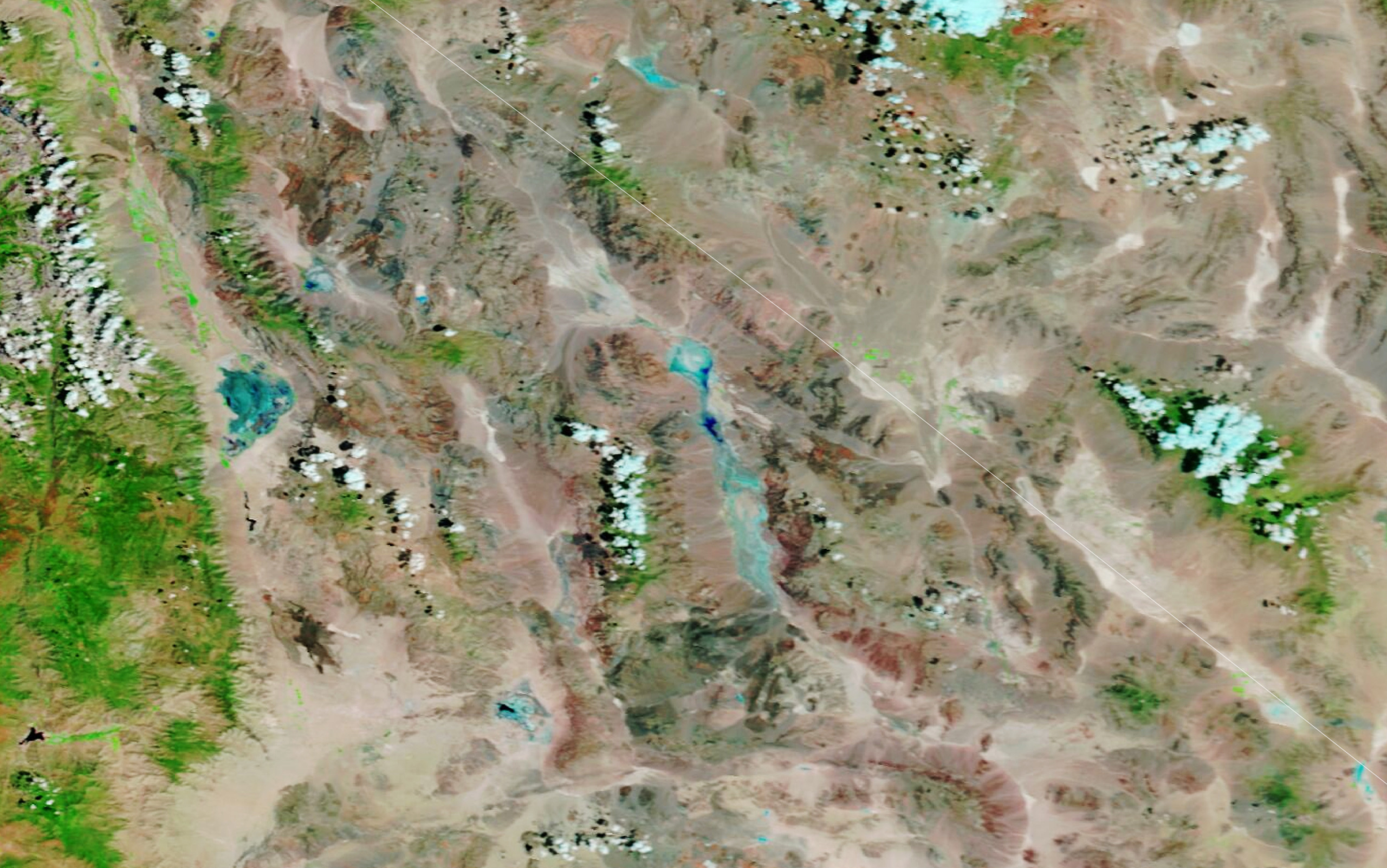
NASA also documented the flooding, capturing the floodwater as it colored in blue areas that are otherwise brown:
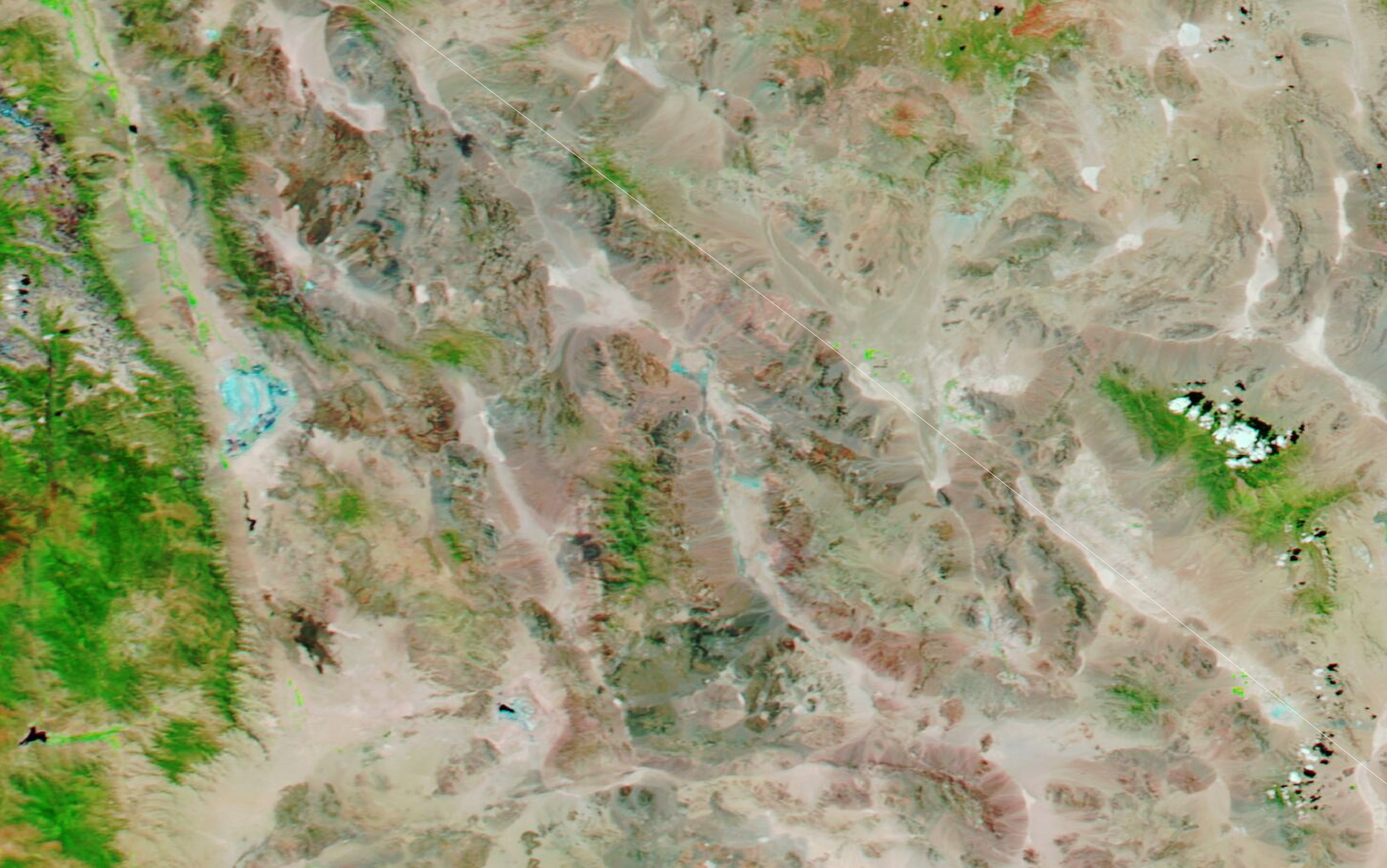
Death Valley on July 11, 2022. gust 7, 2022. Photo by: NASA Earth Observatory.
Death Valley on August 7, 2022. Photo by: NASA Earth Observatory.

As the Death Valley National Park superintendent Mike Reynolds highlighted, “[t]his week’s 1,000-year flood is another example of this extreme environment. With climate change models predicting more frequent and more intense storms, this is a place where you can see climate change in action.”

Indeed, the American West, which until recently has largely been spared from the most devastating consequences of climate change, is increasingly becoming a climate crisis hotspot. The Colorado River Basin, for instance, is losing water at record speeds and is now threatened with extinction.

While the floodwater in the Death Valley has retreated since Friday, extreme weather events like droughts and floods are on course to get worse, globally and across America. The more time passes and the more extreme the crisis becomes, the more scientific evidence there is proving that human activities on Earth are both causing and exacerbating the crisis, making extreme weather events more intense, more likely, and more frequent. 

As with most crises we have created so far, we know what is causing them as well as what we need to do to end them. In the case of this particular crisis, the only way to truly reverse the trend is to stop heating the planet as much as we — which, fortunately for us all, is not yet impossible. 


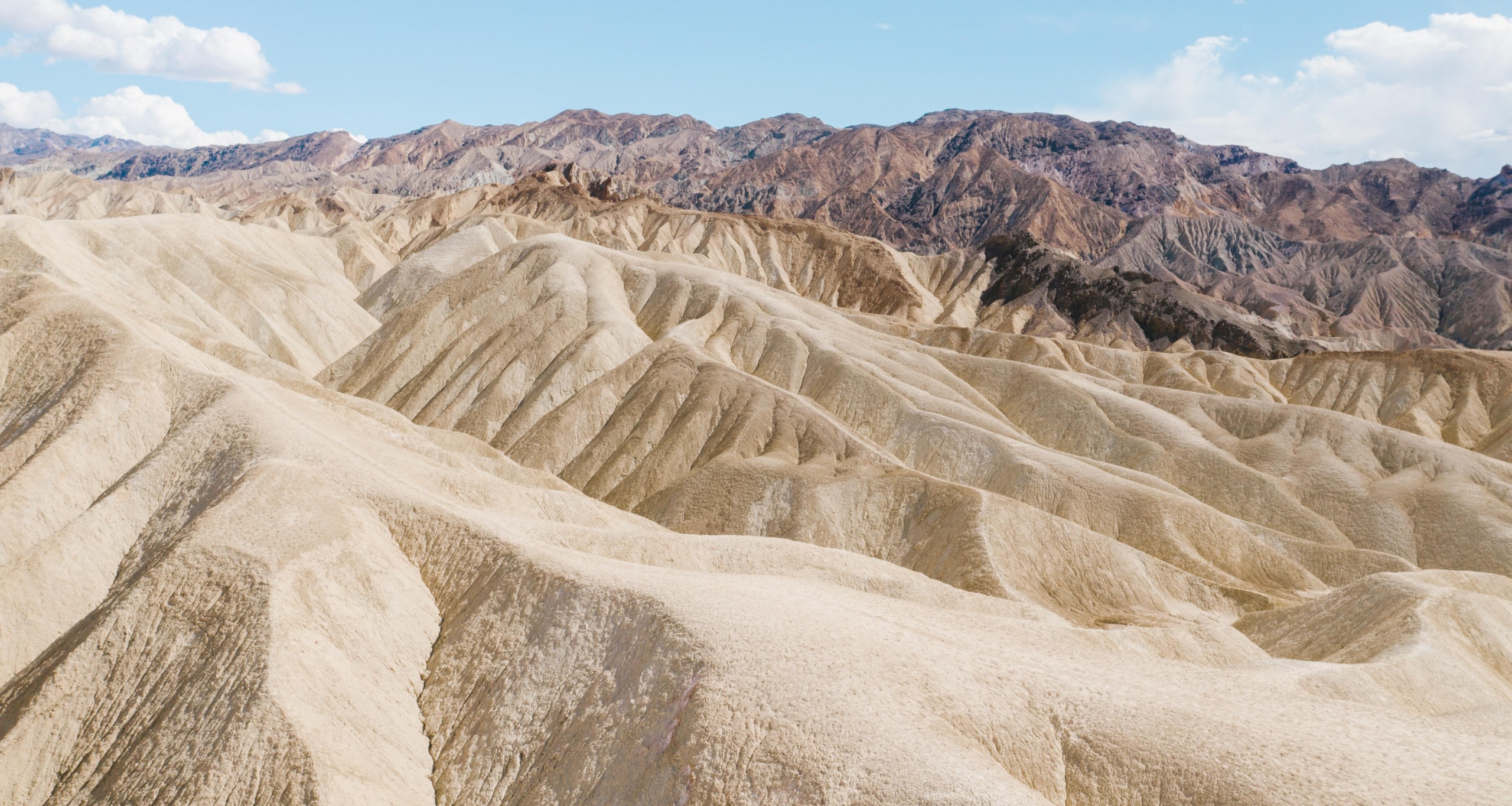
Editor’s Note: The opinions expressed here by the authors are their own, not those of Impakter.com — In the Featured Photo: Death Valley National Park. Featured Photo Credit: RODNAE Productions.

Tags: Climate ChangeDeath ValleyfloodsrainfallRecord Rainfall
Previous Post

Are Vegan Meats Really That Good?

Next Post

SiTration Raises $2.3M To Further Develop Its Battery Recycling Technology

Related Posts

Bill Gates memo
Climate Change

Climate, Gates and COP30

Bill Gates’ recent article on the “three tough truths” of the ongoing environmental changes makes an essential point: we must...

byJosé Graziano da Silva - Former Director-General at FAO, Founder and Director of the Instituto Fome Zero, and Professor Emeritus at the University of Campinas
November 12, 2025
The Amazon rainforest is often called “the lungs of the world.” It produces oxygen and stores billions of tons of carbon every year. The Amazon rainforest covers more than 60% of the landmass of Peru. Photo Credit: USDA Forest Service / Diego Perez.
Biodiversity

Inside COP30

The 30th United Nations Climate Change Conference (COP30) is taking place in Belém, Brazil, from November 10 to 21, 2025....

byInternational Institute for Sustainable Development (IISD)
November 10, 2025
ESG news regarding U.S. absence from the COP30 climate summit, Europe’s role in the U.S. absence, new euro zone loan pricing, and countries suffering from global warming speak at COP30
Business

COP30 Without the U.S.

Today’s ESG Updates Global Climate Talks Proceed Without U.S. Leadership: Lack of U.S. representatives at the UN’s COP30 talks in...

bySarah Perras
November 10, 2025
From Caves to COP30: Comparing the Neanderthals and Modern Humans
COP30

From Caves to COP30: Comparing the Neanderthals and Modern Humans

There is much positive to be said about life in this twenty-first century; we live longer and have multiple technologies...

byRichard Seifman - Former World Bank Senior Health Advisor and U.S. Senior Foreign Service Officer
November 9, 2025
climate change and food
Biodiversity

COP30: Climate Extremes Are Already Impacting Food Yields Today

The 30th United Nations Climate Change Conference (COP30), taking place in Belém, Brazil, brings together world leaders, scientists, non-governmental organizations, and...

byThe Food and Agriculture Organization of the United Nations (FAO)
November 7, 2025
Baler Compactors
Circular Economy

Compressing Waste, Expanding Impact: How Baler Compactors Advance Corporate Sustainability

It is easy to see the glitzy side of sustainability. Solar panels, windmills, electric fleets. But there’s more to sustainability...

byHannah Fischer-Lauder
October 29, 2025
COP30
Climate Change

What to Expect at COP30

Climate change negotiators will soon head to the 30th UN Climate Change Conference (COP30) in Belém, Brazil, after a year...

byInternational Institute for Sustainable Development (IISD)
October 22, 2025
Plastic pollution coral reefs
Biodiversity

Protecting Coral Reefs From Plastic Pollution: The IUCN Congress as a Catalyst for Action and Collaboration

This week, the International Union for the Conservation of Nature (IUCN) sees its World Conservation Congress kick off in Abu...

byJanne van Eerten - Sr. Global Public Affairs Manager at The Ocean Cleanupand1 others
October 8, 2025
Next Post
SiTration Raises $2.3M To Further Develop Its Battery Recycling Technology

SiTration Raises $2.3M To Further Develop Its Battery Recycling Technology

Recent News

Australia COP31 climate summit, renewable energy, Pacific island nations, climate diplomacy.

Australia’s Clean Energy Push Faces Setback for COP31

November 13, 2025
plastic pollution

Biodegradable Plastics: Help or Hype?

November 13, 2025
ESG News regarding global carbon emissions, Amazon claims AI will accelerate the clean-energy transition, Australia’s opposition party states it will drop the country’s net-zero target if elected, Portugal’s utility EDP focuses its clean-energy expansion in Southeast Asia

Global Carbon Emissions Reach Record High as Planet’s Natural Sinks Falter

November 13, 2025
  • ESG News
  • Sustainable Finance
  • Business

© 2025 Impakter.com owned by Klimado GmbH

No Result
View All Result
  • Environment
    • Biodiversity
    • Climate Change
    • Circular Economy
    • Energy
  • FINANCE
    • ESG News
    • Sustainable Finance
    • Business
  • TECH
    • Start-up
    • AI & Machine Learning
    • Green Tech
  • Industry News
    • Entertainment
    • Food and Agriculture
    • Health
    • Politics & Foreign Affairs
    • Philanthropy
    • Science
    • Sport
  • Editorial Series
    • SDGs Series
    • Shape Your Future
    • Sustainable Cities
      • Copenhagen
      • San Francisco
      • Seattle
      • Sydney
  • About us
    • Company
    • Team
    • Global Leaders
    • Partners
    • Write for Impakter
    • Contact Us
    • Privacy Policy

© 2025 Impakter.com owned by Klimado GmbH