
We are currently just weeks away from the hotly-anticipated annual harvest of the vineyards within a particularly important 343 km2 wine region in north-eastern France, 90 miles east of Paris – the only place on the planet that produces Champagne.
This geographical area known as the Champagne region is a landscape steeped in wine-making history and culture. Encompassing 319 villages (known as “crus”) with almost 280,000 vineyard plots, the area has been growing grapes and making Champagne – as the sole certifiable producer – for centuries.
Only these grape varieties from this particular region can be used to produce bottles of sparkling wines bearing the protected Champagne title and designation.
In terms of how the industry is doing, the Comité Champagne (the Champagne industry’s joint trade body) revealed earlier this year that 326 million bottles of Champagne were shipped in 2022, reflecting a 1.6% increase from the previous year.
“The value of shipments for the first time passed the 6 billion euro threshold,” stated the Comité.
What’s more, just last month the Comité reported that this year’s harvest is currently looking “promising,” estimating around 314 million bottles expected to be shipped in 2023.
However, like many other European crops as extreme weather wreaks havoc across the continent, concerns have been raised around how climate change could impact Champagne’s viticulture.
Over the years, in the face of climate challenges, the Champagne industry has been committed to futureproofing the sector; adapting to the changing environment; preserving nature and biodiversity; and curbing Champagne’s impact.
The region’s oldest house, Ruinart, has even recently launched a new line of “climate-exposed chardonnays,” explaining that:
“Ruinart Blanc Singulier is presented as a collection of singular Editions, that will succeed one another at the rhythm of the years marked by an atypical climate.”
View this post on Instagram
Champagne and Climate Change
The full extent of how climate change could affect the Champagne region and its wines in the long-term is of course not yet known. However, whilst warmer temperatures have reportedly previously brought some positive effects to French winemakers, as climate change and its impacts escalate, the region’s grapes and wines could be impacted in different ways – e.g., harvest, yield and flavour.
Harvest in Champagne is a finely-choreographed, weeks-long procedure carried out with extreme care and precision by around 120,000 people by hand, typically occurring at the end of summer every year.
Last month, ahead of this year’s upcoming harvest, the Comité Champagne revealed that the vineyards were in a good state and the wine-growing season had been “fairly calm,” mentioning that “only the recharge of soil water levels might be cause for concern.”
“Grape clusters are in good shape, and the harvest, which currently looks promising, should begin in the first ten days of September,” stated the Comité.
Related Articles: EU Farming in Trouble: The Solution? Young Farmers and a New Agricultural Model | Interview With UVIA: Wine Pomace to Lustrous Skin | What ‘Upcycled Food’ Is and Why You Should Try It | What Can You Eat at the World’s Best Restaurant, Central, in Peru?
They did, however, also state that Champagne yields have declined by 26% over the past 12 years as a result of the impact of “climate hazards, vine decline and the ageing of vineyards.”
“Therefore, it was decided to take full advantage of the good years to further improve the industry’s resilience,” stated the Comité.
Every year, the Comité Champagne and INAO determine the quantities of grapes picked by setting the annual authorised harvest yield, aiming “to favour quality over quantity.” For last year’s harvest, the Comité Champagne set the available yield at 12,000 kg/ha – the highest it’s been for 15 years. They also introduced a new “deferred release of the reserve” scheme, aiming to help winegrowers reach yield targets even when the quantities harvested and available reserve are insufficient. This year, the available yield has been set slightly lower, at 11,400 kg/ha, but the maximum reserve level has been raised from 8,000 kg/ha to 10,000 kg/ha.
Furthermore, earlier this year in a Forbes article, Moët & Chandon’s Director of Technical Development and Sustainable Viticulture, Felix Bocquet, also addressed the 26% decline in yields, adding:
“[O]ur vines are becoming less and less adapted to this environment. We are approaching the limit of our ecosystem if global warming continues at this rate.”
And last year, France 24 spoke with Charles Philipponnat, President of the Philipponnat Champagne house, about how warmer temperatures had brought Champagne’s harvest forward into August.
As for Champagne’s unique characteristics, these come from the region’s “terroir” (involving climate, soil and topography); changes to which can impact the wine’s profile accordingly.
In explaining their Ruinart Blanc Singulier collection of chardonnays, Ruinart stated:
“In response to the evolving temperatures in Champagne, the shortened vine cycle, and the accelerated maturation process, chardonnay shows different aromatic profiles with increased fruitiness and spiciness.”
And last week CNBC reported how some had already noticed changes in the flavour of some Champagne’s in comparison to years ago.
CNBC also highlighted how brands were aware of the impact of climate change on their companies, with Moët Hennessy’s Chief Sustainability Officer, Sandrine Sommer, telling CNBC via email:
“We recognize the effects of climate change on all Moët Hennessy’s terroirs, and to different degrees […] More than ever, we are working to adapt.”
Protecting Viticulture and the Planet
It’s of course not just Champagne that’s being affected; the wider European viticulture sector is also being impacted by climate change. As are winemakers across the rest of the world, with different locations – e.g., New Zealand, Australia, California, Chile, Georgia and even the UK (including Wales), amongst others – feeling the effects in different ways.
The broader European agricultural sector is also suffering. Euronews reported last week that the Italian farmers association, Coldiretti, has warned that extreme weather across Italy is having significant impacts on a variety of the country’s crops and products, including fruits, vegetables, wheat, milk, and honey, as well as exhausting bees and preventing them from pollinating plants.
To confront the challenges presented by climate change, the Comité Champagne and wider sector have been investing in research, innovation and sustainable development in order to actively adapt to the changing environment, preserve nature and Champagne’s future, and reach net zero by 2050.
Maison Ruinart, for example, has made a variety of conscious and creative commitments to nurture biodiversity, reduce their impact, and promote sustainable viticulture and production – as well as much more.
One example is the house’s innovative, eco-designed alternative to single-bottle boxes called “second skin.” Another is their contemporary art initiative, “Carte Blanche,” which raises awareness about climate change.
Many other champagne houses have also been prioritising sustainable practices and innovation for many years now, working to protect the natural environment, research new grape varieties that are more resilient, and reduce the Champagne industry’s impact and carbon footprint.
Just a few examples include:
- Veuve Cliquot’s wide variety of eco-commitments.
- Leclerc Briant’s approach to organic and biodynamic farming.
- Moet & Chandon’s biodiversity protection programme, “Natura Nostra,” and collaboration with SUGi to plant pocket forests.
- Louis Roederer’s work to protect biodiversity and their short film: “A Choreography between Man and Nature.”
Champagne is a staple of celebrations, of culinary and wine culture, and most importantly, of French cultural history. So as climate change and its impacts escalate, such sustainability initiatives are vitally important.
Not only in protecting viticulture in Champagne and preserving the region’s cultural heritage, but also in promoting sustainable philosophies, practices and priorities on a larger scale.
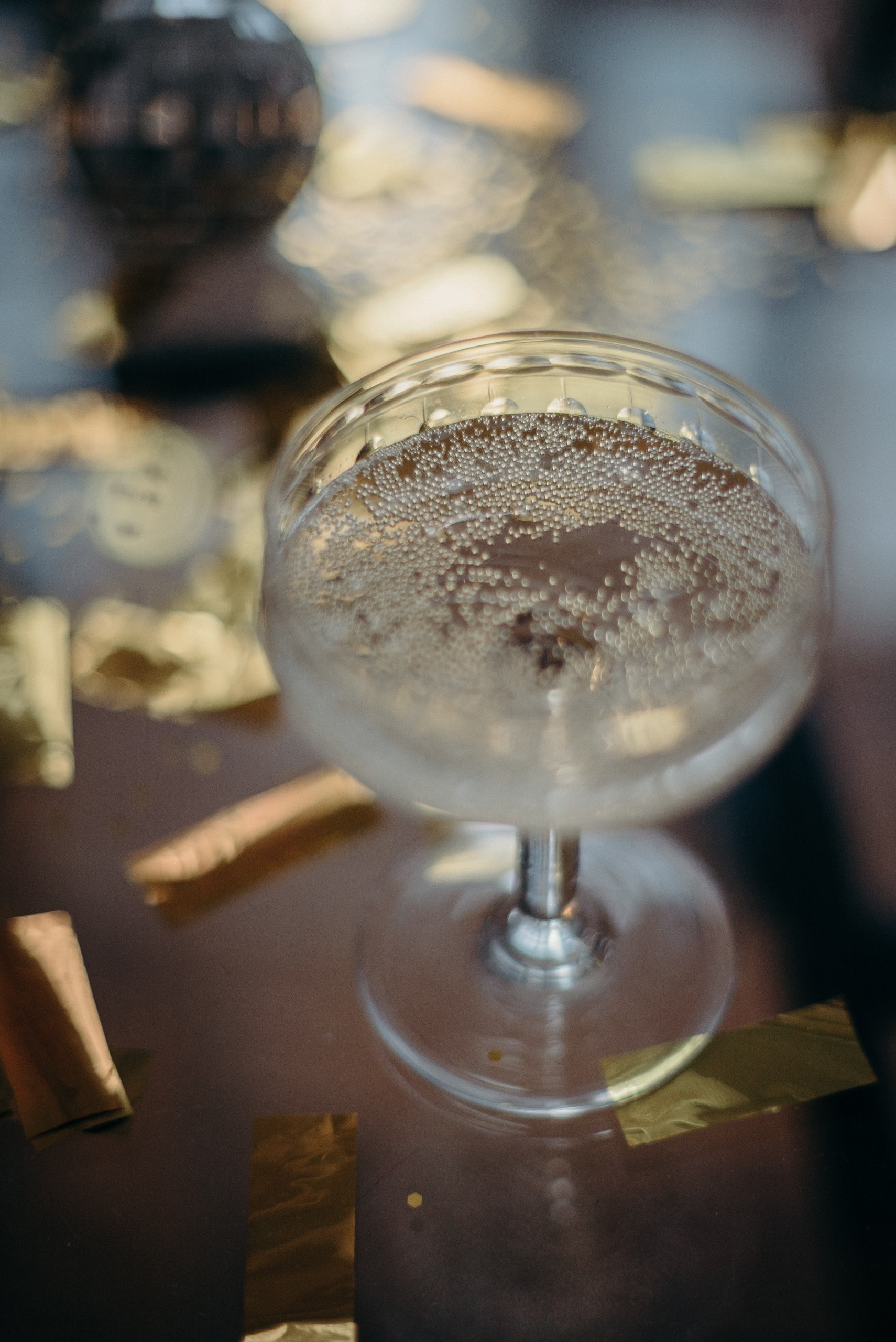
Editor’s Note: The opinions expressed here by the authors are their own, not those of Impakter.com — In the Featured Photo: Glass of sparkling wine. Featured Photo Credit: cottonbro studio.