What will be the main focus of COP 17?
We are at the midpoint of the KMGBF implementation period, and the major focus of the meeting will be the first global report to take stock of collective progress on GBF implementation. Its key message is that there is increased engagement, but major gaps remain when it comes to implementation — specifically on finance and resource mobilization.
Why is the global report on progress so important?
It’s the first one in the history of the Convention. For those more familiar with the climate process, it’s the equivalent of the global stocktake under the United Nations Framework Convention on Climate Change.
Most parties have set national targets, which is good, but these targets collectively fall short of the ambition required for GBF implementation. Progress is inadequate and uneven between regions and countries.
Furthermore, the availability of finance, technologies, and knowledge — the resources and support countries need to put the framework into practice — has not increased at pace with the needs.
What is not clear yet is what parties will do with this report, how they will decide to proceed, and how it will inform national action.
Where do you expect the biggest divide between countries?
Resource mobilization will probably be the most controversial item in Yerevan.
Target 19 of the GBF refers to mobilizing USD 200 billion per year from all sources, and we are still far away from reaching that. That is why the global report recognizes finance as the biggest gap in implementation.
The discussion also reflects a lengthy historical controversy between developed and developing countries over two major issues: the level of funding and the Global Environment Facility as the financial mechanism of the Convention.
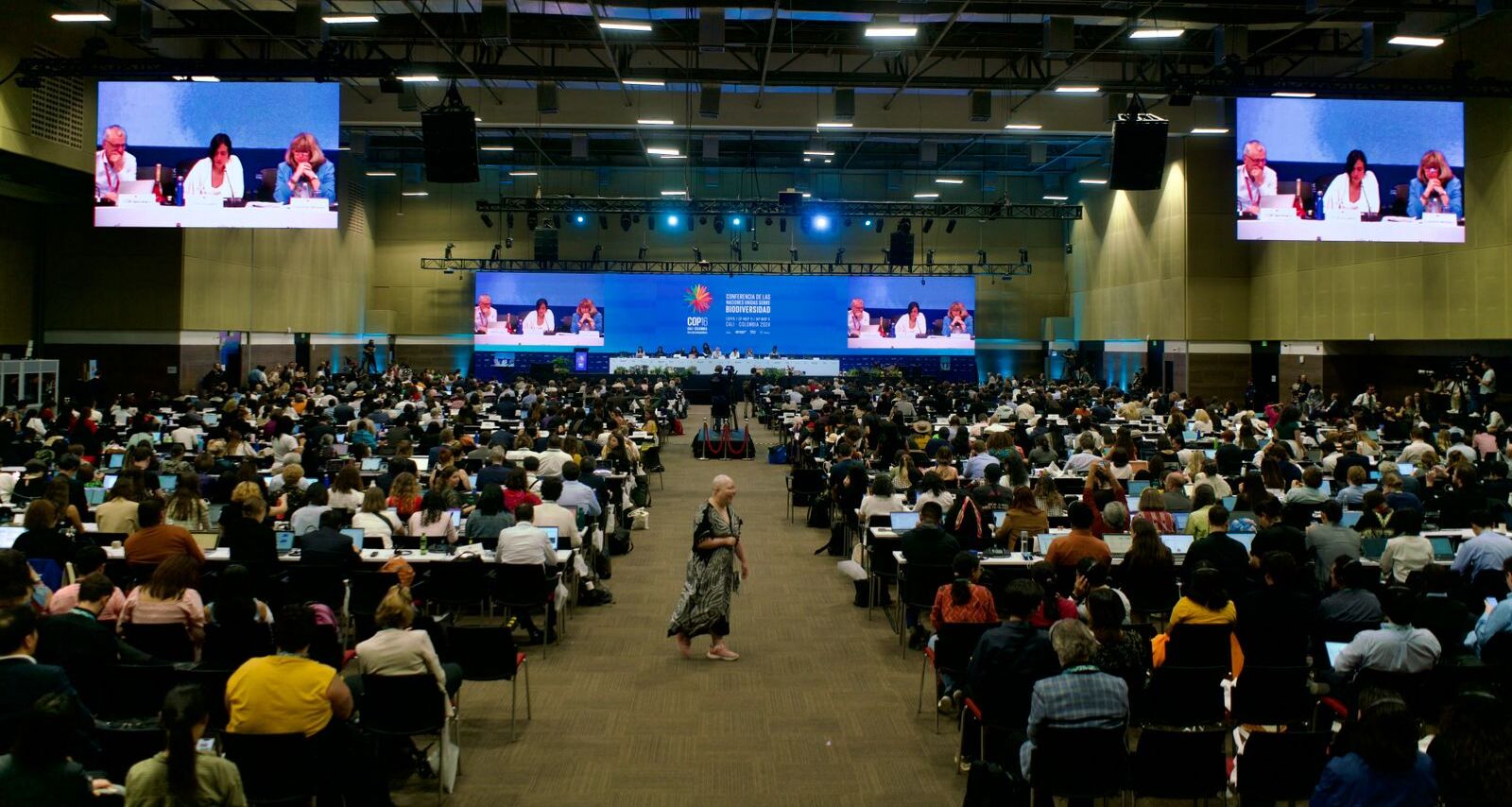
The Global Environment Facility has been operating as the financial mechanism on an interim basis since the first COP, and no agreement has been concluded on a permanent arrangement. This was one of the reasons COP 16 in Cali was suspended and had to resume some months later.
What is happening with benefit sharing from genetic resources?
Ensuring that benefits from the use of genetic resources are shared fairly and equitably is one of the three core objectives of the Convention. But advances in biotechnology — and particularly the growing use of digital sequence information, or DSI — have made this increasingly complex. Genetic information can now be stored in public databases and used for research and commercial purposes without the physical genetic resource necessarily changing hands.
The Cali Fund was established to address this challenge. It is intended to attract contributions from companies that benefit from the use of DSI and distribute funding back to developing countries and Indigenous Peoples and local communities that steward biodiversity.
There are going to be a lot of discussions about this. Long story short: the fund is still empty.
Potentially due to the purely voluntary legal nature of the Cali Fund, there have been virtually no contributions up to now. An informal coalition of governments, the Friends of the Cali Fund, pushes toward incentivizing industry contributions.
Related Articles
Here is a list of articles selected by our Editorial Board that have gained significant interest from the public:
Why will Indigenous Peoples and local communities be an important part of COP 17?
Indigenous Peoples and local communities have a special status under the Convention because of their role as stewards of biodiversity and holders of traditional knowledge.
At COP 16, countries established a new permanent subsidiary body dedicated to issues affecting Indigenous Peoples and local communities, which was considered a major victory for their representatives. At COP 17, countries now need to agree on how this body will operate, including the degree of participation and decision-making rights Indigenous Peoples and local communities will have.
The COP is also expected to adopt guidelines for implementation of GBF Targets 2 and 3 on restoration and conservation of 30% of land and sea by 2030 — in Indigenous and traditional territories.
Are you expecting difficult negotiations?
I am, unfortunately.
If you look at the agenda, even items that were not controversial in the past now seem extremely contentious. As with many multilateral processes, we have seen an increasing difficulty in reaching consensus on any item.
The extended direction of future work is also contested. Parties disagree over which direction the Convention should take and why, how it is going to be funded, and the level of commitment.
With all these divisions, are UN biodiversity negotiations still relevant?
Yes. As the key global forum for advancing multilateral responses to biodiversity loss, the CBD provides a frame for national biodiversity action and informs action by other actors, including the private sector, regional organizations, cities, and Indigenous Peoples and local communities.
It also provides an opportunity for civil society and Indigenous Peoples to push for change and acts as a space for global knowledge exchange.
The CBD is considered one of the most open and transparent processes among the multilateral environmental agreements, with broad participation by Indigenous Peoples and local communities and other stakeholders.
But decision making remains intergovernmental — and strictly by consensus.
** **
This article was originally published by the International Institute for Sustainable Development (IISD) and is republished here as part of an editorial collaboration with the IISD.
Editor’s Note: The opinions expressed here by the authors are their own, not those of Impakter.com