For more than two decades, I have heard a familiar refrain in conversations about biodiversity and development:
“Nature is important, but we need to prioritize jobs and economic growth.”
It is often framed as an inevitable trade-off — as though protecting ecosystems only comes at the expense of prosperity. But the evidence points in the opposite direction. Investing in Nature is not a brake on economic growth. On the contrary, it is one of the most powerful opportunities we have for creating jobs, strengthening resilience, and building more inclusive economies, especially now.
The World Economic Forum estimates that a Nature-positive economy could generate $10 trillion in annual business opportunities and create 395 million jobs by 2030.
At a time when global job creation is slowing and many economies are struggling to generate decent work at scale, the transition to Nature-positive development may be one of the largest employment opportunities of our generation. Global employment today is currently estimated at between 3.3 and 3.4 billion people. According to the International Labor Organization (ILO), under a business-as-usual scenario, net job growth is expected to remain modest at around 1% or less annually, translating into roughly 100–150 million new jobs by 2030.
Yet under a sustainability scenario, the ILO estimates that an additional 37 million jobs could be created in sectors such as regenerative agriculture, sustainable fisheries and aquaculture, renewable energy, ecosystem restoration, and green infrastructure. UNEP, IUCN and ILO have together made similar estimates — that investing in Nature-based solutions alone could generate up to 32 million jobs by 2030, provided investment continues to be directed towards solutions such as renewable energy.
These are not abstract projections. They point to a profound economic shift already underway.
More Jobs, Better Returns
What is especially important is not only the quantity of jobs that can be created, but their quality and resilience.
Ecosystem restoration generates nearly four times more jobs than the oil and gas sector. Solar energy creates significantly more jobs than fossil fuels. Investments in green and resilient infrastructure can return between two and six dollars for every dollar invested through avoided disasters, healthier communities, and stronger local economies.
In other words, Nature-positive investments are not simply environmentally preferable. They are economically smarter.
More Jobs, Better Jobs
Green jobs are also inherently more sustainable, resilient, and inclusive. They span a wide range of skills and income levels and can support more equitable economic systems.
I have seen this firsthand in my career. During my time working with the Ministry of Environment and Tourism in Namibia, we observed that protected area tourism generated income across both rural and urban communities. Income and benefits flowed to both skilled and unskilled workers, including informal laborers and rural youth.
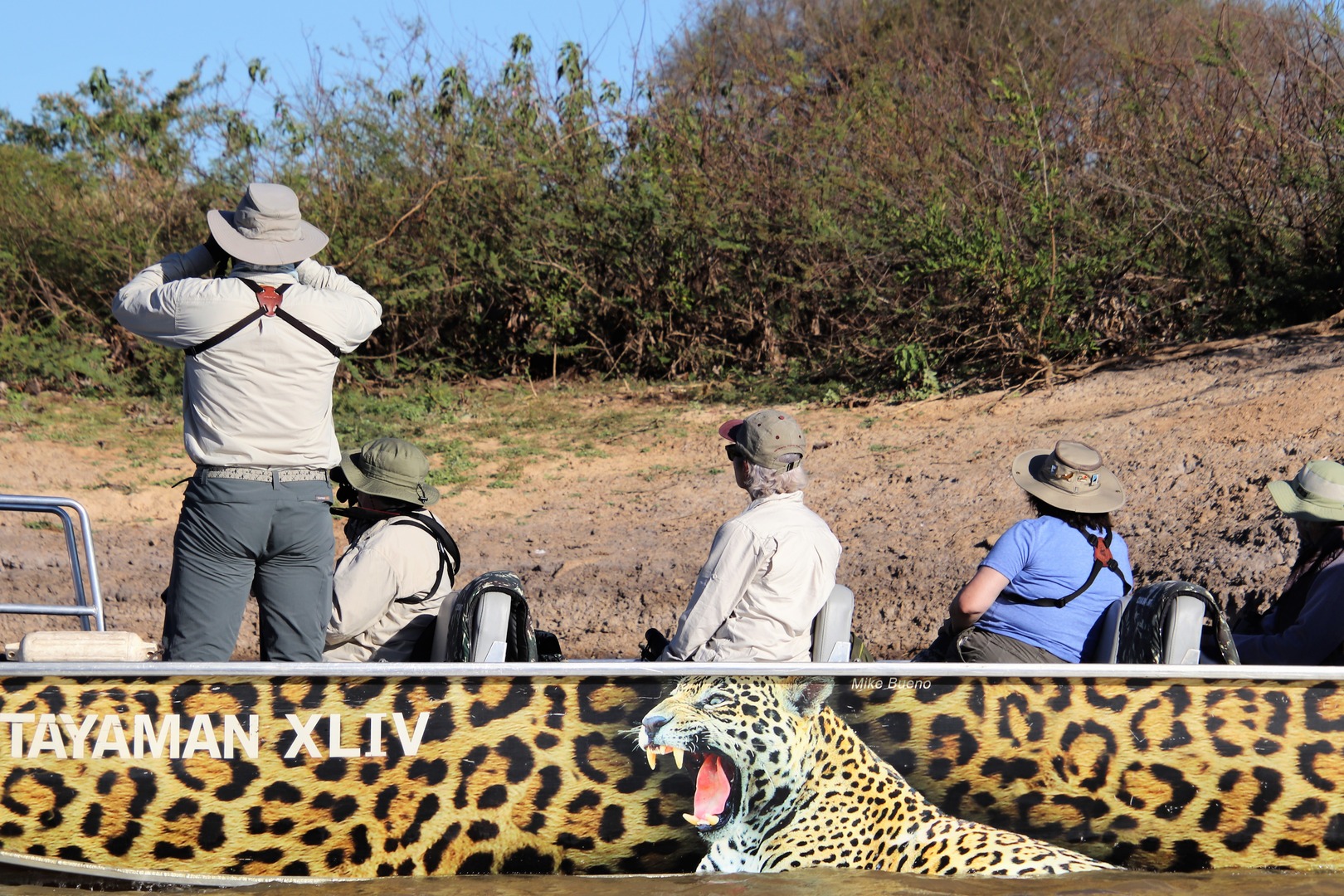
For example, Nature-based tourism is one of the fastest-growing sectors globally, expected to double by 2030 compared with 2025, and some market projections suggest it could reach nearly $1 trillion by 2035. It is also one of the most effective sectors for redistributing wealth into some of the world’s most remote and economically marginalized communities.
This matters because the jobs challenge facing the world today is not only about numbers but also about dignity, stability, and inclusion, and how these translate into futures people can believe in.
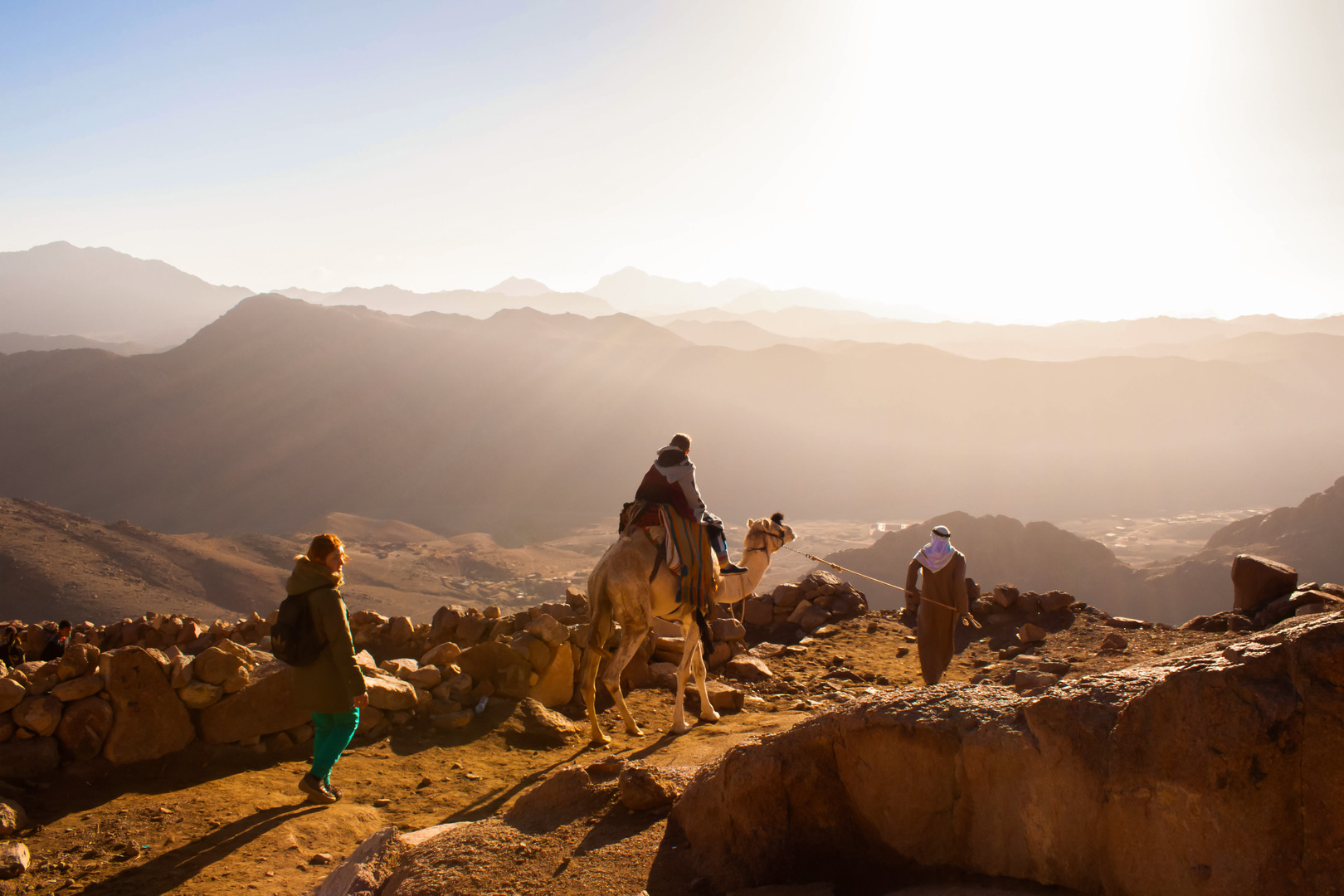
Around 300 million workers globally still live in extreme poverty despite being employed. But jobs in a Nature-positive and low-carbon economy are more closely aligned with long-term benefits. For example, they are often harder to offshore because they are more place-based, community-anchored and locally owned. They are less vulnerable to automation in some sectors and more likely to generate co-benefits across livelihoods, public health and well-being. And of course, at their bottom line, they restore the natural systems upon which economies depend rather than depleting them.
And this dependence is fundamental. Clean air, fresh water, fertile soils, and stable climates are not luxuries; they are essential resources, the foundation of every economy and every society. Every job is dependent on the essential services of Nature.
Related Articles
Here is a list of articles selected by our Editorial Board that have gained significant interest from the public:
The transition to a Nature-positive economy is no utopian manifesto but a cool-headed, logic-driven necessity. The question is no longer whether we can afford to invest in Nature but how can we do this, and at what scale. It requires policy reform, incentive creation and financial innovation, and an embrace of new ways of valuing nature and measuring progress within our global systems.
At UNDP, through the Nature Pledge, we are supporting governments and communities in more than 140 countries to help accelerate three systemic transitions to drive this transformation. This includes rethinking how we value economic success, define prosperity and create incentives. For decades, GDP has dominated policy discussions despite its inability to capture environmental degradation, ecosystem health, or human well-being. A forest cleared for short-term extraction may increase GDP, even as it undermines long-term resilience and livelihoods.
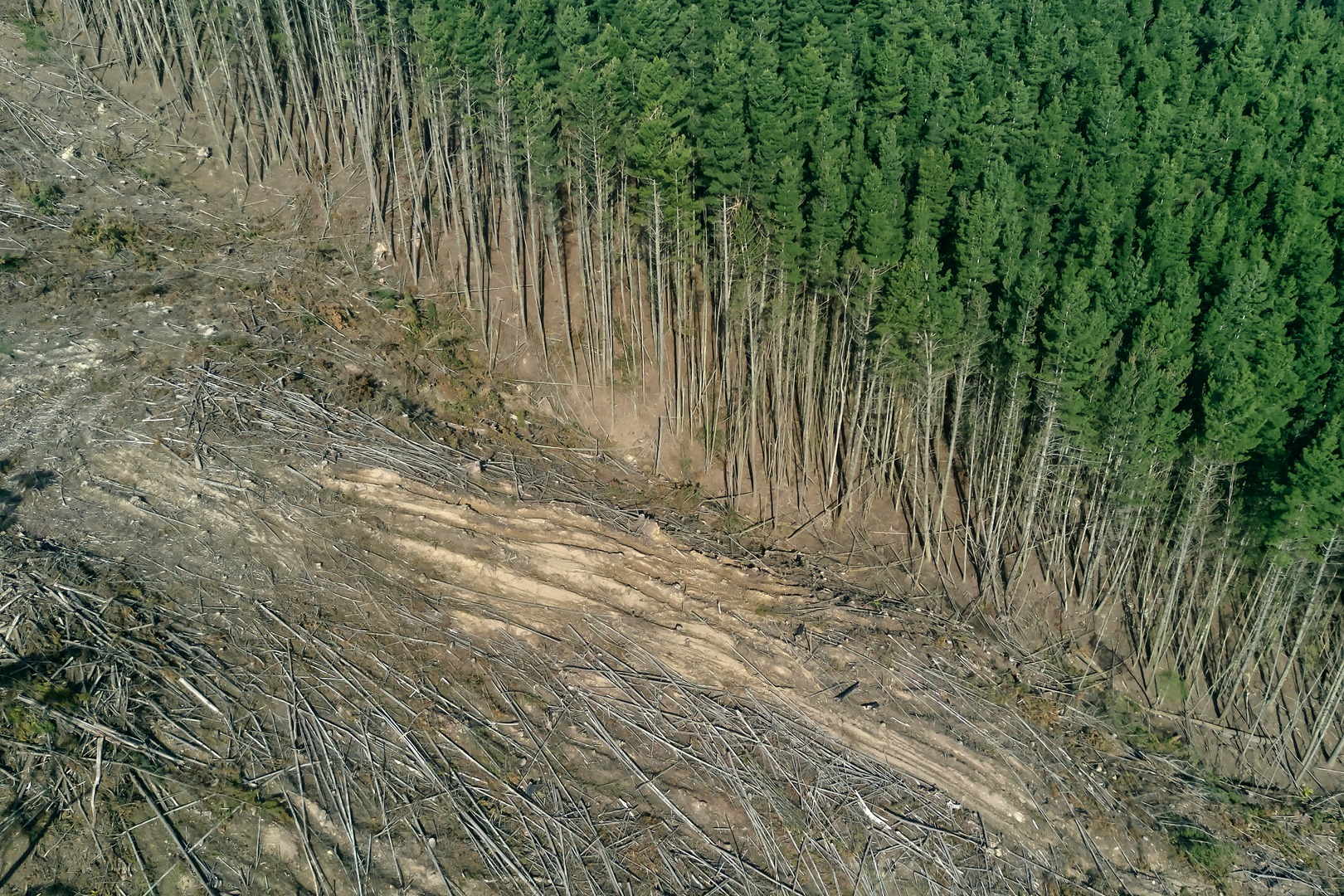
That is why countries are increasingly exploring complementary measures and why UNDP this year will publish its novel Nature Relationship Index which will, for the first time, complement UNDP’s Human Development Index and offer an assessment of the impact of humanity’s relationship with Nature.
At the same time, financial systems must evolve. UNDP has supported initiatives such as the Taskforce on Nature-related Financial Disclosures to help redirect capital away from Nature-negative activities toward Nature-positive investment. We are also working with more than 130 countries to reform harmful subsidies and align public finance with sustainability goals. In Colombia, public agricultural finance is increasingly supporting deforestation-free production systems. In Zambia, tax incentives for green bonds have helped catalyze a $200 million corporate green bond issuance. New markets for biodiversity credits are also unlocking additional financing for conservation and restoration. All essential ingredients for achieving Nature-positive economies.
The economic case for investing in ecosystems is already compelling. The real challenge before us is whether we are prepared to recognize that reality in the way we design our economies and define prosperity. The era of placing our natural resources and investment in the Nature-positive, low-carbon transition on one side of a scale, and economic interests on the opposite, misses both the evidence and the opportunity: Nature-positive economies are job-rich economies and the growth of our future.