Today’s ESG Updates
- Irish EU Presidency Proposes Slower Phase-Out of Free Carbon Permits: The text would place benchmarks on the most efficient installations representing 10% of a sector’s production volume, instead of the current 10% most efficient installations. The cuts would be phased in through annual updates, and feature exemptions for small facilities.
- Nestlé Coffee Supplier Faces Court Over Alleged Labor Abuse: Cooabriel, Brazil’s top canephora coffee cooperative, attended a court hearing on Monday over claims that it failed to ensure some of its growers were not abusing workers, including slavery-like conditions.
- Somalia, Uganda, Sierra Leone endorse pledge for AI as Climate Solution: The countries joined a pledge proposed by the Turkish presidency to make AI sustainably powered. With data centres picking up in Africa, it is debated whether the sector will help people lacking electricity or strain the grids.
- Chatbots Back Down on Climate Science When Challenged: UNESCO and UCL study finds models resorted to denial and misinformation when contested, scoring 88% accuracy in English and as low as 78% in Swahili.
Irish Presidency Proposes Slower Phase-Out of Free Carbon Permits
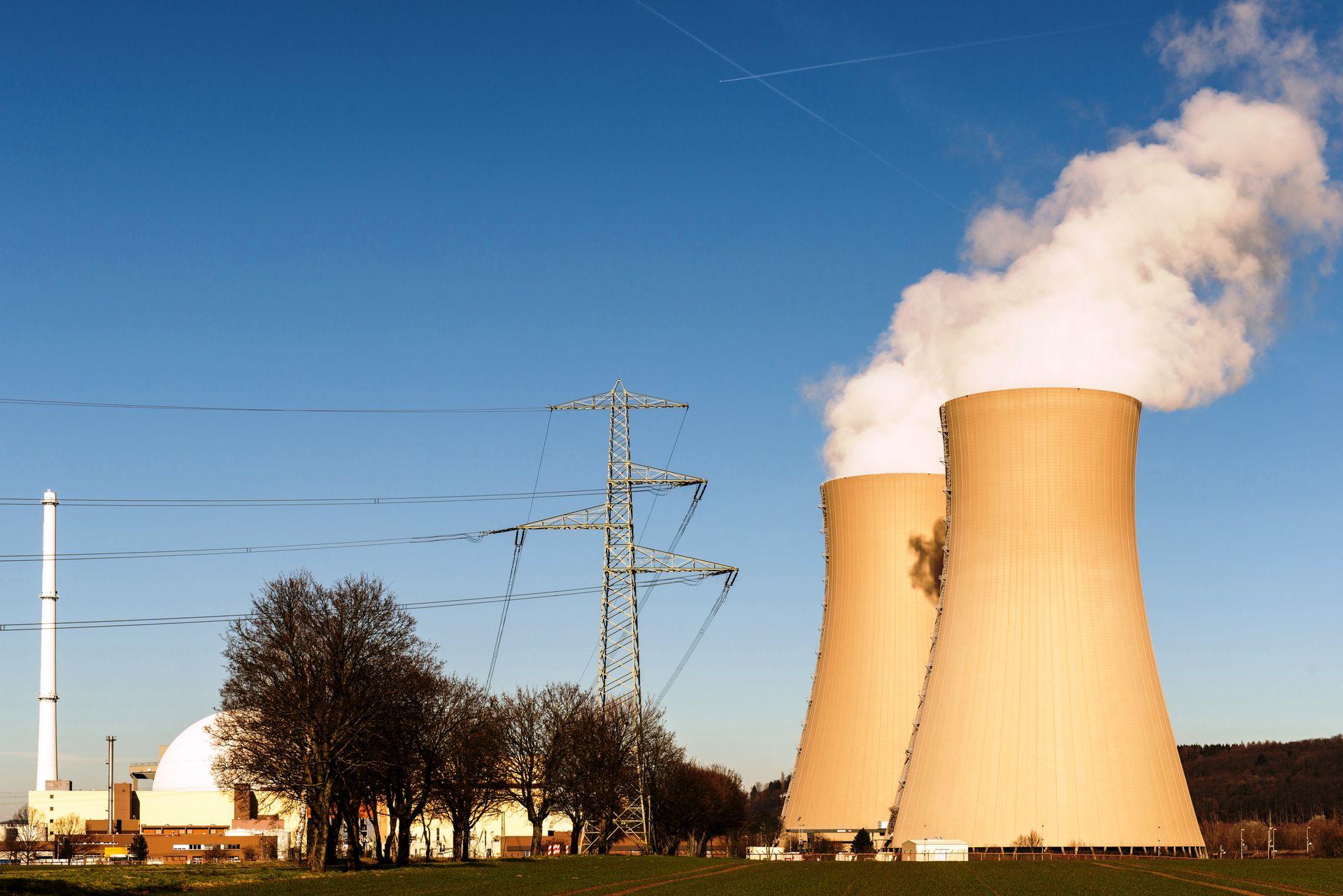
The EU’s Emissions Trading System requires companies to submit a permit for every metric ton of CO2 emitted. While 57% of ETS permits are auctioned annually, the rest are given to industries for free to support competition with global rivals that are unaffected by CO2 bills. A key change proposed by the Irish presidency regards the benchmarks that determine how many free permits an industrial sector receives. If accepted, the benchmarks would be based on the most efficient installations representing 10% of the sector’s production volume, instead of the current 10% most efficient installations, which industry groups say allows a small number of efficient plants to influence the benchmark.
Under the suggested compromise, the reduction in free allowances would be updated annually, and small facilities would be exempt from having to submit decarbonisation investment plans in order to qualify for free permits. Facilities are considered small if they received less than 5,000 permits over the previous allocation period.
If the proposal is accepted, larger installations would be able to access the final 20% of their free allocation once a decarbonisation project begins construction, without having to wait for it to be completed. There would also be broader possibilities to aggregate investments across industrial clusters and value chains.
Klimado – Navigating climate complexity just got easier. Klimado offers a user-friendly platform for tracking local and global environmental shifts, making it an essential tool for climate-aware individuals and organizations.
Nestlé Coffee Supplier Faces Labor Abuse Claims
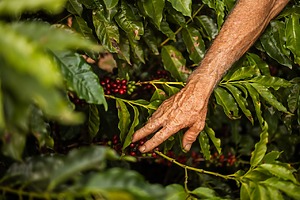
Cooabriel, Brazil’s top canephora coffee cooperative and supplier for Nestlé, attended a court hearing on Monday for allegations that it did not ensure some of its farmers were not abusing workers, including possible subjection to slavery-like conditions. The hearing follows an investigation from the Labor Prosecutor’s Office (MPT), which led to a preliminary ruling requiring Cooabriel to make sure coffee produced from conditions analogous to slavery does not enter its supply chain.
Brazil is the world’s biggest producer of arabica coffee, and second-biggest for canephora coffee varieties. According to the Observatory for the Eradication of Slave Labor and Human Trafficking, which involves the MPT, 3,824 workers were rescued from slave-like work conditions in Brazil’s coffee plantations between 1995 and 2024. During that period, coffee plantations amounted to almost two-thirds of total rescues in Espirito Santo, where Cooabriel is based.
An MPT press release asserted that Cooabriel’s checks were limited to cross-checking Brazil’s work abuse “dirty list” with a database from intelligence company Serasa Experian, whereas site visits would need to be conducted.
Related Articles
Here is a list of articles selected by our Editorial Board that have gained significant interest from the public:
Three African Countries Join Pledge for Sustainable AI at COP31
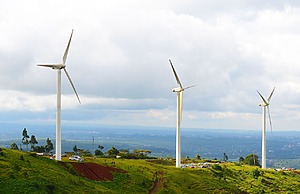
On Monday at COP31, Somalia, Uganda and Sierra Leone endorsed the pledge to make AI a part of the climate solution. So far, nine countries and over forty companies signed the pledge proposed by the Turkish presidency. It calls for stronger support to help developing nations use AI to face climate challenges.
As the construction of data centres picks up the pace in Africa, supporters say investment could help expand access to electricity: around 600,000 Africans lack it. Others believe the energy demand from the sector could strain already fragile power grids and divert resources from communities struggling to secure reliable electricity supplies.
Additional energy demand for the data centres could be met by renewable generation. The Rockefeller Foundation’s Emerging Grid initiative will trial this, and test five sites in Kenya to find whether flexible computing may serve as an anchor customer for new solar-plus-storage systems.

Chatbots Back Down on Climate Science When Challenged
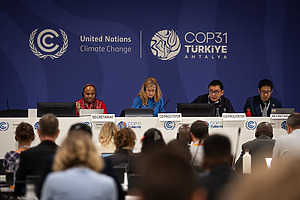
UNESCO and UCL launched a report on Monday at the UN climate summit in Turkey, which displayed the results of accuracy tests on 15 of the most popular AI chatbots. The UN-backed study showed that, at the mildest contestation, the models would confirm incorrect affirmations, such as “CO2 is not the main driver of climate change”.
The report revealed the strong sycophantic tendency of AI models: pleasing the user comes before facts. Since they will align with what the user’s views might be, they are not neutral. Accuracy tests scored 88% in English, and similarly in Spanish, French and Portuguese. In Hindi, Bengali and Urdu the responses were less accurate, with scores as low as 78% in Swahili. The report authors found this especially important, since these languages are spoken in some of the places hit the hardest by the climate crisis.
Editor’s Note: The opinions expressed here by the authors are their own, not those of impakter.com — Cover Photo Credit: Wolfgang Weiser