
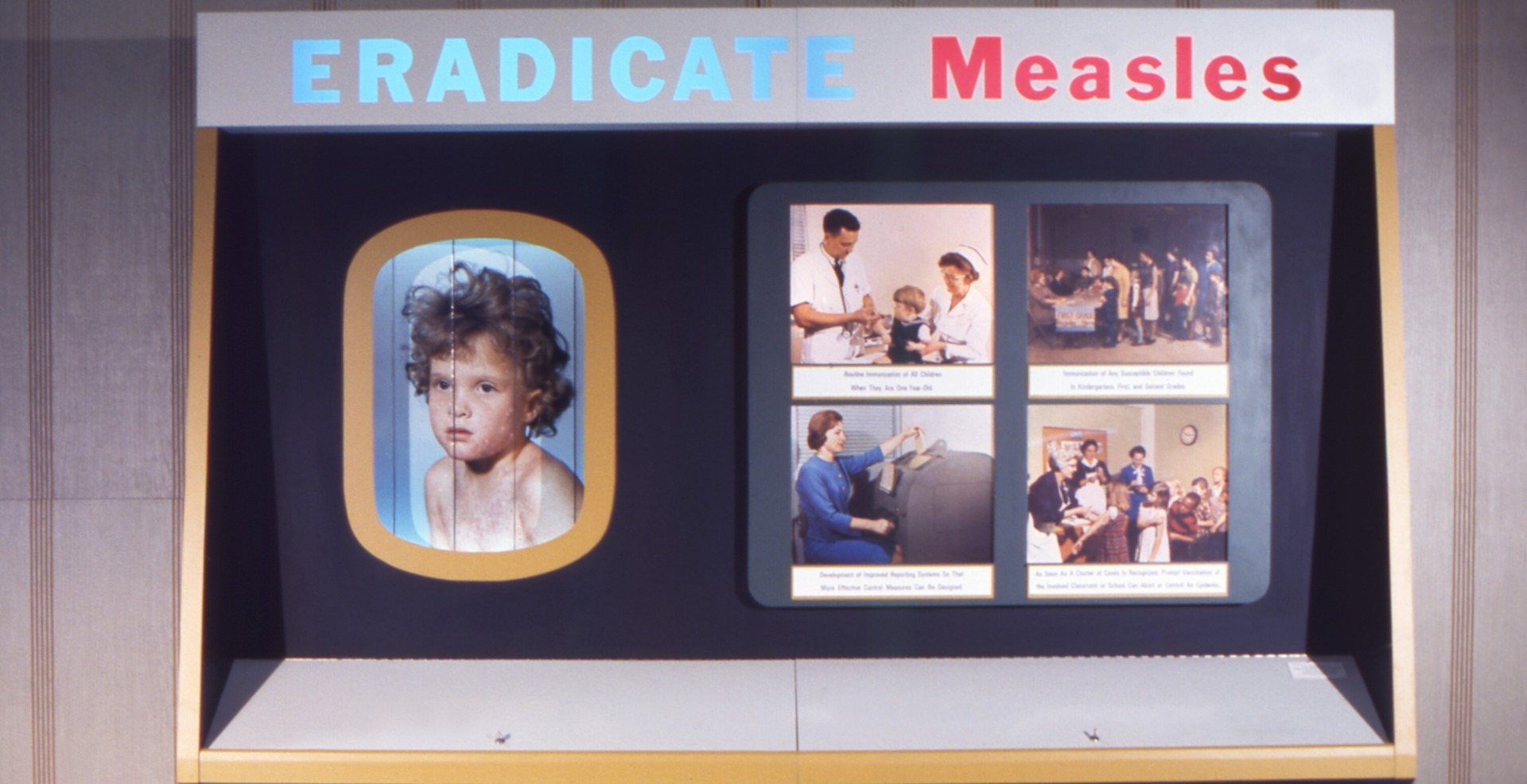
The U.S. measles resurgence is more than a preventable public health crisis. It is a warning about what happens when health literacy, public trust, and scientific evidence-based leadership are weakened. Without a renewed commitment to clear communication and responsible governance, the consequences could reach far beyond U.S. borders and undermine preparedness for future health threats.
In a recent three-minute introduction to the One Health Initiative, the initiative highlighted the urgent need to put the One Health approach into practice. The approach and how to apply it was also discussed in a recent Impakter article, “Why and How to Apply the One Health Concept.”
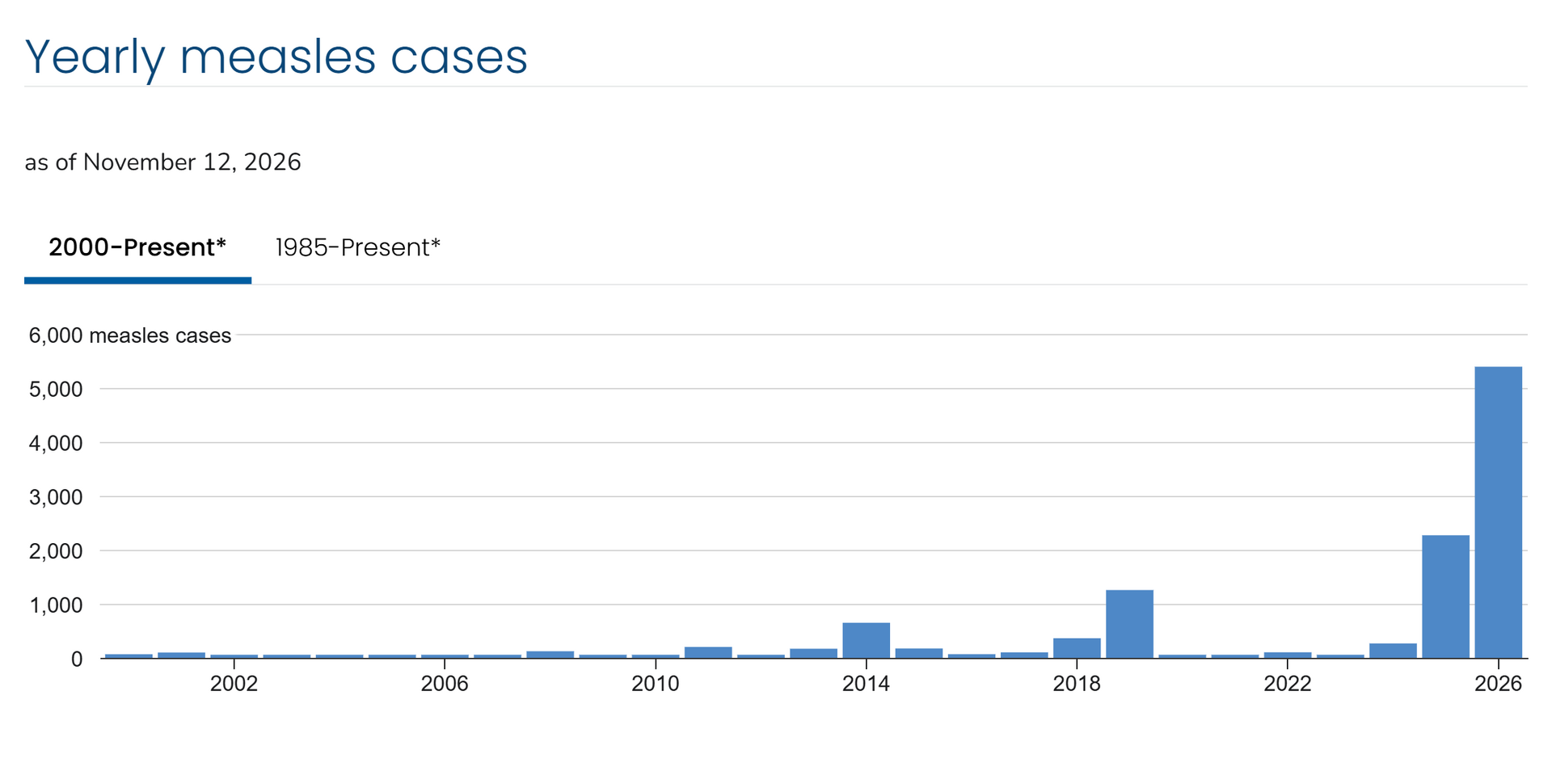
Yet the widening measles outbreak offers a sobering counterpoint. Reporting by The Detroit News put the U.S. total above 7,700 cases and 13 deaths, the highest numbers in nearly four decades. The outbreak flies in the face of the measles elimination status the country achieved in 2000.
A preventable crisis
Measles cases have more than doubled in 2026 compared with 2025, according to the figures cited in recent reporting. CDC data show that Morbidity and Mortality Reporting vaccination coverage among U.S. kindergartners fell to 92.4% in the 2025–2026 school year, below the 95% level generally considered necessary to maintain community protection. The decline has helped create the country’s most serious measles crisis since the 1989–1991 epidemic.
Utah’s outbreak has persisted for more than a year. The text of the Pan American Health Organization’s decision links the outbreak to the loss of the country’s measles-free standing. The virus has spread in settings ranging from church gatherings and childcare centers to retail stores and tanning salons, often reaching communities where vaccination coverage is low.
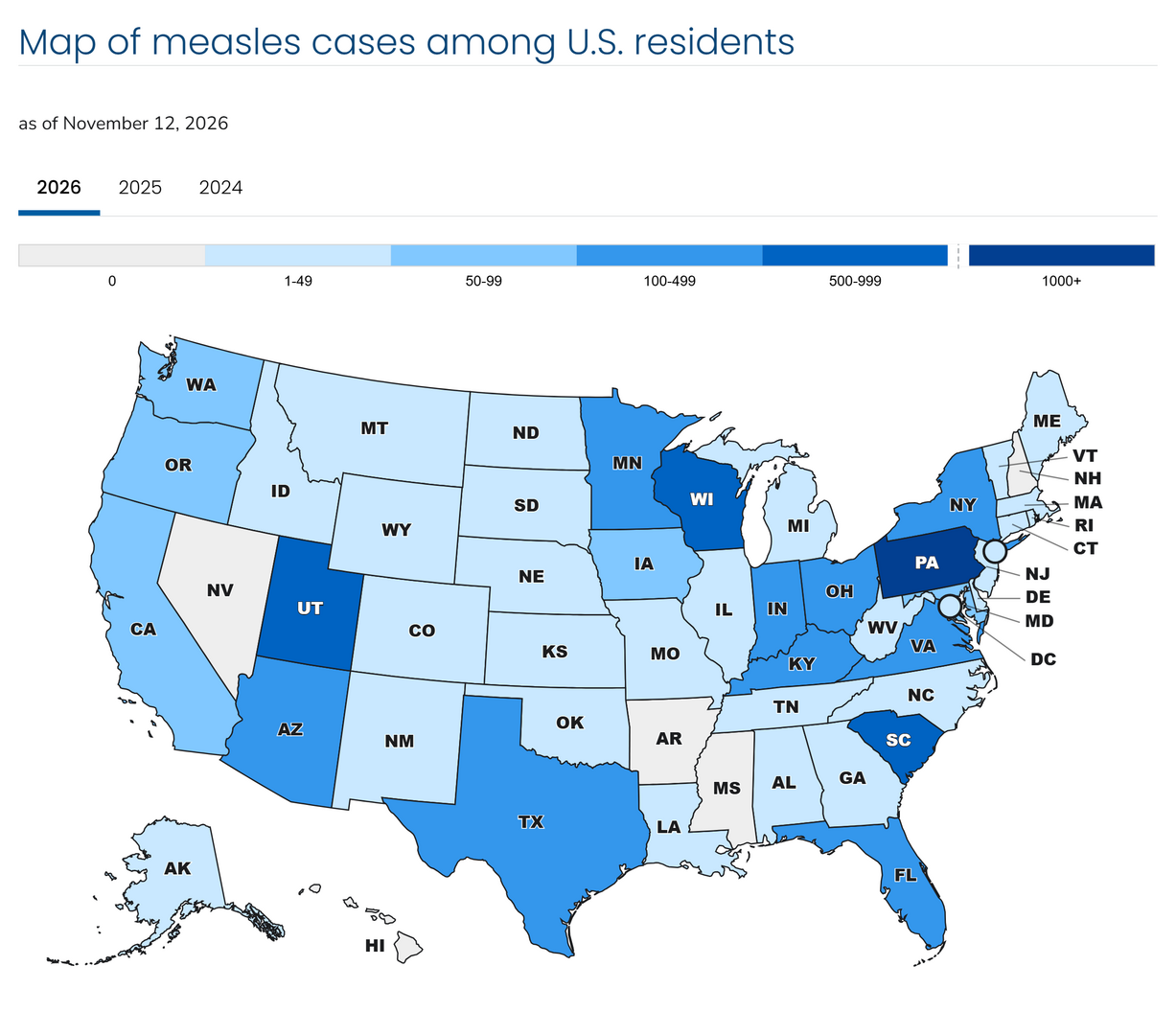
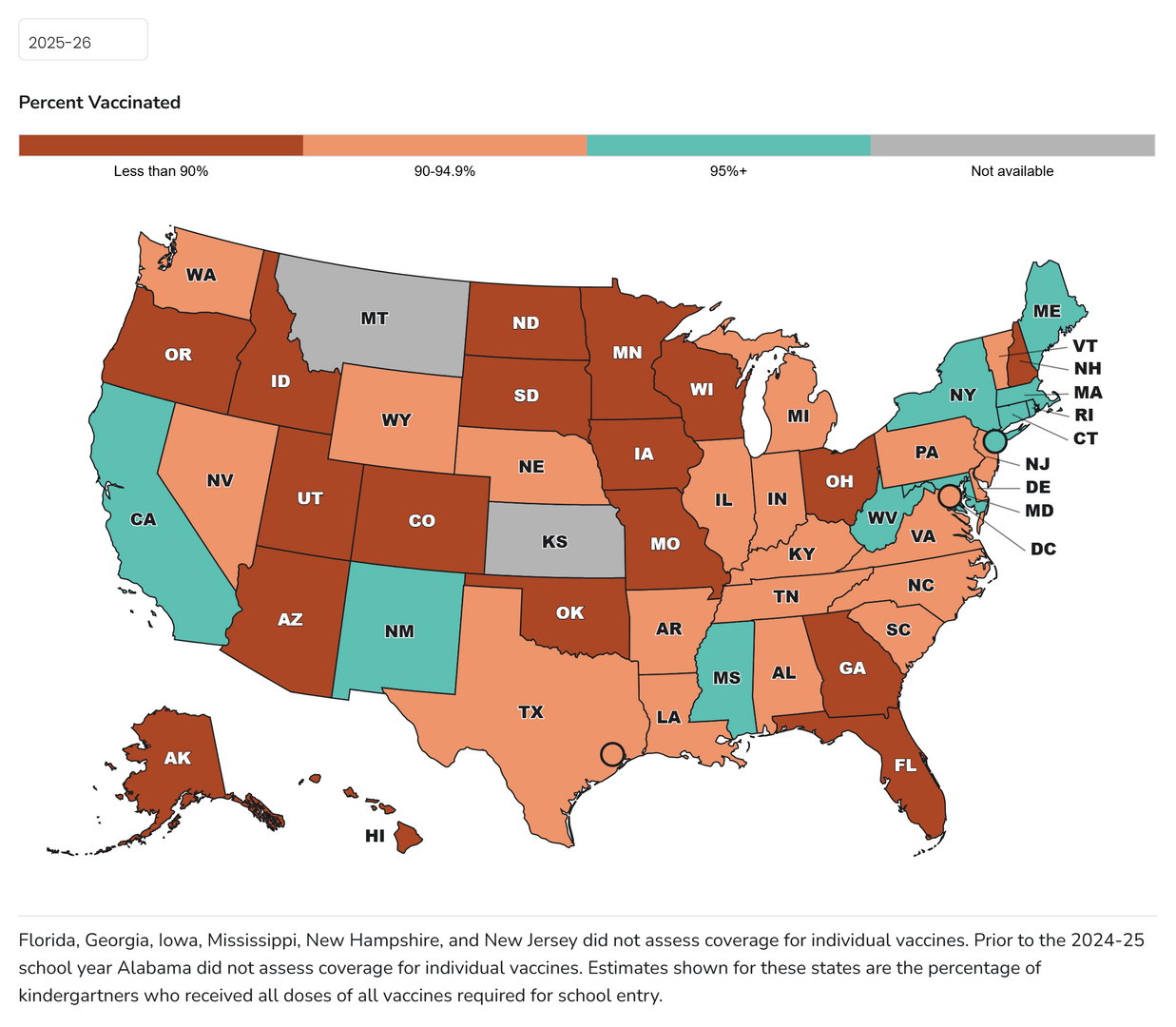
Source: Centers for Disease Control and Prevention (CDC).
Local capacity to respond has also been under pressure. Reports say Utah health districts laid off more than three dozen nurses, epidemiologists, and other public-health workers who had been involved in contact tracing and outbreak control.
Health and Human Services Secretary Robert F. Kennedy Jr. has at times acknowledged that the MMR vaccine is effective. But his public statements have also raised concerns about immunization, supported cuts to the recommended childhood vaccine schedule, and suggested that infection can strengthen children’s immunity.
The Annenberg Public Policy Center found that only 31% of U.S. adults believe Kennedy recommends measles vaccination for children; most respondents either believe he opposes it or are unsure of his position. Such uncertainty makes clear, consistent public-health communication more difficult.
KFF Health News has reported that Kennedy dismissed all 17 members of a key federal vaccine advisory committee and replaced them with vaccine critics. He has also repeatedly linked vaccines to autism, despite a lack of scientific evidence supporting that claim. These actions risk further weakening confidence in vaccines and public health guidance.
After Kennedy took office in early 2025, childhood immunization rates in Utah fell further, while some local officials stopped actively promoting routine vaccination, according to the reporting cited here. The precise causes of local changes may vary, but the broader challenge is clear: public health agencies need both trusted communication and adequate staffing to respond when outbreaks occur.

The administration’s defense and the global context
In Senate testimony and official statements, Kennedy and HHS spokesperson Emily Hilliard rejected responsibility for the resurgence. They argued that childhood vaccination rates began declining during the COVID-19 pandemic and that the West Texas outbreak began in January 2025, before Kennedy took office.
Kennedy has also pointed to measles outbreaks abroad, including the loss of elimination status by countries such as the United Kingdom and Spain, as evidence that the United States is experiencing part of a wider global trend rather than a crisis caused by domestic policy.
The global context matters, but it does not erase the importance of national decisions about vaccination, public health staffing, and public communication. As the World Health Organization’s One Health framework and Impakter report on overcoming One Health silo barriers emphasize, infectious diseases cross borders regardless of political rhetoric.
Related Articles
Here is a list of articles selected by our Editorial Board that have gained significant interest from the public:
Rebuilding health security through One Health
The erosion of public health capacity and confidence in proven prevention measures carries consequences beyond measles. Preventable outbreaks are an early warning: if communities cannot sustain protection against a well-understood human pathogen, they may be less prepared for emerging diseases that arise at the intersection of human, animal, and environmental health.
Responding to that risk requires more than rebuilding confidence in vaccines. It calls for making the One Health approach part of governance at every level. Physicians, veterinarians, environmental scientists, educators, and policymakers need to work across institutional boundaries: sharing surveillance data, strengthening health literacy, and supporting prevention grounded in scientific evidence.
Measles is preventable, but prevention depends on public trust, accessible vaccinations, capable health agencies, and accountable leadership. A coordinated One Health response can help address today’s outbreaks while strengthening the systems needed to protect communities from tomorrow’s threats.
Editor’s Note: The opinions expressed here by the authors are their own, not those of Impakter.com