Impakter
  • Environment
    • Biodiversity
    • Climate Change
    • Circular Economy
    • Energy
  • FINANCE
    • ESG News
    • Sustainable Finance
    • Business
  • TECH
    • Start-up
    • AI & Machine Learning
    • Green Tech
  • Industry News
    • Entertainment
    • Food and Agriculture
    • Health
    • Politics & Foreign Affairs
    • Philanthropy
    • Science
    • Sport
  • Editorial Series
    • SDGs Series
    • Shape Your Future
    • Sustainable Cities
      • Copenhagen
      • San Francisco
      • Seattle
      • Sydney
  • About us
    • Company
    • Team
    • Global Leaders
    • Partners
    • Write for Impakter
    • Contact Us
    • Privacy Policy
No Result
View All Result
Impakter logo
No Result
View All Result
Food prices

We Need to Talk About Food Prices

They’re one indicator of the havoc that climate change is wreaking

Yale Climate ConnectionsbyYale Climate Connections
March 16, 2024
in Climate Change, Editors' Picks, Food and Agriculture
0

If we want more U.S. residents to raise their voices about climate change, focusing on fossil fuels won’t get us there. We need to talk about something much more tangible, immediate, and universal to all: food.

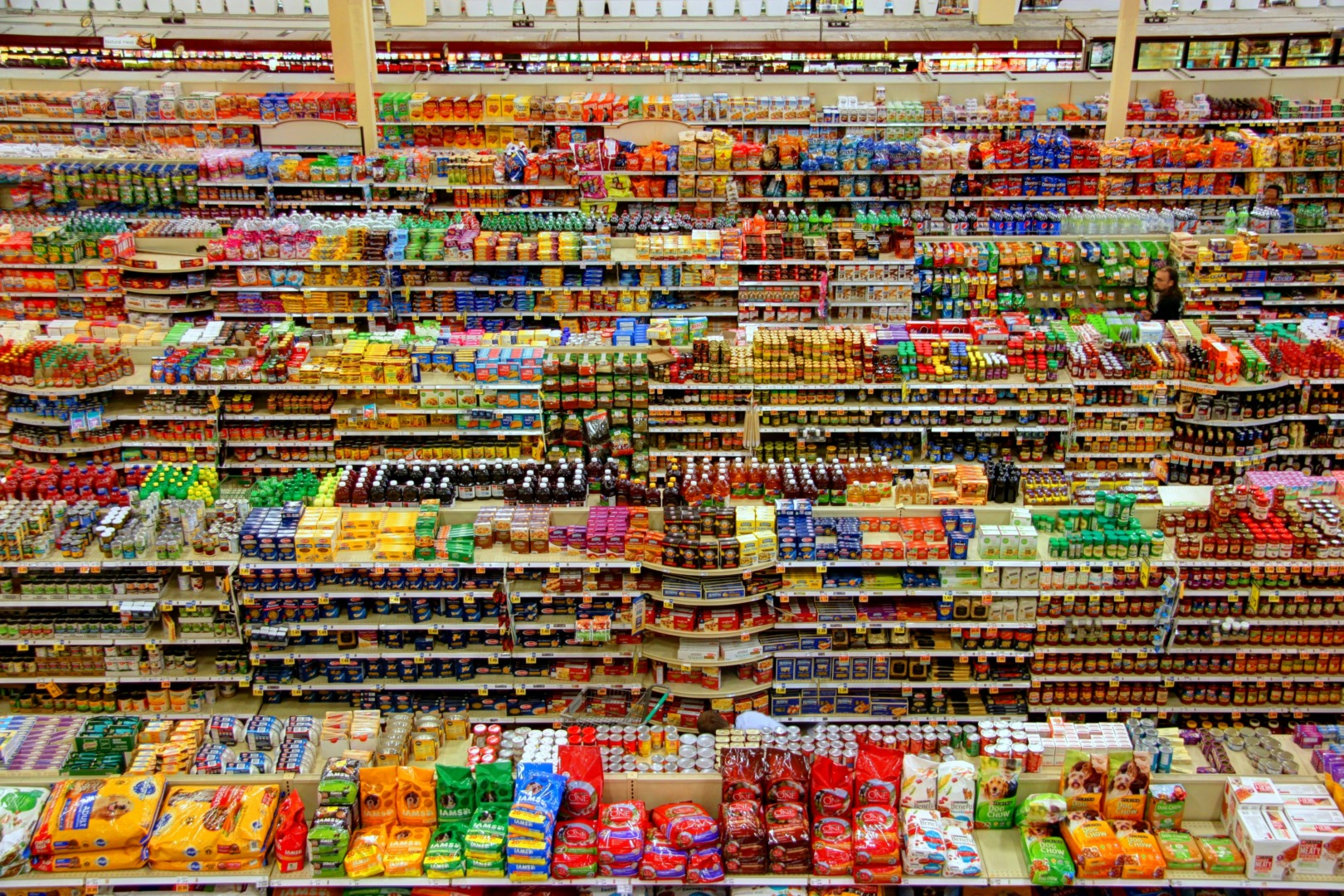
Right now, Americans are highly concerned about their skyrocketing grocery bills. We witnessed a staggering 5.8% surge in food prices last year, with another 2.9% increase projected for 2024, despite a strong economy and a slowdown of inflation rates. Armed conflicts, wars, and the lingering effects of inflation are all contributors to this inflation, but the one constant and increasing factor is climate change. Many people are not yet connecting the dots.

The reality is that rising food prices should be our constant reminder of the havoc that climate change is causing. In 2023, extreme weather, such as heat waves, droughts, and floods, was the main disrupter of food prices, causing widespread damage to crops and livestock globally.

Corn, wheat, rice, and potatoes — staples of our diets — are among the crops most susceptible to changes in weather patterns. Rice, for example, cannot get efficiently self-pollinated in hotter temperatures, degrading the grain quality and reducing its yield. Scientists expect that we will start feeling the effects of the weather on rice in the next 15 years, with rice yields decreasing up to 40% by the end of the century. According to NASA climate projections, by 2030, increases in temperature and changes in rainfall patterns will cause significant reductions in the nutritional quality of wheat and a 24% reduction in maize yield.

It is not just about grains and diet staples. Fruits and vegetables are among the food group contributing significantly to the rise in grocery prices. And we know that severe weather patterns also degrade the quality of our produce. Heat waves can scorch fruits and vegetables. A rise in carbon dioxide in the atmosphere also causes changes in the micronutrient content of popular produce like strawberries and tomatoes.

To top it all off, severe weather events can also promote overgrowth of weeds and pests. When farmers use herbicides and pesticides — some of which emit climate-warming gases themselves — to control the problem, some pests may develop pesticide resistance, leading to increased use of these chemicals and causing costs to rise.

An additional 1 degree Celsius rise in Earth’s temperature could cause crop failures across 3.2 million acres in the U.S. alone, according to one recent study. As crops fail and supplies dwindle, U.S. residents could pay higher prices in the supermarkets.


Related Articles: Sustainable Agriculture is the Key to Ending Hunger | How Alleviating Risk for Farmers Could End Hunger | How Big Companies Can Help End Hunger | We Can End Hunger and Meet Climate Goals For an Extra USD 14 Billion per Year

There’s also the taxpayer burden in bailouts to farmers. U.S. rice farmers have required disaster aid for crop loss from extreme weather events since at least 2017. Droughts, floods, and other severe weather events were cited as the most expensive reasons for crop loss, totaling over $118.7 billion in 2021-22.

While the consequences of climate change are laid bare in our supermarkets each week, less than half of U.S. residents think that climate change is personally important. So here are some specific ways in which we can help people understand the bigger picture.

First, don’t talk about climate change. Instead, connect through food. Food is what brings us together, what we have in common. It’s no secret that climate change can be a polarizing topic in the U.S. Food, in contrast, is joy and is what we use to bring us together on any occasion. We use it to communicate that we care. We use it to celebrate, grieve, share, and preserve our cultures and traditions.

So commiserate with the people you know about rising food prices. Food is powerful, and people across all walks of life can rally around protecting their access to it. It is a potent topic for making the topic of climate change feel personal, immediate, and urgent for everyone.

** **

This article by Yale Climate Connections is published here as part of the global journalism collaboration Covering Climate Now (CCN).

About the author: Uriyoán Colón-Ramos is an associate professor of nutrition and global health at George Washington University.


Editor’s Note: The opinions expressed here by the authors are their own, not those of Impakter.com — Featured Photo Credit: Peter Bond.

Tags: AgricultureCCNClimate ChangeCovering Climate NowfoodFood PricesMazePrice of foodricewheatYale Climate Connections
Previous Post

Yielding the Power of Numbers to Fight Hunger, One Statistician at a Time

Next Post

Surprising Vietnam: Promise and Paradox

Related Posts

ESG news regarding Deforestation Mandate Being Pushed; EUs Acceleration on Hydrogen and Net Zero Revolution; AT&T Will End All DEI; UK Watchdog Blocks Nike and Lacoste Ads Over Green Claims.
Business

U-Turn in Europe: Deforestation Mandate Pushed Back Again

Today’s ESG Updates EU Lawmakers Agree to Delay Deforestation Rules: The EU has delayed and simplified its Deforestation Regulation until...

byEge Can Alparslan
December 5, 2025
ESG News regarding Flooding in Indonesia; Glencore promises copper production boost; Trump proposes slashing fuel efficiency standards, and Vulcan Energy receives $2.57bn of funding for lithium project
Business

Indonesians Blame Deforestation for Recent Floodings

Today’s ESG Updates: More than 700 Lives Lost in Recent Indonesian Floods: A combination of mass deforestation and heavy rainfall...

byAriq Haidar
December 4, 2025
How a Framework Convention Could Address Climate and Socio-Economic Displacement
Politics & Foreign Affairs

How a Framework Convention Could Address Climate and Socio-Economic Displacement

The unprecedented shift in human (im)mobility has seen over 120 million forced to flee their homes due to war, violence,...

byDr. Shepherd Mutsvara - Research Fellow at the University of Münster, Germany
December 3, 2025
fossil fuel subsidies
Business

How G20 Nations Can Make Progress After the Group Stalls on Fossil Fuel Subsidy Reform

The 2025 G20 Leaders’ Summit in South Africa sent mixed signals on climate action. In this year’s Leaders’ Declaration, climate change...

byInternational Institute for Sustainable Development (IISD)
November 28, 2025
Animal Health
Biodiversity

Better Animal Health Is the Low-Risk, High-Reward Climate Investment We Need

Imagine if there was a way to reduce emissions from the meat, egg and dairy sector by nearly a quarter,...

byCarel du Marchie Sarvaas
November 26, 2025
Instant Thickener in food and clinical nutrition
Health

Instant Thickener Safety and Consistency Basics

Instant thickeners are widely used in the food, clinical nutrition, and healthcare fields. This range of products helps people with...

byHannah Fischer-Lauder
November 22, 2025
ESG news covering the EU’s delay of deforestation rules, rising U.S. housing risks from climate impacts, IFC’s $100M clean-energy investment in emerging markets, and ABN AMRO’s appointment of a new Chief Sustainability Officer.
Business

EU Delays Deforestation Regulation Again

Today’s ESG Updates EU Delays Deforestation Law: Europe postpones the EUDR by one year and loosens compliance rules, raising concerns...

byEge Can Alparslan
November 21, 2025
Mindful Eating - a practical guide
Foodscape

Mindful Eating for Modern Professionals: A Practical Guide

It is easy to rush through meals when your schedule is packed. Maybe you eat lunch at your desk, finish...

byHannah Fischer-Lauder
November 19, 2025
Next Post
Surprising Vietnam: Promise and Paradox

Surprising Vietnam: Promise and Paradox

Recent News

The Best Virtual Office Address In London For Your Startup

How To Choose The Best Virtual Office Address In London For Your Startup

December 5, 2025
Granddaddy Purple Strain

Where Granddaddy Purple Strain Gets Its Iconic Grape Flavor

December 5, 2025
ESG news regarding Deforestation Mandate Being Pushed; EUs Acceleration on Hydrogen and Net Zero Revolution; AT&T Will End All DEI; UK Watchdog Blocks Nike and Lacoste Ads Over Green Claims.

U-Turn in Europe: Deforestation Mandate Pushed Back Again

December 5, 2025
  • ESG News
  • Sustainable Finance
  • Business

© 2025 Impakter.com owned by Klimado GmbH

No Result
View All Result
  • Environment
    • Biodiversity
    • Climate Change
    • Circular Economy
    • Energy
  • FINANCE
    • ESG News
    • Sustainable Finance
    • Business
  • TECH
    • Start-up
    • AI & Machine Learning
    • Green Tech
  • Industry News
    • Entertainment
    • Food and Agriculture
    • Health
    • Politics & Foreign Affairs
    • Philanthropy
    • Science
    • Sport
  • Editorial Series
    • SDGs Series
    • Shape Your Future
    • Sustainable Cities
      • Copenhagen
      • San Francisco
      • Seattle
      • Sydney
  • About us
    • Company
    • Team
    • Global Leaders
    • Partners
    • Write for Impakter
    • Contact Us
    • Privacy Policy

© 2025 Impakter.com owned by Klimado GmbH