Impakter
  • Environment
    • Biodiversity
    • Climate Change
    • Circular Economy
    • Energy
  • FINANCE
    • ESG News
    • Sustainable Finance
    • Business
  • TECH
    • Start-up
    • AI & Machine Learning
    • Green Tech
  • Industry News
    • Entertainment
    • Food and Agriculture
    • Health
    • Politics & Foreign Affairs
    • Philanthropy
    • Science
    • Sport
  • Editorial Series
    • SDGs Series
    • Shape Your Future
    • Sustainable Cities
      • Copenhagen
      • San Francisco
      • Seattle
      • Sydney
  • About us
    • Our Story
    • Team
    • Partners
    • Write for Impakter
    • Contact Us
    • Privacy Policy
No Result
View All Result
  • Environment
    • Biodiversity
    • Climate Change
    • Circular Economy
    • Energy
  • FINANCE
    • ESG News
    • Sustainable Finance
    • Business
  • TECH
    • Start-up
    • AI & Machine Learning
    • Green Tech
  • Industry News
    • Entertainment
    • Food and Agriculture
    • Health
    • Politics & Foreign Affairs
    • Philanthropy
    • Science
    • Sport
  • Editorial Series
    • SDGs Series
    • Shape Your Future
    • Sustainable Cities
      • Copenhagen
      • San Francisco
      • Seattle
      • Sydney
  • About us
    • Our Story
    • Team
    • Partners
    • Write for Impakter
    • Contact Us
    • Privacy Policy
No Result
View All Result
Impakter
No Result
View All Result
News regarding climate change potentially cutting land for cattle, sheep, and goat farming in half by 2100.

By 2100, there may not be enough suitable areas for cows, sheep, and goats to graze.

Climate Change Could Cut Land for Cattle, Sheep, and Goat Farming in Half by 2100

byAnastasiia Barmotina
March 18, 2026
in Climate Change, Environment

As global temperatures rise, the vast grasslands that support billions of livestock and millions of people’s livelihoods are facing threats like never before. According to a recent Potsdam Institute for Climate Impact Research (PIK) study, by the end of the century, there may not be enough suitable areas for cows, sheep, and goats to graze. This alarming projection underscored the urgency to address climate change to safeguard food security and vulnerable communities. 

The PIK study identifies the concept of a “safe climatic space” for cattle, sheep, and goat grazing. These systems, which cover about a third of Earth’s surface, rely on specific environmental conditions to thrive. Researchers defined this safe space based on ranges of key factors: temperatures between -3°C and 29°C, annual rainfall from 50 to 2,627 millimeters, humidity levels of 39% to 67%, and wind speeds of 1 to 6 meters per second. If the conditions don’t match, grasslands become less viable for sustaining large herds, leading to reduced productivity and potential ecosystem collapse. 
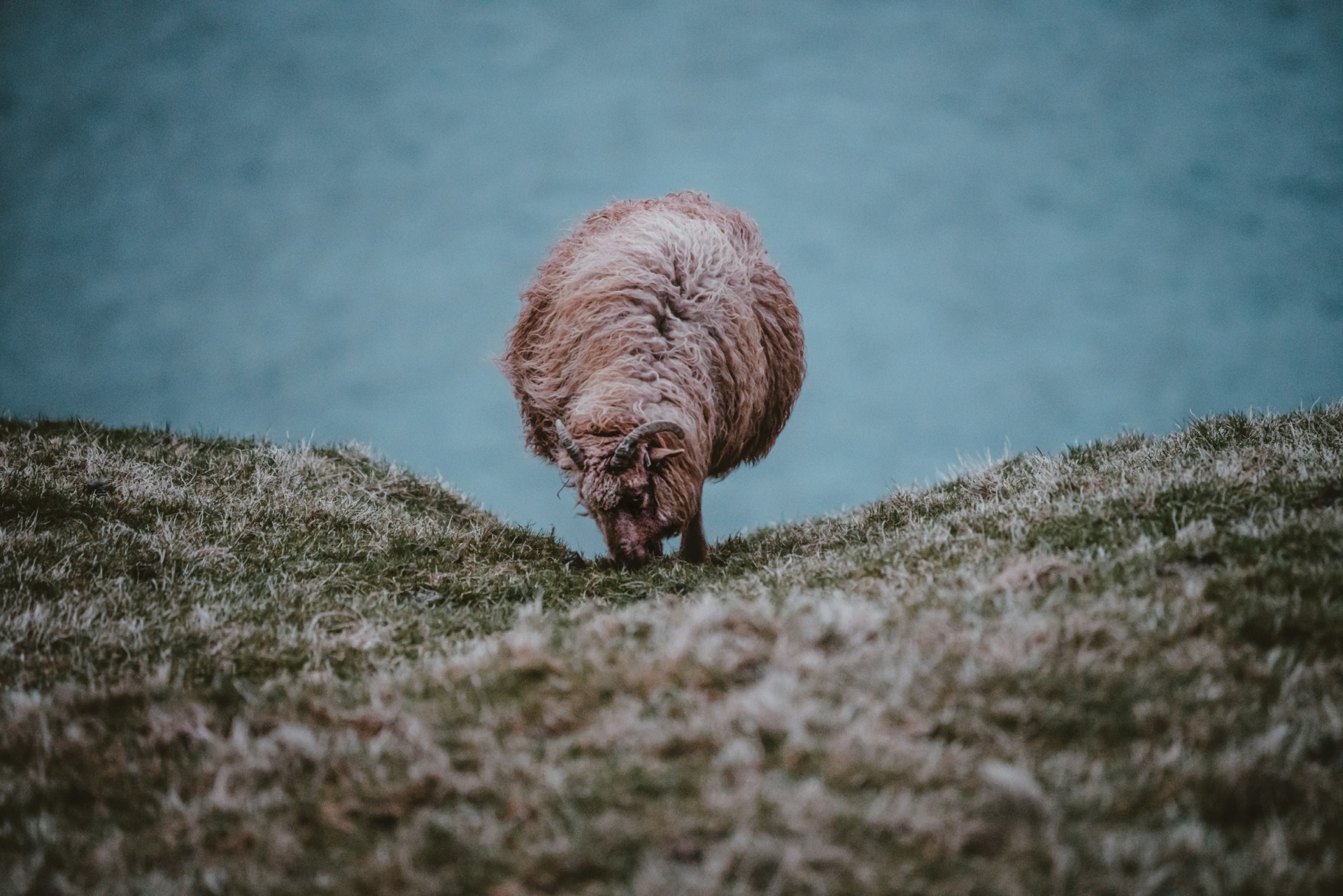
News regarding climate change potentially cutting land for cattle, sheep, and goat farming in half by 2100.
Grasslands represent the world’s largest agricultural production system. Photo Credit: REGINE THOLEN

As stated in the study, climate change could result in a net decline of 36% to 50% in areas suitable for grazing by 2100. This contraction would affect up to 1.6 billion grazing animals worldwide, and put the livelihoods of more than 100 million pastoralists at risk. Grasslands represent the world’s largest agricultural production system, making their decrease a critical concern for meat and dairy supplies, which already account for around 14.5% of global greenhouse gas emissions as mentioned by the UN Food and Agriculture Organization in their report.

Based on the “safe climatic space” framework (rising temperatures and changing weather conditions), the research shows that Africa is particularly vulnerable regarding both variables. Temperatures on the continent are already close to the upper safety limits, and projections show that African grasslands could shrink by 16% — in a low emissions scenario. If emissions continue to rise, losses could be as high as 65%. Some grazing areas are expected to shift southward from regions like the Ethiopian highlands, East African Rift Valley, Kalahari Basin, and Congo Basin. However, as these grazing areas shift, the coastal grazing areas won’t have anywhere to move. 
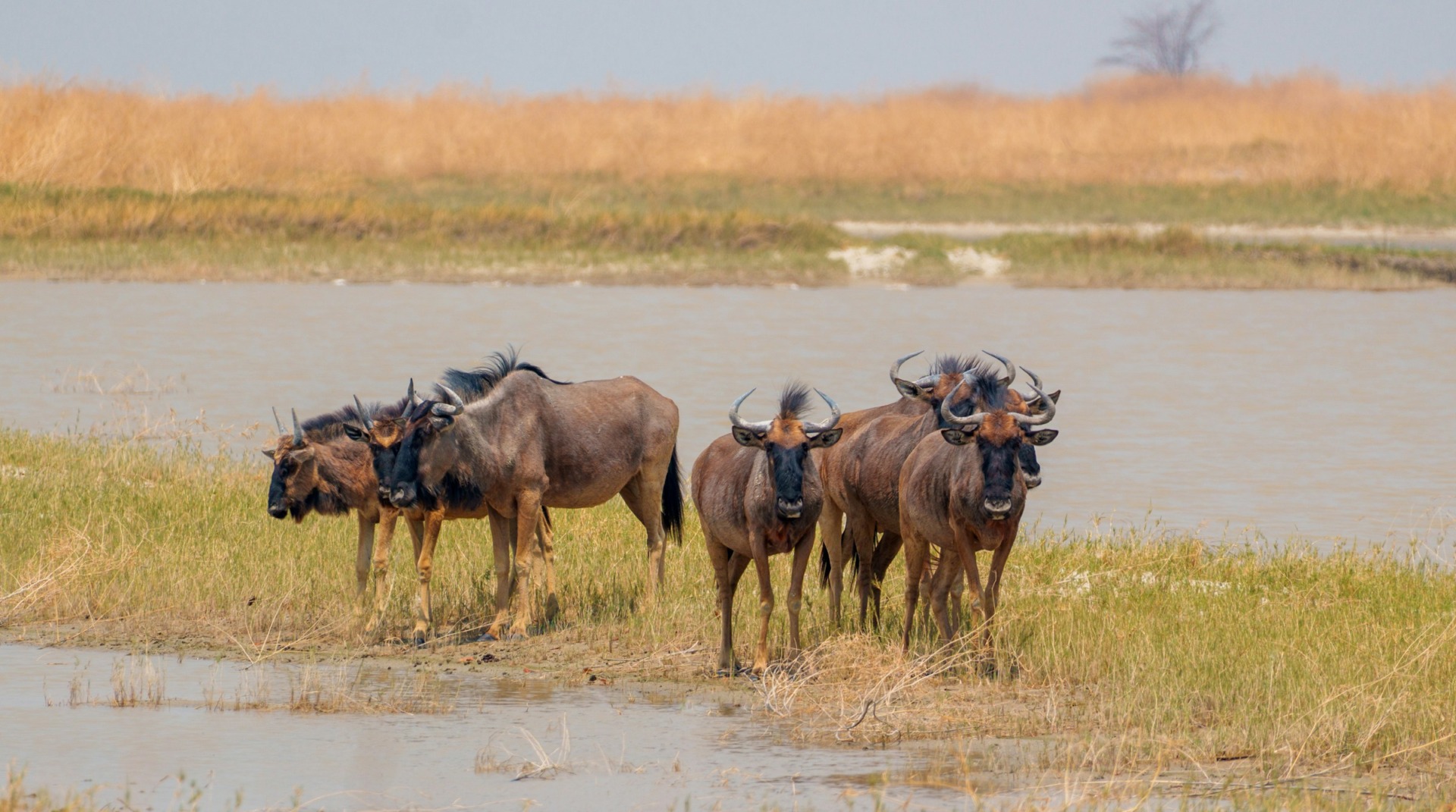
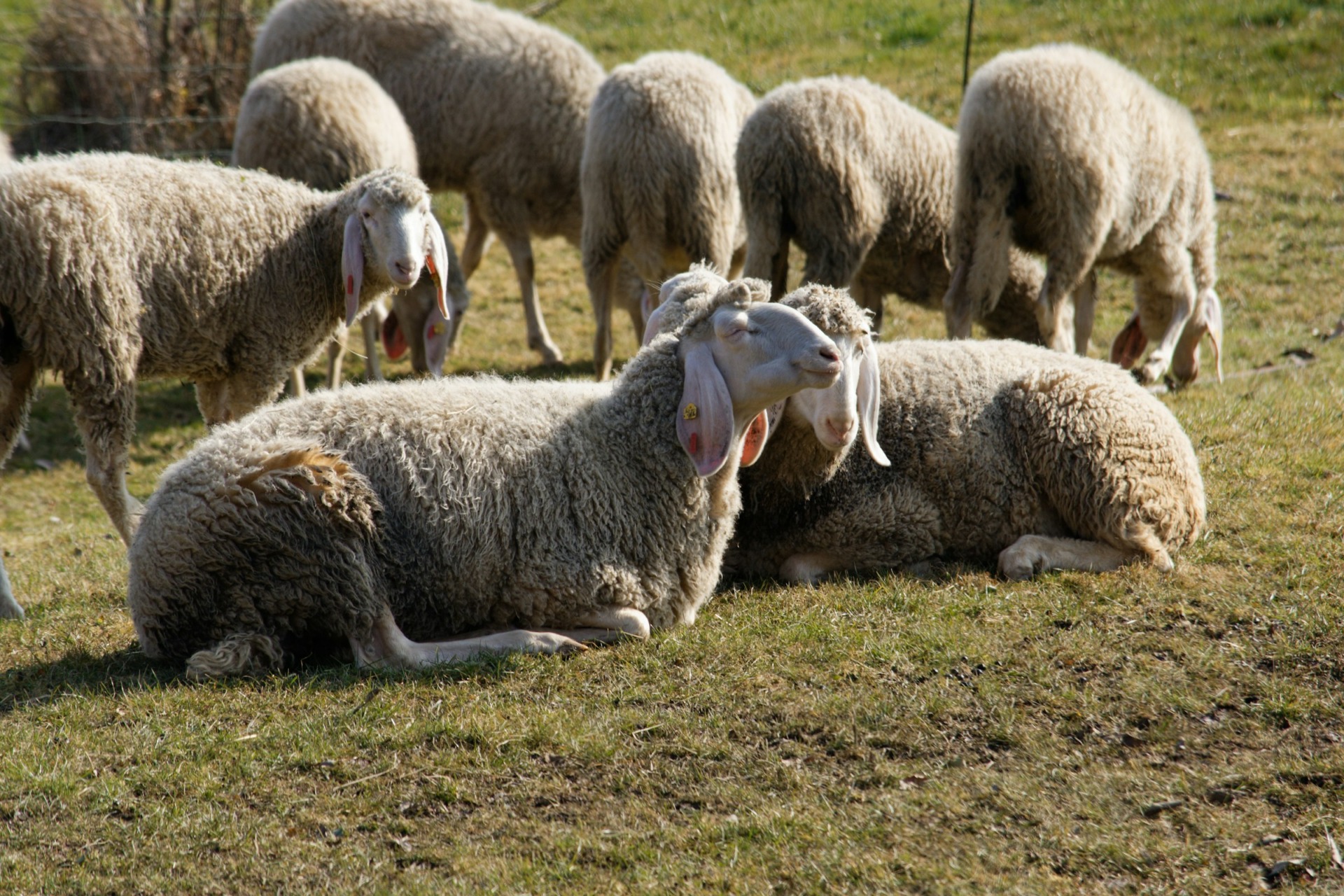
News regarding climate change potentially cutting land for cattle, sheep, and goat farming in half by 2100.
Based on the “safe climatic space” framework, the research shows that Africa is particularly vulnerable. Photo Credit: Ed Wingate

The issues spread far beyond agriculture. PIK researcher Chaohui Li says that these changes will disproportionately affect low-income countries already struggling with hunger, economic instability, political fragility, and gender inequality. From 51% to 81% of impacted populations live in such nations, where pastoralism is essential for survival. Traditional adaptation strategies, such as switching species or migrating herds, may prove ineffective against such major shifts. 

Maximilian Kotz, another co-author, points out the deep environmental dependence of these systems: 

“Grassland-based grazing is highly dependent on the environment, including things like temperature, humidity, and water availability. What we see is that climate change is going to reduce the spaces in which grazing can thrive, fundamentally challenging farming practices that have existed for centuries.” 

Related Articles

Here is a list of articles selected by our Editorial Board that have gained significant interest from the public:

  • To Prevent Ecological Collapse, We Must Start With the Soil
  • How Does Climate Change Affect Agriculture?
  • Healthy Nature for Better Food Systems: UN Awards New World Restoration Flagships

According to the PIK study researchers, the most effective way to reduce the potential damage to grasslands is rapid emissions reduction by transitioning away from fossil fuels. Without swift global action to curb greenhouse gases, the contraction of suitable grazing areas could become irreversible, threatening food security on a massive scale and worsening problems in already weak regions.


Editor’s Note: The opinions expressed here by the authors are their own, not those of impakter.com — Cover Photo Credit: Annie Spratt

Tags: CattleClimate ChangeEmissions Reductiongrasslandsgrazing areasGreenhouse gaslivestock
Previous Post

EU Carbon Prices Fall as Bloc Weighs Market Changes to Ease Energy Costs

Next Post

Antarctic Penguins’ Radical Response to Climate Change

Related Posts

Men and woman working on their accounting Infrastructure
Business

Why ESG Reporting Is Failing Without Proper Accounting Infrastructure

April 14, 2026
V&A Waterfront, Cape Town, South Africa, October 2025.
Climate Change

The IMF and World Bank Are Reforming Their Main Debt Sustainability Assessment Tool — Here’s Why It Matters

April 14, 2026
The history repeats itself regularly, and the crisis connected with 3G and first mobile network operators has a lot of similarities with the current AI market
AI & MACHINE LEARNING

Is Big Tech Replaying the 3G Bubble With AI?

April 14, 2026
Next Post
Penguins antarctica

Antarctic Penguins’ Radical Response to Climate Change

Related News

ESG news regarding Suniva’s $350 million solar manufacturing expansion in South Carolina, rising US demand for domestically produced clean energy components, and policy-driven shifts supporting local supply chains in the solar industry.

Suniva to Invest $350 Million in South Carolina Plant

April 15, 2026
ESG news regarding European Commission proposing new financial support to combat energy price surges, UK new plan to manage renewable power surpluses, Western Australia launching strategic diesel reserve to bolster fuel security, and Asian stocks jumping as hopes for US-Iran ceasefire rise.

EU Proposes State Aid to Offset Rising Energy Costs

April 14, 2026

Impakter informs you through the ESG news site and empowers your business CSRD compliance and ESG compliance with its Klimado SaaS ESG assessment tool marketplace that can be found on: www.klimado.com

Registered Office Address

Klimado GmbH
Niddastrasse 63,

60329, Frankfurt am Main, Germany


IMPAKTER is a Klimado GmbH website

Impakter is a publication that is identified by the following International Standard Serial Number (ISSN) is the following 2515-9569 (Printed) and 2515-9577 (online – Website).


Office Hours - Monday to Friday

9.30am - 5.00pm CEST


Email

stories [at] impakter.com

By Audience

  • TECH
    • Start-up
    • AI & MACHINE LEARNING
    • Green Tech
  • ENVIRONMENT
    • Biodiversity
    • Energy
    • Circular Economy
    • Climate Change
  • INDUSTRY NEWS
    • Entertainment
    • Food and Agriculture
    • Health
    • Politics & Foreign Affairs
    • Philanthropy
    • Science
    • Sport
    • Editorial Series

ESG/Finance Daily

  • ESG News
  • Sustainable Finance
  • Business

About Us

  • Team
  • Partners
  • Write for Impakter
  • Contact Us
  • Privacy Policy

© 2026 IMPAKTER. All rights reserved.

No Result
View All Result
  • Environment
    • Biodiversity
    • Climate Change
    • Circular Economy
    • Energy
  • FINANCE
    • ESG News
    • Sustainable Finance
    • Business
  • TECH
    • Start-up
    • AI & Machine Learning
    • Green Tech
  • Industry News
    • Entertainment
    • Food and Agriculture
    • Health
    • Politics & Foreign Affairs
    • Philanthropy
    • Science
    • Sport
  • Editorial Series
    • SDGs Series
    • Shape Your Future
    • Sustainable Cities
      • Copenhagen
      • San Francisco
      • Seattle
      • Sydney
  • About us
    • Our Story
    • Team
    • Partners
    • Write for Impakter
    • Contact Us
    • Privacy Policy

© 2026 IMPAKTER. All rights reserved.