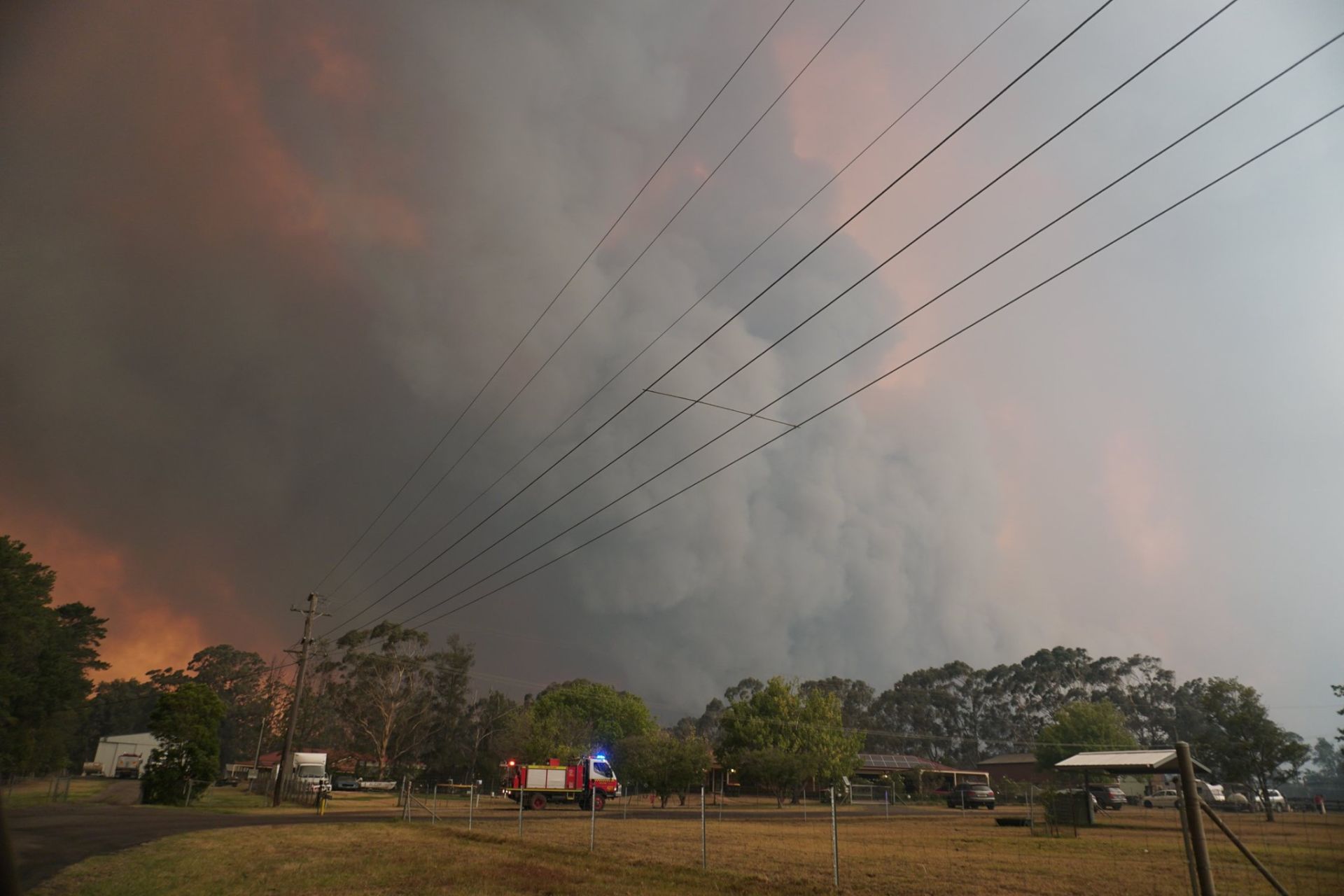
The climate community must work harder, faster and smarter in a pivotal year.
Despite years of campaigning, innovation and negotiation from the climate sector, despite millions of hours and billions of dollars spent, global carbon emissions continue to rise – projected to climb by 0.6% in 2019. We are fighting a war, and we are losing. For now, fossil fuels continue to generate huge revenues. 14 oil and gas companies generate annual revenues of more than $100 billion. And their huge profits are boosted by generous subsidies and tax break from governments around the world.
Ten years ago, world leaders agreed to phase out this dangerous form of corporate welfare. But International Monetary Fund experts estimated the world’s annual fossil fuel subsidies have grown to $4.7 trillion, or 6.3% of global GDP. This includes at least $34.5 billion from US local and state government – even though deaths from air pollution in the US rose by 9,700 from 2016 to 2018.
We should all demand an end to these infuriating handouts. In particular, we must address the madness that sees countries spend cash on climate action – and steps to deal with the damaging health and social impacts of climate change – while simultaneously propping up planet-killing corporations.
These enormous subsidies are a bizarre act of self-harm by Governments that have pledged to serve and protect their people. We must ask similar question of banks and pension funds that pledge green action while investing in polluting enterprises.
But with powerful commercial interests involved, the handouts won’t disappear overnight. We need to overwhelm the climate delayers and deniers with an opposing force – more powerful, more inclusive, more radical climate action. As we work towards the COP26 climate talks in Scotland in November, the climate sector needs to be sharper, more persuasive and more united.
We can’t hope for miracles in Glasgow – we need COP26 to cap a year of solid achievement, so we must kick start The Climate Decade right now. The good news is that the innovations to address the climate crisis already exist. Ashden has been boosting them for almost two decades. But these solutions need a huge injection of investment and political will if they’re to scale up quickly enough. So how can we win the fight of our lives?
Earn public support
Misjudged climate action can do more harm than good. Think of France’s Gilets Jaune protests, triggered by the threat of new fuel taxes – poorer families said they had no alternative to their cars, unlike rich people in the country’s city centres. In contrast to this failure, smart solutions can deliver day-one benefits to people’s lives, on top of climate benefits. Like the work of SMV Green, the electric rickshaw company bringing fairly-paid jobs and cleaner air to India – or the Energiesprong retrofit system, creating warmer homes and lower heating bills in Europe and North America.

We need to keep track of these benefits, shout about them, and use them to drive public support for further climate action. Let’s listen to the kind of benefits people actually want – and back solutions built on local accountability and ownership, the strong roots that allow innovation to thrive.
Leave no-one behind
As well as slashing emissions, sustainable energy could transform the lives of the world’s poorest people, including the 1.1 billion without access to reliable electricity. But energy access won’t create big change on its own, as our new research on gender and energy in ‘off-grid’ rural Tanzania shows. We found that access to solar energy had not created more free time for most women, or helped them complete the most demanding daily tasks. And women were de-prioritising their own needs so other family members could benefit.
Clearly we must tackle wider questions of injustice and inequality, or much-hyped sustainability benefits will be no more than empty over-promises, and the global clean energy transition will fall apart. For solutions to take flight they must be holistic, and grounded in the reality of people’s lives.
Fight money with money
In 2020 fossil fuel companies will spend billions on new pits, pipelines and glossy PR campaigns that help keep them in business. For example, the five biggest oil and gas companies, and their industry groups, have spent at least €251m lobbying just one organisation – the European Union – since 2010. Meanwhile, campaign group ClientEarth is taking action against BP for misleading advertising. They say the company’s messages create the impression it is a renewable energy company, when in fact oil and gas account for more than 96% of its annual capital expenditure.
We can shake our fists – or we can beat the fossil fuel companies at their own game, by driving new investment in climate solutions. Make no mistake, this is a huge challenge. Many of the most promising projects and innovators are new and unproven, or serving customers without much money to spend. A steady flow of finance is, however, vital – particularly from patient investors interested in driving social change. We need to ensure these socially-minded investors are inspired by climate solutions as they are by other important causes.
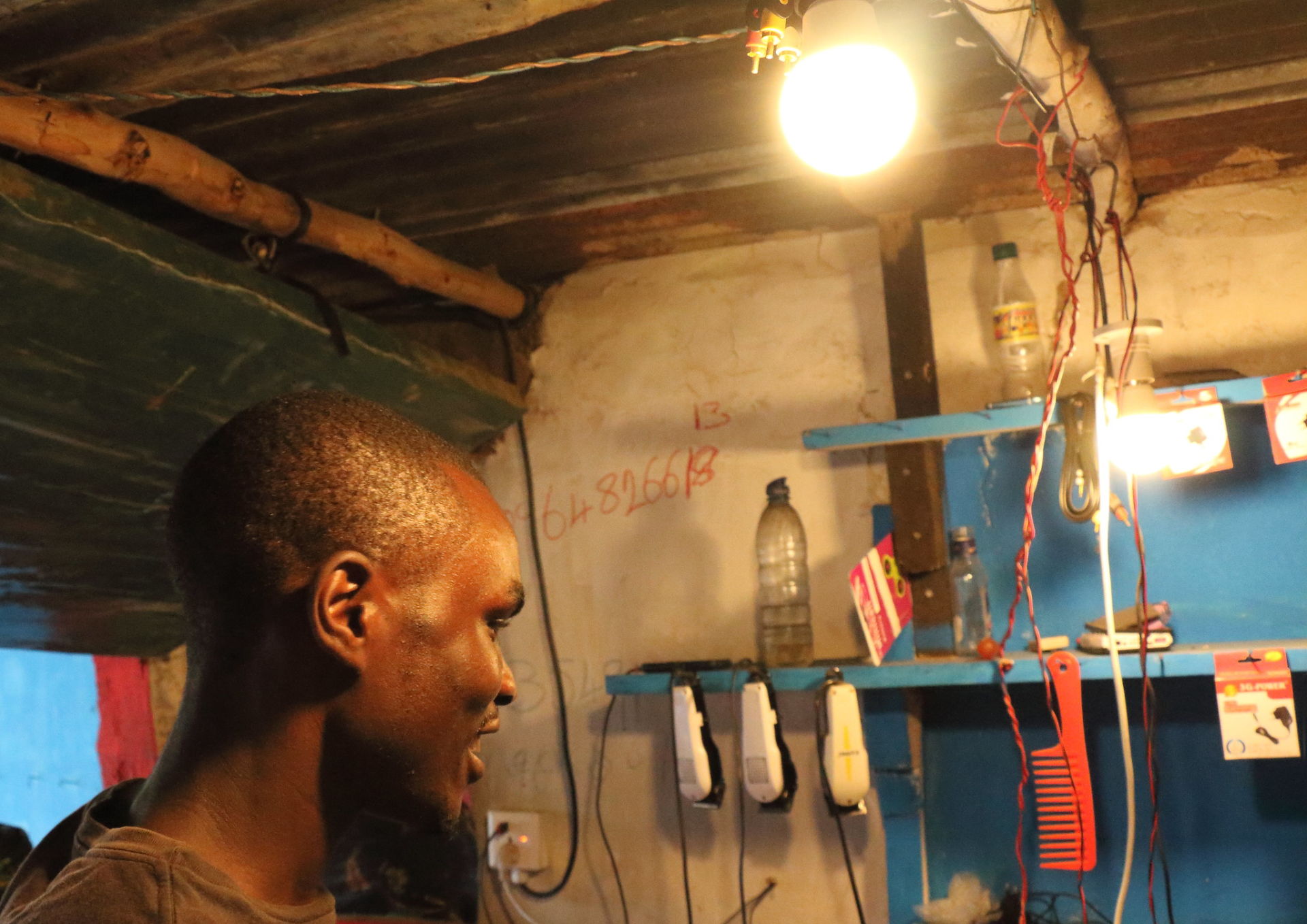
And, most importantly, we need new financial innovation that de-risks the sector and reassures investors. New subsidies and guarantees, new investment vehicles, new analysis and data that identifies great opportunities. Get it right and we’ll unlock huge change – in just a few years the Beyond the Grid Fund for Zambia has used a new type of public-private partnership to connect almost 800,000 rural people with clean, reliable energy.
Every moment matters
In a pivotal year, we must make more of every summit, conference, and campaign. 2019 saw the first London Climate Action Week – a great initiative, and this year’s edition has to be even more coherent, higher profile and more solutions-focused. New York Climate Week buzzed with energy and ambition, but this didn’t filter through to the UN Climate Action Summit taking place across the city in the same week.
Delegates at these events should arrive with a firm idea of the proven innovation that will deliver their plans and targets. They’ll need every resource imaginable, from policy and finance models to the latest battery technology to the best natural climate solutions. The year of climate fightback starts now.
Authors:
Harriet Lamb, CEO, Ashden
Harriet Lamb joined Ashden as CEO in May 2019, taking responsibility for developing and implementing the organisation’s ambitious new strategy to tackle climate change.
She was CEO at peacebuilding organisation International Alert and spent 15 years leading Fairtrade in the UK and globally. Harriet has always worked for NGOs with a focus on international development, peace and the environment. She worked in the UK on refugee and low pay issues, and lived in India for six years. Her book Fighting the Banana Wars and Other Fairtrade Battles was published in 2008, and she was appointed CBE in 2006.
Mark Campanale, Founder and Executive Director, Carbon Tracker
Mark is the Founder of the Carbon Tracker Initiative and conceived the ‘unburnable carbon’ capital markets thesis. He commissioned and was editor of the report Unburnable Carbon, are markets carrying a carbon bubble? Mark is responsible for management strategy, board matters and developing Carbon Tracker’s capital markets framework analysis. Prior to forming Carbon Tracker, Mark had twenty five years-experience in sustainable financial markets.