Impakter
  • Environment
    • Biodiversity
    • Climate Change
    • Circular Economy
    • Energy
  • FINANCE
    • ESG News
    • Sustainable Finance
    • Business
  • TECH
    • Start-up
    • AI & Machine Learning
    • Green Tech
  • Industry News
    • Entertainment
    • Food and Agriculture
    • Health
    • Politics & Foreign Affairs
    • Philanthropy
    • Science
    • Sport
  • Editorial Series
    • SDGs Series
    • Shape Your Future
    • Sustainable Cities
      • Copenhagen
      • San Francisco
      • Seattle
      • Sydney
  • About us
    • Company
    • Team
    • Partners
    • Write for Impakter
    • Contact Us
    • Privacy Policy
No Result
View All Result
Impakter logo
No Result
View All Result
Australian Bushfires Continue to Wreak Havoc

Australian Bushfires Continue to Wreak Havoc

Aman GrewalbyAman Grewal
January 13, 2020
in Editors' Picks, Environment, Health
0

Hundreds of wildfires have been raging across Australia for more than two months, destroying 7.4 million acres of land and hundreds of homes. While Australia typically experiences bushfires every year, this year’s fires began burning earlier in the season and with greater intensity than usual. Exceptionally dry conditions and extreme heat are fuelling the fires. Scientists agree that climate change is creating these extreme conditions and contributing significantly to the devastation of the fires. 
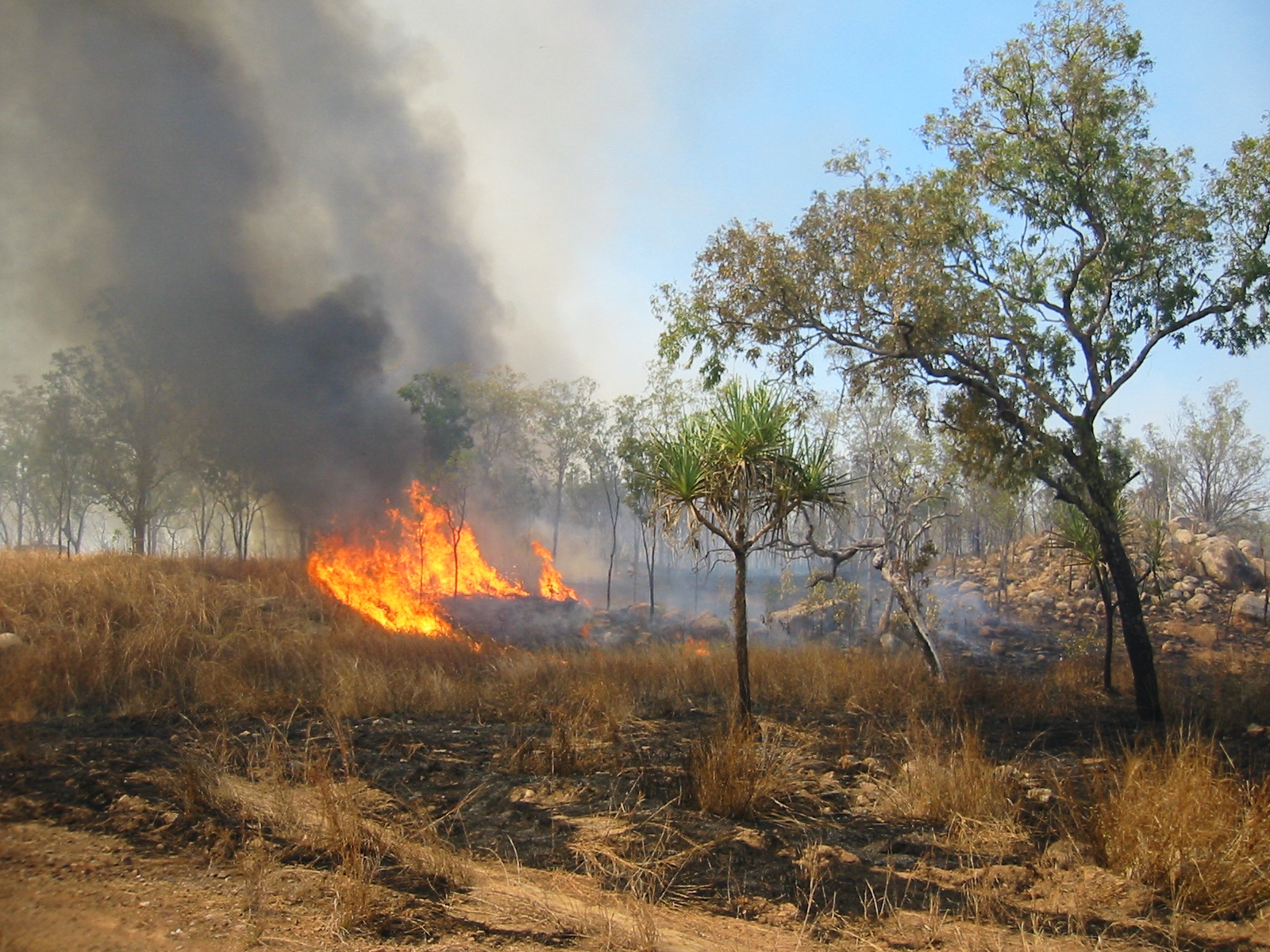
In the Photo: Bushfire in Australia. Photo Credit: Thomas Schoch

Smoke from the fires is creating hazardous conditions in Sydney where air quality is 11 times over the maximum hazardous threshold and temperatures have reached a sweltering 49.9˚C.

Sydney — Australia’s largest city — has been filled with toxic smoke from the numerous fires burning across southeastern Australia. Smoke from the fires is creating hazardous conditions in Sydney where air quality is 11 times over the maximum hazardous threshold and temperatures have reached a sweltering 49.9˚C. Sydney hospitals have seen a dramatic increase in emergency room visits for patients experiencing heat exhaustion and respiratory issues. Physicians have declared that the city is facing a public health emergency as a result of the bushfires. 

Children, elderly people, and those with chronic disease are especially vulnerable to the potentially deadly consequences of exposure to extreme heat and toxic smoke. As previously reported, health consequences of exposure to air pollution may be even more devastating than once understood. Short-term health risks associated with air pollution include increased risk of heart attacks, strokes and asthma attacks while long-term risks include respiratory issues, lung disease and stunted growth. For children, long-term exposure to air pollution has been compared to smoking a pack of cigarettes a day and can cause developmental issues among other health concerns. 
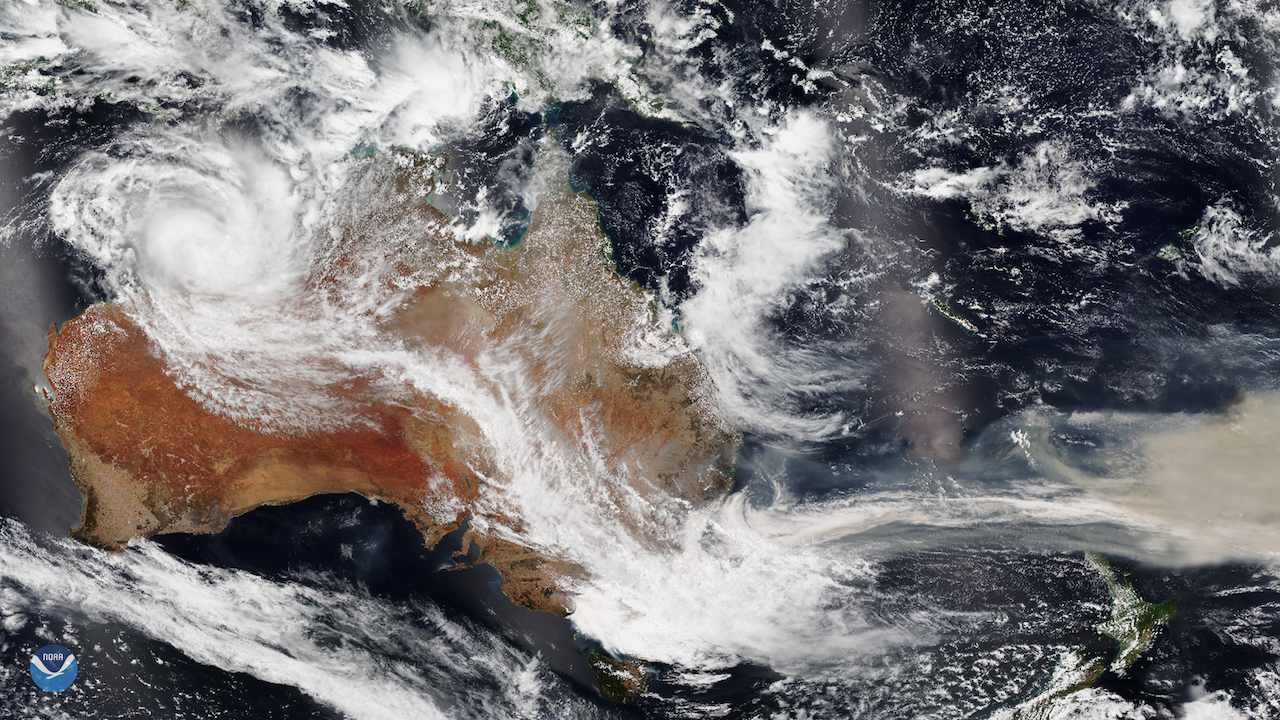
In the Photo: Satellite images of dust and pollution over Australia. Photo Credit: NOAA Environmental Visualization Laboratory

As this year’s blazes are burning with a greater intensity than has been seen in the past, typical methods employed by firefighters are no longer effective. Scientists warn that this year’s fires may become the new normal as climate change continues to wreak havoc with little government action to combat it. Instead of addressing the public’s concerns the Australian government has mitigated climate change’s role in the fires, citing that the majority of the fires have been set by arsonists. 


Related Articles: New Delhi Air Pollution Emergency: 10 Times the Safe Limit | Air Pollution: UK in a National Crisis Mode

These fires are continuing to draw global attention, spurring conversations on the subject of climate change as scientists agree that the increased intensity and duration of the fires are due to global warming. Citizens, scientists, and healthcare professionals are calling upon the Australian government to act as the country continues to suffer from the negative effects resulting from the fires. The government continues to be criticized as Australia remains one of the largest producers of coal in the world while the coal industry has been identified as a significant contributor to climate change.


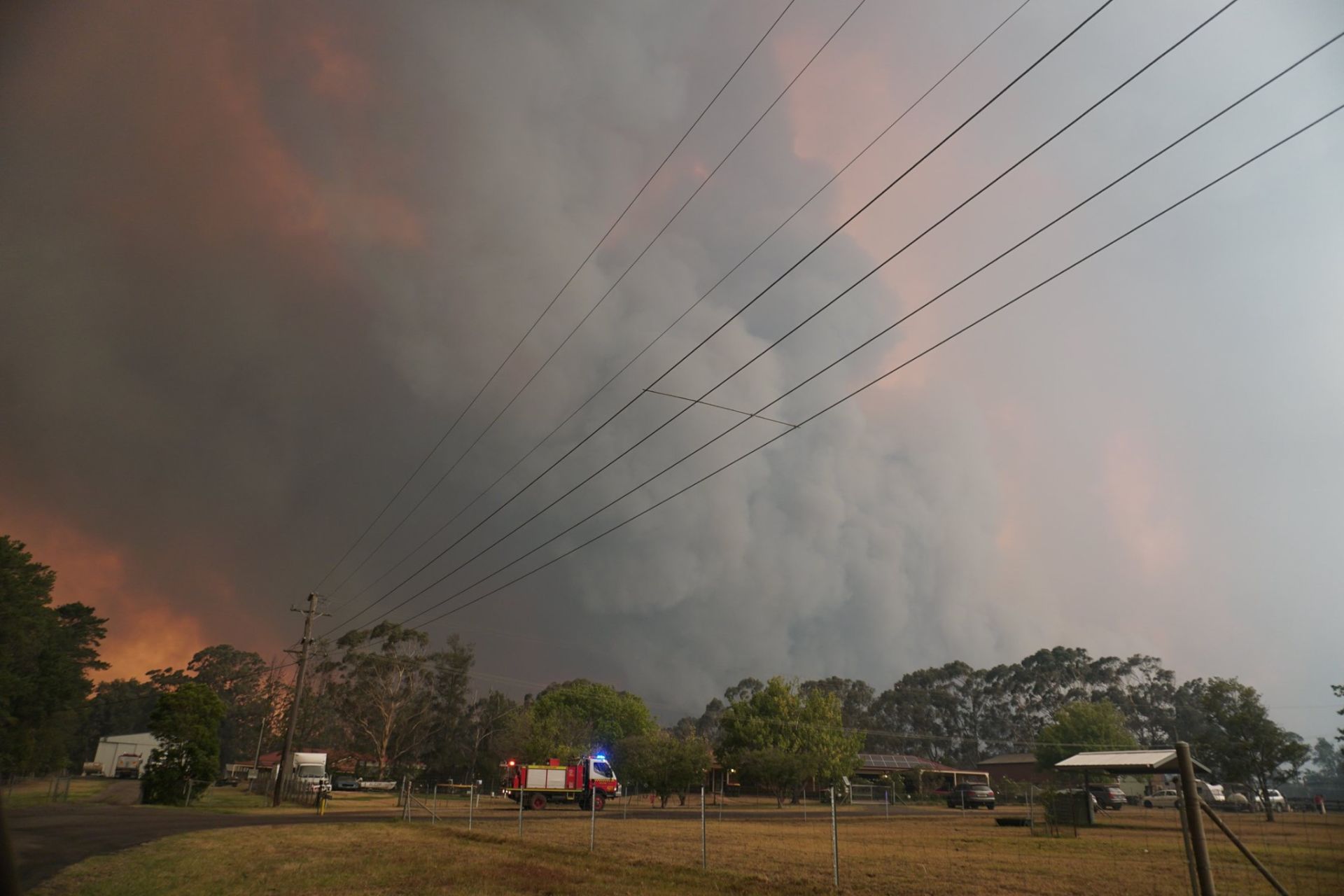
Editor’s Note: The opinions expressed here by Impakter.com columnists are their own, not those of Impakter.com  — In the Featured Photo: Out of control bushfire in South West Sydney — Featured Photo Credit: Helitak430
Tags: Air pollutionaustraliaBushfiresClimate ChangeClimate Crisispublic health
Previous Post

We are losing the climate war. Can we fight back in 2020?

Next Post

Companies Must “Zoom Out” For a Sustainable Planet

Related Posts

How an Intersectional Approach Can Help Us Address Vulnerability to Climate Change
Climate Change

How an Intersectional Approach Can Help Us Address Vulnerability to Climate Change

Different forms of discrimination and marginalization — such as racism, ableism, and discrimination on the basis of gender identity —...

byInternational Institute for Sustainable Development (IISD)
February 16, 2026
Can Human Behavior Explain the Recent Spike in Shark Attacks?
Environment

Can Human Behavior Explain the Recent Spike in Shark Attacks?

In January, headlines were dominated by the four shark bites occurring within 48 hours off Australia’s coast. This is not...

byLena McDonough
February 16, 2026
biodiversity loss
Biodiversity

The Economics of Biodiversity Loss

In the 1990s, India’s vulture population collapsed due to the unintended knock-on effect of a veterinary drug for cattle, with...

byStefano Giglio - Professor at Yale Universityand2 others
February 12, 2026
News about grey-headed flying foxes dying due to heatwaves caused by climate change.
Climate Change

Climate Change Brings Another Species Closer to Extinction

In January 2026, a series of extreme heatwaves across South-Eastern Australia caused one of the worst mass mortality events for...

byAnastasiia Barmotina
February 11, 2026
Underwater Wall to Protect the ‘Doomsday Glacier’: Necessary Intervention or Costly Distraction?
Climate Change

Underwater Wall to Protect the ‘Doomsday Glacier’: Necessary Intervention or Costly Distraction?

Thwaites Glacier in Antarctica earned its dramatic nickname, the “Doomsday Glacier,” because its collapse could trigger a catastrophic rise in...

byBenjamin Clabault
February 11, 2026
The Era of ‘Global Water Bankruptcy’ Has Begun
Climate Change

The Era of ‘Global Water Bankruptcy’ Has Begun

Humanity’s long-term water usage and damage have exceeded nature's renewal and safe limits, a situation scientists and the media have...

byNmesoma Ezetu
February 10, 2026
How Climate Change Is Driving Evolution
Climate Change

How Climate Change Is Driving Evolution

As global temperatures continue to rise at alarming rates, climate change threatens to wipe out entire groups of animal species....

byYuxi Lim
February 10, 2026
World Health Organization
Editors' Picks

Why America’s Withdrawal From the WHO Is Bad News for Everyone

The United States was formally withdrawn from the World Health Organization (WHO) by President Donald J. Trump on January 22,...

byDr. Bruce Kaplan - Epidemiologist formerly at the CDC/EIS and USDA-FSIS Office of Public Health and Science & Co-Founder of the One Health Initiative
February 5, 2026
Next Post
Companies Must “Zoom Out” For a Sustainable Planet

Companies Must “Zoom Out” For a Sustainable Planet

Recent News

ESG News regarding Tehran Dispatches Technical Team for Renewed Nuclear Dialogue; Italy Proposes Temporary Sea Entry Bans; Labour Market Slowdown in UK; India Hosts Global Tech Leaders in AI Investment Push

Iran-US Nuclear Diplomacy Returns to Geneva

February 16, 2026
AR visualization tool

Augmented Reality Preview of Your Products: Let Customers Experience Before They Buy

February 16, 2026
How an Intersectional Approach Can Help Us Address Vulnerability to Climate Change

How an Intersectional Approach Can Help Us Address Vulnerability to Climate Change

February 16, 2026
  • ESG News
  • Sustainable Finance
  • Business

© 2025 Impakter.com owned by Klimado GmbH

No Result
View All Result
  • Environment
    • Biodiversity
    • Climate Change
    • Circular Economy
    • Energy
  • FINANCE
    • ESG News
    • Sustainable Finance
    • Business
  • TECH
    • Start-up
    • AI & Machine Learning
    • Green Tech
  • Industry News
    • Entertainment
    • Food and Agriculture
    • Health
    • Politics & Foreign Affairs
    • Philanthropy
    • Science
    • Sport
  • Editorial Series
    • SDGs Series
    • Shape Your Future
    • Sustainable Cities
      • Copenhagen
      • San Francisco
      • Seattle
      • Sydney
  • About us
    • Company
    • Team
    • Partners
    • Write for Impakter
    • Contact Us
    • Privacy Policy

© 2025 Impakter.com owned by Klimado GmbH